By Oscar Gonzalez, Managing Editor
August 13, 2026
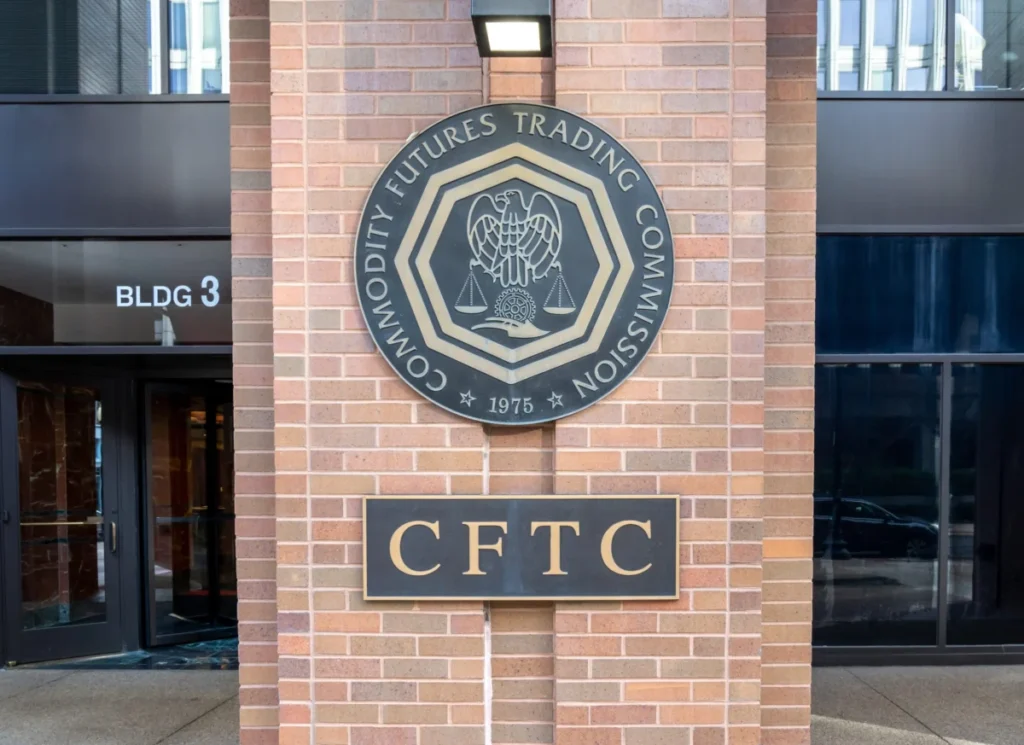
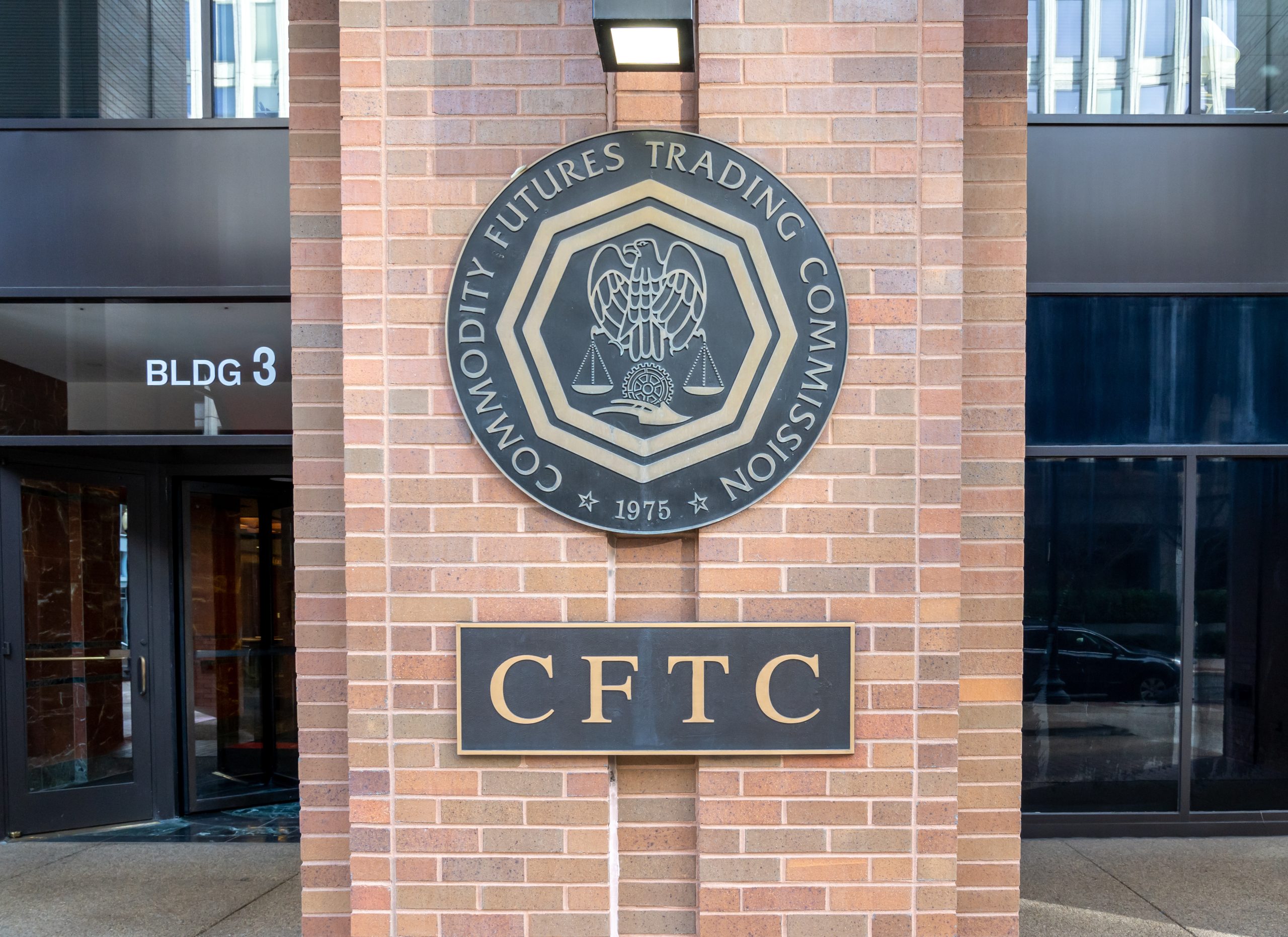
In a significant display of regulatory intervention, the U.S. Commodity Futures Trading Commission (CFTC) has invoked its emergency authority to mandate that prediction market operator Kalshi continue its operations. This rare regulatory move follows a formal notification from Kalshi, which declared a "market emergency" triggered by an aggressive legal challenge initiated by the State of New York.
The standoff highlights the escalating tensions between innovative financial technology platforms and state-level regulators, as prediction markets increasingly encroach upon the traditional boundaries of political and event-based speculation.
The Core Conflict: Regulatory Overreach or Market Integrity?
At the heart of the dispute is the question of jurisdiction and the classification of event contracts. Kalshi, a CFTC-regulated designated contract market (DCM), has positioned itself as a legitimate platform for hedging against real-world events. However, New York’s recent lawsuit challenges the legitimacy of these offerings within its borders, arguing that the platform facilitates activities akin to unregulated gambling.
When New York authorities moved to shutter or restrict Kalshi’s services, the company argued that the resulting operational uncertainty constituted a market emergency. By declaring this emergency to the CFTC, Kalshi essentially sought a federal "shield" to ensure that its existing market participants could continue to manage their positions without the threat of immediate, state-mandated shutdowns that could trigger a cascade of market instability.
Chronology of the Crisis: From Innovation to Litigation
The trajectory of this conflict has been rapid, moving from a niche debate among financial regulators to a full-scale legal battle.
- Early 2026: Kalshi aggressively expanded its suite of event contracts, including high-stakes predictive markets related to economic indicators and legislative outcomes.
- Spring 2026: Regulatory scrutiny began to intensify as state attorneys general started investigating whether these contracts complied with state-level anti-gambling statutes.
- July 2026: New York filed a formal lawsuit against Kalshi, seeking an injunction to stop the company from offering specific categories of contracts to state residents, citing a lack of state-level oversight and potential harm to consumers.
- August 10, 2026: Kalshi notified the CFTC of a "market emergency," asserting that the state’s litigation created an unpredictable environment that threatened to force the liquidation of user positions, which would in turn disrupt broader market pricing.
- August 13, 2026: The CFTC issued its emergency order, effectively overriding the immediate pressures of the state lawsuit and mandating that Kalshi remain operational under federal supervision to prevent further market disruption.
Understanding the "Market Emergency" Mechanism
The CFTC’s emergency authority is a potent tool, typically reserved for instances where market integrity is at risk—such as extreme volatility, cyberattacks, or clearinghouse failures. By invoking this power, the Commission has signaled that it views the threat to Kalshi as a systemic concern rather than a simple corporate legal dispute.
The Role of Federal Preemption
One of the most profound implications of this intervention is the potential for federal preemption. By mandating that Kalshi stay open, the CFTC is implicitly asserting that its regulatory framework—as a federally overseen exchange—should take precedence over disparate state regulations that threaten to fragment the national market.
Technical and Economic Risks
When a prediction market faces a sudden, forced shutdown, the "unwinding" process is fraught with risk. If a platform is compelled to close, it must settle contracts prematurely. In many cases, these contracts are used by sophisticated traders for hedging purposes. A forced liquidation could lead to "slippage," where the prices at which contracts are settled diverge significantly from their expected fair value, leading to substantial financial losses for market participants.
Official Responses and Stakeholder Positions
The response to the CFTC’s intervention has been sharply divided.

Kalshi’s Stance
In internal communications and public filings, Kalshi has maintained that it is fully compliant with federal law. A spokesperson for the company stated: "We are a federally regulated exchange. The CFTC’s intervention validates our position that our markets are not merely speculative, but serve a critical economic function in hedging risks. We remain committed to working with all regulators, but we cannot allow state-level confusion to undermine federal market stability."
The New York Attorney General’s Office
While the office has not yet issued a formal rebuttal to the CFTC order, sources close to the litigation suggest that the State of New York views the CFTC’s move as an overreach. The state continues to argue that it has a sovereign interest in protecting its citizens from unregulated financial products, regardless of the federal status of the platform hosting them.
Market Analysts
Industry observers are closely watching the situation as a bellwether for the future of fintech. "This is the ‘crypto moment’ for prediction markets," said one market analyst at a leading financial firm. "If the CFTC can successfully shield Kalshi from state lawsuits, it opens the floodgates for a massive expansion of event-based trading. If they fail, these markets may be relegated to a perpetual state of legal limbo."
Implications for the Future of Financial Compliance
The ongoing Kalshi saga carries significant weight for compliance officers and legal teams across the financial sector.
1. The Compliance "Gray Zone"
Compliance professionals are currently grappling with the reality that being "federally compliant" is no longer a guaranteed safety net. Firms operating across state lines must now navigate a "double-bind" where federal regulators may permit a product, while state authorities work to ban it.

2. The Rise of Event-Based Risk Management
If prediction markets gain a firm foothold, they will likely become a permanent feature of corporate risk management. Companies may start using these platforms to hedge against regulatory changes, geopolitical instability, or climate-related events. This would shift the role of compliance officers from mere gatekeepers to active participants in predictive risk management.
3. Regulatory Fragmentation
The risk of a fragmented regulatory landscape is high. If states continue to challenge federally regulated exchanges, the cost of compliance will skyrocket. This would effectively act as a barrier to entry, favoring large, well-capitalized firms while stifling smaller fintech innovators who cannot afford the legal fees associated with multi-state litigation.
Looking Ahead: The Road to Judicial Clarification
As the situation unfolds, the next phase will likely take place in the federal courts. The core issue of whether the Commodity Exchange Act (CEA) preempts state anti-gambling laws in the context of event contracts will eventually require a definitive ruling from a federal judge.
For now, the CFTC has provided a reprieve, but it is not a permanent solution. The agency’s intervention is a temporary measure designed to stabilize the market while the underlying legal conflicts are resolved.
Key Questions for the Coming Months:
- Will other states follow New York’s lead? If the litigation gains momentum in other jurisdictions, the CFTC may be forced to intervene in multiple states simultaneously, potentially leading to a constitutional showdown between state and federal power.
- How will the CFTC refine its rules for event contracts? The agency may look to issue new, more specific guidance on what constitutes a "legitimate" event contract, effectively narrowing the scope of what platforms like Kalshi can offer to avoid future clashes.
- What is the impact on investor confidence? While the CFTC’s action protects current market participants, the uncertainty surrounding the legality of these platforms may deter institutional investors from entering the space in the long term.
Conclusion
The intervention by the CFTC in the Kalshi case is a watershed moment for the intersection of technology and financial regulation. It highlights the tension between a rapidly evolving financial market and a regulatory structure designed for a different era. As the legal battle shifts from the halls of regulatory agencies to the federal courtroom, the outcome will define the boundaries of the "prediction economy."

For compliance officers and legal professionals, the lesson is clear: in an era of digital-first finance, regulatory compliance is no longer a static checklist. It is a dynamic, high-stakes navigation of overlapping jurisdictions, where federal authority is often tested by the local concerns of state-level oversight. Whether Kalshi survives this challenge or becomes a cautionary tale, its journey will shape the future of market innovation for years to come.