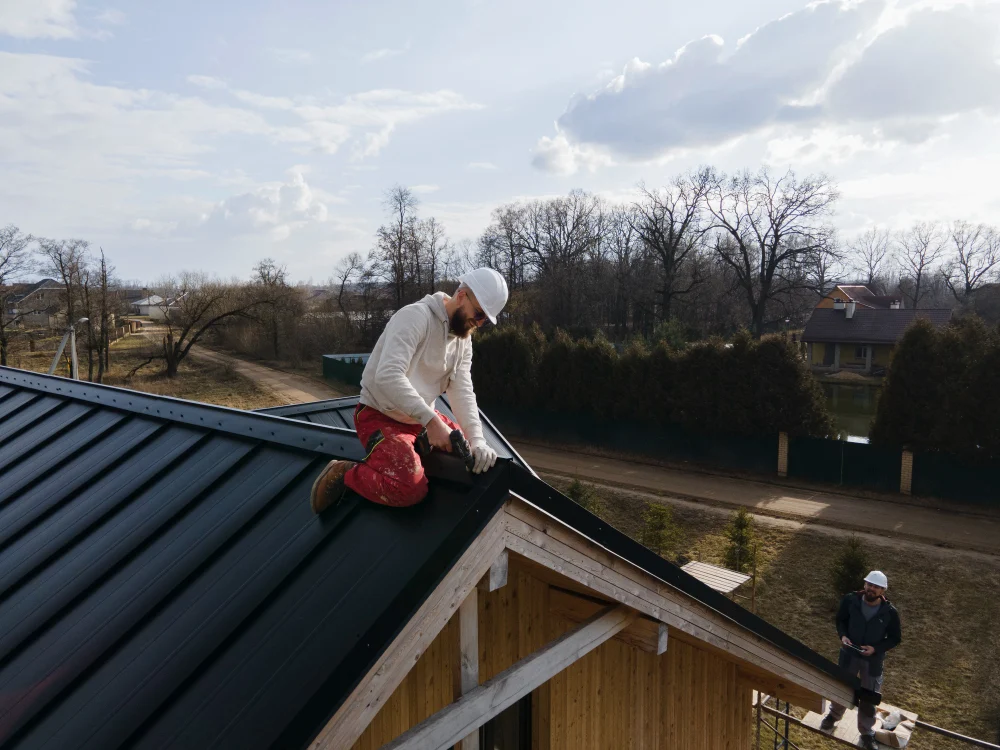
A new roof is one of the most significant capital investments a homeowner will ever make. With national replacement costs currently ranging between $9,500 and $10,000 for standard projects—and premium material upgrades easily pushing that figure beyond $30,000—the decision-making process requires more than a simple handshake or a low-bid quote.
In an industry where fly-by-night operators often emerge following severe weather events, the importance of thorough vetting cannot be overstated. This guide provides a comprehensive framework for homeowners to evaluate roofing professionals, ensuring that your investment is protected by legal compliance, robust insurance, and professional craftsmanship.
The Landscape of Roofing Regulation: Navigating Ohio’s Requirements
To understand why careful selection is critical, one must first look at the regulatory environment. Unlike states with centralized oversight, Ohio does not issue a statewide roofing license. Instead, oversight is decentralized, falling to local municipalities and counties. This creates a regulatory "gap" that places the burden of due diligence squarely on the homeowner.
The Impact of House Bill 614
As of January 1, 2026, the landscape for home improvement in Ohio shifted significantly with the implementation of House Bill 614. This legislation introduced a statewide Home Improvement Contractor Registration rule. Under this mandate, any contractor performing residential work must carry proof of a $500,000 general liability policy and must have successfully passed a background check.
For homeowners, this serves as a baseline filter. If a contractor is unaware of or fails to comply with the registration requirements of House Bill 614, it is an immediate red flag that they are either operating outside the law or lack the professional infrastructure necessary for a project of this magnitude.
Chronology of a Successful Roofing Project
Understanding the lifecycle of a roofing project helps homeowners identify where things can go wrong—and how to prevent those issues before they start.
- The Vetting Phase: Before any contract is signed, you must verify the contractor’s credentials. This includes checking local Stark County registration and confirming current insurance certificates.
- The Estimate and Scope: A professional contractor will provide a detailed, itemized breakdown. This is not just about price; it is about defining the scope of work, including tear-off, disposal, underlayment, and flashing details.
- The Contractual Agreement: This is the most critical juncture. Never proceed with a verbal agreement. All warranties—both labor and material—must be documented.
- The Execution Phase: Once work begins, the focus shifts to site safety and property protection. This includes daily cleanup, debris management, and emergency protocols for weather events.
- Final Inspection and Payment: Never pay in full upfront. A standard payment schedule usually involves a deposit, a mid-project milestone payment, and a final balance due only after a satisfactory inspection.
Supporting Data: Material Costs and Longevity
Selecting the right material is a balance between aesthetic preference, budget, and the harsh realities of the Northeast Ohio climate. The following table provides a breakdown of common roofing materials and their expected lifespans, based on current industry data.
| Material | Cost per Sq. Foot | Expected Lifespan |
|---|---|---|
| Asphalt Shingles | $1.00 – $1.20 | 10 – 20 Years |
| Synthetic Shingles | $5.00 – $12.00 | 25 – 50 Years |
| Wood Shingles | $6.00 – $15.00 | 30 – 50 Years |
| Metal Shingles | $6.00 – $16.00 | 50 – 75 Years |
| Clay Tiles | $10.00 – $20.00 | 50 – 100 Years |
| Concrete Tiles | $10.00 – $20.00 | 50 – 100 Years |
| Slate | $10.00 – $30.00 | 125 – 200 Years |
Note: In Canton, specifically, homeowners must consider the freeze-thaw cycles that characterize local winters. Materials that perform well in temperate climates may suffer premature failure in Ohio if they are not rated for heavy snow loads and ice damming.
Critical Inquiries: The Contractor Interview
When meeting with a potential roofing contractor in Canton, do not hesitate to ask pointed, difficult questions. A reputable professional will welcome these inquiries as a sign of an informed client.
Licensing and Liability
- Are you registered to work in Stark County? Proof of registration should be requested and cross-referenced with county databases.
- What is your general liability coverage? Industry standards dictate at least $1 million in coverage. Do not accept a copy; ask for the certificate to be sent directly from the insurance provider.
- Do you carry workers’ compensation? In Ohio, if a worker is injured on your property and the contractor lacks proper coverage, you could be held legally and financially liable.
Cost Breakdown and Transparency
- What is the itemized cost structure? Avoid contractors who provide a single, vague number. You need to see the costs for tear-off, decking repairs, flashing, ventilation, and waste disposal.
- How are unexpected repairs handled? Issues such as wood rot are often hidden until the shingles are removed. Agree upon a "per-sheet" repair price in the contract before work begins to avoid mid-project price hikes.
Warranty and Long-Term Security
- Who handles the warranty? Understand the difference between manufacturer warranties (materials) and workmanship warranties (labor). Ask who will be your point of contact for a claim five years down the road.
Implications of Poor Contracting
Choosing the wrong contractor is not merely a financial inconvenience; it carries long-term implications for the structural integrity of your home.

The "Vanishing Act" Scam: Following severe weather, itinerant contractors often target neighborhoods, collecting deposits and vanishing before the job is completed. By confirming local physical addresses and requesting references for recent local projects, you insulate yourself from these scams.
Hidden Damage: Improperly installed underlayment or inadequate ventilation can lead to mold growth and structural decay that may not manifest for years. By the time a leak is visible, the contractor may be out of business, leaving the homeowner to foot the entire bill for a premature replacement.
Expert Take: The True Cost of "Saving" Money
There is a natural human tendency to focus exclusively on the bottom line. However, in the roofing industry, the "cheapest" quote is rarely the most economical choice over time. A $2,000 savings today can easily transform into a $15,000 repair bill in year six due to subpar materials or an untrained crew.
My advice to any homeowner is to prioritize value over the lowest bid. A registered, insured, and communicative contractor provides peace of mind that cannot be quantified in a spreadsheet. Before you sign any document, read the contract in its entirety. If a contractor gets defensive when asked about their insurance certificates, background checks, or material warranties, walk away. Your home is your most valuable asset—treat the selection of your roofing contractor with the gravity it deserves.
Frequently Asked Questions
Does Ohio have a state-level roofing license?
No. Ohio relies on local municipal and county governments to set their own registration requirements. Always verify with the city of Canton and Stark County authorities.
What is the primary indicator of a reputable contractor?
Transparency. A reputable contractor will have a clear, written process for every stage of the project, from the initial estimate to the final debris cleanup. They will be happy to provide references and proof of insurance without hesitation.
What should I do if a contractor asks for full payment upfront?
Refuse. This is a significant red flag. A standard industry practice involves a deposit, a milestone payment mid-project, and a final payment only upon the successful completion of the work and a walkthrough inspection.
How do I handle unexpected findings during the job?
Ensure your contract includes a pre-negotiated rate for common surprises, such as rotted plywood or damaged rafters. This prevents the contractor from dictating prices while your roof is exposed to the elements.
What is the biggest mistake homeowners make?
The biggest mistake is failing to document verbal promises. If it isn’t in the contract—including the cleanup of nails, the type of materials used, and the length of the workmanship warranty—it effectively does not exist. Always ensure the final contract is comprehensive.