London, UK – [Date of publication] – Color, that vibrant and captivating attribute, reigns supreme in the world of gemstones. It is often the primary driver of a gem’s value, its allure, and the deep-seated desire it ignites in collectors and connoisseurs alike. Yet, not all colors are created equal. Some mineral hues are exceptionally rare, commanding unparalleled prestige and fetching astronomical prices. Gem-A Gemmology Tutor, Pat Daly, delves into the intricate and nuanced realm of gemstone color, exploring the brilliant reds of rubies, the coveted blues of Kashmir sapphires, the magical color-change of alexandrite, and a spectrum of other fascinating hues that define the precious world of gems.
The Genesis of Brilliance: How Gemstones Capture Light and Color
The perception of color is a sophisticated interplay between light, the gemstone, and the human eye. White light, a composite of all visible colors, interacts with a gemstone, undergoing selective absorption and transmission. The specific way electrons within a gemstone’s atomic structure absorb certain wavelengths of light dictates the color we ultimately perceive. This phenomenon is the bedrock of "body color" in gems, responsible for the iconic red of a ruby or the verdant green of an emerald.
However, color in gemstones can also arise from more complex optical phenomena. In some instances, thin layers of different materials within a gem, such as those found in labradorite, can create dazzling iridescence. Similarly, the nanometer-scale ordered structures within opals diffract light, producing a mesmerizing "play-of-color" that shifts and dances with every movement. These effects, distinct from body color, add another layer of complexity and beauty to the gemstone palette.
While individual color perception can vary, there’s a remarkable consensus within the gemological community regarding the most desirable and prized colors. These preferences, honed over centuries of appreciation, often transcend fleeting trends, cementing the status of certain hues as eternally valuable.
A Palette of Rarity and Prestige: The Most Coveted Gemstone Hues
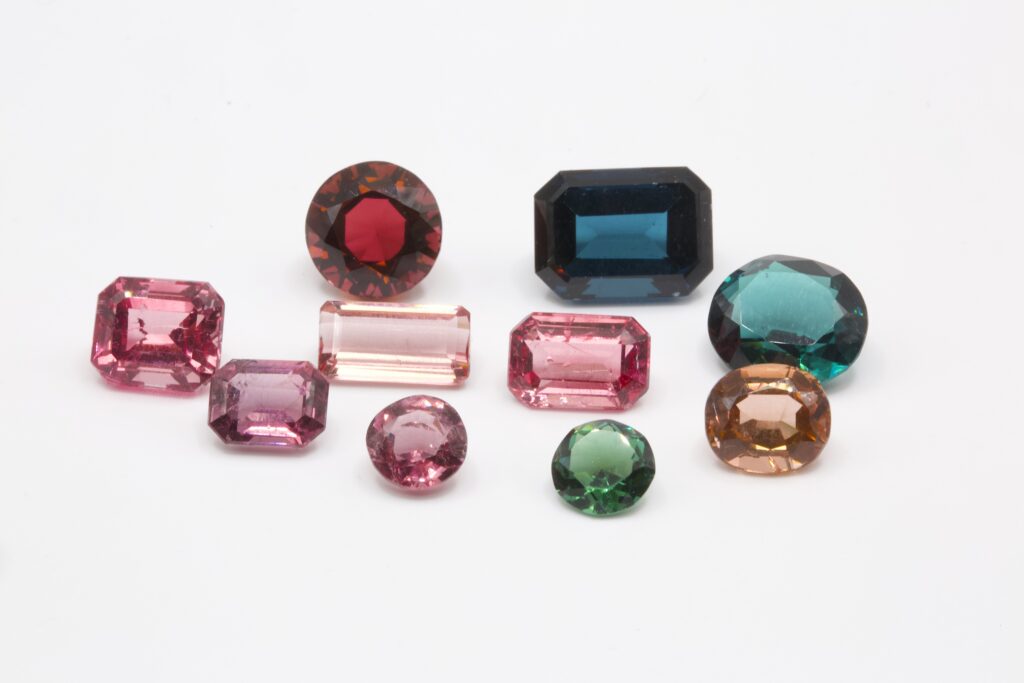
The quest for the most brilliant and sought-after colors in gemstones leads us to a curated selection of precious stones, each with its unique story and scientific explanation for its desirability.
The Fiery Heart: Unrivaled Reds in Ruby and Spinel
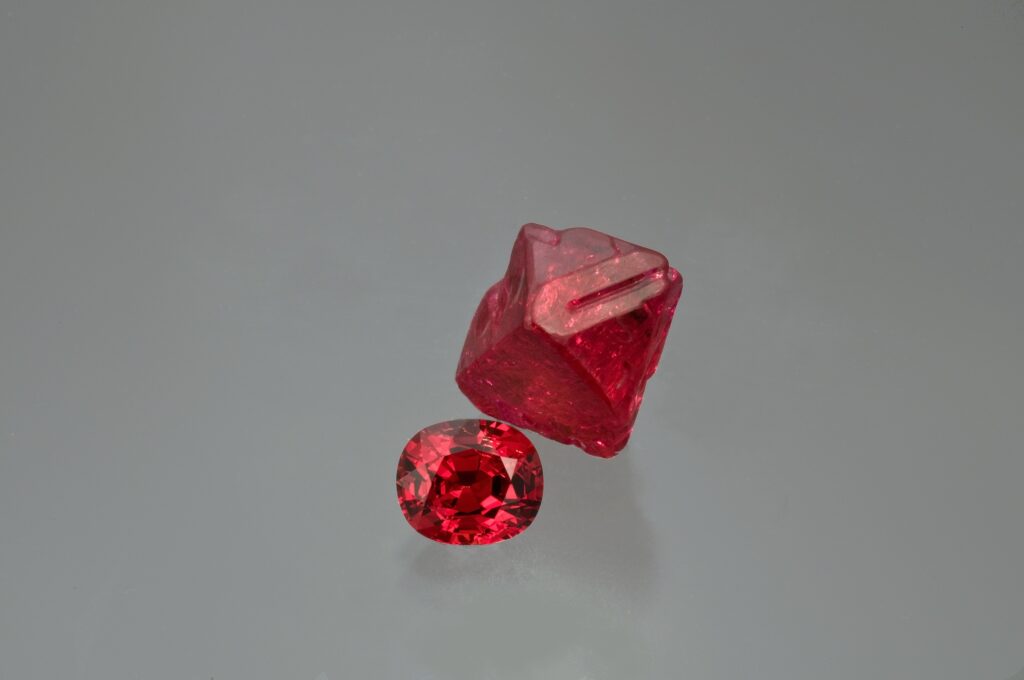
The most intense and captivating reds in the gemstone world are often found in fine rubies and red spinels. Their brilliance is not solely a product of selective light absorption; it is amplified by a phenomenon known as fluorescence. In these gems, ultraviolet light, present in daylight, and even violet and blue light, is converted into red light by specific electrons within their atomic structures. This "extra contribution" of red light imbues the finest rubies and spinels with an unparalleled, vivid crimson that seems to glow from within.
Historically, the distinction between ruby and red spinel was not always clear, leading to many famous red gemstones being misidentified. However, modern gemological techniques have clarified these differences. While both are highly prized, fine rubies, particularly those from Myanmar (Burma), often command higher prices due to their rarity and the enduring mystique associated with the "pigeon’s blood" red.
The Enigmatic Blue: The Legend of Kashmir Sapphires
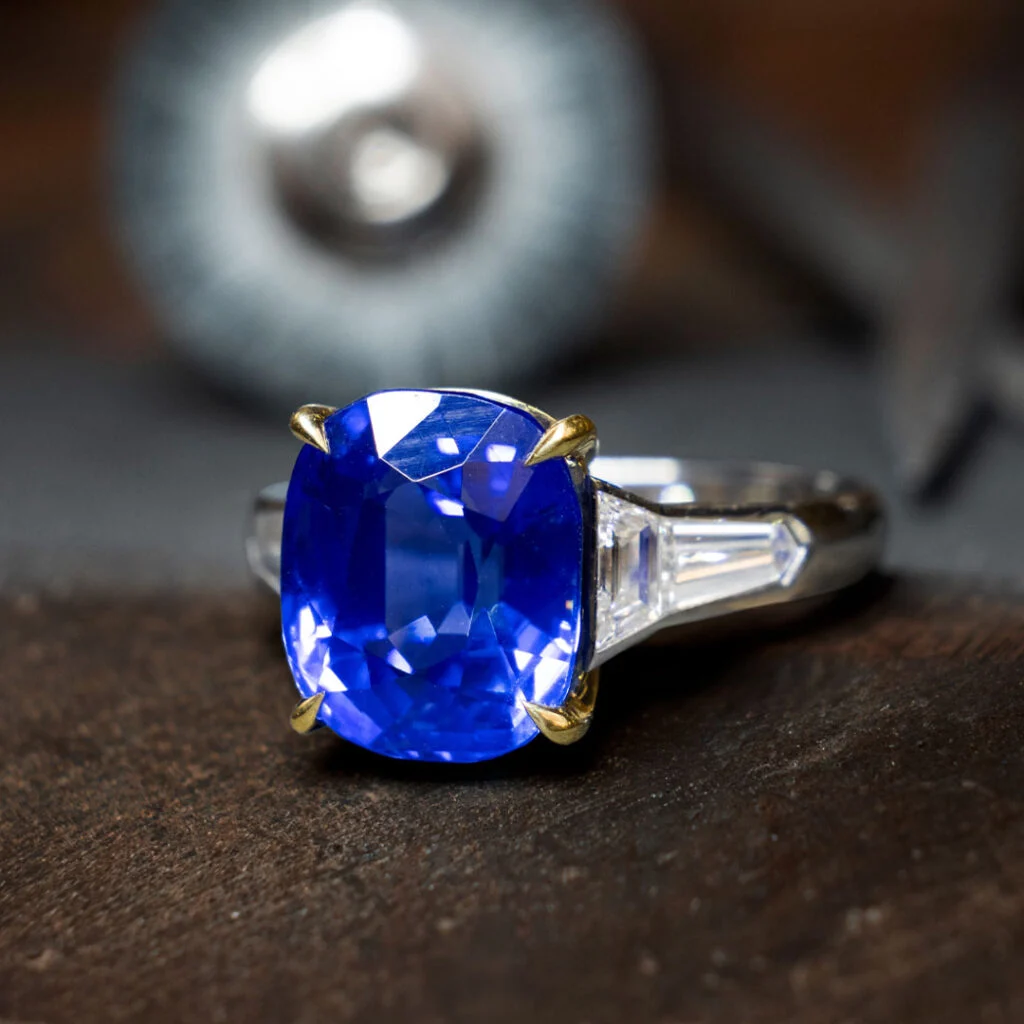
When it comes to the perfect blue, most connoisseurs would bestow the crown upon Kashmir sapphires. These exceptional gemstones, first discovered in the late 19th century, are renowned for their distinctive "velvety" appearance, characterized by a soft, slightly hazy blue that imparts a sense of depth and allure. This unique quality is attributed to microscopic inclusions within the sapphire that scatter light, creating a diffused glow.
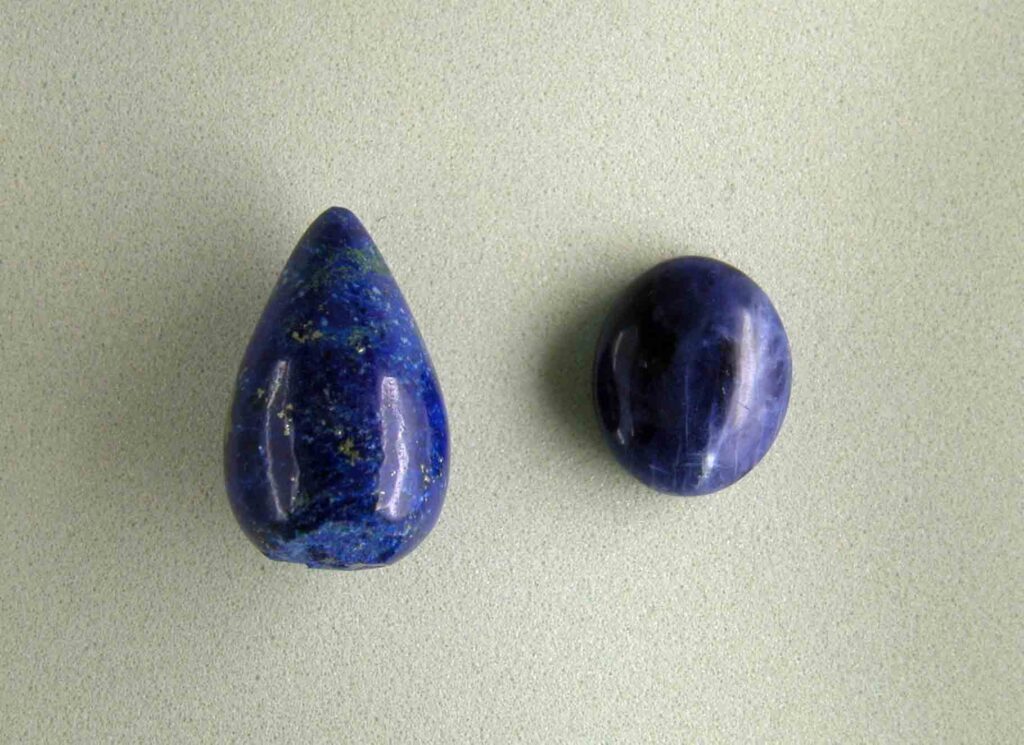
The Kashmir mines were famously prolific for a short period, yielding their treasures for approximately a decade before becoming largely depleted. This limited supply, coupled with their enduring desirability and the ever-expanding global market for colored gemstones, has cemented their status as among the most coveted of all colored stones. While sapphires from other localities, notably Madagascar, can rival Kashmir stones in color intensity, the finest examples from the original Kashmir deposits remain the benchmark for blue sapphire perfection.
The Alchemy of Color: Chromium’s Dominance
The element chromium plays a pivotal role in imparting vibrant colors to a surprising array of gemstones. As mentioned, it is responsible for the sensational reds of ruby and spinel, where it substitutes for aluminum in the crystal lattice. However, chromium’s versatility extends to producing brilliant greens as well.
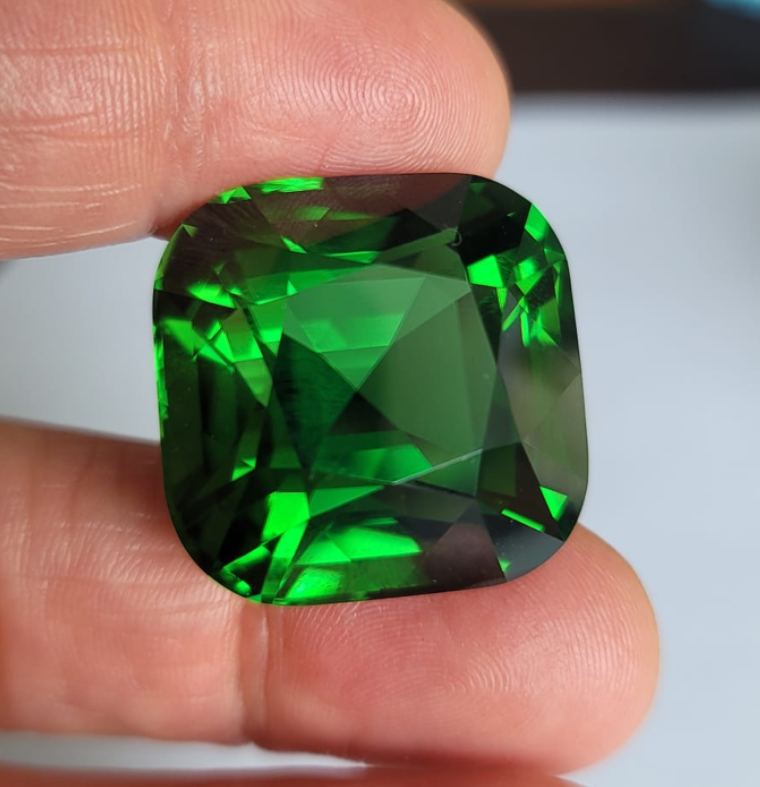
Emeralds, the archetypal green gemstone, owe their rich, verdant hue to trace amounts of chromium and vanadium. Similarly, demantoid garnets, particularly those from Russia, exhibit a vibrant green color due to chromium. Another prized green gemstone colored by chromium is tourmaline, especially the highly sought-after "chrome tourmaline."
The value of chromium-colored green gemstones is often linked to their intensity and clarity. Fine emeralds, especially those with a vibrant, saturated green and good transparency, are exceptionally rare and command premium prices. Jadeite, another esteemed green gemstone, also benefits from chromium for its coloration, with imperial jadeite being the pinnacle of desirability.
The Chameleon Gem: Alexandrite’s Magical Transformation
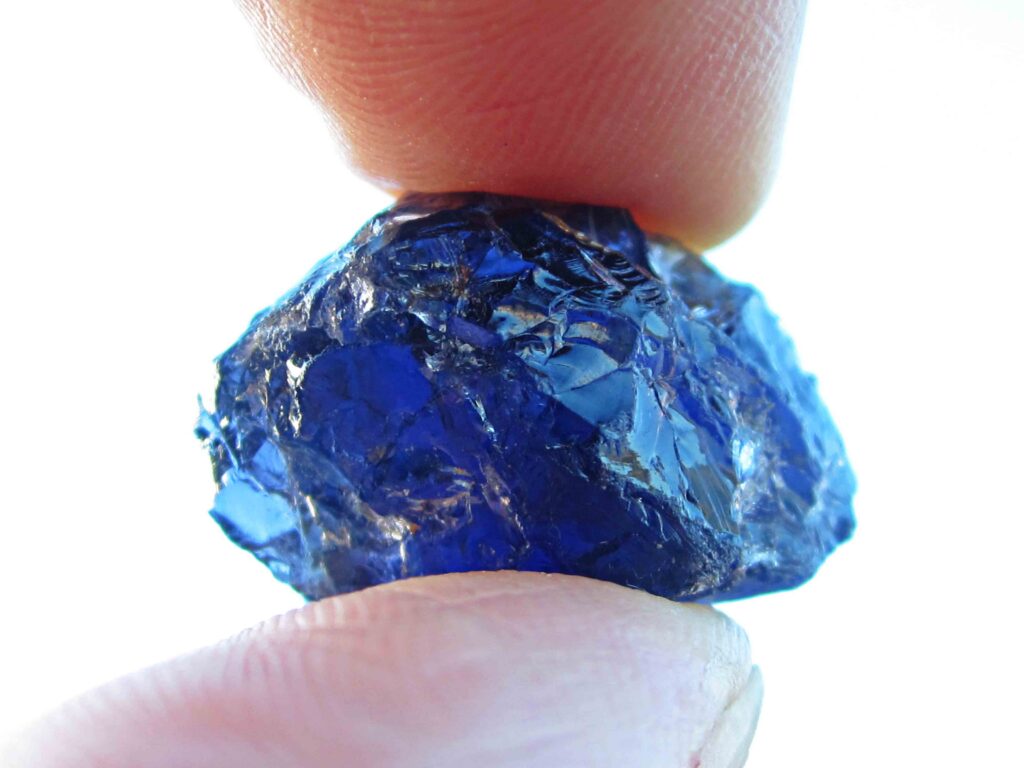
Chromium is also the architect of a more enigmatic color phenomenon: color change, famously displayed by alexandrite. This variety of chrysoberyl exhibits a remarkable ability to shift its hue depending on the light source. In daylight or fluorescent light, it typically appears a vivid green, while under incandescent light, it transforms into a captivating red or purplish-red.
This dramatic color-change effect, while not always producing the same intensity of color as ruby or emerald, has fascinated gem collectors and buyers since alexandrite’s discovery. The rarity of significant color change, coupled with the inherent beauty of chrysoberyl, makes alexandrite a highly prized and sought-after gemstone.
The Mystical Play of Light: Opal’s Kaleidoscope
While most gemstones derive their color from the absorption of light, opals present a different, yet equally mesmerizing, spectacle. The body colors of opals range from white to black, but it is their "play-of-color" that truly sets them apart. This phenomenon arises from the diffraction of light by microscopic, regularly arranged spheres of silica within the opal’s structure. As the angle of observation or illumination changes, different wavelengths of light are diffracted, creating a dazzling and ever-shifting rainbow of hues.
The size and arrangement of these silica spheres dictate the colors displayed and their intensity. The finest precious opals exhibit a vibrant spectrum of colors, with large, distinct flashes and a wide range of hues, creating an almost hypnotic visual experience.
Beyond the Obvious: Exploring Lesser-Known Color Phenomena
The world of gemstone color extends beyond the well-known phenomena of body color and diffraction. Two other intriguing effects, tenebrescence and pleochroism, add further layers of wonder.
Tenebrescence: The Stone That Responds to Light
Tenebrescence is a rare optical phenomenon where a gemstone’s color changes or intensifies upon exposure to ultraviolet (UV) radiation. The most dramatic example of this is hackmanite, a variety of sodalite. Hackmanite can transform from a pale pinkish hue to a deep purple when exposed to UV light, and conversely, its color fades when brought back into normal light.
This dynamic color transformation makes hackmanite a unique and intriguing gemstone. The rate at which the color darkens and fades can vary, with the best examples showing a noticeable change even when held in direct sunlight. This ability to visibly react to light has captivated collectors and gem enthusiasts, offering a unique interactive element to the gemstone experience.
Pleochroism: A Gem’s Multiple Personalities
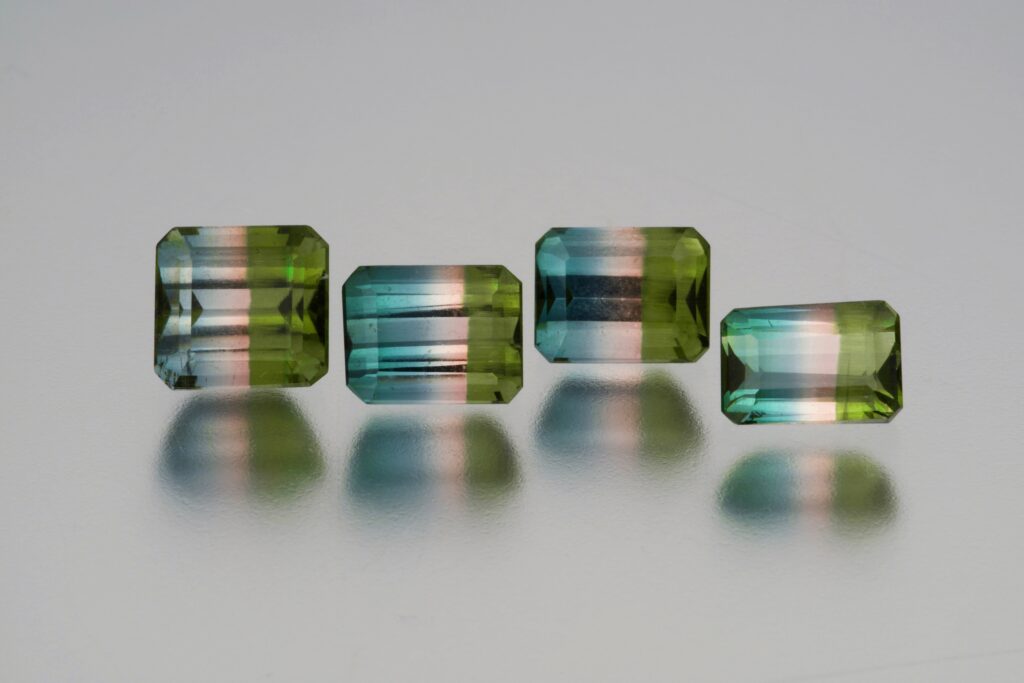
Pleochroism is the property of a mineral that causes it to absorb light differently when viewed from different directions. This can result in a gemstone displaying two or even three distinct colors, depending on the angle of observation.
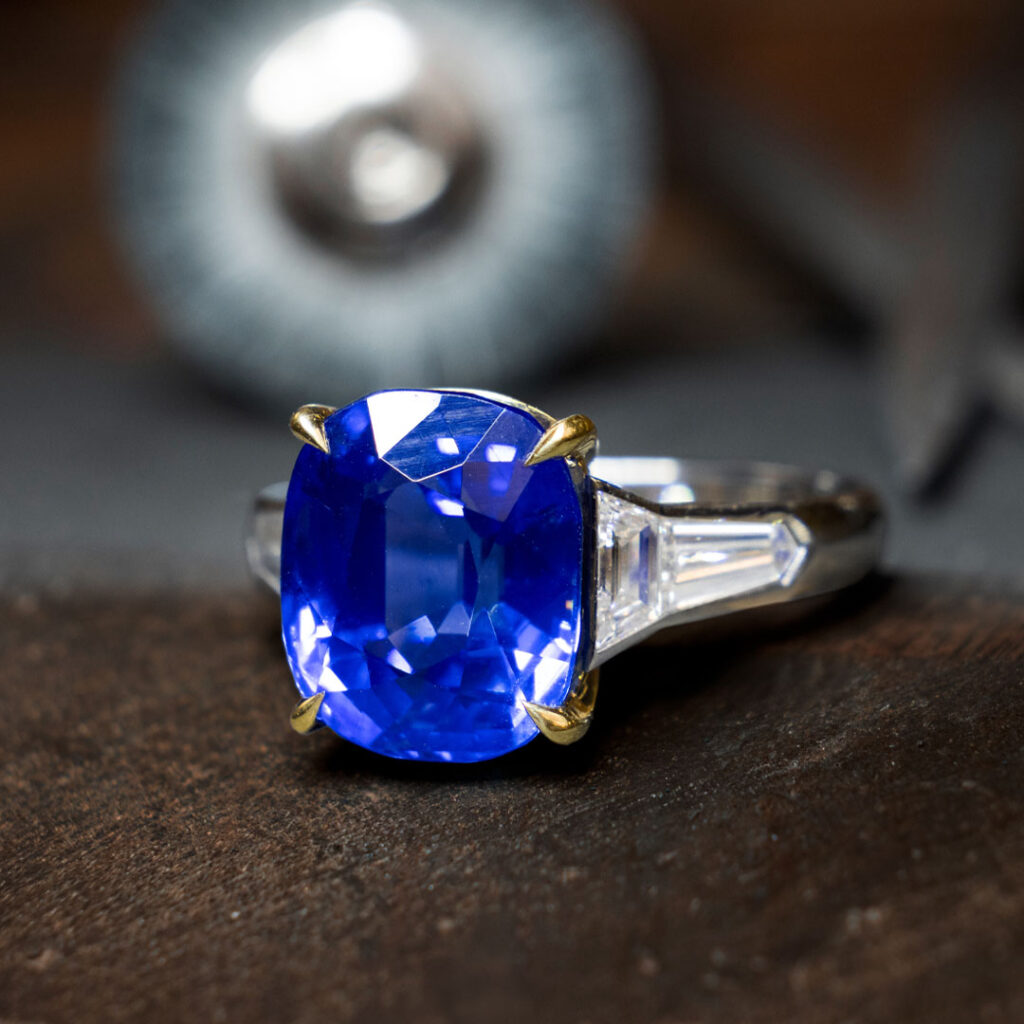
Iolite, for example, is famously pleochroic, often exhibiting shades of blue, violet, and yellowish-grey. This property can be utilized by lapidaries to enhance the blue color by orienting the gem to display its most desirable hue. While not always as dramatic as the color change of alexandrite, pleochroism adds a subtle yet fascinating dimension to the visual appeal of certain gemstones.
The Rarity Factor: When Color Becomes Priceless
The value of a gemstone is inextricably linked to the rarity of its color, especially when that color is of exceptional quality and intensity.
The Allure of Fancy Diamonds
While colorless diamonds are highly prized for their brilliance and fire, "fancy" colored diamonds, those exhibiting a distinct body color, are exceedingly rare and command astronomical prices. The intensity and purity of the color are paramount. Bright yellow, green, blue, and pink diamonds are scarce, but red and purple diamonds are the rarest of all, appearing in the jewelry trade only occasionally. The sale of the 1.52-carat Argyle Phoenix red diamond for $4.2 million underscores the immense value placed on these extraordinary gems.
Paraiba Tourmaline: The Electric Blue Phenomenon
In the late 1980s, the gemstone world was electrified by the discovery of Paraiba tourmalines in Brazil. These tourmalines, colored by copper, display an unparalleled electric blue and greenish-blue hue that had never been seen before. Their vibrant, almost neon, appearance captured the imagination of collectors and designers alike, and their rarity has ensured their continued high value. While similar tourmalines have since been found in other locations, the original Brazilian Paraiba tourmalines remain the most coveted.
Tsavorite Garnets and Padparadscha Sapphires: Shades of Distinction
Beyond the widely recognized colored gems, there are other hues that hold significant value due to their rarity and beauty. Bright green tsavorite garnets, known for their vibrant emerald-like color, are highly prized. Similarly, padparadscha sapphires, a rare blend of pink and orange, are exceptionally desirable, their name evoking the delicate color of a lotus blossom at sunset.
The Art of Fashioning: Enhancing Natural Beauty
While the intrinsic color of a gemstone is paramount, the skill of the lapidary plays a crucial role in maximizing its visual appeal. Careful cutting and polishing can enhance a gem’s brilliance, saturation, and even its perceived hue. For stones with pleochroism, like iolite, precise faceting can orient the gem to showcase its most desirable color.
Furthermore, the setting of a gemstone within jewelry can also influence its appearance. Well-designed jewelry frames the gem, allowing light to interact with it optimally and drawing attention to its unique color characteristics. This symbiotic relationship between the gem and its setting is essential in appreciating the full beauty of these natural treasures.
A World of Color: Beyond the Pinnacle of Rarity
While the most prized gemstones are often defined by their extreme rarity and exceptional quality, the world of colored gemstones offers a vast and accessible spectrum of beauty. Amethysts, with their rich purple hues, kyanite’s striking blue, and apatite’s appealing blue-to-green tones are all examples of beautiful and more affordable gemstones that can rival the colors of their more famous counterparts.
The true beauty of gemstones lies not only in their rarity and intrinsic value but also in their ability to evoke emotion and inspire wonder. Whether one possesses a flawless Kashmir sapphire or a vibrant amethyst, the captivating power of color remains a constant, reminding us of the extraordinary artistry of nature and the enduring human appreciation for its dazzling creations. As Pat Daly eloquently illustrates, the spectrum of desire in gemstones is as vast and varied as the colors themselves, offering a universe of beauty waiting to be discovered.