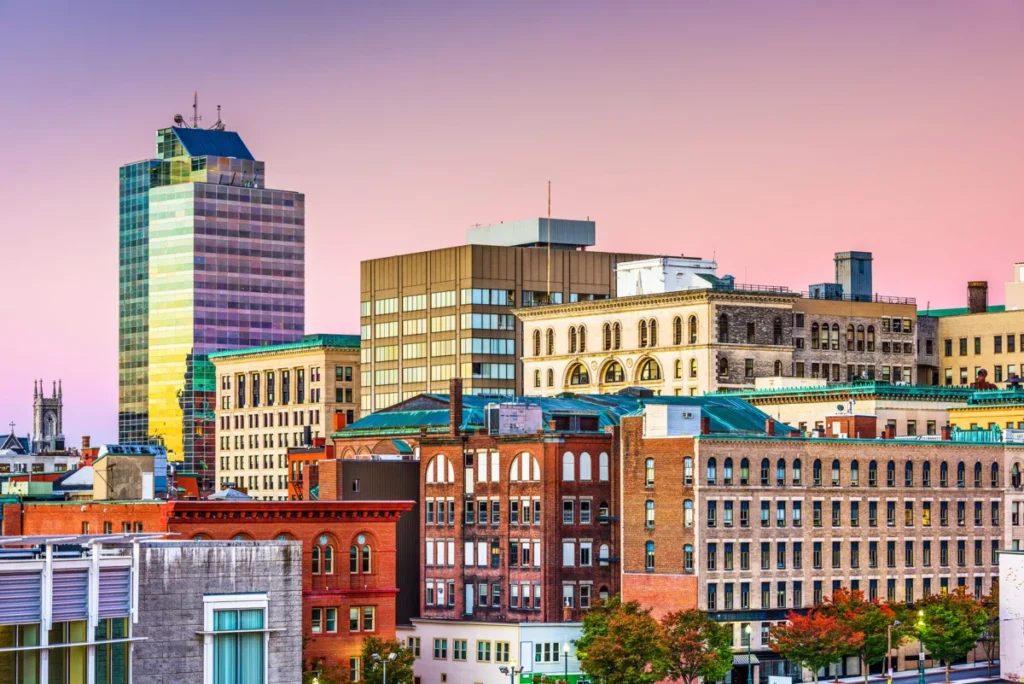
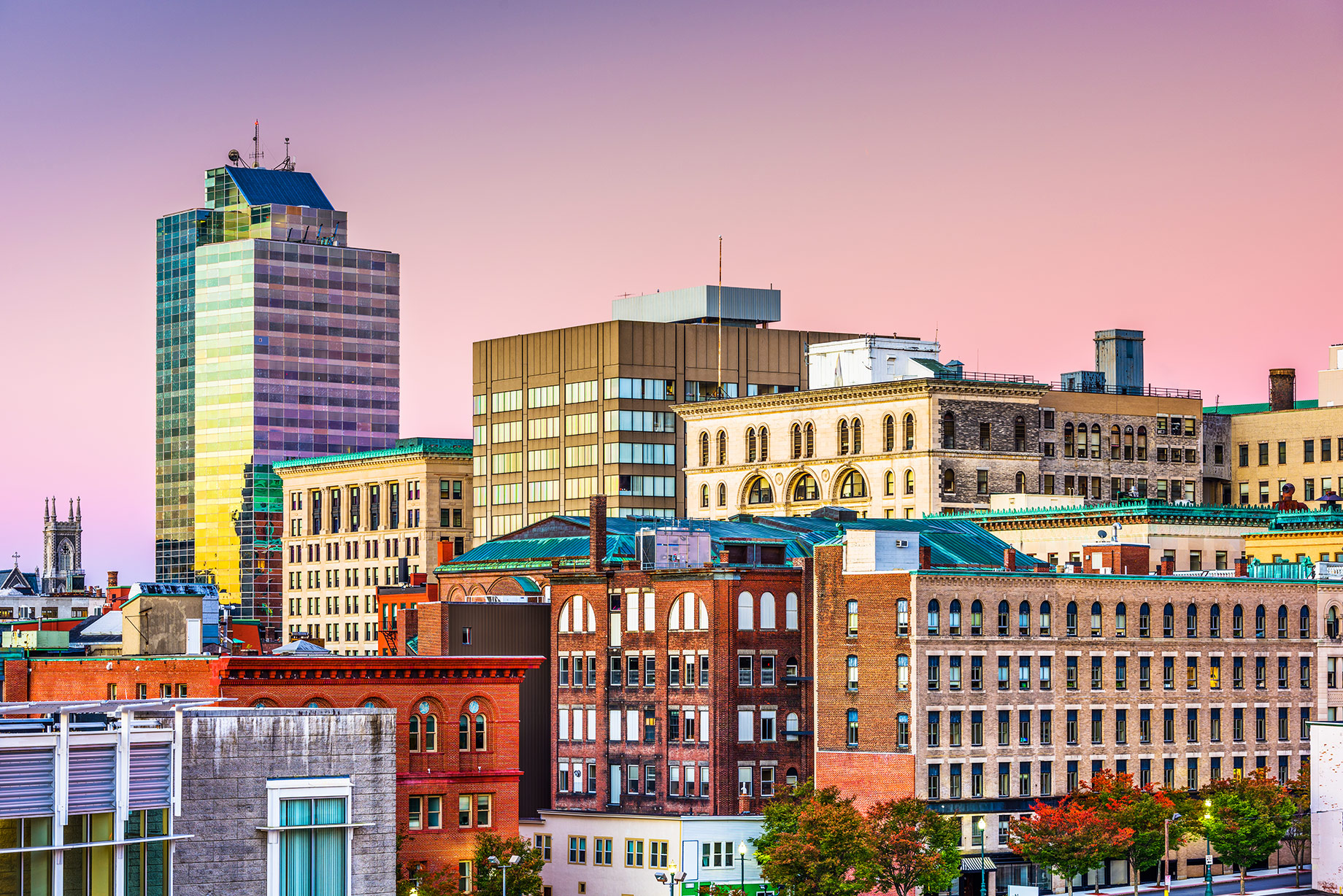
For those considering a relocation to Worcester, Massachusetts—New England’s second-largest city—the decision-making process often narrows down to a fundamental geographical dichotomy: the leafy, serene expanse of the West Side or the vibrant, rapidly evolving concrete landscape of Downtown. As the "Heart of the Commonwealth" continues to undergo a renaissance, the choice between these two distinct environments is more than a matter of logistics; it is a choice about the lifestyle you wish to cultivate.
Understanding the nuances of these neighborhoods is essential. While the West Side offers a retreat into history and greenery, Downtown represents the city’s ambition and forward momentum. This guide explores the historical context, current realities, and practical implications of choosing your next home in Worcester.
The Evolution of Worcester: A Chronology of Change
To understand the current real estate landscape, one must look at the city’s trajectory. Worcester has spent the better part of the last century pivoting from a manufacturing powerhouse to a hub of education, healthcare, and biotech.
- 19th and Early 20th Century: The West Side was established as the premier residential enclave for the city’s industrial elite. The development of Elm Park—the nation’s first public park—set the tone for the area, prioritizing sprawling Victorian homes and proximity to nature.
- Late 20th Century: As suburbanization trends hit, Downtown Worcester faced the challenges common to many mid-sized American cities: retail flight and a decline in pedestrian density.
- 2015–Present: The "Worcester Renaissance" began in earnest. The city secured the relocation of the Pawtucket Red Sox (now the Worcester Red Sox) to the newly constructed Polar Park. This catalyst triggered a wave of private and public investment, leading to the renovation of historic buildings into luxury lofts and the arrival of a modern culinary scene.
Living on the West Side: Suburban Tranquility Within City Limits
The West Side is defined by a sense of permanence and architectural grandeur. Neighborhoods such as Salisbury Street, Tatnuck Square, and the corridors surrounding Elm Park serve as the city’s "leafy" heart.
The Residential Character
Living on the West Side is largely defined by space. Here, you find historic single-family homes, colonial revivals, and multi-bedroom apartments that offer a distinct separation from the daily hustle. The pace of life is markedly slower, favored by families who want access to top-tier school districts and young professionals who prioritize a home office over a nightlife scene.
Key Advantages
- Green Spaces: Proximity to Elm Park provides residents with 60 acres of rolling hills, bridges, and walking trails. It is the lungs of the city.
- Architectural Heritage: Many properties in this area date back to the late 1800s and early 1900s, featuring period details like crown molding, hardwood floors, and stained glass that are rare in new construction.
- Community Stability: The West Side boasts a higher percentage of long-term homeowners, which contributes to a tight-knit neighborhood feel where "knowing your neighbor" is the norm.
Living in Downtown: The Urban Pulse
In contrast, Downtown Worcester has transformed from a place where people worked from 9 to 5 into a 24/7 destination. The area has become a focal point for those who want the "Big City" experience—walkability, public transit access, and instant connectivity to culture.
The Urban Experience
Downtown living is characterized by high-density developments, adaptive reuse projects that turn old textile mills into chic lofts, and an ever-growing list of bars, gastropubs, and coffee shops. This is where the city’s nightlife and professional networks collide.
Key Advantages
- Unmatched Walkability: Downtown residents can frequently live without a car, accessing grocery stores, entertainment, and employment hubs within a ten-minute walk.
- The Polar Park Effect: The stadium isn’t just for baseball; it has created a "stadium district" that hosts concerts, festivals, and year-round events, making the neighborhood feel alive even on non-game days.
- Modern Amenities: Unlike the historic West Side, Downtown apartments often come with "new build" perks: fitness centers, roof decks, controlled security access, and high-speed fiber internet infrastructure.
Supporting Data: The Economic and Lifestyle Divide
When analyzing the "West Side vs. Downtown" debate, data regarding cost-of-living and demographic shifts tells a compelling story.
Rental and Purchase Trends
- West Side: Generally features a higher entry price for homeownership. The scarcity of inventory, combined with the high demand for single-family housing, creates a competitive market for buyers. Renting here often involves finding units in two- or three-decker homes, which offer more square footage per dollar than Downtown.
- Downtown: The market is dominated by professional property management firms. While the square footage per dollar may be lower, the inclusive nature of the rent—often covering water, trash, and amenities—makes budgeting simpler for young professionals.
Infrastructure and Access
Downtown benefits from the presence of Union Station, a vital transit hub connecting residents to Boston via the MBTA Commuter Rail. For those who commute to the Greater Boston area, Downtown is the only logical choice. Conversely, the West Side is better positioned for those who rely on personal vehicles and need easy access to I-290 or the Massachusetts Turnpike to bypass city traffic.
Official Perspectives and Expert Insight
Local urban planners often emphasize that both areas are necessary for the city’s health. According to city planning reports, the growth of Downtown has relieved the pressure on residential neighborhoods, allowing the West Side to maintain its historic charm while the urban core absorbs the influx of new residents.
"Worcester is a ‘Goldilocks’ city," says a local real estate analyst. "It isn’t too big that you get lost, and it isn’t too small that you get bored. The West Side provides the ‘home’ base, while Downtown provides the ‘stage.’ The secret to a happy move is identifying whether you need a place to recharge or a place to participate."
Practical Implications for Your Transition
Choosing your neighborhood is only the first step. Once the decision is made, the mechanics of the move require careful consideration of the local terrain.
1. The "Trial Run"
Before committing to a 12-month lease, spend a weekend in your prospective neighborhood. Walk the streets at 10:00 PM on a Friday. Check the traffic patterns during the morning rush. If you are looking at the West Side, test the commute; if you are looking at Downtown, check the noise levels of the nearest entertainment venue.
2. Navigating Logistics
Moving in Worcester presents unique challenges. Downtown, you are contending with one-way streets, narrow alleyways, and strict municipal parking regulations. You will likely need to secure permits from the city for a moving truck to block off a parking space—a task best handled by a professional local moving company. On the West Side, the challenge is often the physical structure of the homes. Older buildings may have narrow stairwells or low-hanging tree branches that require experienced movers who know how to navigate the city’s older residential architecture.
3. Parking Strategies
Parking is the #1 point of contention for new residents. In the West Side, parking is usually abundant (driveways or street parking). In Downtown, it is a premium. If your building does not include a dedicated garage spot, research the cost and availability of nearby municipal lots. Never assume that "street parking" will be available for a second vehicle.
Conclusion: Making the Final Call
The choice between Worcester’s West Side and its Downtown is not about one being objectively superior to the other; it is about alignment.
If your life is defined by a need for quiet, space, and a connection to the city’s historic roots, the West Side will provide a sanctuary. If your life is defined by ambition, a desire for social connectivity, and the convenience of a "lock-and-leave" lifestyle, Downtown is the epicenter of your future.
As you prepare to make Worcester your home, remember that you are moving to a city that is currently defining its own identity. Whether you choose the quiet elegance of the West Side or the electric energy of the Downtown core, you are joining a community that values its past while aggressively pursuing its future. Take your time, assess your lifestyle, and make the choice that will allow you to flourish in the Heart of the Commonwealth.