For the modern global traveler, the definition of luxury in Japan has shifted. It is no longer merely defined by thread counts, expansive views, or Michelin-starred dining. Instead, the country’s elite hospitality sector is moving toward "transformative travel"—a trend where the hotel becomes a conduit for deep cultural integration. From the golden, bamboo-inspired facades of Tokyo’s latest fashion-forward pavilions to the microbial secrets of Hokkaido’s fermentation-based wellness retreats, Japan is offering guests a chance to slow down, create, and heal through the lens of traditional craftsmanship and avant-garde innovation.
The Convergence of Haute Couture and Hospitality: The Dior Experience
Main Facts
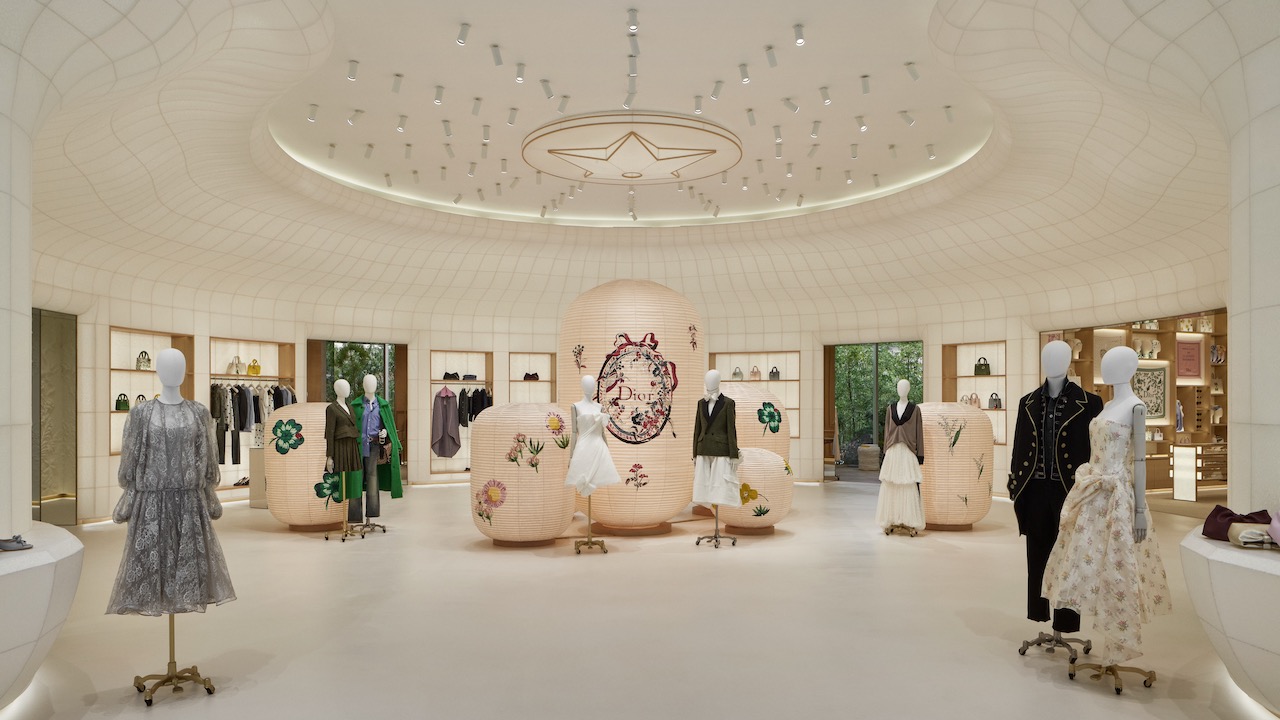
In a landmark collaboration, the Palace Hotel Tokyo—a recipient of the prestigious Michelin Guide Three Keys distinction—has unveiled the “A Touch of Dior” package. This initiative coincides with the launch of the Dior Bamboo Pavilion in the upscale Daikanyama district, a conceptual retail space designed to mirror Christian Dior’s reverence for the natural world.
Chronology and Design Philosophy
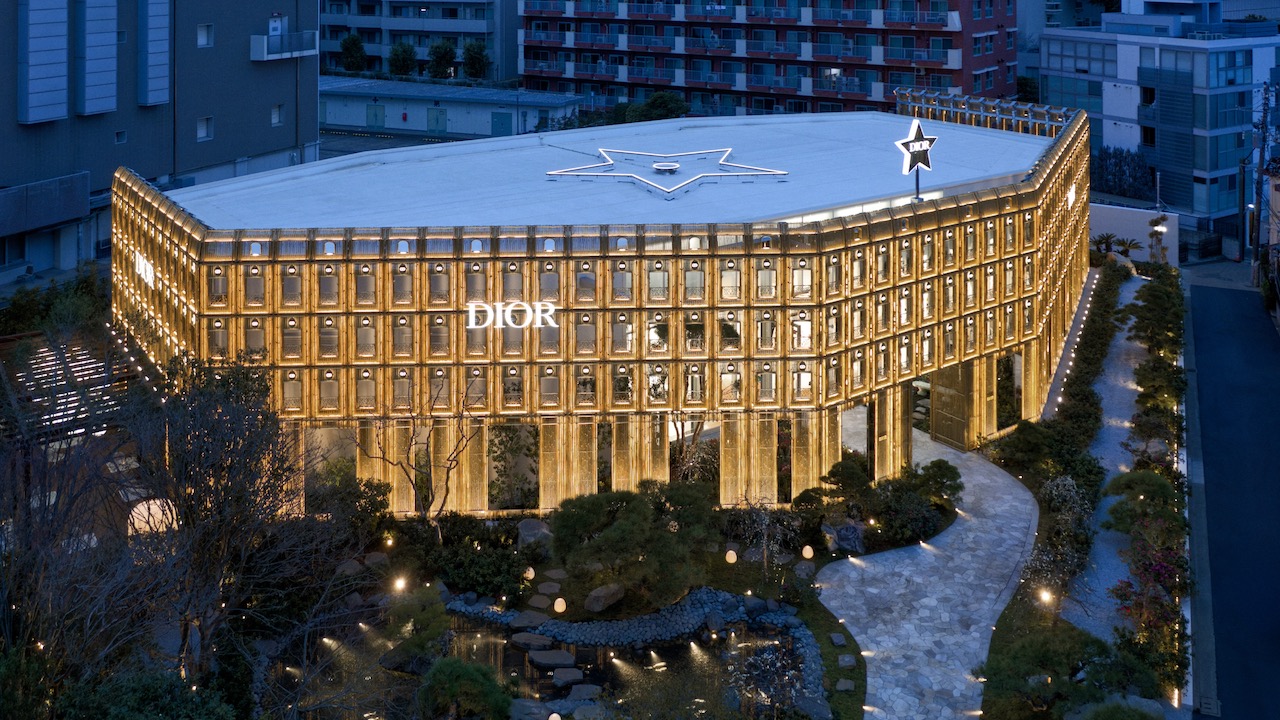
The Pavilion itself is a masterclass in architectural synthesis. Its exterior features a striking golden aluminum facade that mimics the verticality of a Japanese bamboo forest. Designed in consultation with landscape architect Seijun Nishihata, the surrounding gardens provide a tranquil buffer from the bustling Tokyo streets. Inside, the space serves as a gallery for creative director Jonathan Anderson’s latest collections. The partnership between the hotel and the fashion house is strictly limited, with the hotel offering only one such experience per day through March 2027.
Implications of Luxury Partnerships
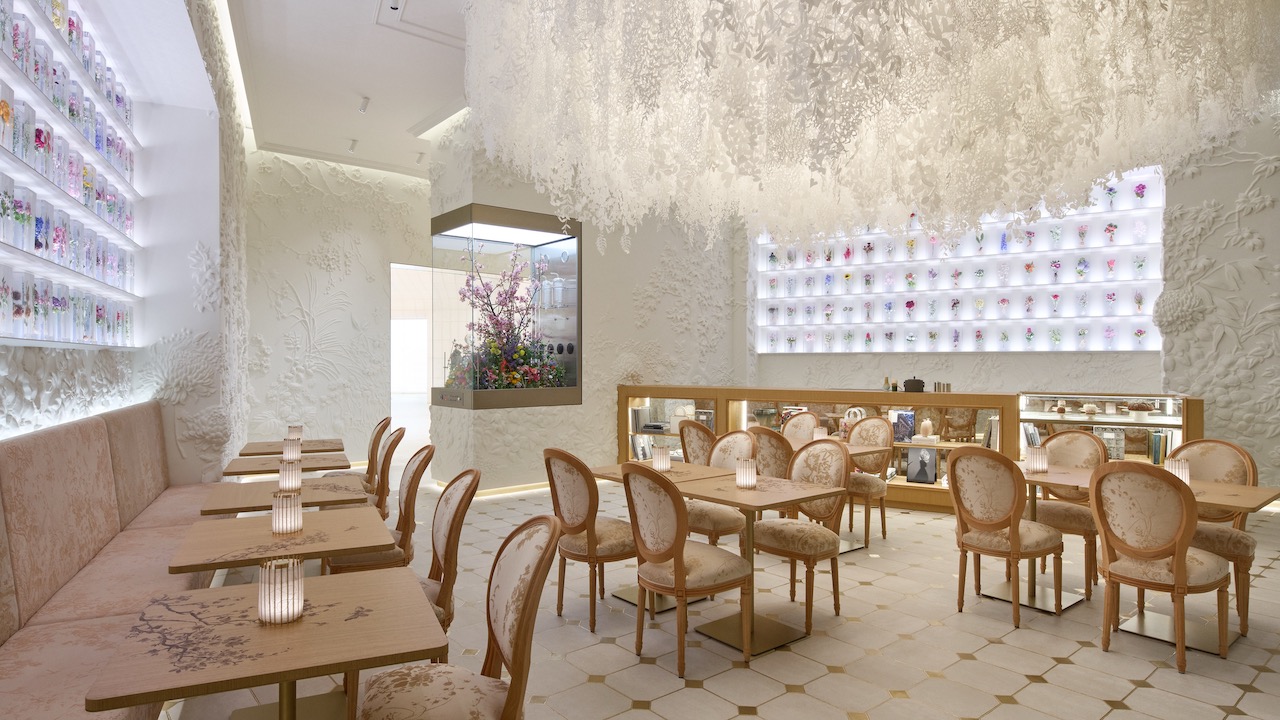
This partnership signals a broader trend: the "lifestyle takeover." By providing guests with private transfers, a meal at the pavilion’s Café Dior curated by the legendary French chef Anne-Sophie Pic, and in-room amenities like Miss Dior-inspired floral arrangements and bespoke chocolates, the Palace Hotel is moving beyond the role of a shelter. It is acting as a curator of a singular aesthetic experience, turning a shopping trip into a comprehensive, high-fashion pilgrimage.
Otaru Retreat and the Philosophy of Kamosu
The Science of Restoration
In the Asarigawa Onsen district of Hokkaido, the Otaru Retreat by Onko Chishin is exploring a different facet of Japanese heritage: the biological art of fermentation, or kamosu. Since its reopening in February 2026, the 19-room property has positioned itself at the vanguard of "slow restoration."
Supporting Data and Wellness Methodology
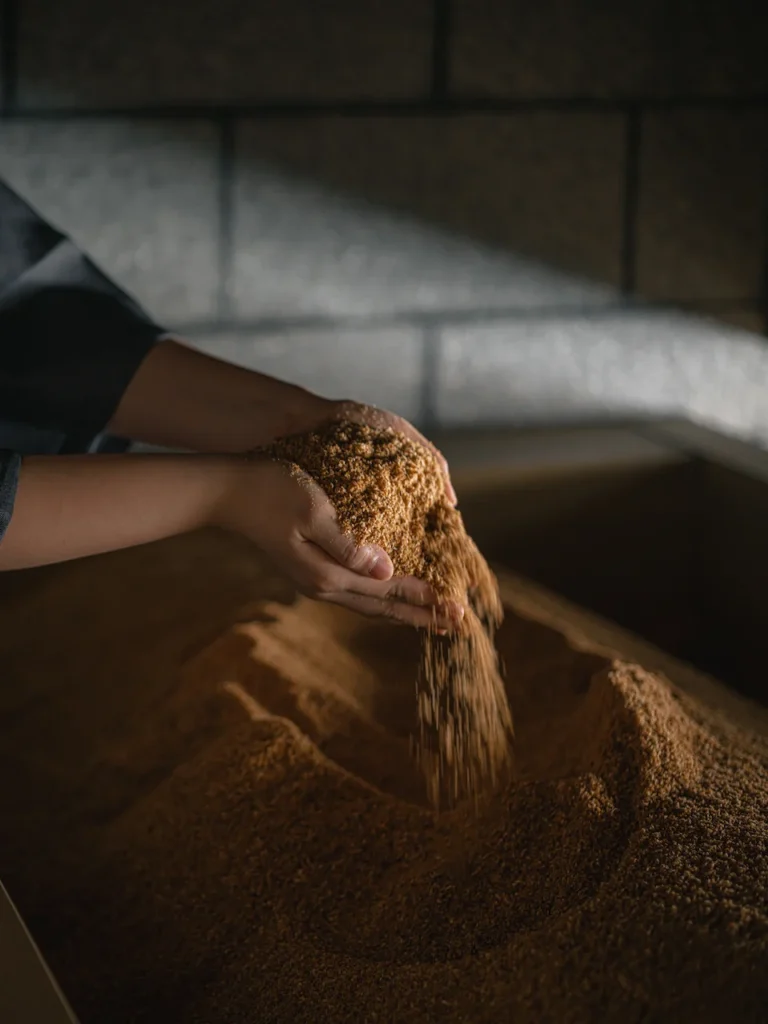
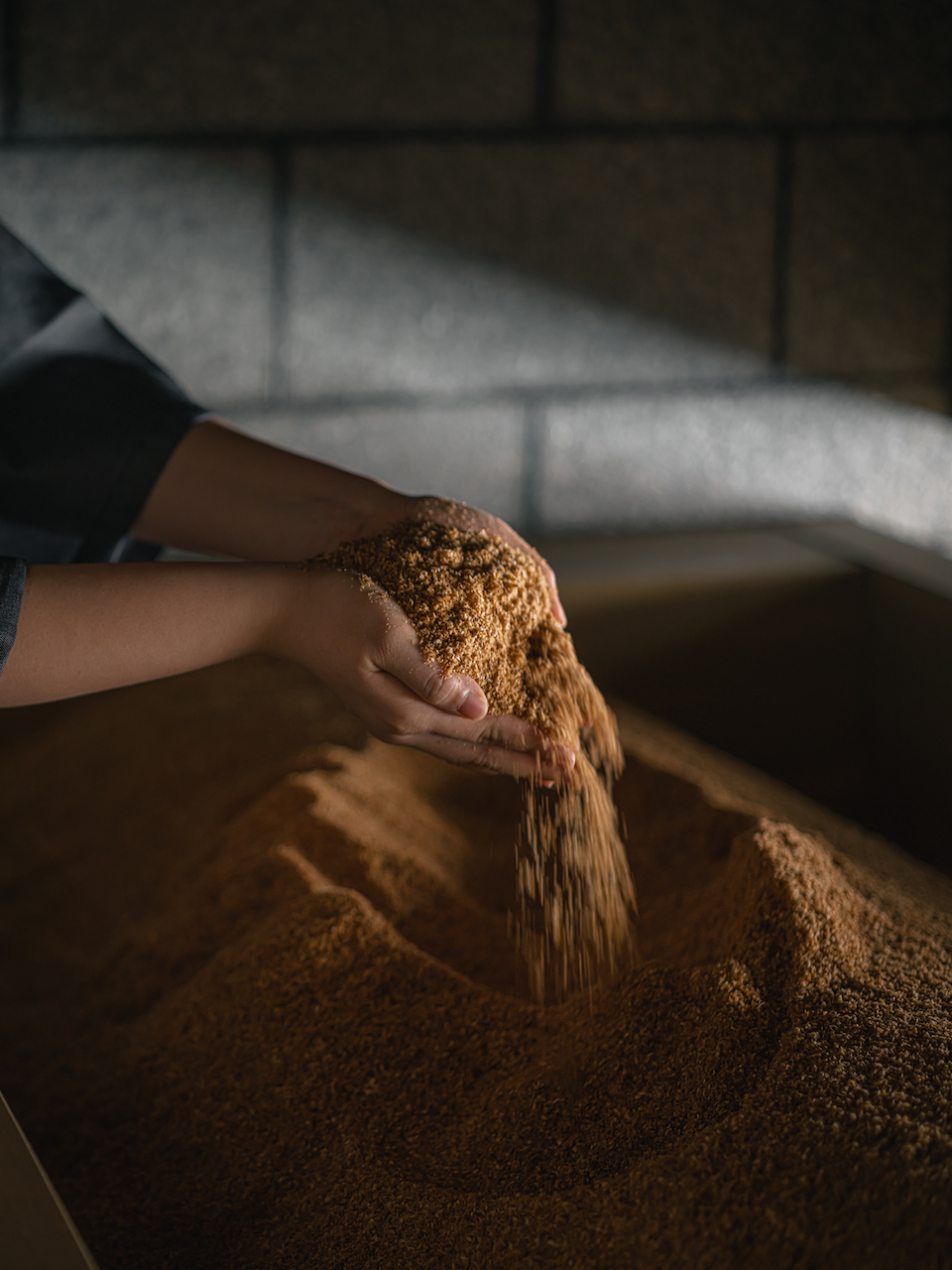
The cornerstone of this retreat is the introduction of Hokkaido’s first in-property enzyme bath. Developed in tandem with Ohtaka Enzyme—a century-old institution in Otaru—the bath utilizes fermented botanical extracts mixed with Hokkaido conifer sawdust. As microbial activity increases, the mixture generates natural, deep-penetrating heat.
The retreat’s offerings are structured as follows:
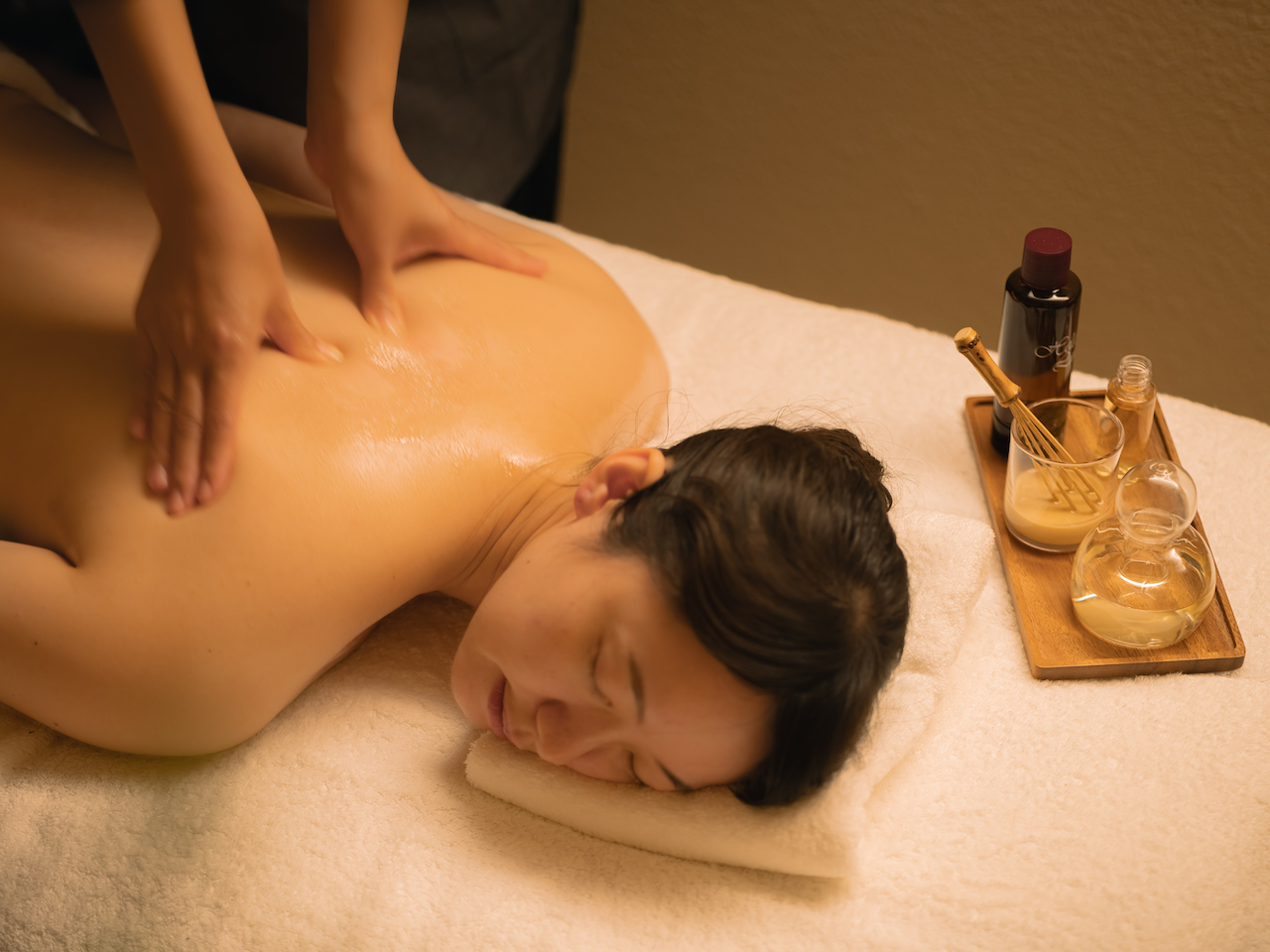
- Enzyme Bath Package: A metabolic-focused treatment designed to enhance circulation and skin regeneration.
- Private Onsen Package: A holistic experience featuring an outdoor bath fed by the Asarigawa hot spring, overlooking the traditional satoyama (managed woodland) landscape.
- Thermal Rituals: The inclusion of a kumazasa (bear bamboo) infused sauna, providing a therapeutic steam experience, paired with a cold plunge and a minibar curated with locally fermented beverages.
Official Perspective
The management of Otaru Retreat emphasizes that kamosu is not just a wellness technique; it is a philosophy of gradual transformation. By focusing on the transformation of ingredients through fermentation, they aim to mirror the transformation of the guest’s own physical and mental state during their stay. This reflects a growing demand for "evidence-based" wellness, where traditional practices are validated by long-standing local expertise.
The Meditative Brush: Mastering Shodō in Osaka
Cultural Preservation Through Participation
Zentis Osaka is challenging the passive nature of tourism with the third iteration of its Art-in-Residence programme. By partnering with Baikei Uehira and Taiga Uehira, the hotel is providing guests with a direct line to the ancient practice of shodō (Japanese calligraphy).
The Exhibition and the Experience
The hotel’s public spaces have been transformed into a living gallery, showcasing 11 original works by the father-and-son calligraphers. These pieces are not merely decorative; they serve as a bridge between the millennium-old roots of the art form and contemporary artistic expression.
The "Essence of Shodō" package provides:
- Direct Pedagogy: A 60-minute private lesson at the Seisho Calligraphy Association, conducted by the masters themselves.
- Tools of the Craft: A water-calligraphy set that allows guests to practice the meditative art of brushwork without the permanence of ink, encouraging experimentation.
- Sensory Integration: The package includes bath salts scented with Parfum Satori’s signature fragrance, ensuring the meditative calm of the calligraphy studio persists long after the lesson concludes.
Implications for the Modern Traveler
This initiative addresses a specific traveler demographic: those seeking "intellectual souvenirs." By engaging in a discipline that requires patience, focus, and physical discipline, the guest returns home not with a physical object bought in a shop, but with a new skill and a deeper understanding of the Japanese aesthetic of wabi-sabi—finding beauty in the ink, the brushstroke, and the impermanence of the moment.
Synthesis: The New Standard of Hospitality
When analyzing these three distinct experiences, a clear pattern emerges. The Japanese luxury market is no longer content with providing comfort; it is aggressively pursuing the "curation of self."
Chronology of Trends
- 2026 Q1: The reopening of Otaru Retreat signals the shift toward bio-wellness and fermentation.
- 2026 Q2: The launch of the Art-in-Residence programme at Zentis Osaka highlights the demand for interactive, skill-based cultural engagement.
- 2026 Q3 and beyond: The Palace Hotel’s collaboration with Dior demonstrates the fusion of global luxury branding with local artisanal excellence.
Economic and Cultural Implications
The economic implication of these packages is significant. By bundling services—private transfers, specialized lessons, expert-led wellness, and exclusive retail access—hotels are increasing their average daily rate (ADR) while simultaneously insulating themselves against price-sensitive competition.
Culturally, these hotels are acting as mediators between the rapidly globalizing world and the sequestered traditions of Japan. The "Dior Bamboo Pavilion" is a prime example of this: it is a modern, global brand bowing to the centuries-old Japanese appreciation for bamboo and natural landscape. Similarly, the shodō lessons at Zentis Osaka and the enzyme baths in Hokkaido are efforts to ensure that the ancient "technologies" of the Japanese spirit—calligraphy and fermentation—remain relevant to an international audience.
The Road Ahead
For the international visitor, the message is clear: the next trip to Japan should not be measured in the number of sites visited, but in the depth of the experiences undertaken. Whether it is learning the precise, breath-controlled stroke of a calligrapher’s brush, the slow, rhythmic heating of an enzyme bath, or the silent observation of architectural perfection at a Dior pavilion, these hotel packages offer a path to a more meaningful encounter with the archipelago.
As Japan continues to refine its tourism strategy, the focus will likely remain on these high-touch, low-volume experiences. They provide a sustainable model that respects the local environment and the privacy of the guest, all while preserving the delicate balance between tradition and progress. For the traveler, these offerings are more than just a place to sleep—they are a masterclass in the Japanese way of life, waiting to be learned, one brushstroke or one fermentation at a time.