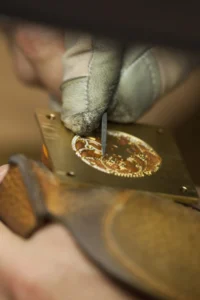

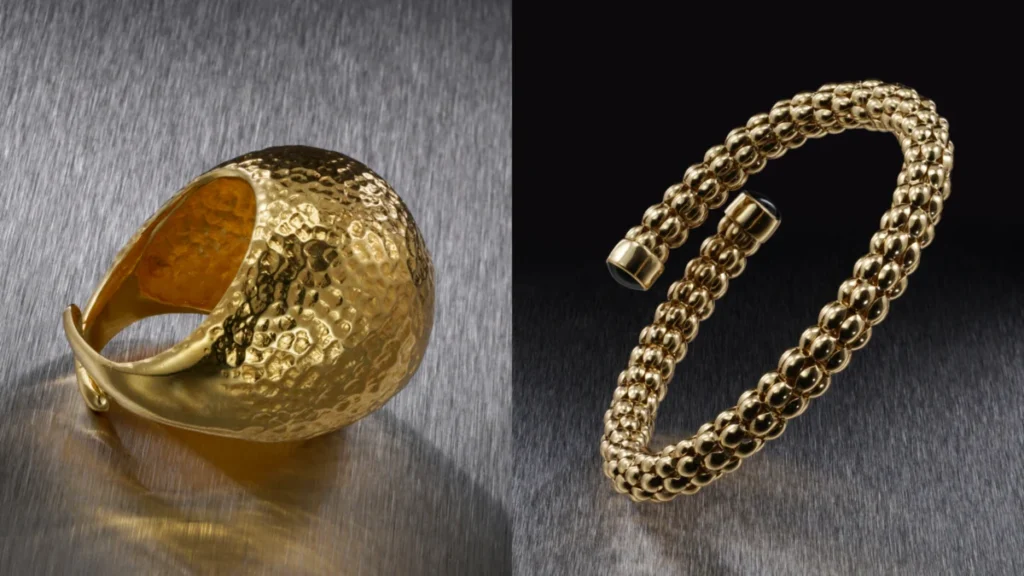
In the high-stakes world of luxury jewellery and watchmaking, the focus is often placed on the final, shimmering product—the diamond set in gold, the intricate movement of a timepiece. However, the true "facets of the future" lie beneath the surface, in the sophisticated chemical processes and material sciences that ensure quality, durability, and ethical integrity.
As the industry looks toward 2026, the spotlight has shifted to the quiet pioneers who form the backbone of the supply chain. Among them is Pino Aliprandini SA, a Geneva-based, family-owned institution that has spent nearly half a century proving that technological innovation and environmental responsibility are not merely compatible—they are the essential pillars of modern luxury.
The Genesis of an Industry Standard: A Chronology of Innovation
To understand the current trajectory of Pino Aliprandini SA, one must look at the company’s evolution since its inception in 1977.
- 1977: Pino Aliprandini establishes his workshop in Geneva. Driven by a pioneer’s spirit, he begins developing proprietary surface treatment techniques, setting the stage for what would become a legacy of technical excellence.
- 1980s–1990s: The company earns a reputation for rigorous R&D, filing numerous patents that redefine how precious metals interact with surface coatings.
- Early 2000s: A critical shift toward sustainable chemistry begins. Long before "ESG" became a buzzword, the company proactively eliminates cadmium from its processes.
- 2010s: Christian Aliprandini assumes a leadership role after 25 years of mentorship under his father, ensuring the seamless transfer of technical knowledge to the second generation.
- 2020–2024: The company accelerates its "green chemistry" initiatives, successfully launching the Acqua-Series—a cyanide-free electroplating range that aligns with strict REACH and RoHS regulations.
- 2025: Pino Aliprandini SA gains international recognition, being cited as a market reference in global studies regarding cyanide-free gold plating solutions.
- 2026: The company formalizes its commitment to global standards by joining the Responsible Jewellery Council (RJC), marking a new chapter of transparency and collective responsibility.
The Philosophy of the "Behind-the-Scenes" Innovator
At the heart of the company lies a unique paradox: Pino Aliprandini, the founder, has always preferred to remain behind the scenes, yet his innovations are front-and-center in the world’s most prestigious jewellery houses. This humility is a hallmark of the firm’s identity.
Christian Aliprandini, now guiding the company, emphasizes that the family-owned structure is the secret to their longevity. "75% of Switzerland’s economic wealth comes from SMEs like ours," Christian notes. "A family business is guided by a long-term vision, built on trust, continuity, and a sense of responsibility that larger, corporate entities often struggle to replicate."
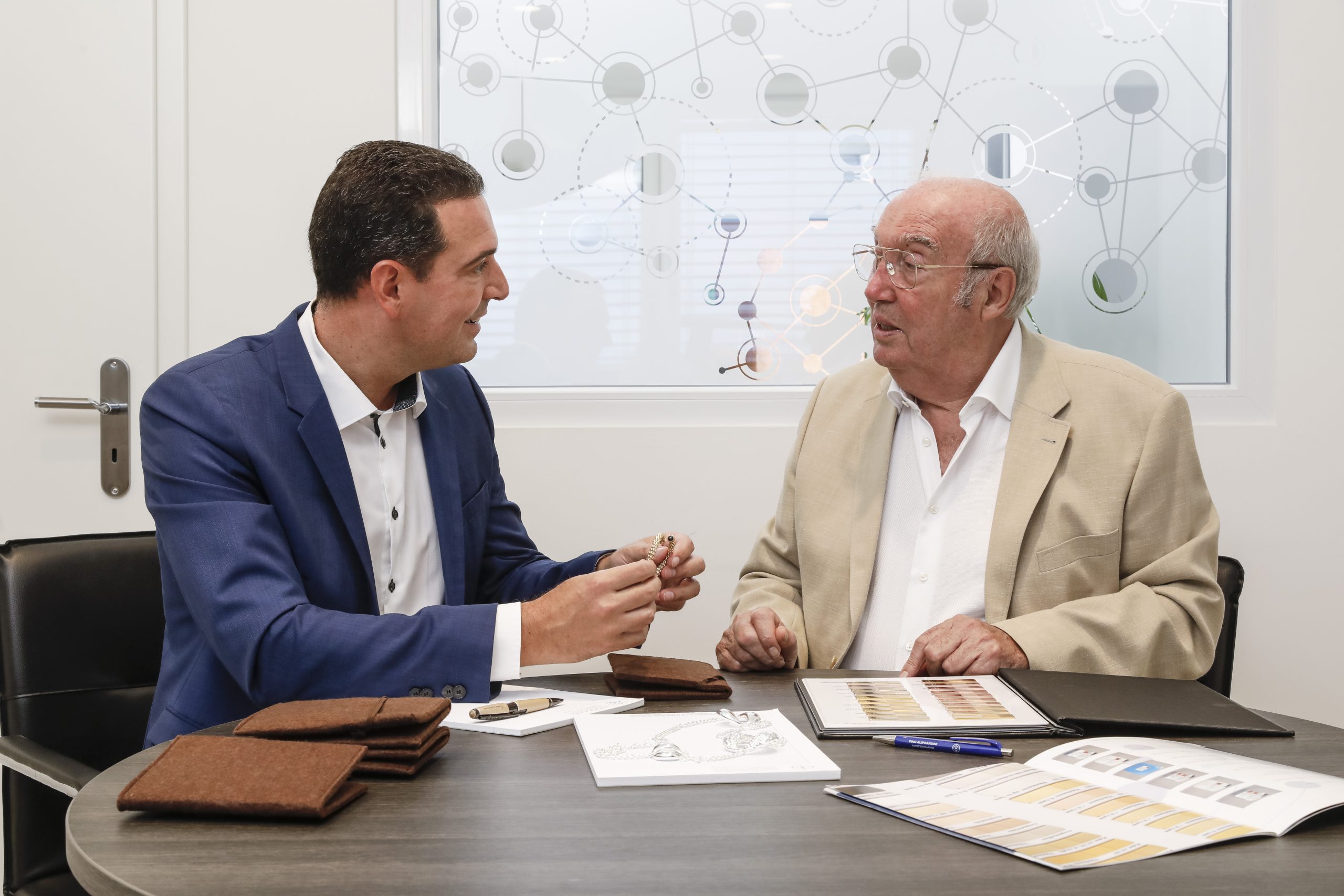
This human-centric approach is vital in an industry that can often feel cold and overly technical. By maintaining a boutique, family-run atmosphere, the firm fosters deeply personalized relationships with its international clientele, ensuring that innovation is always balanced by attentive, human support.
Official Perspective: Joining the Responsible Jewellery Council (RJC)
The decision to join the RJC in 2026 was not a sudden move, but the culmination of a decades-long trajectory. For Pino Aliprandini SA, the RJC offers a recognized framework to structure their existing commitments.
Why the RJC?
"Over 20 years of dedicated work, the RJC has succeeded in its mission: bringing together committed stakeholders in a spirit of transparency," the company states. For Pino Aliprandini SA, the RJC’s appeal lies in its acknowledgement that technological innovation—specifically in surface treatments—is an essential, yet frequently overlooked, stage in the jewellery production process.
The Value of Process Stability
By mastering stable and reproducible processes, the company demonstrates that sustainability is a continuous improvement cycle. Through the RJC, they aim to:
- Strengthen Confidence: Provide international clients with the assurance that their supply chain is resilient and compliant.
- Raise Standards: Promote the idea that "behind-the-scenes" chemistry is where sustainable value is created.
- Drive Resilience: Align supply chain strategies with global risks, ensuring that quality remains consistent despite market volatility.
Technical Excellence: The Science of Sustainability
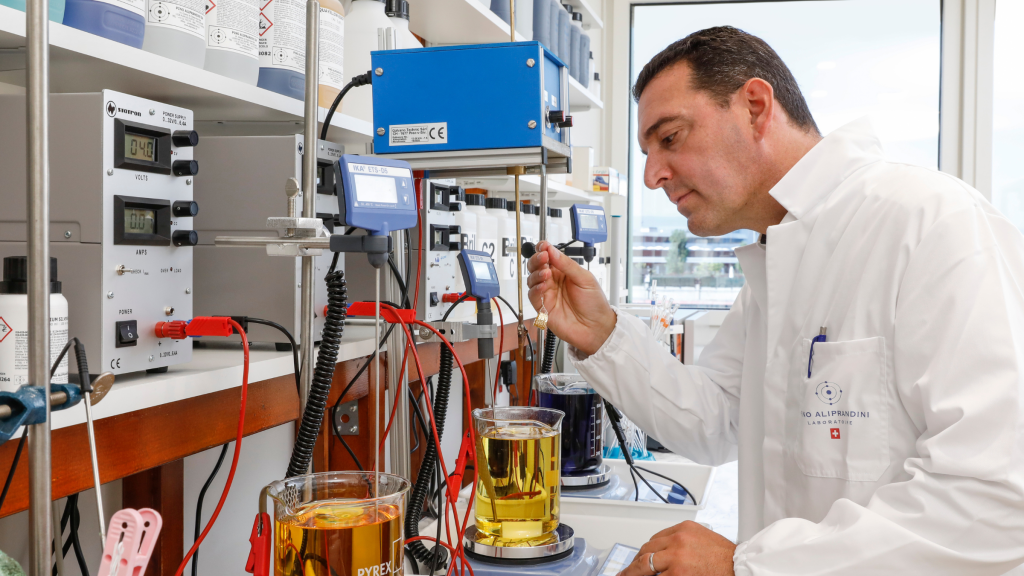
The core of Pino Aliprandini’s unique value proposition lies in its mastery of applied chemistry. The company’s technical team does not just apply coatings; they engineer them to reduce material waste and enhance the life cycle of the jewelry.
The Acqua-Series and Beyond
The company has successfully transitioned to non-toxic alternatives for the most demanding applications. The Acqua-Series allows for the production of 2N, 5N, and white gold finishes without the use of toxic cyanides. This is not just an environmental win; it is a safety imperative for their operators.
Advanced Electroforming
In response to the volatility of precious metal prices, the company has leveraged advanced electroforming techniques. This allows for:
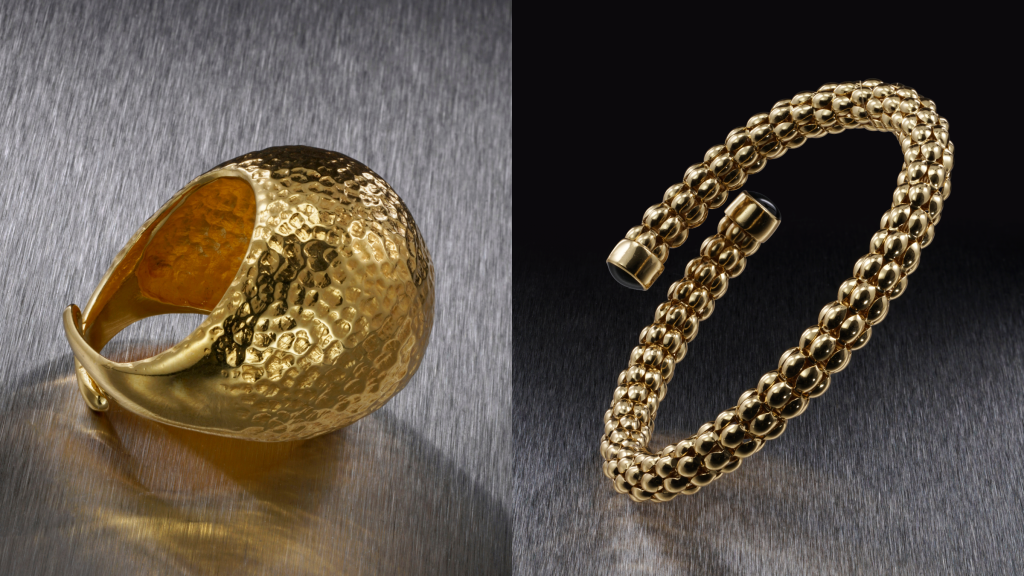
- Reduced Material Consumption: By designing hollow jewellery pieces that maintain structural integrity while using significantly less metal.
- Precision Surface Treatments: Ensuring that even recycled metals, which can be inconsistent, achieve the highest quality finish.
- Platinum Breakthroughs: Their most recent R&D milestone involves platinum electroforming at thicknesses previously considered impossible, while maintaining superior mechanical resistance.
Implications for the Future of the Jewellery Industry
As we move toward 2030, the challenges facing the jewellery industry are significant: talent retention, supply chain transparency, and the need for rigorous sustainability. Pino Aliprandini SA views these not as obstacles, but as opportunities for leadership.
The Human Element in Scientific Work
The company argues that 40% of jewellery-related professions are linked to the decoration and treatment of pieces. Therefore, training the next generation is critical. "It is essential that young professionals understand the materials they work with—not just the metal composition, but the importance of every chemical stage in the process," the firm advises.
A Holistic View of the Supply Chain
The transition to a more responsible industry requires a shift in perspective. Sustainability, as practiced by the Aliprandinis, is not a box-ticking exercise; it is an engineering discipline. By integrating supply chain strategy with company-wide strategy, they are creating a blueprint for other SMEs to follow.
The "Swiss Partner" Identity
By anchoring their identity in their Swiss roots—a nation synonymous with precision and respect for the environment—Pino Aliprandini SA provides a roadmap for how traditional manufacturing can survive and thrive in the modern age. They demonstrate that when a company is rooted in "human-centered" values, they are better equipped to navigate the anxieties of global markets.
Conclusion: Looking Toward 2026 and Beyond
Pino Aliprandini SA stands as a testament to the power of the "hidden" artisan. Their journey from a small Geneva workshop to an industry-defining leader in sustainable chemistry is a story of resilience, innovation, and unwavering family values.
As they continue their work within the RJC, the company’s goal is clear: to prove that the future of jewellery is not just about what is on the surface, but how that surface is created. By championing cyanide-free processes, investing in light-weight material innovation, and mentoring the next generation of technical experts, they are ensuring that the industry remains not only beautiful but durable, responsible, and prepared for the challenges of tomorrow.
For the jewellery world, the lesson from Geneva is simple: true progress is found in the chemistry of the process and the integrity of the people behind the machine. In the hands of family-led pioneers like the Aliprandinis, the future of the industry is in safe, and very capable, hands.