Gemmologists frequently encounter a myriad of simulants for natural gemstones, with artificial glass paste being a particularly common and historically significant example. While synthetic and composite stones can pose identification challenges, those crafted from glass are often readily discernible. However, the term "paste" often belies a rich history of aesthetic and technological innovation, transforming humble glass into objects of exquisite beauty and enduring value. This exploration, drawing on the insights of Gem-A Tutor Pat Daly, delves into the multifaceted world of glass in antique jewellery, highlighting its historical significance, artistic applications, and the key characteristics that distinguish it from its natural counterparts.
The Enduring Appeal of Glass: A Historical Perspective
While the uninitiated might dismiss glass as merely a cheap substitute for precious stones, this perspective overlooks millennia of artistic and technological evolution that have elevated glassmaking and design to true art forms. From ancient civilizations to the opulent eras of European aristocracy, glass has played a pivotal role in adornment and symbolic expression.
In ancient Egypt, jewellery served not only as ornamentation but also as a powerful protective amulet. The vibrant colours and specific shapes held deep meaning. Scarce and costly natural stones like lapis lazuli were highly prized, making glass an accessible and aesthetically pleasing alternative. This ingenuity is vividly illustrated in the grave goods of Tutankhamun, where glass was extensively employed, even adorning the iconic funerary mask. The appreciation for glass simulants was not confined to Egypt; evidence of their use has been found in the archaeological records of Mesopotamia, China, Greece, and Rome, underscoring their widespread adoption across diverse cultures.
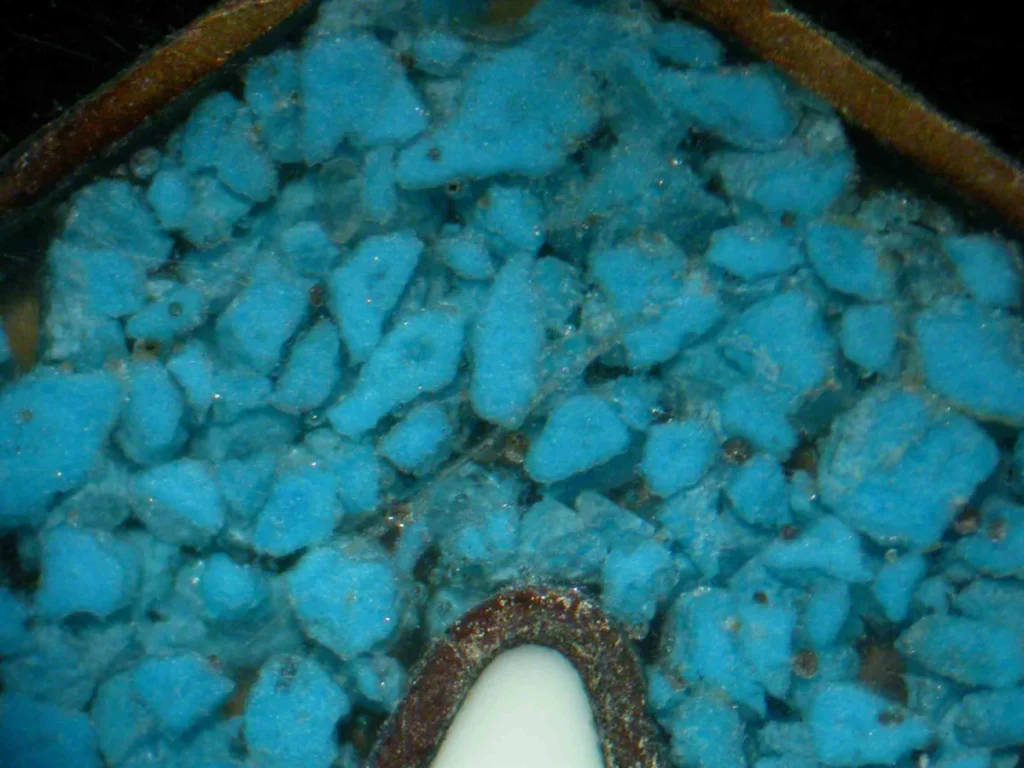
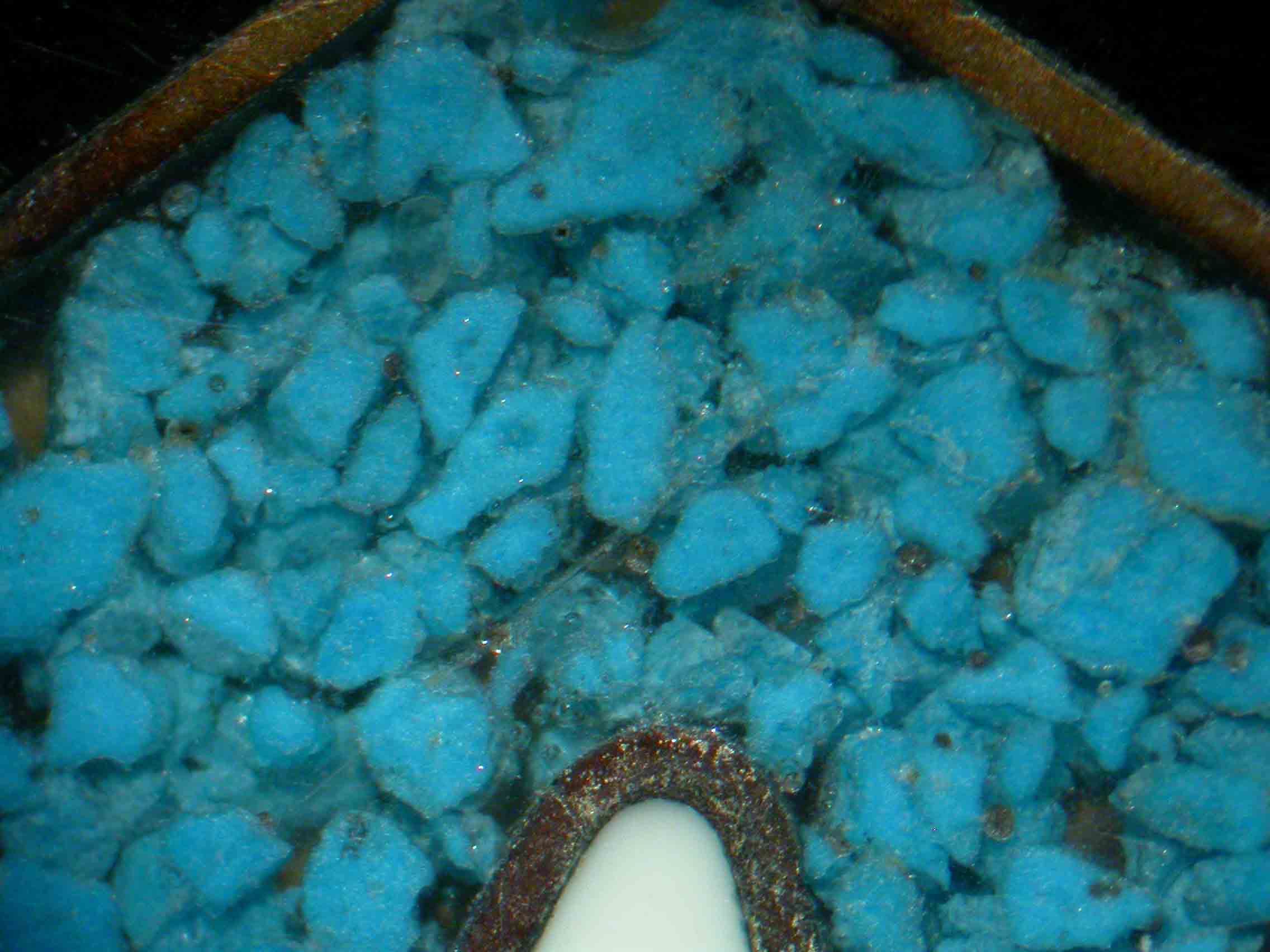
The image accompanying this section showcases paste chips in resin, meticulously presented as a turquoise simulant. Photographed by Pat Daly, this example serves as a tangible representation of the meticulous craftsmanship involved in creating convincing imitations.
Crafting Brilliance: The Diverse Production of Jewellery Glass
The creation of glass for jewellery has historically followed three primary methods, all of which were established in antiquity. Each technique allows for a remarkable range of aesthetic possibilities, contributing to the enduring appeal of glass-adorned pieces.

Paste: The Versatile Simulant
The most common form of glass used as a gemstone simulant is known as "paste." This material is produced by melting a carefully selected blend of ingredients, including silica, specific colouring agents, and chemicals designed to enhance its workability. Once molten, the glass can be molded into desired shapes or cut and polished from solid blocks. The versatility of paste is remarkable; it can be rendered transparent to opaque, boast any conceivable colour, and even mimic the intricate textures and patterns found in a vast array of natural gemstones.
To amplify its brilliance and simulate the high refractive index of stones like diamonds and corundum, paste is often foil-backed when set into jewellery. This subtle yet effective technique enhances the play of light, making the imitation remarkably convincing. Furthermore, modifications in production methods allow for the creation of captivating optical effects. These include the "cat’s-eye" phenomenon, iridescent shimmers, aventurescence (a glittering effect caused by mineral inclusions), and asterism (star-like patterns).
A particularly fascinating variation is devitrified glass. In this process, specific ingredients are added that crystallize at a higher temperature than that at which the glass solidifies. This results in the formation of fine, needle-like to branching crystallites dispersed within the glass matrix. This internal structure can closely resemble the polycrystalline nature of certain natural gemstones, further enhancing the realism of the simulant.
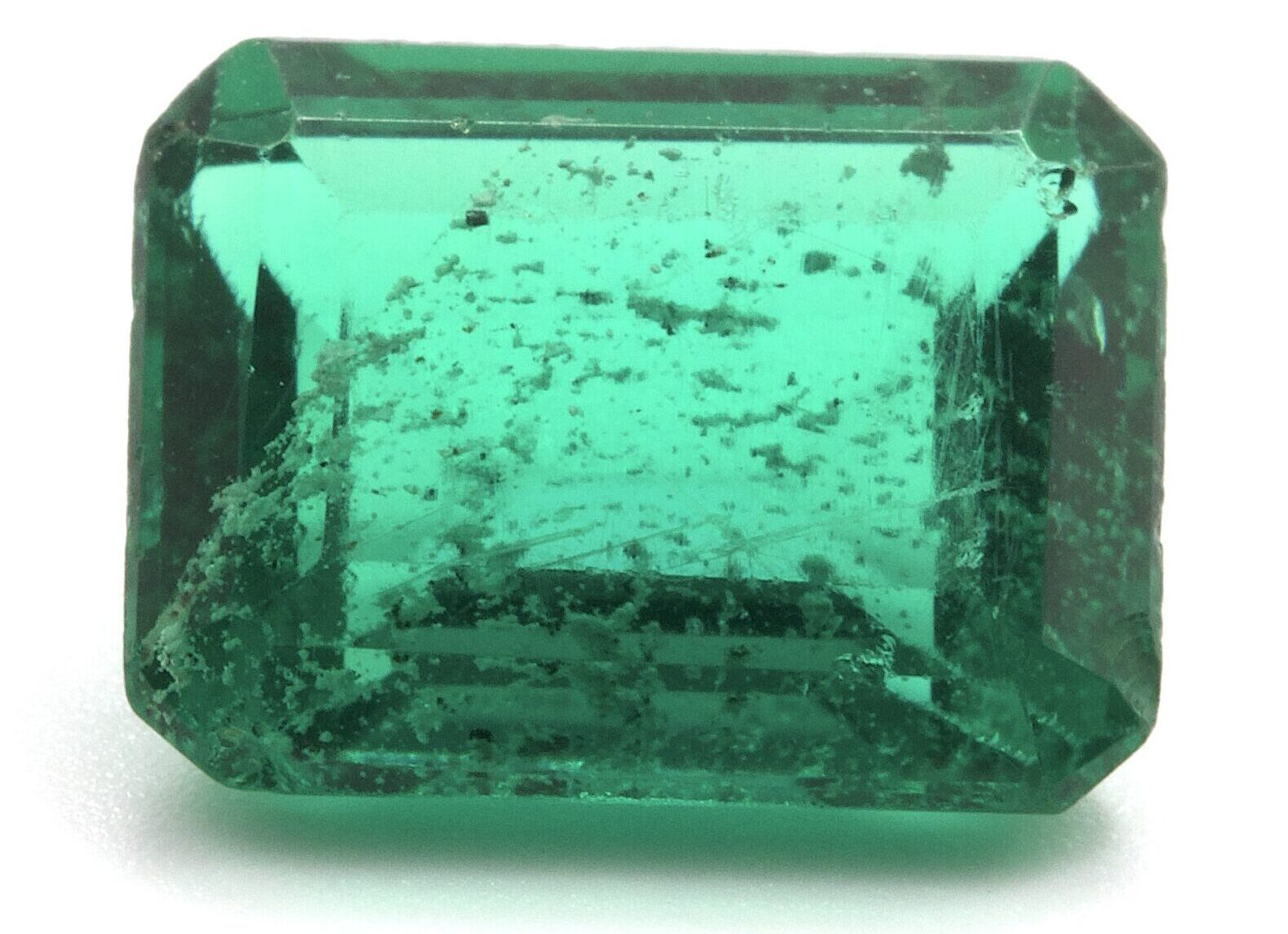
The image above features a paste simulant expertly crafted to resemble an emerald, photographed by Gabriel Kleinberg. This piece exemplifies the ability of paste to capture the rich green hue and visual depth of its natural counterpart.
Paste-set jewellery has historically served various purposes. For security reasons, it offered a way to enjoy the ostentatious display of valuable-looking pieces without the significant financial risk associated with wearing genuine gems, particularly in situations where theft was a concern. In 18th and 19th-century Europe, wearing paste jewellery also became a fashionable statement, and well-crafted examples from these periods can command substantial prices in today’s antique market, often fetching hundreds to thousands of pounds. The renowned Russian jewellery house Fabergé, for instance, utilized a type of red devitrified glass known as purpurine in its intricate carvings. These pieces are now highly collectible and immensely valuable.
Enamel and Pâte de Verre: Artistic Expressions in Glass
Beyond its role as a direct gemstone simulant, glass in the form of enamel and pâte de verre has been integral to jewellery design for centuries, offering unique avenues for colour, texture, and three-dimensional artistry.
Enamel: Adding Colour and Depth
Enamel is created by mixing powdered glass of any desired colour with binding agents, such as oil. This mixture is then applied to surfaces or within moulds and subsequently heated, causing it to melt and fuse. Enamel serves as a vibrant medium for adding colour to jewellery surfaces, which can range from flat to gently curved, or even be sculpted into three-dimensional forms.
The application of enamel allows for broad areas of colour to be introduced, which can be further enhanced by engraving the metal surface before application. Alternatively, fine wires, known as "cloisons," can be used to delineate and contain individual colours, creating intricate patterns and separating different hues within a single piece. A particularly captivating technique, known as plique-à-jour, creates a stunning stained-glass effect. This is achieved by constructing the wire framework on a temporary backing, which is then removed after the enamel has solidified, leaving behind a translucent, jewel-like appearance.
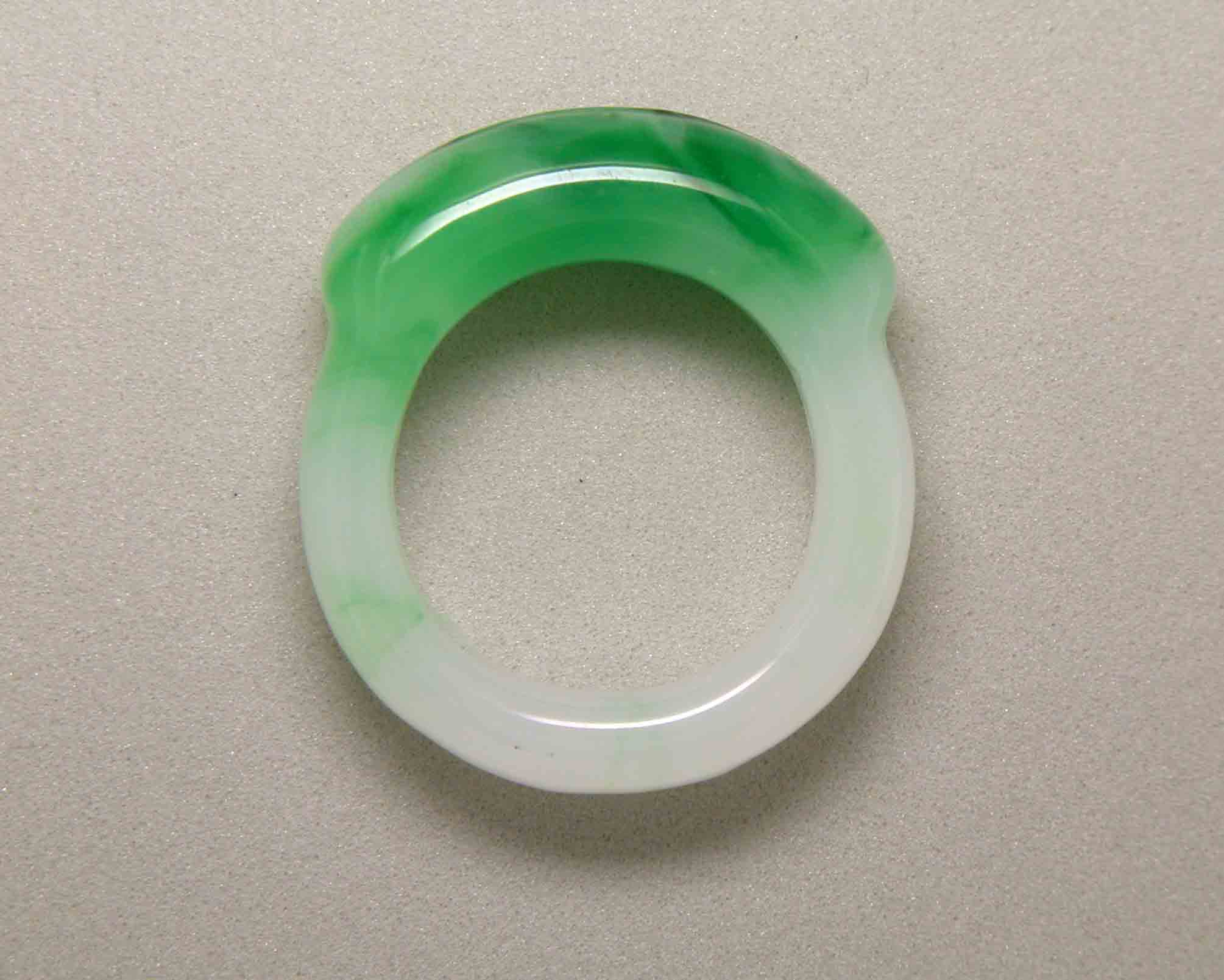
The image to the left displays a paste simulant expertly crafted to resemble jade, a testament to the versatility of glass in mimicking natural stones. This piece was photographed by Pat Daly.
Pâte de Verre: Sculptural Glass Artistry
Pâte de verre, a technique that translates to "glass paste," involves molding and heating glass powder to create carved or sculpted effects. This method allows for the incorporation of fine details through subsequent engraving. Artists have the ability to precisely control variations in colour, texture, and translucency during the process, leading to truly striking visual outcomes.
Pâte de verre experienced a surge in popularity during the late 19th and early 20th centuries, coinciding with the flourishing of the Art Nouveau style. This period saw its extensive use in creating naturalistic designs, often in combination with enamels, precious metals, and gemstones. The most celebrated exponent of this technique was René Lalique, whose exquisite jewellery pieces, often incorporating pâte de verre, are now highly sought after and can command prices in the tens to hundreds of thousands of pounds.
Glass Mosaics: Miniature Masterpieces of Colour
Mosaics, a technique dating back millennia, involve the intricate assembly of small pieces of stone or glass to form larger decorative patterns. In late medieval times, religious imagery was frequently rendered in mosaics using small shards of coloured glass. This tradition was later adapted in Italy, particularly during the 19th century, for the creation of jewellery intended for tourists.
Italian artisans became renowned for their mastery of micromosaics, a technique where hundreds of individual glass pieces can be meticulously placed within a single square centimetre of decorated surface. These miniature masterpieces often depict classical architectural scenes and naturalistic motifs, adorning jewellery, small boxes, and other decorative items. Well-preserved examples of these intricate mosaics remain highly desirable and popular today.
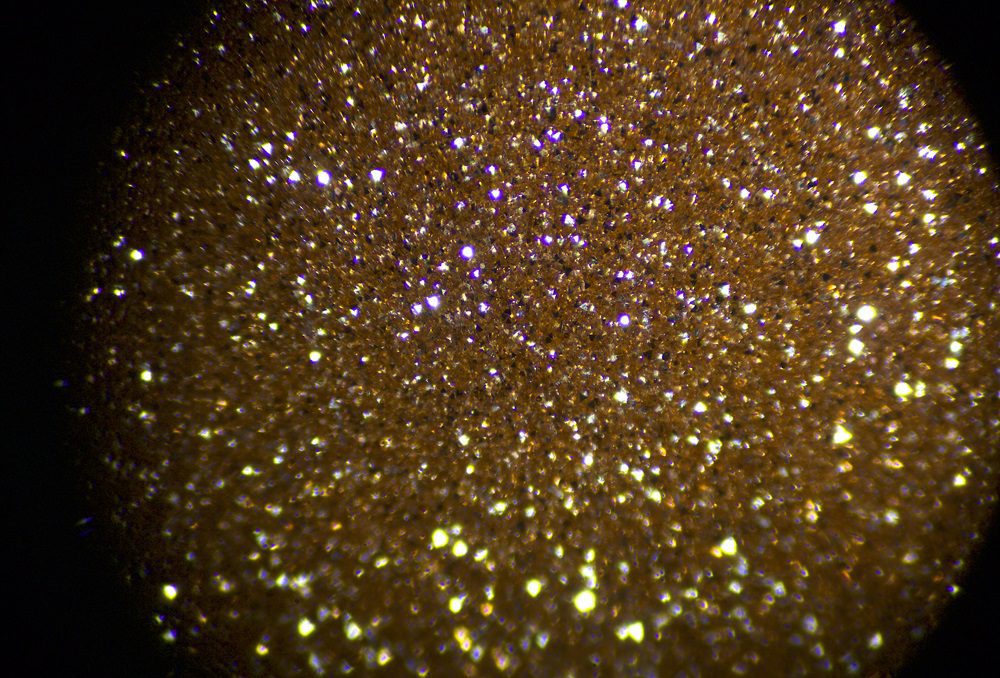
The photograph above features Goldstone glass, a material known for its shimmering, glitter-like appearance due to suspended copper crystals. Photographed by Gabriel Kleinberg, it represents another fascinating facet of glass’s application in decorative arts.
Identifying Glass: Distinguishing Simulants from Natural Gems
While many antique jewellery pieces featuring glass are readily identifiable, a certain level of expertise is required for accurate assessment, especially given the potential for high value in antique pieces. Gemmologists employ a combination of visual observation and specialized instruments to distinguish glass from natural gemstones.
Visual Clues and Microscopic Examination
The physical properties of glass often provide the first clues to its identity. Enamels and pâte de verre can be recognized by their characteristic application methods, visible molding and flow structures, and the occasional presence of air bubbles trapped within the material.
For transparent paste, several key indicators point towards its glassy nature. On a polariscope, transparent paste will exhibit optical isotropy, meaning it does not polarize light. Furthermore, it will lack pleochroism, a property observed in many anisotropic gemstones where different colours are seen when viewed from different angles under a dichroscope. Refractometer readings for paste typically fall within the range of 1.50 to 1.70. This combination of optical properties is not found in the gem varieties commonly encountered in antique jewellery.
Opaque paste often displays small chips and scratches that exhibit a distinct glassy lustre. This is a crucial diagnostic feature, as fractures on polycrystalline gemstones do not typically present with this characteristic glassy sheen. Therefore, the presence of such chipped surfaces is strong evidence that the material is indeed glass.
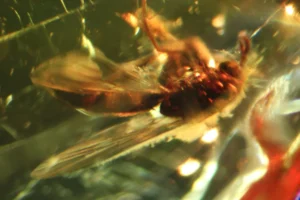
The image above shows bubbles within paste, a common characteristic, photographed by Gabriel Kleinberg. These internal imperfections are often absent in natural gemstones.
The photograph below captures swirl inclusions within paste, meticulously photographed by Pat Daly. These flow structures are indicative of the manufacturing process of molten glass.
A Legacy of Artistry and Innovation
While artificial glass is often employed in the creation of low-quality simulants for affordable jewellery, this is by no means the exclusive application of this versatile material. The history of jewellery is enriched by the artistry and craftsmanship of individuals who, for centuries, have harnessed the transformative power of glass to create some of the most appealing and enduring adornments. From ancient Egyptian amulets to the intricate micromosaics of the 19th century and the breathtaking Art Nouveau creations of Lalique, glass has consistently proven its worth as a medium for both imitation and original artistic expression.
Respect is undeniably due to the artists and craftspeople who, through their skill and ingenuity, have elevated glass beyond its perceived status as a mere substitute, imbuing it with a timeless beauty and historical significance that continues to captivate collectors and enthusiasts alike.
Main Image: An oval-shaped faceted paste gem from the Gem-A Archives, showcasing the clarity and brilliance achievable with this material.
For those new to the world of gemstones and eager to expand their knowledge, Gem-A offers an introductory online course, GemIntro. This comprehensive program provides a foundational understanding of gemstones and is an excellent starting point for anyone interested in learning more. Click here to access GemIntro: https://gemintro.gem-a.com/