For centuries, a dazzling gem has graced the crowns of royalty and adorned fine jewelry, often masquerading as its more famous cousin, ruby. This gemstone, spinel, boasts a captivating spectrum of colors, remarkable durability, and a fascinating geological history. Once consistently mistaken for corundum, particularly in its fiery red hues, spinel has, in recent decades, emerged from the shadows to claim its rightful place in the esteemed world of gemology and fine jewelry. This in-depth exploration, guided by gemological insights, delves into the multifaceted allure of spinel, from its elemental composition and unique properties to its global origins and the subtle inclusions that tell its story.
The Elemental Heart of Spinel: A Symphony of Oxides
At its core, spinel is a mineral belonging to a group characterized by shared chemical and structural attributes. Chemically, spinels are oxides, predominantly of magnesium, aluminum, iron, chromium, zinc, and titanium, crystallizing within the cubic system. This fundamental structure contributes to their inherent stability and often octahedral crystal habit.
The vast majority of gem-quality spinel is a testament to the interplay of magnesium, aluminum, and oxygen. The captivating array of colors that define spinel is largely a result of trace amounts of specific elements acting as chromophores. Chromium, iron, and cobalt are the primary architects of spinel’s vibrant palette. For instance, chromium imbues spinel with its coveted red and pink tones, mirroring the very elements responsible for the fiery heart of rubies. Iron, in conjunction with other elements, contributes to a spectrum of blues and grays, while cobalt is responsible for some of the most intense and sought-after blue hues.
A rarer variant, gahnite, an aluminum oxide of zinc, showcases a different color spectrum, ranging from greens and yellows to browns and blacks. While rarely of gem quality, gahnite holds interest for collectors and offers a glimpse into the broader spinel mineral group.
A Crystal’s Tale: From Octahedra to Starry Wonders
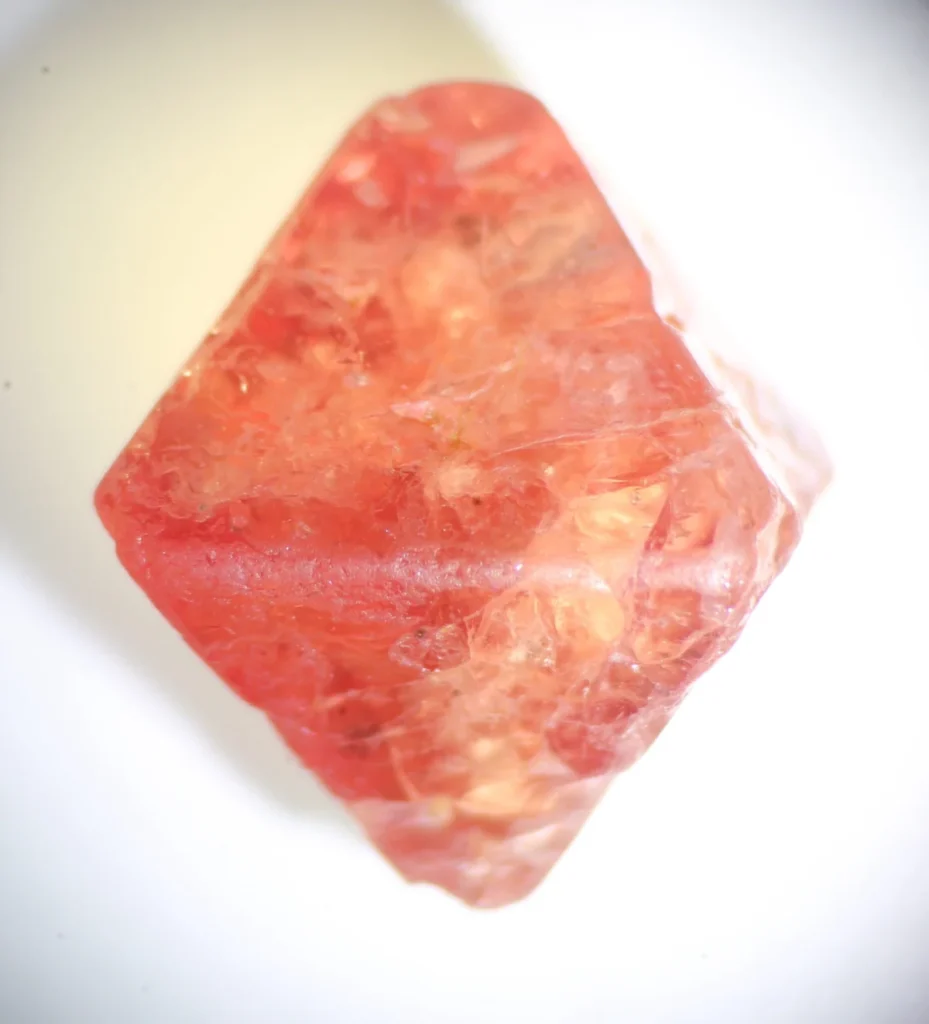
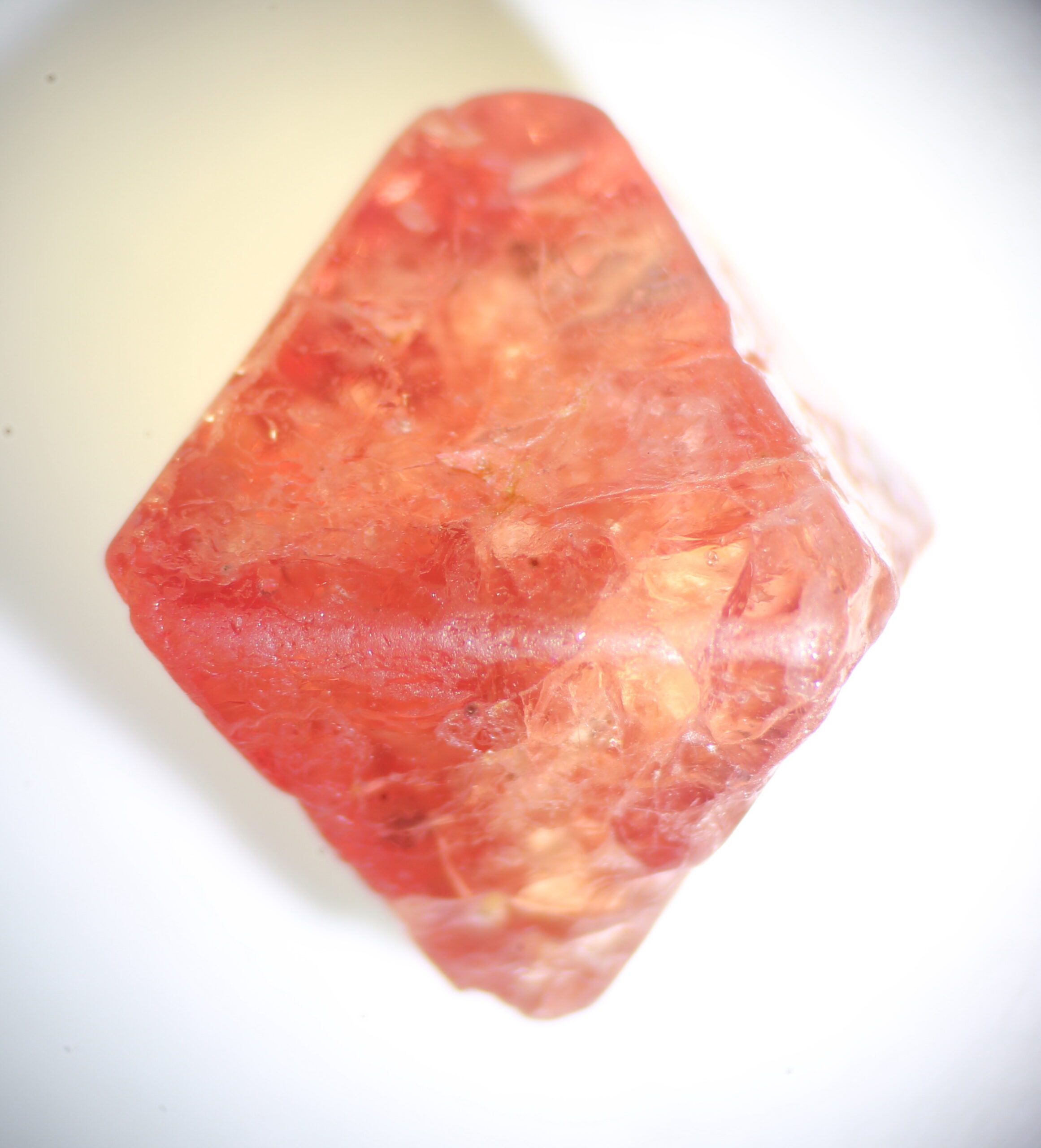
Spinel crystals are most commonly found in their natural state as octahedra, geometrically perfect eight-sided solids. These crystals can sometimes exhibit minor faces that modify the octahedral edges, adding subtle complexity to their form. Twinning, a phenomenon where two or more crystals grow together in a symmetrical manner, is a common occurrence in spinel. The most prevalent type of twinning in spinel mirrors that which produces diamond macles, resulting in distinct crystalline structures. In some instances, multiple twinning events can lead to the formation of six-pointed star-shaped twins, a rare and captivating natural occurrence. The presence of these twin planes can sometimes be observed within faceted spinels, offering a subtle clue to their geological journey.
Properties That Endure: Durability and Brilliance
Spinel stands out as an exceptionally durable gemstone, a crucial characteristic for its use in fine jewelry that is meant to be cherished for generations. Ranking an impressive eight on the Mohs scale of hardness, it is surpassed only by corundum (sapphire and ruby) and diamond. Furthermore, the absence of cleavage planes in spinel enhances its toughness, making it remarkably resistant to chipping and fracturing. This inherent resilience means that spinel jewelry can withstand the rigors of daily wear without significant compromise to its beauty.
Beyond its physical fortitude, spinel is also chemically inert, demonstrating resistance to strong acids and other harsh chemicals. Crucially, its colors are remarkably stable and do not fade over time, ensuring that a spinel’s vibrancy remains undiminished.
Optically, spinel is isotropic, meaning light passes through it uniformly in all directions, resulting in a single refractive index (RI) of approximately 1.717. However, this RI can slightly increase to around 1.740 in chromium-rich red spinels and in blue spinels containing zinc, known as gahnospnels. These distinct optical properties are instrumental in differentiating spinel from corundum, the mineral it has historically been confused with. The presence of distinctive spectral lines in red and blue spinels further aids in their identification and, importantly, in distinguishing natural stones from their synthetic counterparts.
A World of Origins: The Geological Tapestry of Spinel
The geological conditions under which spinel forms are as fascinating as the gem itself. The majority of gem-quality spinel originates from marbles that have undergone high-temperature metamorphism, a process typically occurring during continental collisions. Key regions for spinel formation include East Africa, Sri Lanka, and the Himalayan belt, encompassing areas like Burma and Vietnam.
These marbles, originally limestone, are primarily composed of calcium carbonate. During geological processes, magnesium often substitutes for calcium within the limestone structure. Simultaneously, clay minerals present in the ancient sediments provide the essential aluminum. The presence of both magnesium and aluminum in these metamorphosed rocks is the critical prerequisite for spinel to crystallize.
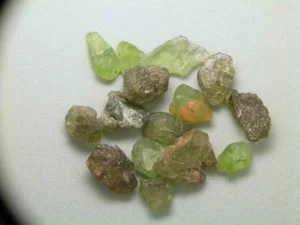
The resulting spinels are often found within these marbles or are recovered from alluvial deposits. These alluvial deposits are formed by the weathering and erosion of the host rocks, where valuable gemstones are liberated and transported by natural forces. Spinels are frequently found in association with other magnesium and aluminum-rich minerals, such as olivine (which can be gem-quality peridot), diopside, and corundum, painting a picture of a shared geological genesis.
Inclusions: The Microscopic Fingerprints of Time
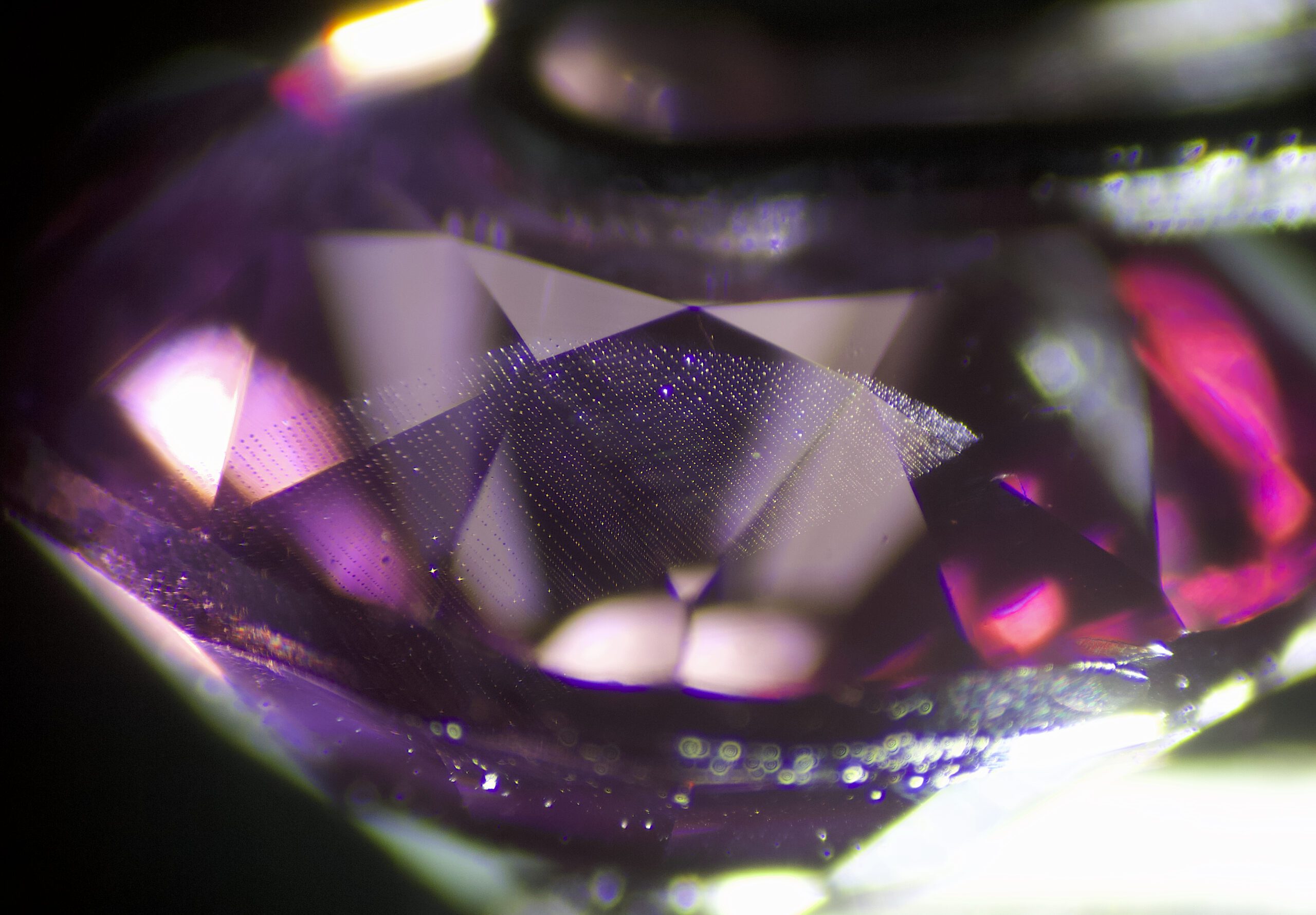
The microscopic world within a spinel can offer invaluable insights into its origin and history. Inclusions are essentially foreign mineral grains or structural anomalies trapped within the gemstone during its formation. Common inclusions found in spinel include minerals that were prevalent in its growth environment, such as olivine, hexagonal to rounded apatite crystals, graphite, and dolomite.
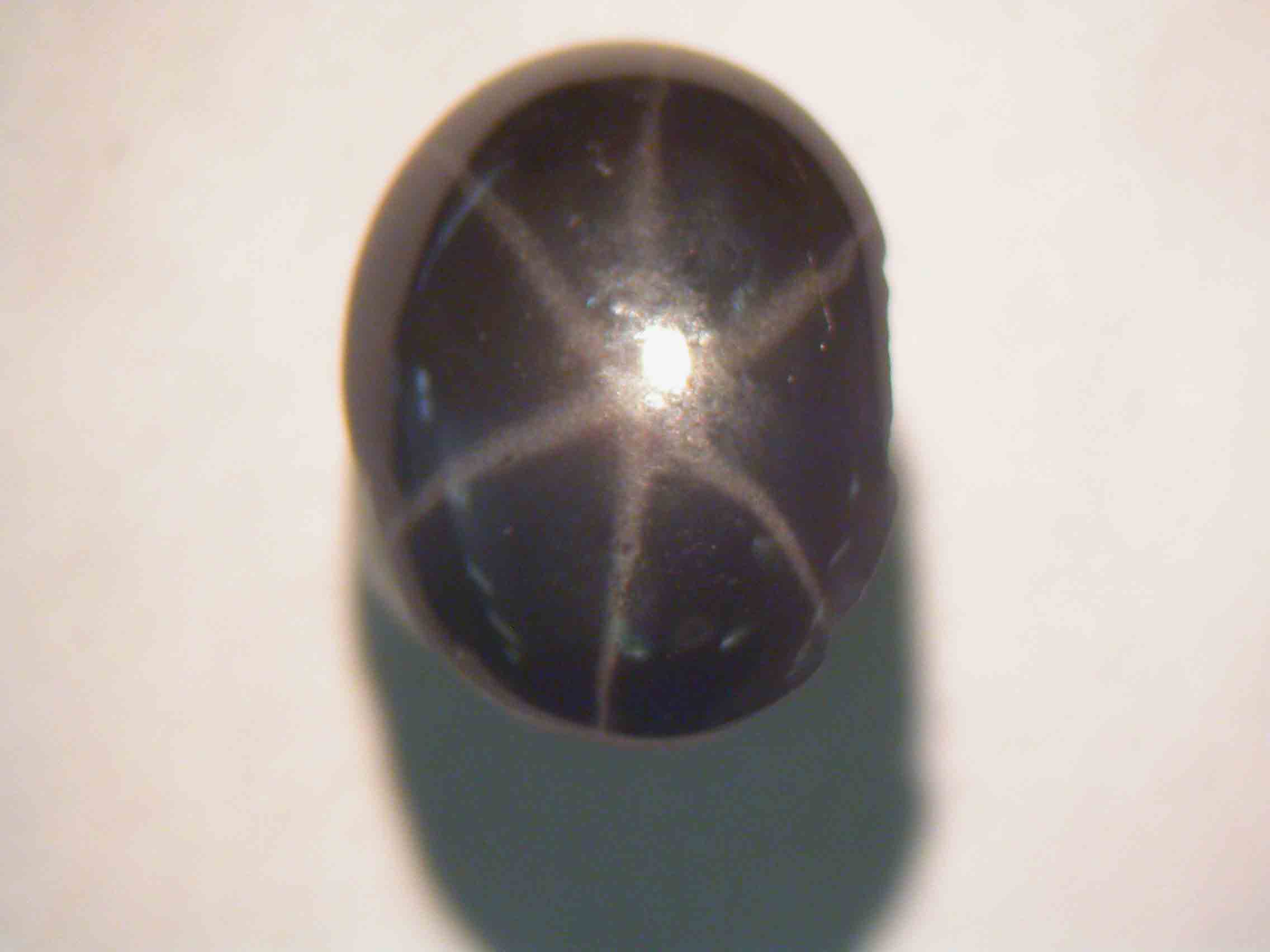
Needle-like or platy crystals, including rutile, can sometimes cause phenomena like four- or six-rayed asterism (star effect) or, more rarely, chatoyancy (cat’s eye effect). Another intriguing inclusion is the zircon halo, characterized by zircon crystals surrounded by radiating fractures. In spinels, these fractures are often associated with uraninite crystals.
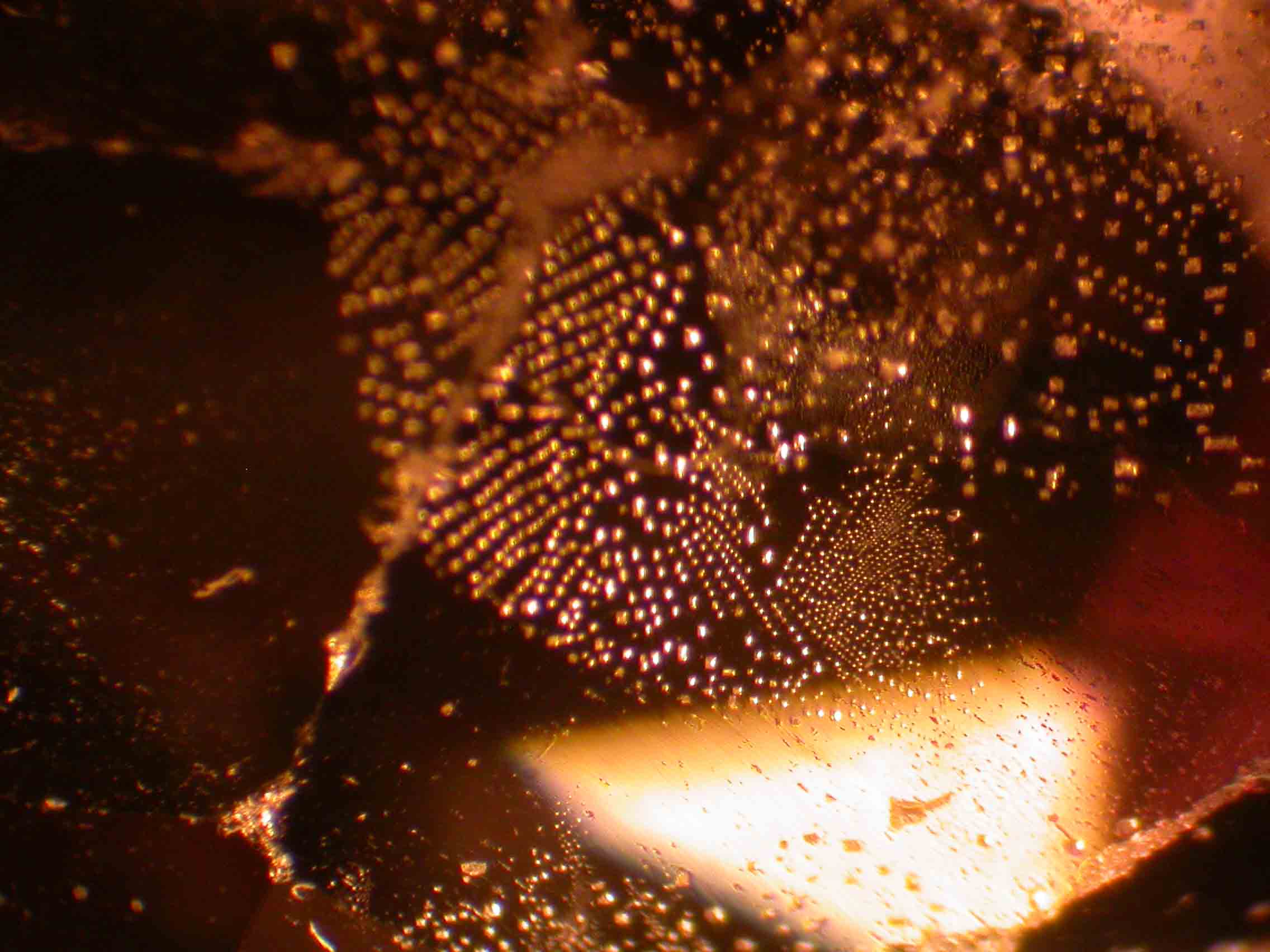
While some crystal inclusions in spinel can resemble those found in corundum, the distinctive "feathers" – delicate, feather-like fractures – are relatively uncommon in spinel compared to corundum. Gemological theory suggests that feathers originate as fractures that are partially healed before the gemstone’s growth is complete. In spinel, unique feather-like inclusions composed of lines of numerous octahedral inclusions create a distinct, orderly appearance, aiding in gem identification.
A Kaleidoscope of Color: The Allure of Spinel Hues
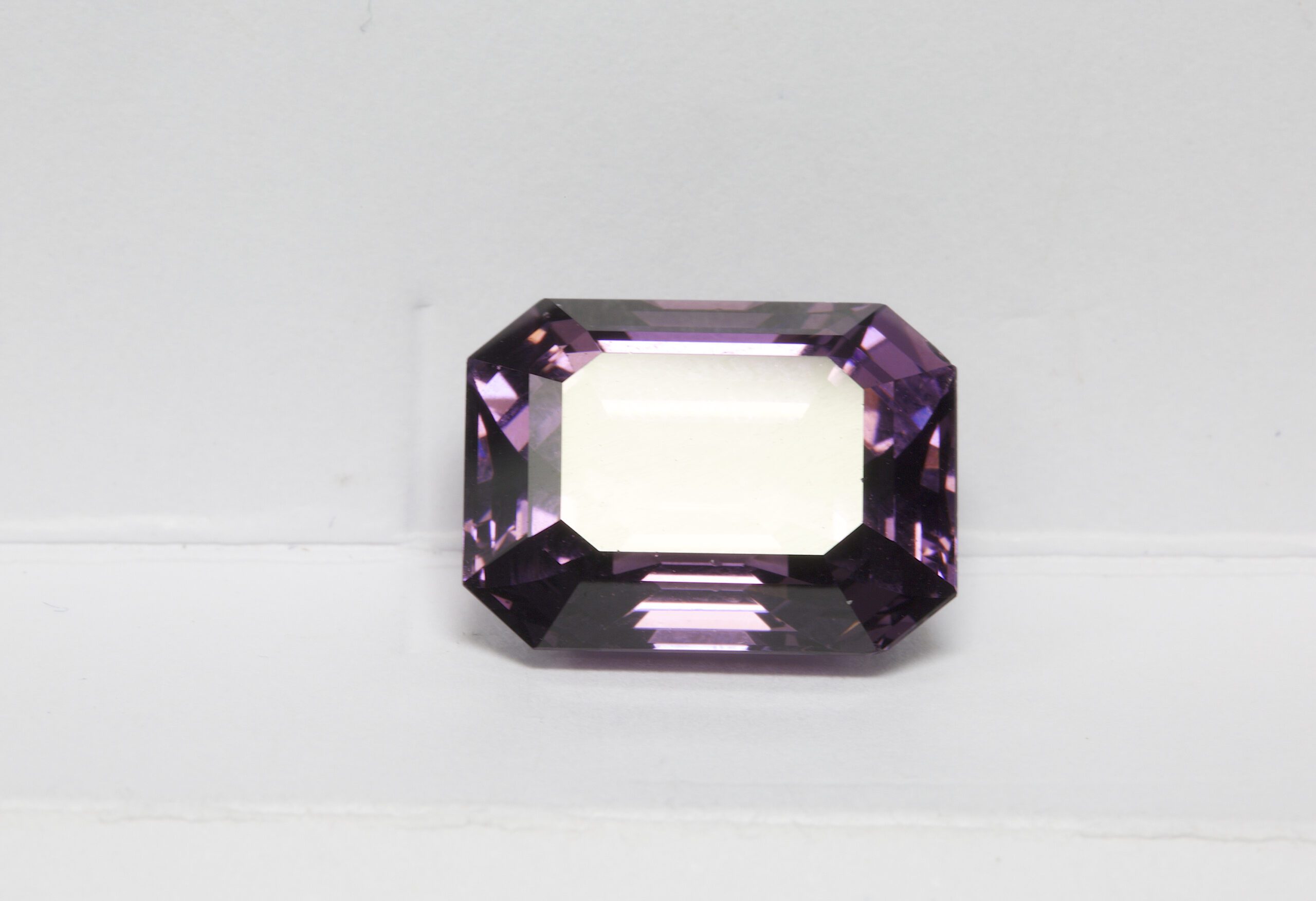
Spinel’s true brilliance lies in its astonishingly diverse and captivating color palette, often rivaling the most prized hues of corundum. This spectrum includes vibrant reds, delicate pinks, enchanting blues, subtle violets, and even rare whites and grays.
Red and Pink Spinel: The coveted red and pink shades of spinel are primarily attributed to the presence of chromium, the same element responsible for the fiery brilliance of rubies. The most desirable colors are achieved when the chromium is minimally modified by iron. Exceptionally bright red spinels have earned the moniker "Jedi spinels" due to their rarity and intense saturation, as many other red spinels tend to be slightly darker. Chromium also activates fluorescence in spinel, causing red and pink varieties to glow a vivid red under long-wave ultraviolet light. This phenomenon, similar to some rubies, can enhance the perceived body color of the stone when exposed to daylight’s ultraviolet radiation.
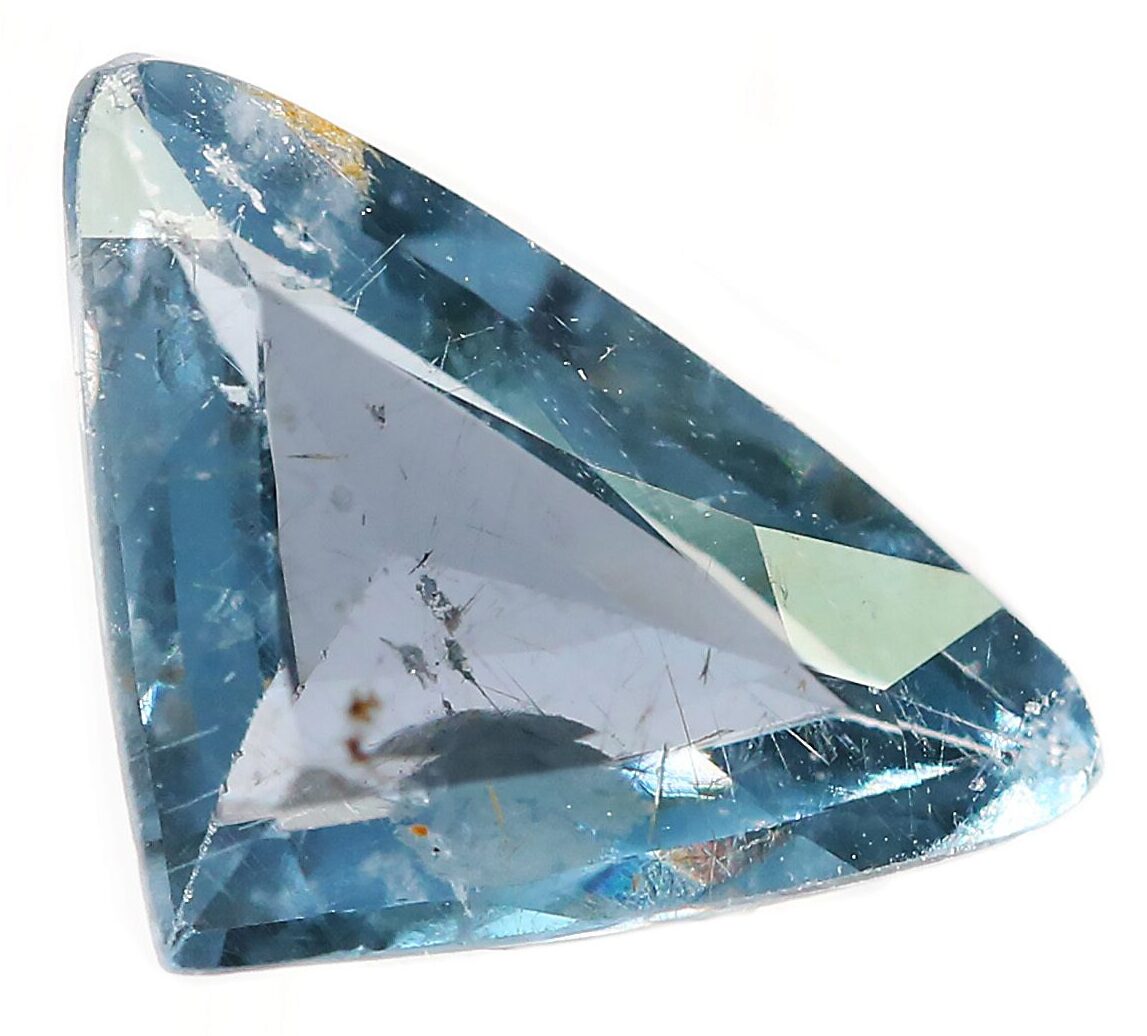
Blue Spinel: The enchanting blues of spinel are typically imparted by iron and cobalt. Historically, many blue spinels were colored predominantly by iron, resulting in rather subdued tones that failed to capture the attention of the jewelry trade. However, in recent decades, significant discoveries have yielded spinels colored by cobalt, exhibiting intense and vibrant blues that rival the finest sapphires. These cobalt-blue spinels are among the most prized and valuable in the market.
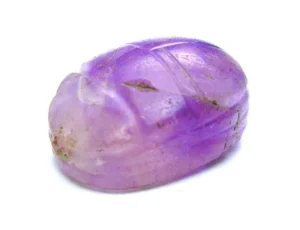
Other Colors: Combinations of red and blue can create a spectrum of fascinating violet, lavender, and purple hues. Orange and yellow spinels are less common but equally beautiful. White spinels, though rare and highly collectible, are seldom found in jewelry. In recent years, gray spinels, often displaying subtle blue or purplish undertones, have garnered significant interest in the gem market. Black spinel, on the other hand, is readily available and offers a sleek, modern aesthetic.
Spinel vs. Corundum: A Historical Conundrum
The striking brilliance of well-cut spinels, coupled with their diverse and appealing colors, has historically led to frequent comparisons with corundum. In centuries past, this confusion was particularly pronounced, with red spinels being routinely misidentified as rubies or considered a variant of them. This historical misattribution has, unfortunately, led many to perceive spinel as a mere substitute for corundum, rather than recognizing its intrinsic value and beauty as a distinct gemstone.
Famous historical "rubies," such as the Black Prince’s Ruby, a magnificent centerpiece in the Imperial State Crown of the United Kingdom, are, in fact, exceptionally large red spinels. This historical precedent underscores the long-standing confusion and highlights the need to appreciate spinel for its own unique merits.
Treatment and Synthesis: Understanding Modern Gemology
Unlike many other gemstones, the colors of natural spinel are not typically enhanced through heat treatment, as the process offers minimal benefits. However, surface diffusion techniques have been employed to introduce coloring elements like cobalt and nickel a short distance into pre-cut stones, primarily to enhance blue colors or, occasionally, to create green hues using nickel. These treatments are identifiable by the concentrated color along the facet junctions and evidence of high-temperature processes.
Synthetic spinels are most commonly produced using the Verneuil process, a flame fusion method. These synthetic versions are almost always created to imitate other gemstones, making their identification relatively straightforward for experienced gemologists. Flux-grown synthetic spinels are intended to mimic natural spinel but can be distinguished by characteristic inclusions of transparent brownish flux and, to some extent, by their spectral properties.
The Ascending Star: Spinel’s Future in the Gemstone Market
Spinel, a gemstone that has historically been somewhat overlooked, is now experiencing a well-deserved resurgence in popularity within the jewelry trade. Its combination of exceptional durability, a breathtaking spectrum of colors, and increasing availability is making it a favored choice for designers and consumers alike. As gemological understanding advances and the allure of unique and beautiful gemstones continues to grow, spinel is poised to appear more frequently in exquisite jewelry creations, solidifying its status as a gemstone of enduring brilliance and profound historical significance.
Main Facts:
- Composition: Spinel is an oxide mineral, typically composed of magnesium, aluminum, and oxygen.
- Crystal System: Crystallizes in the cubic system, often forming octahedral crystals.
- Hardness: 8 on the Mohs scale, making it very durable.
- Toughness: High due to the absence of cleavage.
- Optical Properties: Isotropic with an RI around 1.717.
- Colors: Occurs in a wide range of colors, including red, pink, blue, violet, purple, orange, yellow, gray, white, and black.
- Origin: Primarily found in metamorphosed marbles in regions like East Africa, Sri Lanka, and Southeast Asia.
- Historical Confusion: Often confused with ruby and sapphire due to similar colors and appearance.
- Durability: Resistant to chemicals and its colors do not fade.
Chronology of Understanding:
- Ancient Times to Early Gemology: Spinel was frequently mistaken for ruby and sapphire, leading to its historical misclassification. Famous historical "rubies" are now known to be spinels.
- 18th-19th Centuries: As gemological science advanced, the distinct mineralogical properties of spinel began to be understood, differentiating it from corundum.
- 20th Century: Continued research clarified spinel’s chemical composition, optical properties, and geological origins. However, it remained largely in the shadow of more popular gemstones.
- Late 20th to 21st Century: Increased recognition of spinel’s inherent beauty, durability, and rarity, particularly in vibrant colors like cobalt blue and "Jedi" red, has led to a significant rise in its appreciation and market value. Gemological organizations and educational bodies actively promote understanding and identification of spinel.
Supporting Data:
- Mohs Hardness of 8: Places it among the most durable gemstones, suitable for all types of jewelry.
- Refractive Index (RI) of ~1.717: While similar to corundum’s RI (~1.76-1.77), slight differences, along with other optical properties, aid in distinction.
- Fluorescence: Red and pink spinels often exhibit strong red fluorescence under long-wave UV light, a characteristic shared with some rubies.
- Spectral Analysis: Distinctive spectral lines for red and blue spinels are crucial for identification and differentiating natural from synthetic stones.
- Inclusion Types: Specific inclusions like octahedral-shaped mineral grains in feather-like patterns are characteristic of spinel.
Official Responses/Industry Trends:
- Gemological Institutes: Organizations like the Gemological Institute of America (GIA) and the Gemmological Association of Great Britain (Gem-A) provide detailed information and identification services for spinel, emphasizing its importance as a distinct gemstone.
- Jewelry Trade: High-end jewelry designers and retailers are increasingly incorporating spinel into their collections, recognizing its appeal to consumers seeking unique and high-quality gemstones.
- Market Appreciation: The market value of fine spinel, especially in desirable colors and with excellent clarity, has seen a steady increase, reflecting its growing demand and recognition.
Implications:
- Consumer Education: Greater awareness of spinel’s qualities is empowering consumers to make informed purchasing decisions and appreciate a wider range of beautiful gemstones.
- Jewelry Design: The availability of spinel in a broad color spectrum and its durability opens up new creative avenues for jewelry designers.
- Gemological Identification: Accurate identification of spinel is crucial for the trade to prevent misrepresentation and ensure fair valuation, especially given its historical confusion with corundum.
- Conservation and Sourcing: As demand for spinel grows, responsible sourcing and ethical mining practices become increasingly important to ensure the long-term sustainability of its supply.