By [Your Name/Journalist Desk]
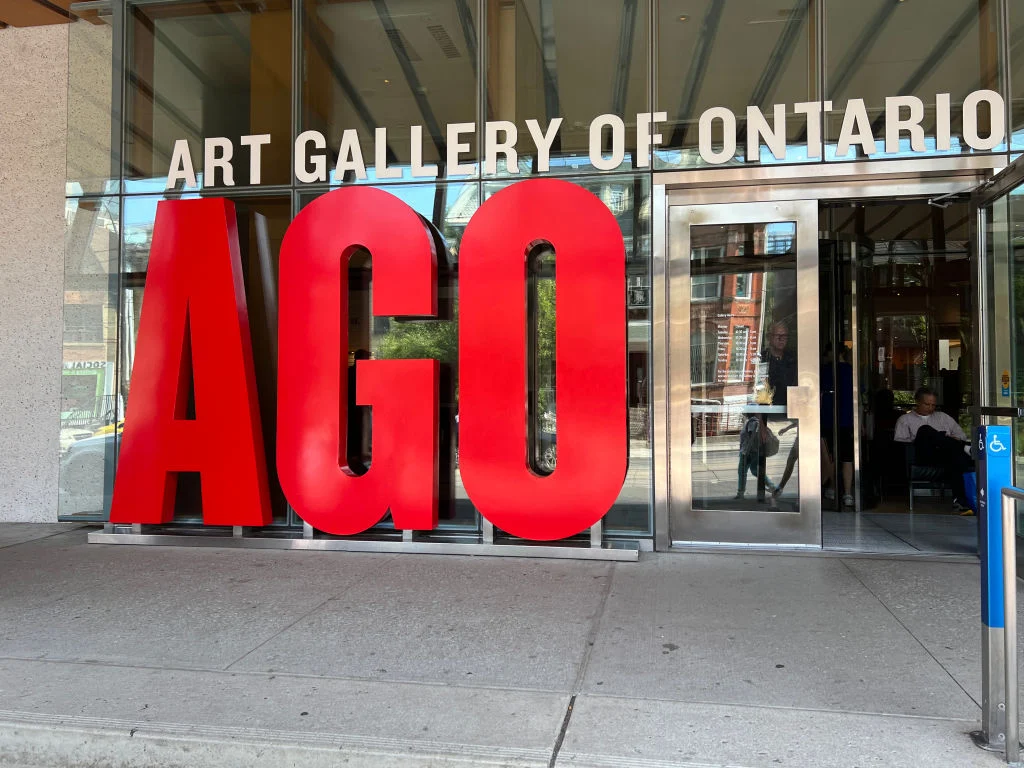
The Art Gallery of Ontario (AGO), one of North America’s most significant cultural institutions, finds itself at a pivotal crossroads. On Tuesday, the museum announced that its long-standing director and CEO, Stephan Jost, will be stepping down from his posts at the end of the year. The departure concludes a decade-long tenure that has been defined by a striking duality: ambitious, record-breaking institutional growth tempered by intense internal volatility and external public scrutiny.
Jost’s exit marks the end of an era that saw the AGO transform from a regional powerhouse into a globally recognized destination for contemporary art. However, his departure also follows a period of mounting tension regarding the museum’s stance on political expression, labor relations, and the role of cultural institutions in an increasingly polarized world.
The Architect of Expansion: A Decade of Transformation
Stephan Jost arrived at the AGO in 2016, following a successful stint as the director of the Honolulu Museum of Art in Hawaiʻi. From his earliest days, his mandate was clear: modernize the institution, secure its financial future, and broaden its demographic reach.
Under his stewardship, the AGO has seen an unprecedented influx of capital and collections. According to the museum’s official transition statement, Jost was instrumental in securing $500 million in philanthropic gifts during his tenure. These funds were not merely deposited; they were actively deployed to aggressively expand the museum’s holdings in modern and contemporary art.
Significant acquisitions made under his watch include massive collections of works by iconic figures such as Diane Arbus (450 works), Peter Hujar (200 works), and Hiroshi Sugimoto (227 works). These acquisitions were part of a broader, strategic push to position the AGO as a premier repository for 20th and 21st-century art. This trajectory will culminate in 2027 with the opening of a new, 40,000-square-foot, five-story gallery dedicated entirely to modern and contemporary art—a project that currently stands as the cornerstone of Jost’s professional legacy.
Furthermore, Jost championed accessibility. One of his most widely lauded initiatives was the restructuring of the museum’s admission policy, which granted free entry to all Ontario residents under the age of 25. This move was a calculated effort to cultivate a younger, more diverse audience, a demographic shift that the museum’s board of trustees has pointed to as a primary metric of his success.
A Chronology of Polarization
While the metrics of attendance and acquisition tell a story of unmitigated success, the lived reality within the museum’s walls over the last three years suggests a more complex narrative.
- 2016: Stephan Jost assumes the role of Director and CEO of the Art Gallery of Ontario.
- 2016–2022: A period of aggressive fundraising and collection expansion. The "AGO 2028" strategic plan is formalized.
- 2023 (Autumn): The departure of Wanda Nanibush, the AGO’s inaugural curator of Indigenous art, sparks widespread controversy. The exit follows intense scrutiny regarding her social media activity concerning the conflict in Gaza. Her departure triggers a wave of solidarity and resignations among other staff members.
- 2024 (March): Following prolonged negotiations over wages and working conditions, more than 400 unionized AGO employees initiate a strike. The museum is forced to close its doors for a month, marking a significant disruption to public service and institutional morale.
- 2024 (Early): Reports surface that the museum declined to acquire a work by photographer Nan Goldin, allegedly due to the artist’s vocal criticism of Israel’s military campaign in Gaza. This decision leads to the resignation of a senior curator and fuels accusations of ideological censorship.
- 2024–2025: Jost serves as president of the Association of Art Museum Directors (AAMD), cementing his influence over the broader North American museum sector.
- 2024 (November): The AGO announces that Jost will resign at the end of the calendar year.
The Intersection of Art and Politics
The latter years of Jost’s tenure have been characterized by the increasingly difficult task of navigating the "culture wars" within the museum space. The departure of Wanda Nanibush was perhaps the most public flashpoint. As the first person to hold the role of curator of Indigenous art, Nanibush was a vital figure in the AGO’s efforts toward reconciliation and decolonization. Her sudden exit created a void that many in the Canadian arts community felt represented a step backward for the institution.
The subsequent reports regarding the rejection of Nan Goldin’s work further intensified the criticism. Critics argued that the AGO, by shying away from politically charged art, was betraying the very mission of modern and contemporary galleries, which are traditionally tasked with providing a platform for difficult, urgent conversations. These episodes forced the AGO into a defensive posture, leading to questions about the extent of administrative influence on curatorial independence.
Labor Relations and Institutional Stability
Beyond ideological friction, Jost faced a significant challenge in managing the museum’s human capital. The 2024 strike was a defining moment for the institution. For a month, the AGO remained silent, its galleries dark, while workers picketed for wage increases that would account for the rising cost of living in Toronto.
While the strike eventually ended with a ratified contract, the optics of the closure—and the underlying grievances expressed by the staff—left a mark on the institution’s reputation. For an organization that prides itself on being a public-facing, community-oriented space, the confrontation between leadership and the workforce created a disconnect that some observers feel has yet to be fully reconciled.
Official Responses and the Search for Success
In his formal statement, Jost framed his resignation through the lens of mission accomplishment. "Over the summer, I reflected on arriving at the AGO 10 years ago and establishing the Strategic Plan we call AGO 2028," Jost stated. "I realized that we have met our goals ahead of schedule. Now is the time to set the AGO up for the future with new leadership."
The museum board has been quick to offer full-throated support for his tenure. Beth Horowitz, the museum’s board co-president, lauded Jost for his transformative influence. "Stephan has transformed the AGO over the past decade," Horowitz said. "The collection is broader, deeper, and more inclusive; the audience is younger and more diverse. His leadership of the Dani Reiss Modern and Contemporary Gallery project—fully funded and on track—is his legacy and will have a lasting impact."
Despite the praise, the board now faces the daunting task of finding a successor who can balance the museum’s aggressive expansionist goals with the need to heal internal rifts and restore trust with a skeptical arts community.
Implications for the Future of the AGO
As the search for a new CEO begins, the AGO finds itself at a crossroads. The physical expansion—the massive new gallery—is set to define the museum’s footprint for decades to come. However, the cultural footprint of the institution will depend on how the next leader addresses the systemic issues that emerged under Jost.
Can a major institution remain a neutral space while engaging with the world’s most pressing political conflicts? How does an organization balance the demands of massive capital-intensive projects with the needs of its frontline workforce? And, perhaps most importantly, how does the AGO continue to pursue its mandate of inclusivity while ensuring that its curatorial staff feels empowered to pursue challenging, potentially controversial work?
Stephan Jost leaves behind a museum that is, by almost any traditional metric, stronger than the one he inherited in 2016. He has secured the future of the AGO in terms of space, funding, and collection. Yet, he also leaves behind a set of unresolved questions regarding the institutional culture of the museum. The next chapter for the AGO will not be written in bricks and mortar, but in the institutional culture that replaces the current regime. As the Canadian arts community looks toward the new year, all eyes will be on the board of trustees to see what kind of leader they deem necessary for the next phase of the gallery’s life—a leader who must be as adept at navigating the boardroom as they are at navigating the volatile, and increasingly political, landscape of the 21st-century art world.