

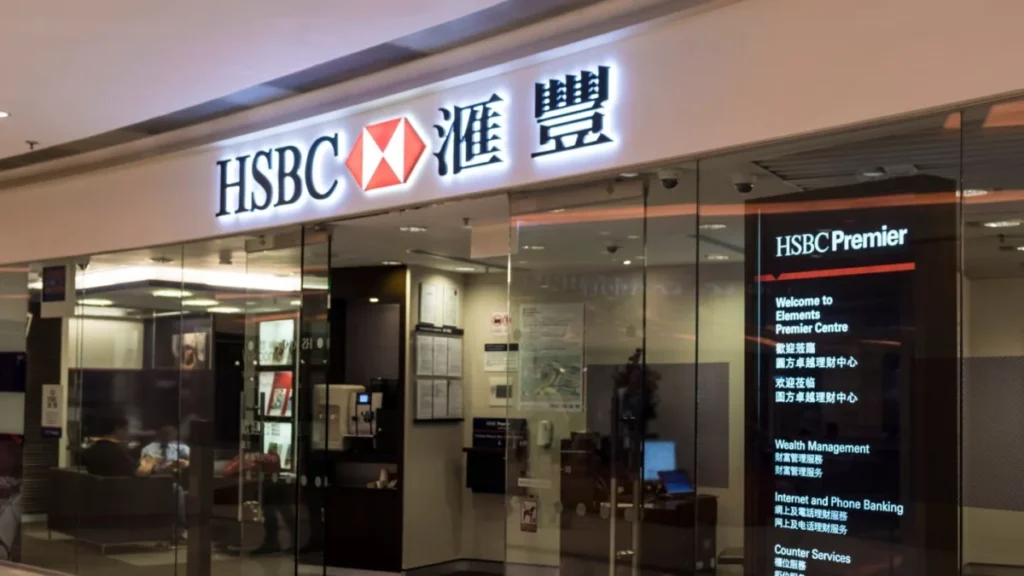
The delicate balance of power between Asia’s two premier financial hubs—Hong Kong and Singapore—has been thrown into sharp relief following revelations that the Hong Kong Monetary Authority (HKMA) has engaged in rigorous discussions with HSBC over the bank’s strategic decision to anchor its new artificial intelligence (AI) hub in the Lion City.
The move by the Hong Kong regulator highlights a growing anxiety within the territory regarding the potential migration of high-value technical talent and leadership roles to competing jurisdictions. As global financial institutions navigate a complex web of restructuring, the HKMA’s intervention serves as a stark reminder of the intense geopolitical and economic competition to remain the primary gateway to Asian finance.
The Genesis of the AI Hub Dispute
In July, HSBC announced the establishment of a “global AI centre of excellence” in Singapore. The project, designed to spearhead the bank’s digital transformation, is slated to recruit over 100 AI specialists. These experts are tasked with revolutionizing the bank’s wealth management and payments divisions, two sectors that are critical to HSBC’s long-term profitability.
For the HKMA, the announcement was not merely a corporate operational decision; it was a perceived slight against Hong Kong’s status as a premier technological and financial center. Sources familiar with the matter indicate that the territory’s de facto central bank approached the lender in recent months, seeking clarity on why such a significant investment in human capital and innovation infrastructure was directed toward Singapore rather than the Chinese territory.
“Hong Kong is very sensitive to resourcing externally, especially if it’s seen as moving,” one individual with knowledge of the dialogue stated. The regulator’s concerns are rooted in a fear that, despite HSBC’s historical and financial ties to Hong Kong, the bank’s future-facing initiatives are increasingly finding a home elsewhere, potentially eroding Hong Kong’s competitive edge.
A Chronology of Shifting Priorities
To understand the current tension, one must look at the recent trajectory of HSBC under the leadership of its new CEO, Georges Elhedery.
- The Early Summer Pivot: Shortly after taking the helm, Elhedery oversaw a series of strategic maneuvers. In a significant show of commitment to Hong Kong, HSBC moved to take full control of Hang Seng Bank in a transaction valued at $14 billion.
- The Singaporean Counterbalance: Shortly thereafter, in an apparent attempt to balance its regional footprint, the bank unveiled the Singapore AI center. Analysts suggest this was partly a signal to the Singaporean government that the bank remains committed to the city-state, especially following its decision to sell its Singaporean insurance arm to Allianz for $2.1 billion.
- Regulatory Inquiry: Following the public unveiling of the AI hub, the HKMA initiated private, high-level discussions with the bank. These conversations were not confined to the AI center; they broadened into a wider debate regarding the geographical placement of the bank’s senior management team.
- Standard Chartered’s Response: In a move that highlights the differing strategies of major banks, Standard Chartered has taken a contrary path, actively relocating key executives from Singapore to Hong Kong, likely in a pre-emptive effort to appease local regulators and align with the HKMA’s expectations.
Strategic Restructuring and the "Home Market" Dilemma
The restructuring led by Georges Elhedery is defined by a rigorous prioritization of resources. As the bank exits certain international markets to concentrate its fire on key regions, it finds itself in a perpetual negotiation with regulators in both London and Hong Kong.
HSBC, which famously refers to both London and Hong Kong as its "home markets," is currently walking a tightrope. On one hand, it must satisfy the requirements of the Prudential Regulation Authority (PRA) in the UK; on the other, it must answer to the HKMA’s mandate to protect the territory’s status as an international financial hub.
The bank’s official stance remains one of cautious diplomacy. "We have senior leaders based in both our home markets of London and Hong Kong," a spokesperson stated, declining to comment on the specific nature of the discussions regarding the Singapore facility. This non-committal language reflects the pressure the bank faces in balancing the interests of two of the world’s most influential financial regulators.
The Regulatory Mandate: Why the HKMA Intervenes
The HKMA’s interest in where senior executives sit and where research centers are built is not merely bureaucratic—it is statutory. One of the HKMA’s four primary responsibilities is to maintain and promote the status of Hong Kong as an international financial centre.
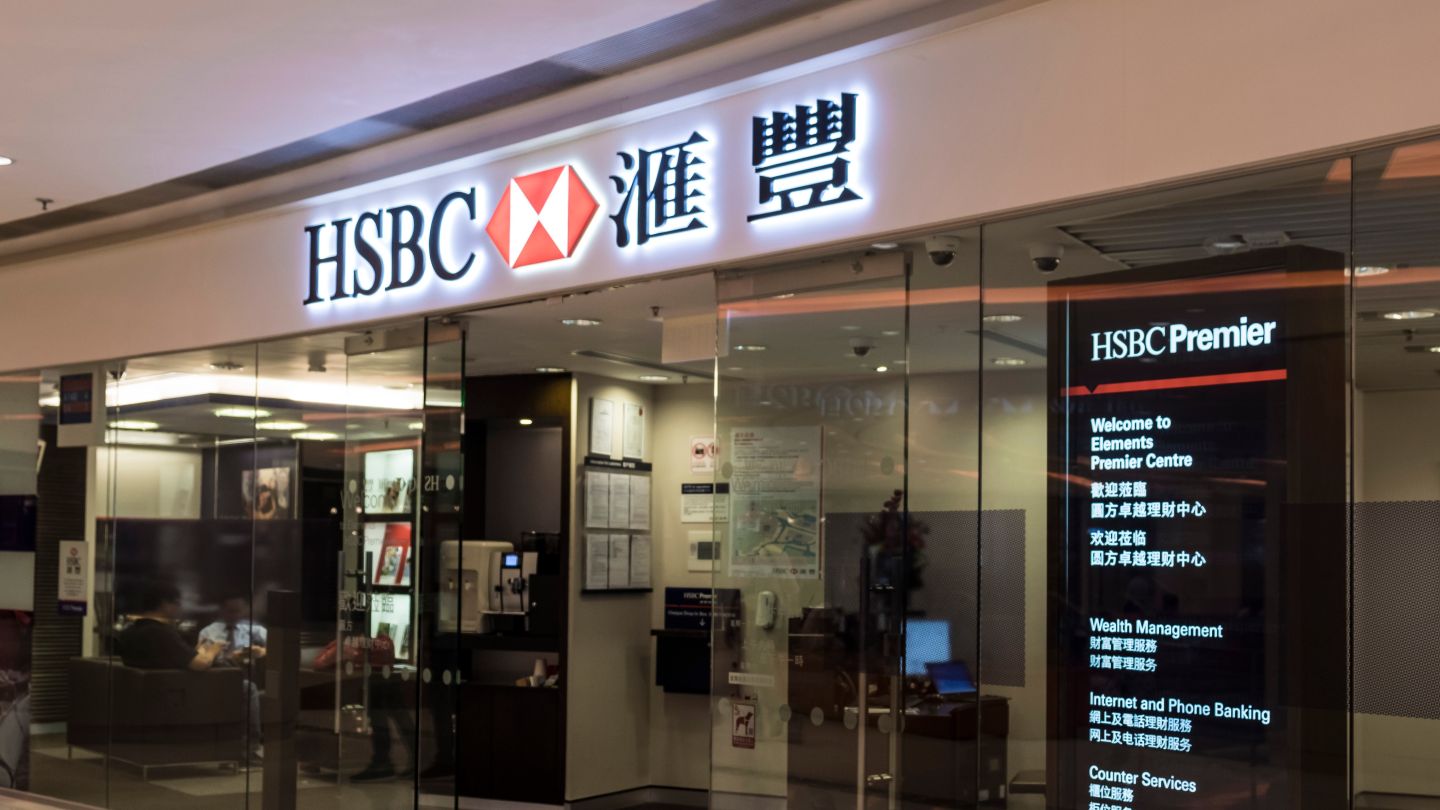
Regulators view the physical presence of senior decision-makers as vital for accountability. When a bank centralizes its AI development or its executive decision-making in another jurisdiction, it risks creating a "hollowed-out" presence in Hong Kong, where the bank’s most critical functions are performed by teams thousands of miles away.
"The HKMA is not just concerned with monetary policy; they are the stewards of Hong Kong’s economic ecosystem," explains one market analyst. "If they perceive that a systemic institution like HSBC is drifting away, it is their duty to intervene, regardless of the bank’s global operational requirements."
The regulator’s insistence on "local executive presence" is a long-standing requirement. By ensuring that key leaders are on the ground in Hong Kong, the HKMA maintains a direct line of sight into the bank’s risk management, capital allocation, and strategic direction.
Implications for the Future of Asian Finance
The friction between HSBC and the HKMA serves as a microcosm of a larger trend in global banking. As AI and digital transformation become the pillars of modern finance, the competition for the hubs that host these technologies will only intensify.
1. The War for AI Talent
The decision to place the AI hub in Singapore was likely driven by the availability of specialized talent and the city-state’s aggressive digital-first policy. If Hong Kong intends to remain competitive, it may need to offer more robust incentives for tech firms and research institutes to set up shop within its borders.
2. The Limits of "Global" Banking
HSBC’s struggle illustrates that even the most globalized institutions are still tethered to the national interests of the regulators in their primary markets. The era of the "borderless" bank is being challenged by a return to regulatory nationalism, where governments demand that the benefits of technological innovation remain localized.
3. The Future of the HK-Singapore Rivalry
For years, the narrative has been one of a zero-sum game between Hong Kong and Singapore. However, as both cities evolve, they may find that their roles are increasingly specialized. Hong Kong remains the primary bridge to the Chinese mainland, while Singapore continues to cement its role as the hub for Southeast Asian operations. The current tensions suggest that banks will have to be increasingly transparent about their strategic intentions to avoid being caught in the crossfire of these two powerful regulators.
Conclusion: A Delicate Balancing Act
As the dust settles on the HKMA’s inquiries, it is clear that HSBC faces an arduous path ahead. The bank must continue to deliver on its ambitious restructuring goals while navigating the sensitivities of its primary stakeholders.
The construction of an AI research institute in Hong Kong—a project currently underway—may serve as a peace offering to the HKMA, demonstrating that the bank is not abandoning the territory in favor of Singapore. However, the broader question remains: how much autonomy can a global bank truly have when its two most important home markets are locked in a competition for influence?
For now, the dialogue between the HKMA and the banks continues behind closed doors. The outcome of these discussions will likely set the tone for how multinational corporations manage their regional hubs in the coming decade, proving that in the world of high finance, geography is far from obsolete.



