
The private banking sector is currently navigating a pivotal transition. Moving away from the era of "innovation for innovation’s sake," the industry is entering a phase defined by tangible performance metrics, rigorous digital execution, and a laser-focus on demonstrable client outcomes. This shift was the defining narrative of the 36th annual PBI Global Wealth Awards, held on 8 October 2026, in the global financial hub of Singapore.
As the ceremony concluded, the industry received a clear message: the institutions that are thriving are not merely those that invest in flashy technologies, but those that can prove how their digital and human strategies translate into real-world prosperity for high-net-worth (HNW) and ultra-high-net-worth (UHNW) clients.
The Global Leaders: RBC Wealth Management Ascendant
At the pinnacle of this year’s accolades, RBC Wealth Management emerged as the standout institution, securing the prestigious title of Outstanding Private Bank – Global. The win is a testament to the firm’s ability to scale high-touch advisory services across diverse regulatory and economic landscapes.
Beyond the global title, RBC dominated several key categories, including Outstanding Private Bank – North America and the highly contested Growth Strategy award. Industry analysts point to RBC’s ability to integrate institutional-grade research with personalized wealth management solutions as a primary driver of their success. By maintaining a robust balance between traditional relationship management and advanced portfolio analytics, the firm has set a benchmark for competitors globally.
The individual spotlight shone on the talent driving these institutions forward. Terence Goh of Maybank Private was honored as Global Private Banker of the Year, an award recognizing his exceptional leadership, client advocacy, and ability to navigate the complexities of the current macroeconomic environment.
Regional Victories and the Shift in Strategic Focus
The awards ceremony highlighted a diverse geography of excellence, showcasing how private banking is evolving at different speeds across the globe.
- Affin Bank captured the title of Outstanding Private Bank – Asia Pacific, reflecting the region’s rapid digital adoption and the growing demand for sophisticated succession planning.
- Maybank Private was crowned Outstanding Private Bank – Southeast Asia, underscoring the success of their localized approach to wealth management in one of the world’s fastest-growing wealth corridors.
- Itaú Private Bank earned the title of Outstanding Private Bank – Latin America, a significant achievement given the volatility and unique opportunities present in the South American market.
These regional wins illustrate that there is no "one-size-fits-all" model for private banking. Whether it is through hyper-local service delivery or global digital platforms, the common thread among the winners is their commitment to evidence-based growth.
Chronology: A Day of Recognition in Singapore
The 8 October reception in Singapore served as more than just a gala; it acted as a barometer for the health and direction of the industry. The day began with a series of executive roundtables, where leaders discussed the challenges of wealth transfer, the integration of AI, and the rising tide of regulatory scrutiny.
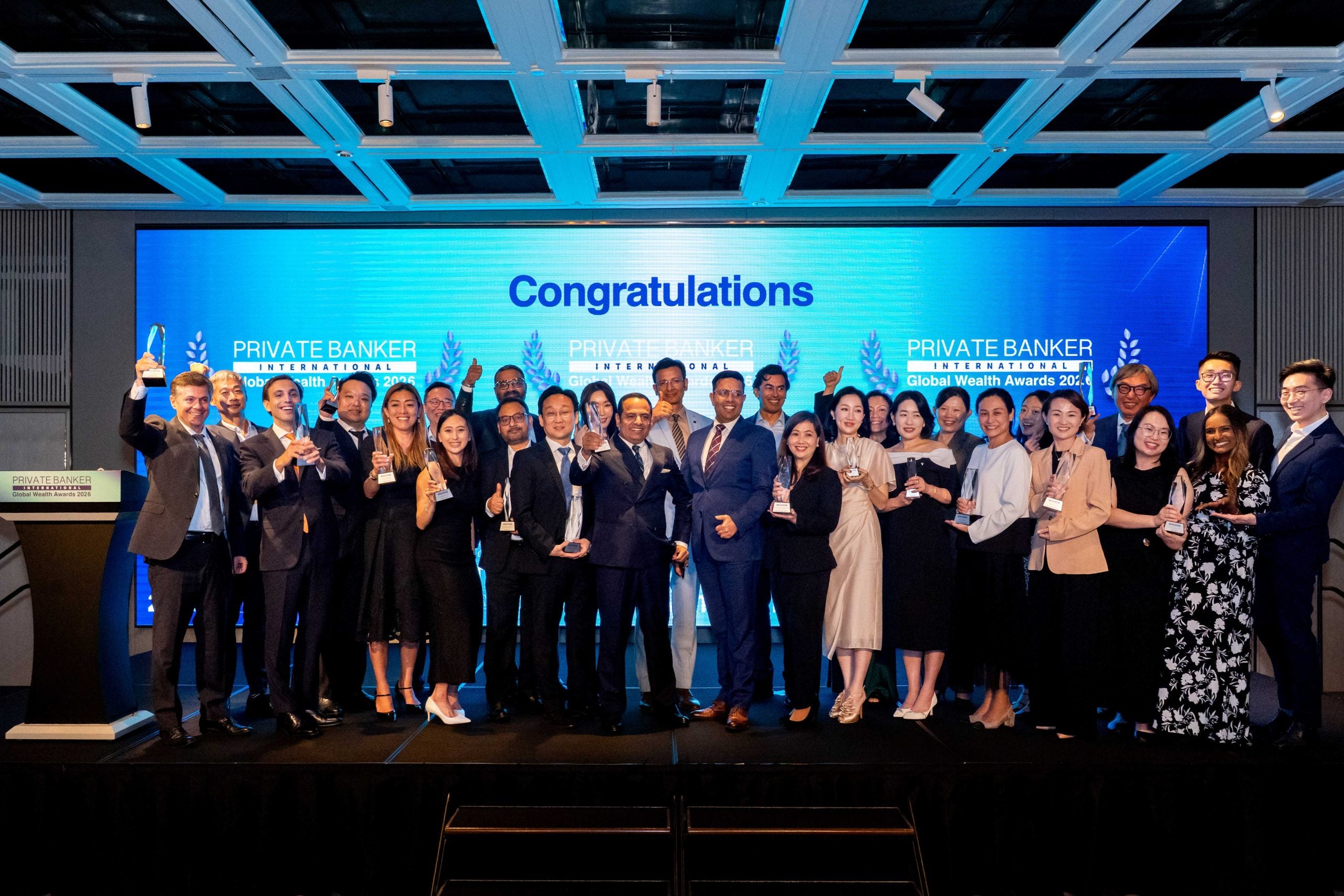
Following the daytime sessions, the awards gala brought together the C-suite of the world’s most prominent private banks. The announcement of the winners marked the culmination of a rigorous, months-long judging process that involved evaluating not only the breadth of services offered but the depth of their impact on client balance sheets and long-term financial security.
Supporting Data: The Rise of Evidence-Led Banking
For years, the wealth management industry has been saturated with jargon surrounding "digital transformation." However, the 2026 PBI Global Wealth Awards signaled that the patience for vague marketing claims has evaporated.
A key differentiator this year was the demand for empirical evidence. Judges were tasked with scrutinizing entries based on measurable performance indicators. For example, Taishin International Bank’s victory in the Most Innovative Digital Offering category was not based on the mere existence of a new app. Rather, it was based on their recommendation engine, which successfully integrated deep personalization with rigorous product economics. By demonstrating that their technology led to a higher conversion rate and more tailored client portfolios, Taishin provided the "proof of concept" that the judges were looking for.
Technology as an Enabler, Not a Replacement
While artificial intelligence, data analytics, and automated onboarding were central themes, the awards reaffirmed the indispensability of the human advisor. The data shows that while clients demand the speed and convenience of digital interfaces, they rely on human expertise for:
- Succession Planning: Navigating the complex transition of wealth between generations.
- Entrepreneurial Advisory: Providing insights into private equity, venture capital, and business exit strategies.
- Family Governance: Managing the emotional and logistical complexities of multi-generational family offices.
The integration of these elements—digital speed with human wisdom—is the hallmark of the modern, "evidence-led" bank.
Official Responses and Industry Insights
Sarah Rizvi, the Editorial and Programme Director for Banking & Finance at MEED, provided a definitive assessment of this year’s submissions.
"What stood out this year was the level of evidence behind the strongest entries," Rizvi remarked during the ceremony. "We saw institutions move beyond broad claims around innovation to show where technology, advice, and new operating models were producing measurable results for clients and the business. The industry has reached a level of maturity where the question is no longer ‘Are you using AI?’ but ‘How does your use of AI demonstrably improve your client’s net returns or risk profile?’"
This shift in tone from the organizers suggests that future awards will continue to favor institutions that can provide transparent reporting on their internal performance metrics. It is an acknowledgment that the client of 2026 is better informed, more demanding, and less susceptible to industry buzzwords.

Implications for the Future of Wealth Management
The 2026 PBI Global Wealth Awards serve as a roadmap for the future of the private banking industry. As the sector moves forward, several long-term implications are clear:
1. The Death of Superficial Digitization
Banks that continue to prioritize digital interfaces without a corresponding improvement in the backend advisory logic will struggle to compete. Clients are increasingly using digital tools to track their wealth, which means they are also more capable of questioning the performance of their investments in real-time. Transparency is now a requirement, not a competitive advantage.
2. The Rise of the "Consultative Hybrid" Model
The most successful institutions are those that have moved toward a hybrid model. This model uses AI to filter massive datasets and identify market opportunities, but empowers the human advisor to act as a curator and guide. The "Global Private Banker of the Year" award to Terence Goh highlights that personal relationships, built on trust and a deep understanding of a client’s life goals, remain the ultimate competitive moat.
3. Hyper-Localization of Global Strategies
While RBC Wealth Management took the global crown, their victory was supported by strong, localized regional strategies. The era of a "global template" is fading; even the largest firms must prove that they can adapt their global infrastructure to the unique cultural and financial requirements of regional markets.
4. Focus on Client Outcomes
The most significant shift is the movement toward "outcome-based" pricing and performance measurement. Instead of focusing solely on Assets Under Management (AUM) growth, banks are increasingly incentivized to report on how their strategies impact the client’s long-term objectives—whether that is philanthropic success, multi-generational wealth preservation, or tax-efficient capital growth.
Conclusion
The 36th annual PBI Global Wealth Awards have set a new bar for the industry. As the sector continues to grapple with economic uncertainty, geopolitical volatility, and the rapid pace of technological change, the winners of these awards have provided a blueprint for stability and growth.
By prioritizing evidence over rhetoric, and measurable client outcomes over technological trends, these institutions have demonstrated that they are not just keeping pace with the industry—they are defining its future. The message from Singapore is clear: in a world of complexity, the winners will be those who can provide clarity, evidence, and results.
For those interested in analyzing the full scope of this year’s evaluation criteria, the complete list of winners and a detailed breakdown of the 2026 PBI Global Wealth Awards can be found on the official Private Banker International website.