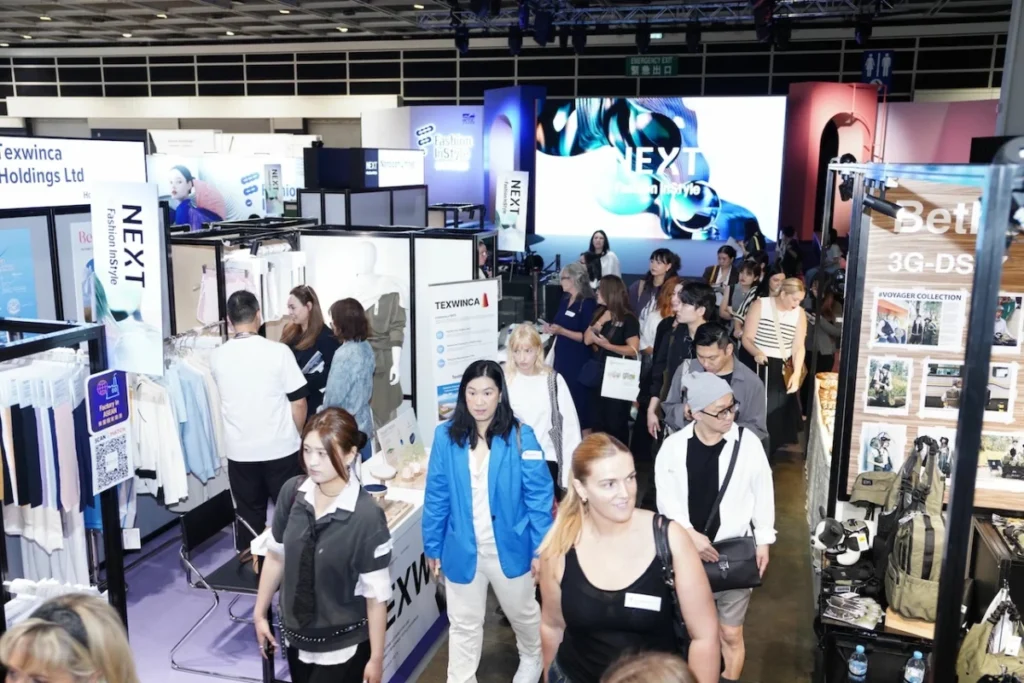
The global fashion landscape is currently navigating a period of unprecedented transformation. As consumer demand for sustainability shifts from a "nice-to-have" to an industry mandate, and as technological advancements push the boundaries of what a garment can be, the industry is looking toward a new frontier: material innovation. This April, the Hong Kong Convention and Exhibition Centre (HKCEC) will become the epicenter of this evolution as NEXT@Fashion InStyle returns as a cornerstone of the prestigious Fashion InStyle 2026 fair, running from 27 to 30 April.
Organized by the Hong Kong Trade Development Council (HKTDC), this event is more than a trade show; it is a critical nexus for the global fashion supply chain. By bridging the gap between raw material science, high-end design, and mass-market production, the fair acts as a catalyst for the next generation of apparel manufacturing.
Main Facts: A Hub for Global Transformation
At its core, NEXT@Fashion InStyle is designed to be a "one-stop sourcing platform." In an era where supply chain transparency is paramount, the event offers a comprehensive ecosystem for designers, manufacturers, and buyers.
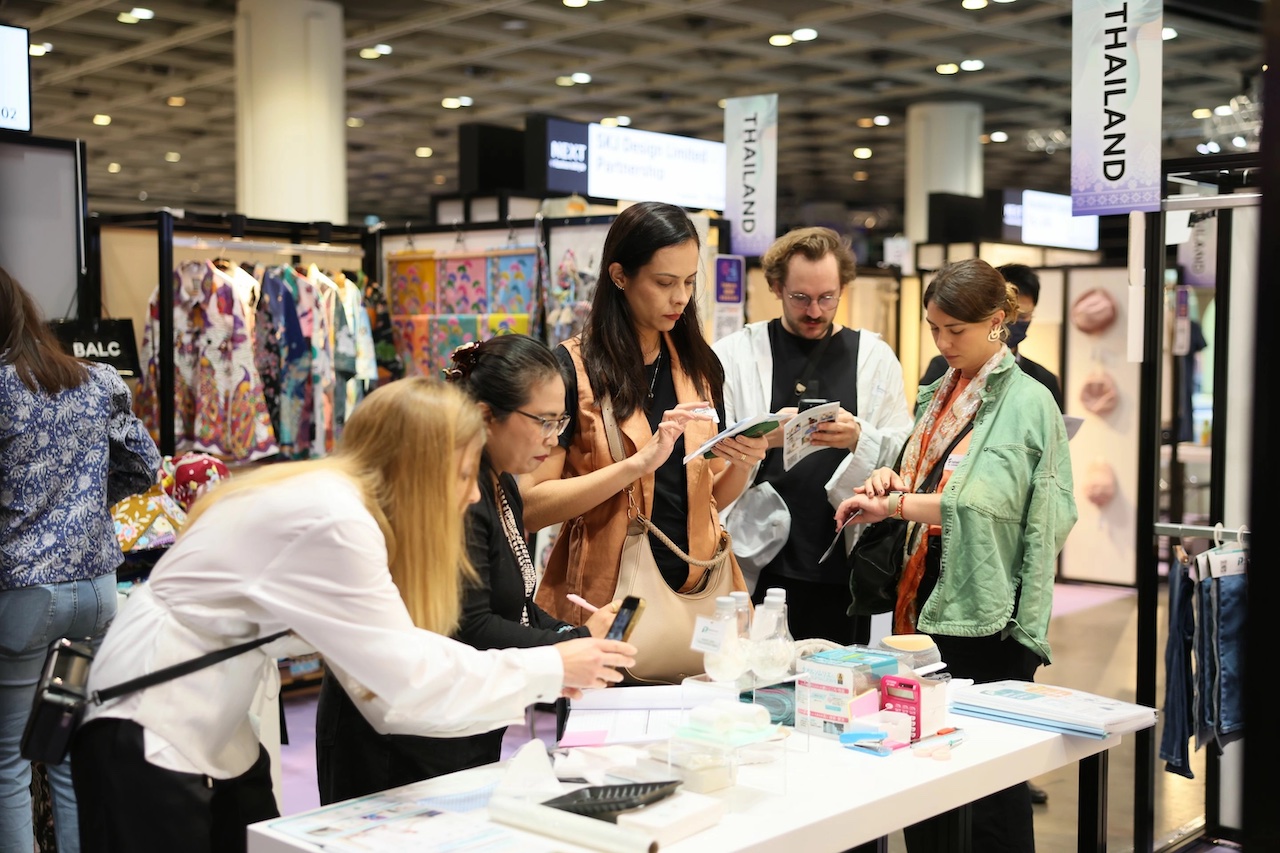
The event’s structure is anchored in three primary pillars: Cultural & Heritage, Sustainability, and Technology & Functionality. These themes are not merely abstract concepts but are the operational framework through which hundreds of international exhibitors will present their latest developments. With over 60 international exhibitors joining 30 specialized suppliers from the Philippines—this year’s featured partner—the fair creates a dialogue between regional craftsmanship and global material science.
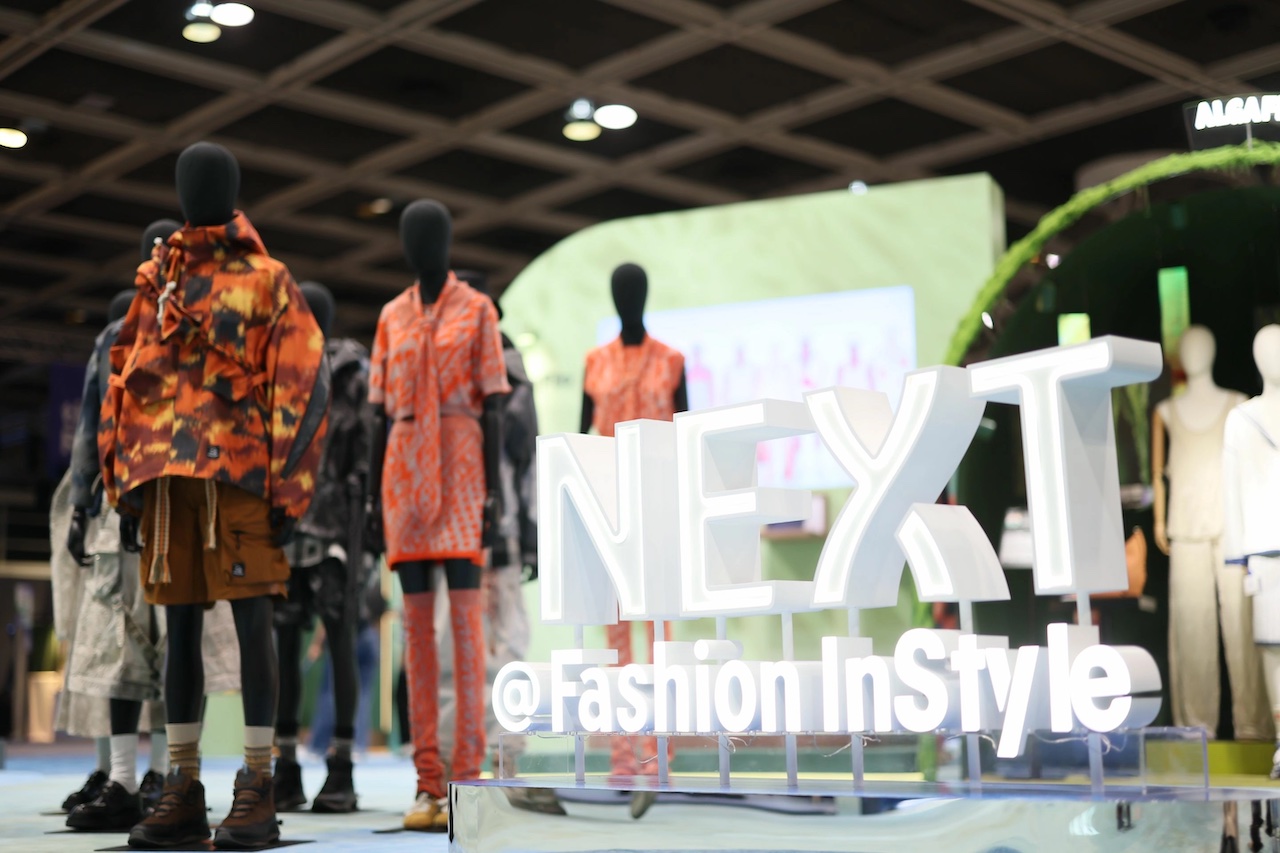
Supported by the Cultural and Creative Industries Development Agency, the participation of the Philippines is facilitated by the Philippine Trade and Investment Center (PTIC) and the Center for International Trade Expositions and Missions (CITEM). This strategic partnership highlights the increasing importance of Southeast Asian manufacturing in the high-value fashion sector, moving beyond traditional production to emphasize specialized textile innovation.
Chronology: The Road to Fashion InStyle 2026
The roadmap for this year’s event is designed to maximize engagement, stretching well beyond the four-day physical exhibition window.
- 20 April 2026: The digital doors open. Through the "EXHIBITION+" hybrid model, the Click2Match platform and hktdc.com Sourcing portal go live. This allows buyers to initiate preliminary business matching and sourcing inquiries before setting foot in the HKCEC.
- 27 April 2026: The grand opening of the physical fair at the HKCEC. The event kicks off with a series of high-profile seminars and the unveiling of the "Fashion Shock" collaborative projects.
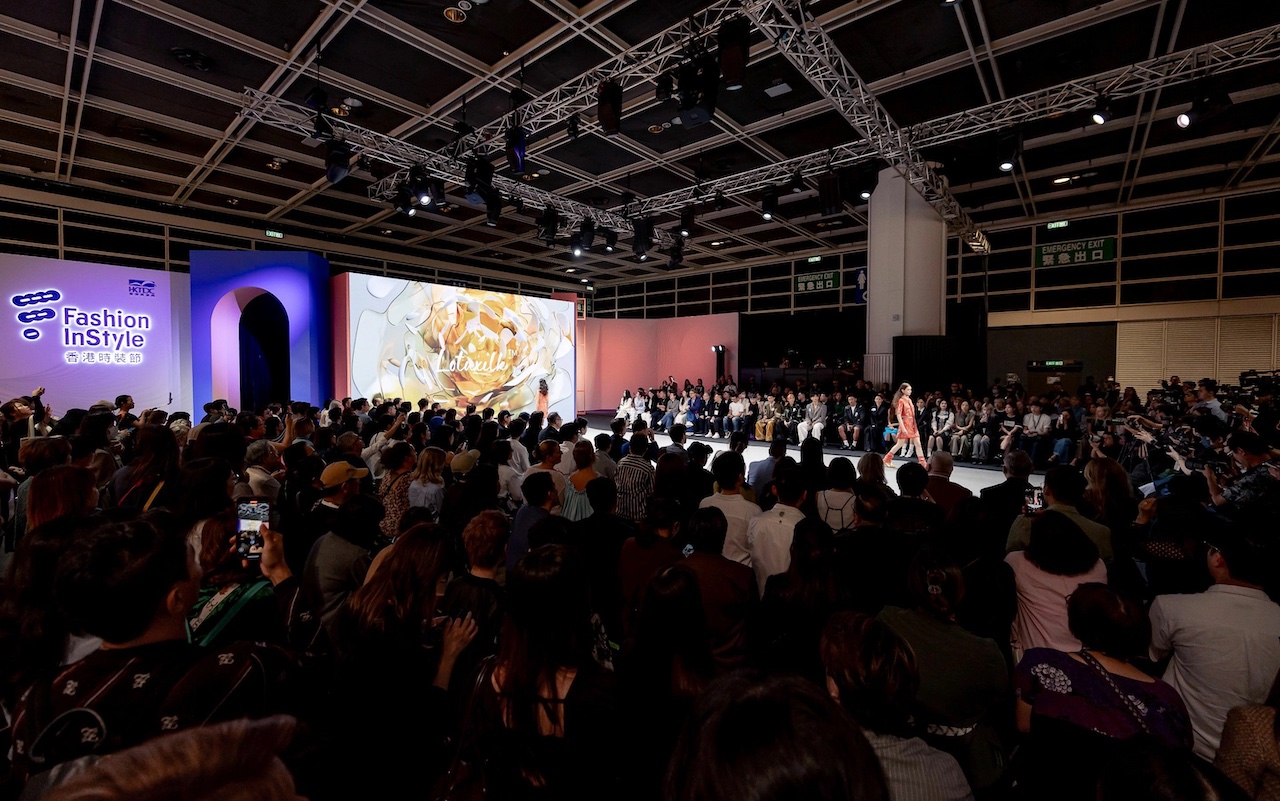
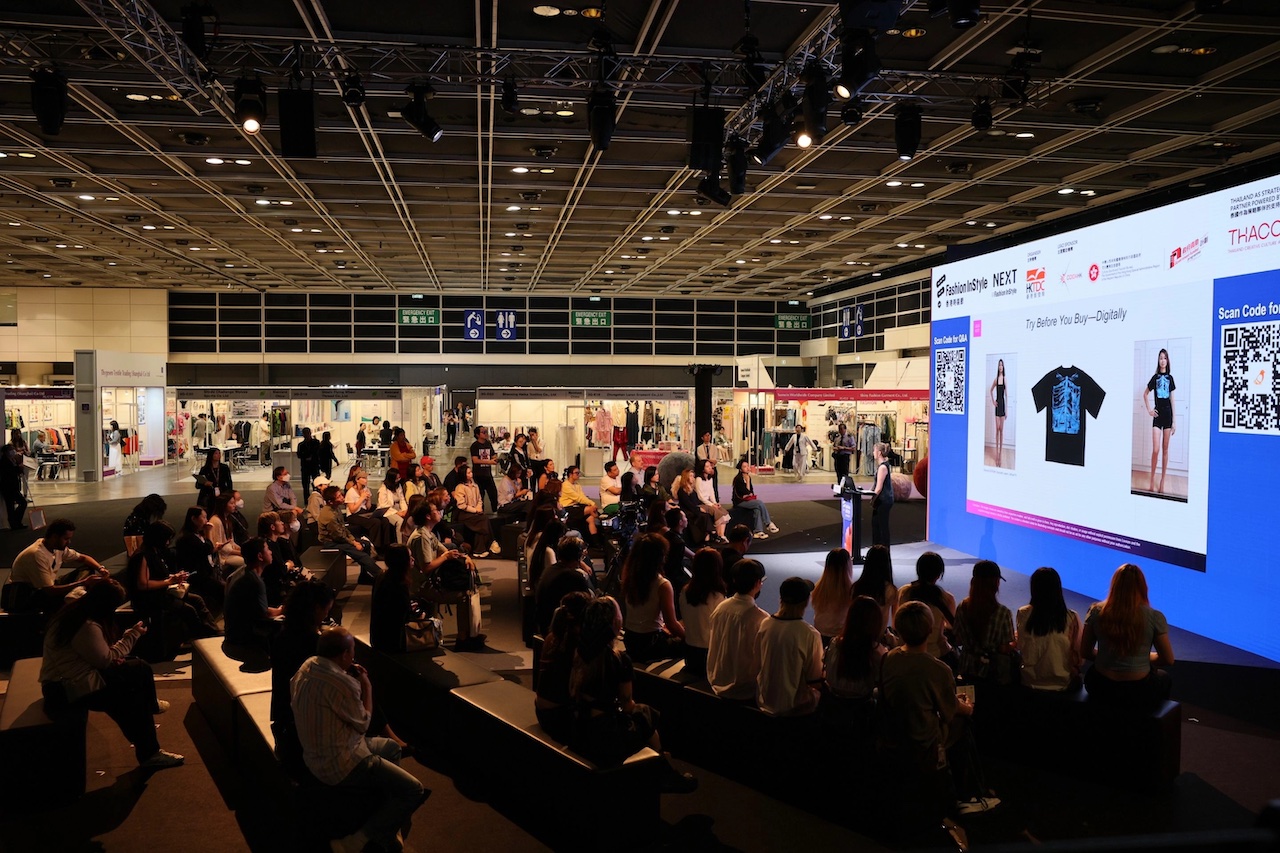
- 27–30 April 2026: The core event duration. Attendees will engage in daily fashion parades, material workshops, and curated industry dialogue sessions.
- 7 May 2026: The conclusion of the extended online sourcing period, ensuring that the momentum generated during the physical event translates into concrete, long-term business contracts.
Supporting Data: The Science Behind the Style
The heart of the NEXT@Fashion InStyle experience lies in the "Fashion Shock" projects, where curator and ambassador Han Chong—founder of the global sensation Self-Portrait—has challenged six emerging Hong Kong designers to push the limits of modern textiles.
The Material Revolution
The project results represent a synthesis of radical sustainability and high-performance engineering. Key material innovations being showcased include:
- Biodegradable Performance: Designers Toki Wong and Lusana Xu have utilized AlgaFila, a 100% biodegradable fiber, in tandem with Nanoflex. This pairing addresses the industry’s "durability paradox"—how to create clothing that is long-lasting during its lifecycle but harmless once discarded.
- Textural Synthesis: Jason Ying’s approach to denim is a masterclass in hybrid design. By weaving silky Tencel denim with sustainable leather and knit accessories, the collection achieves a sensory profile that is both high-fashion and environmentally responsible.
- Structural Manipulation: The label Ponder.er is pushing the structural boundaries of design, manipulating fiber architecture to create garments that move away from traditional patterns, favoring custom-developed textiles that serve as both the canvas and the architecture of the piece.
- Biological Integration: WILSONKAKI is leading the charge in bio-materials by incorporating mycelium-based fibers (mushroom-derived) with ultra-light H2 materials. This collage-style construction suggests a future where garments are "grown" or synthesized rather than just stitched.
- Heritage Preservation: Tigerstrolling demonstrates that innovation does not always mean moving away from the past. By integrating traditional Song brocade with modern denim and contemporary Hong Kong design, the project proves that intangible cultural heritage can be a viable, high-performance asset in modern material portfolios.
Official Perspectives: Shaping the Industry Narrative
The appointment of Han Chong as the zone’s ambassador underscores the fair’s commitment to bridging the gap between experimental design and market-ready success. Chong, who transformed Self-Portrait into a household name, brings a unique "curatorial lens" to the event. His involvement is intended to guide exhibitors to focus not just on the novelty of a material, but on its viability within the broader fashion ecosystem.
The HKTDC’s focus on the "EXHIBITION+" hybrid model is a direct response to the globalized, yet fragmented, nature of the post-pandemic supply chain. By ensuring that networking continues through Click2Match until early May, the organizers are effectively lowering the barrier to entry for international buyers who may not be able to travel, while simultaneously providing deep-dive opportunities for those attending in person.
Furthermore, the integration with Home InStyle and the Hong Kong Gifts & Premium Fair is a strategic maneuver. By co-locating these events, the HKTDC is acknowledging that the modern consumer lifestyle is holistic. Buyers are no longer looking for "just clothes" or "just home goods"; they are looking for design languages that span across industries, from interior fabrics to wearable tech.
Implications: The Future of Fashion
What does the 2026 iteration of NEXT@Fashion InStyle imply for the industry at large?
1. The Death of the "Standard" Textile
The prominence of materials like AlgaFila and mycelium-based fibers indicates that the industry is moving away from the dominance of traditional, resource-intensive synthetics. Designers are increasingly expected to act as material scientists, understanding the chemical and biological properties of the fabrics they use.
2. A Regional Shift in Power
The emphasis on Philippine suppliers, coupled with Hong Kong’s role as the intermediary, signals a shift in the Asian supply chain. As manufacturing hubs in the region adopt more sustainable and high-tech processes, the traditional reliance on low-cost, high-volume production is being replaced by high-value, high-innovation partnerships.
3. The Hybrid Business Model as Standard
The "EXHIBITION+" format is now the industry standard. It acknowledges that while physical connection and the tactile experience of fabric remain essential, the business of fashion—the meetings, the contract negotiations, and the logistics—is fundamentally digital.
4. Sustainability as a Design Aesthetic
Finally, the "Fashion Shock" projects suggest that sustainability is no longer a drab, beige aesthetic. Through the use of advanced dyeing techniques and experimental construction, sustainability is being rebranded as "luxury" and "avant-garde." By making eco-friendly garments visually arresting, designers are successfully decoupling the idea that "green" fashion requires aesthetic sacrifice.
Conclusion
As the industry prepares for the 2026 edition of NEXT@Fashion InStyle, the narrative is clear: the future of fashion will be written in the laboratory as much as it is on the sketching table. By creating a space where the next generation of materials is stress-tested against the demands of high-end design, the HKTDC is ensuring that Hong Kong remains the central nervous system of global fashion trade.
For buyers, designers, and manufacturers, the event serves as a call to action. The tools for a more sustainable, functional, and culturally resonant fashion industry are already here—they are simply waiting to be woven into the next collection. Those attending in April will not just be observing the next chapter of fashion; they will be helping to write it.
For more information on the upcoming fair, registration details, or to explore the exhibitor list, please visit the official HKTDC Fashion InStyle website.