

Introduction
In the dazzling world of gemstones, where rarity and natural beauty command premium prices, the practice of dyeing has long served as a ubiquitous and cost-effective method of enhancement. From imbuing pale, inferior stones with vibrant hues to mimicking the allure of precious gems with inexpensive materials, dyeing plays a significant role in the gem trade. This article delves into the intricate processes of gemstone dyeing, exploring its historical context, the various techniques employed, and the critical methods used by experienced gemmologists to detect these often-subtle treatments. As Pat Daly, a respected Gem-A Gemmology Tutor, emphasizes, understanding these enhancements is paramount for transparency and ethical practice within the industry.
The Genesis of Gemstone Dyeing: A Historical Perspective
The practice of altering the appearance of natural materials for aesthetic purposes is as old as human civilization. While the original article touches upon the dyeing of marble statuary, the application to gemstones has a rich, albeit often clandestine, history. Ancient civilizations utilized natural colorants to enhance the visual appeal of stones, a practice that evolved alongside advancements in chemistry and technology.
The modern era of gemstone dyeing truly took hold with the industrial revolution, which provided access to a wider array of chemical dyes and more efficient treatment methods. The demand for affordable jewelry that mimicked the luxury of precious stones fueled innovation in this area. Idar Oberstein in Germany, renowned for its agate cutting and polishing, became a significant center for chemical treatments, including dyeing, producing agates in an astonishing spectrum of colors that are still widely used today. This historical context underscores that gemstone dyeing is not a new phenomenon but a practice that has adapted and refined itself over centuries, becoming an integral, though often undisclosed, part of the gem market.
The Mechanics of Color: How Gemstones Are Dyed
At its core, gemstone dyeing involves the introduction of colored substances into porous or fractured materials. The principle relies on the stone’s ability to absorb and retain these colorants.
- Permeability is Key: Most commonly, dyeing targets translucent to opaque gemstones. These materials possess inherent pore spaces, microscopic fissures, or intergranular gaps that readily absorb liquid dyes. By immersing these stones in chemical solutions containing pigments, the color penetrates these structures, permanently altering the stone’s appearance.
- Fracture Infusion: Even transparent stones, which are naturally less porous, can be subjected to dyeing. This is often achieved by deliberately fracturing the stone, either through mining or intentional treatment, creating pathways for the dye to seep into the material.
- The Dyeing Process: The process typically begins with preparing the stone to enhance dye absorption. This can involve heating the stone or subjecting it to chemical treatments that expand existing fractures and pore spaces. The stone is then immersed in a solution of dyes or pigments. Once the color has penetrated sufficiently, the dye is fixed within the stone. This fixation can be achieved through various means:
- Chemical Reaction: The dye may undergo a chemical reaction within the stone, becoming permanently bonded.
- Heat Treatment: Applying heat can solidify the dye or cause it to react with the stone’s structure.
- Wax or Resin Impregnation: In some cases, molten wax or resin is used to seal the pores and fractures after dyeing, preventing the color from washing out and further stabilizing the stone.
Permanent vs. Impermanent Dyes: A Spectrum of Durability
The durability of dyed gemstones varies significantly depending on the type of dye and the method of fixation.
- Temporary Enhancements: Some dyes are not permanently fixed and can fade over time, particularly when exposed to light or moisture. These temporary enhancements can be problematic for consumers, as the stone’s color may degrade, diminishing its aesthetic appeal and value.
- Permanent Treatments: More sophisticated dyeing techniques utilize permanent dyes, often involving inorganic chemical treatments. The "sugar treatment" for blackening porous opals and agates is a prime example. In this process, stones are soaked in a hot sugar solution. The sugar, containing carbon, oxygen, and hydrogen, is then treated with hot sulfuric acid. The acid breaks down the sugar, leaving behind carbon deposits within the pore spaces. This creates a deep black background that dramatically enhances the "play of color" in opals or provides a rare, uniform black appearance to agates. Idar Oberstein’s historically significant agate dyeing practices also fall into this category, producing agates in virtually every color imaginable.
The Purpose of Dyeing: Enhancing and Deceiving
The primary motivations behind gemstone dyeing are multifaceted, ranging from legitimate enhancement to outright deception.
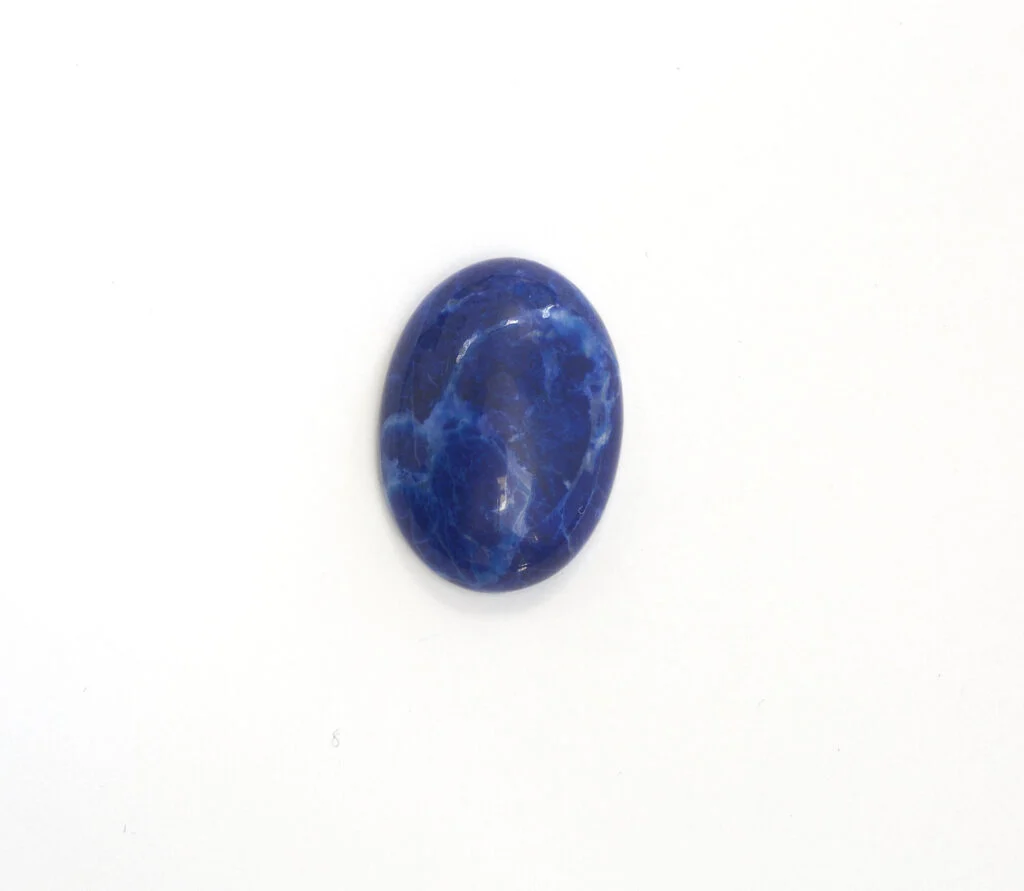
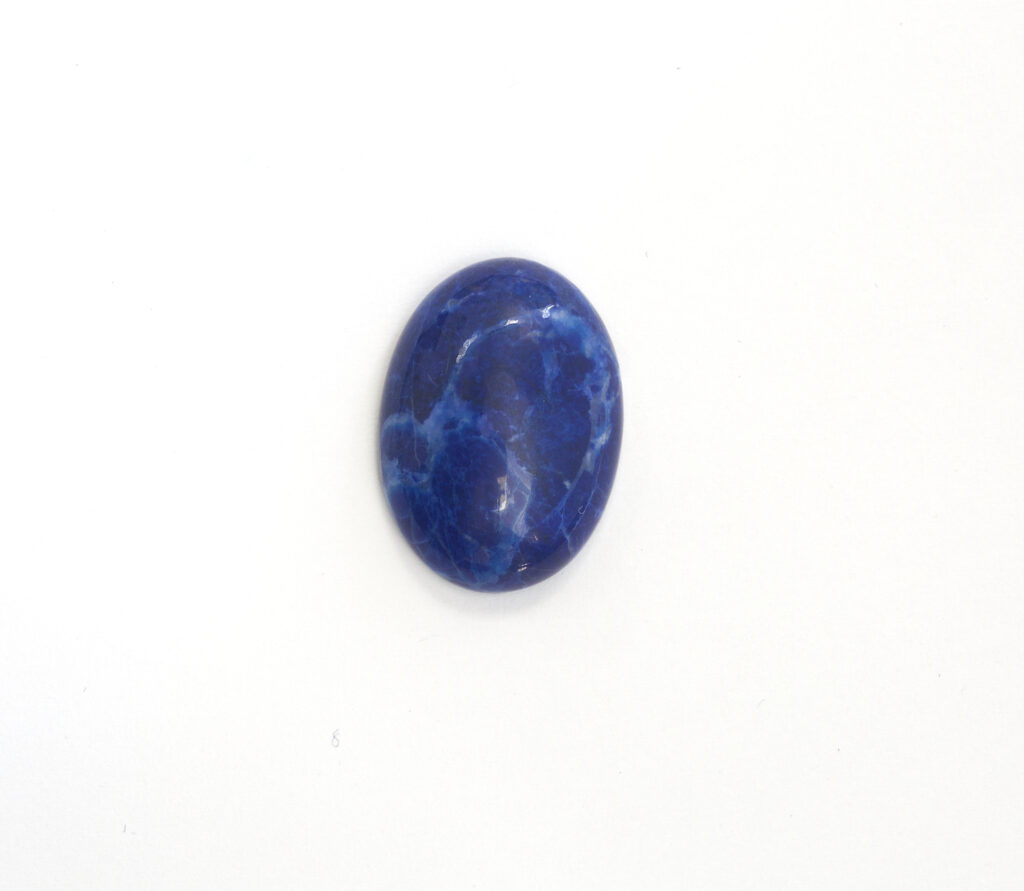
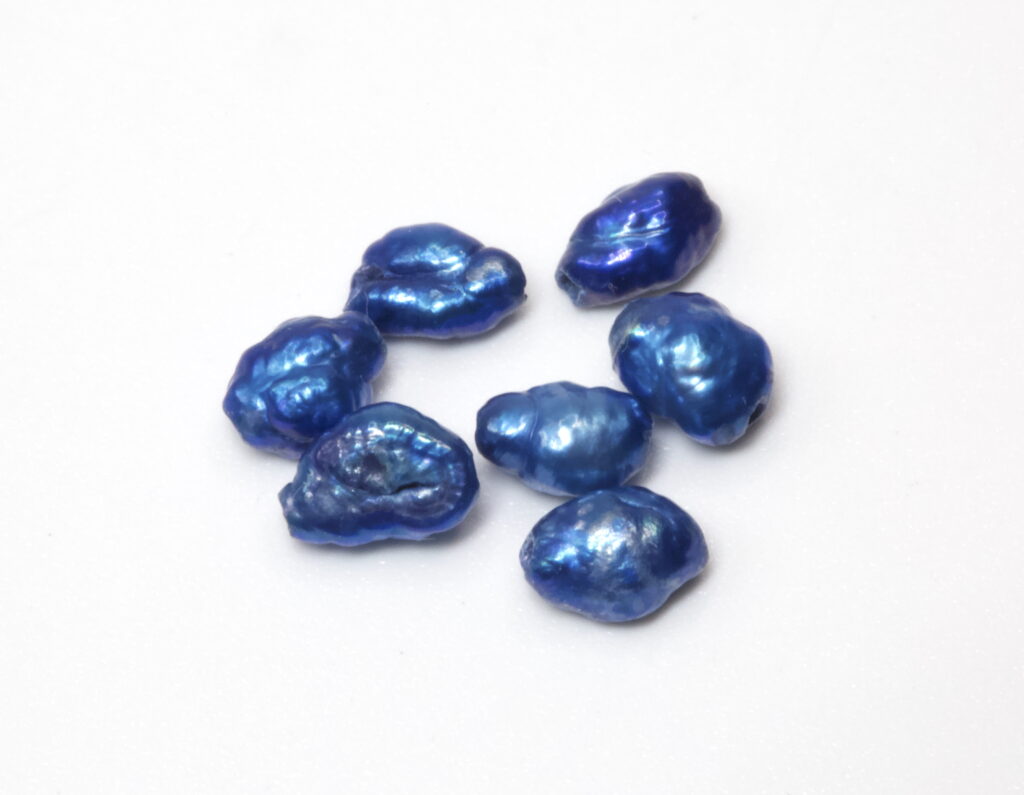
- Improving Aesthetics of Lower-Quality Stones: Many pale or colorless gemstones possess excellent physical properties but lack the vibrant hues that drive market demand. Dyeing allows these stones to be transformed into more visually appealing and marketable products. Examples include jadeite, opal, lapis lazuli, and pearls, which are frequently dyed to achieve richer or more desirable colors.
- Simulating Precious Gemstones: Perhaps the most ethically questionable application of dyeing is its use to mimic expensive, naturally colored gemstones. Inexpensive materials like quartzite, magnesite, and marble can be dyed to resemble jade, turquoise, or other valuable stones. Similarly, transparent materials like corundum (sapphire and ruby) and quartz can be dyed to imitate their more costly counterparts. Pale corundum, for instance, is often dyed red to pass as ruby or blue to resemble sapphire. Quartz can be dyed to achieve virtually any color, making it a versatile simulant.
- Creating Unique Colors: In some instances, dyeing can create colors that are rare or absent in nature, offering jewelers and designers new creative possibilities.
Identifying the Hand of the Dyer: Clues for the Gemmologist
While dyeing can be a sophisticated process, experienced gemmologists possess a keen eye and a suite of analytical tools to detect its tell-tale signs.
1. Visual Examination Under Magnification:
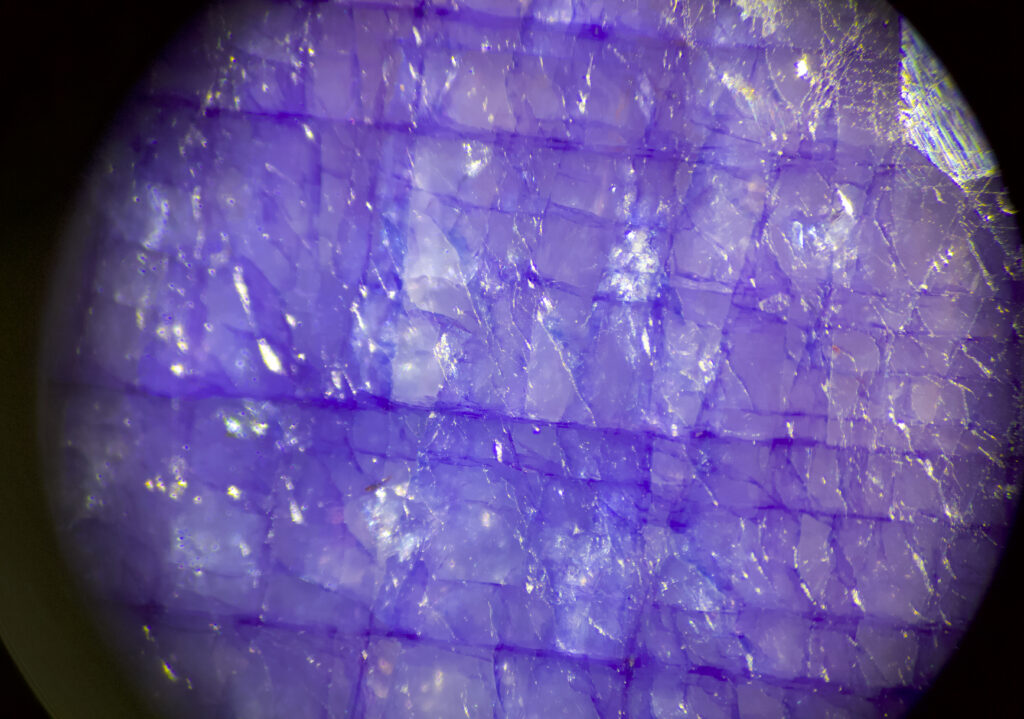
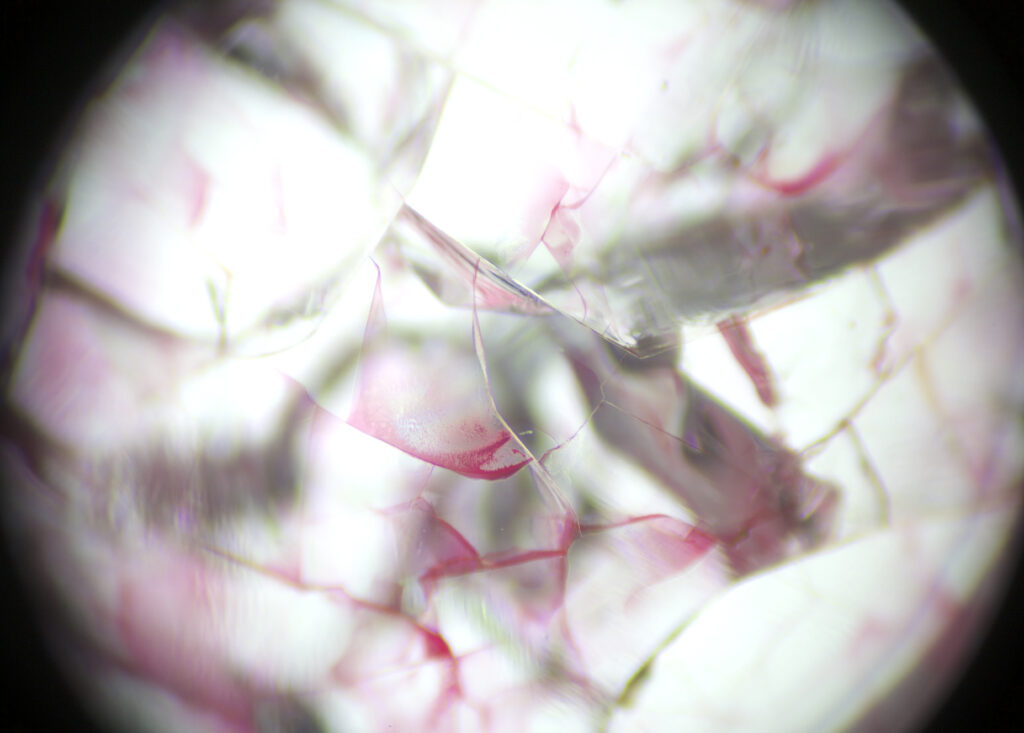
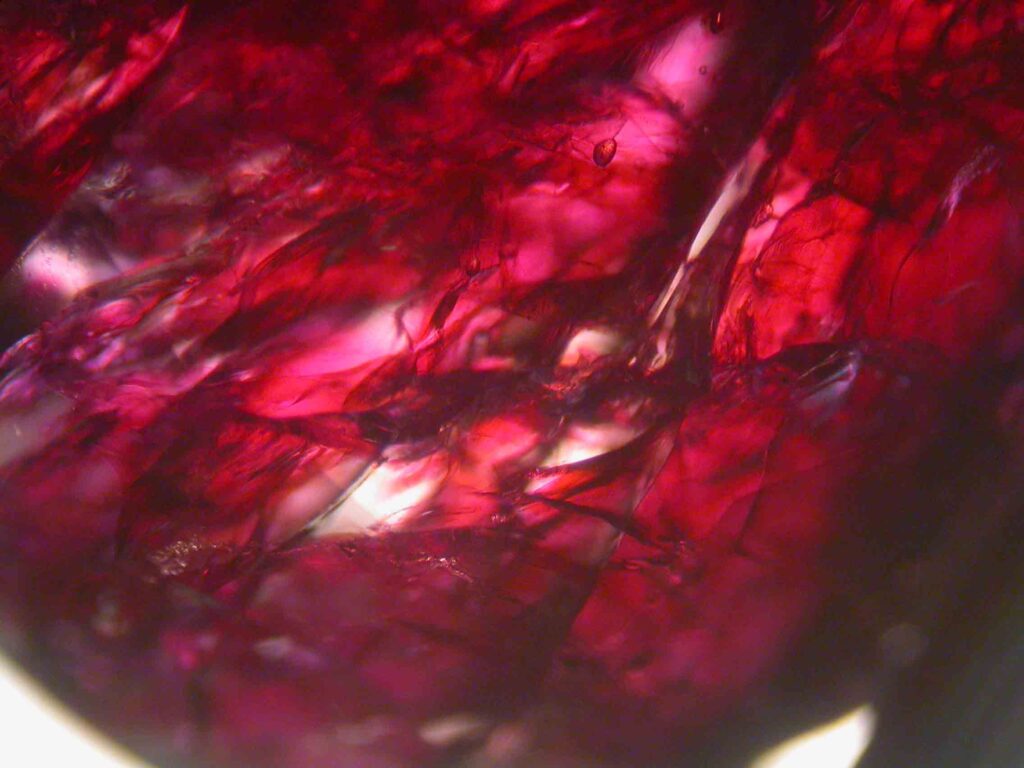
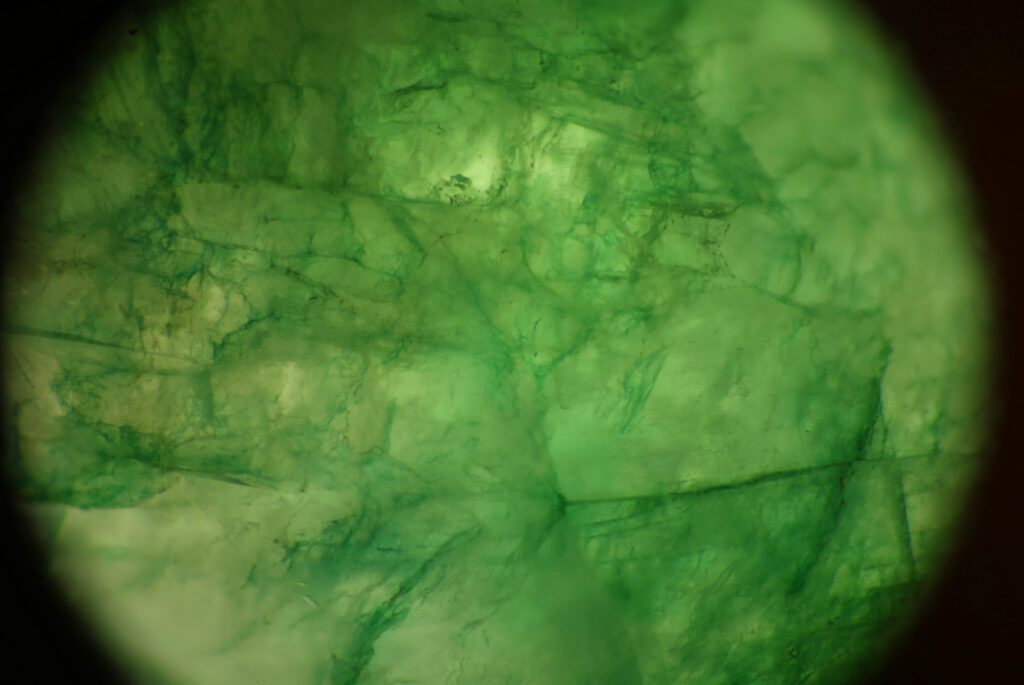
- Concentration in Pores and Fractures: This is one of the most common indicators of dyeing. The dye tends to accumulate in the natural pore spaces and any fissures within the stone. Under a loupe or microscope, this can appear as a network of colored lines or patches, particularly along grain boundaries or within internal cracks. While natural iron staining can also occur in fractures, gemmologists learn to differentiate between the typically more uniform and vibrant coloration of dye and the more diffuse, often yellowish-brown hues of natural weathering.
- Uneven Color Distribution: While some dyeing techniques aim for uniform color, many leave behind subtle irregularities. This can manifest as slightly darker or lighter patches, or a "grainy" appearance where the dye has not fully penetrated.
- Coloration of Inclusions: If a stone has natural inclusions, the dye may seep into them, altering their original color or creating unnatural-looking coloration within them.
2. Chemical Spot Tests:
- Solubility in Solvents: Many organic dyes used in gemstone treatment are soluble in common organic solvents such as acetone, denatured alcohol, or xylene. A small swab dipped in one of these solvents can be gently rubbed against an inconspicuous area of the gemstone. If the swab picks up color, it is a strong indication that the stone has been dyed.
- Limitations: This test is not foolproof. Some dyes are insoluble in common solvents, and others may be protected by a wax or resin impregnation, making them resistant to removal. Furthermore, this test should only be performed on stones that are not susceptible to damage from these solvents.
3. Spectroscopic Analysis:
- Absorption Spectra: Spectroscopic analysis, particularly the study of absorption spectra, is a powerful tool for identifying the cause of color in gemstones.
- Natural vs. Dyed Ruby: A naturally colored ruby exhibits a characteristic chromium spectrum with fine lines in the red region. A corundum dyed red to simulate a ruby will either lack this spectrum entirely or show a spectrum that is too weak to account for the stone’s intense color.
- Dyed Jadeite: Natural green jadeite typically displays a chrome spectrum with fine lines in the red. Dyed green jadeite, however, may exhibit broader absorption bands in the red or red-to-orange regions, lacking the fine, diagnostic lines of natural chromium coloration.
- Chelsea Colour Filter: This filter, which transmits green light and absorbs red and blue light, can be used to differentiate between naturally colored and dyed stones. For example, chrysoprase, a naturally green variety of chalcedony, appears a vibrant green. Dyed green agate, on the other hand, often appears grayish or pinkish when viewed through the Chelsea filter, indicating a different chemical composition or a different origin of color.
4. Luminescence Under Ultraviolet (UV) Light:
- Distinctive Glows: Some dyed gemstones exhibit unusual fluorescence or phosphorescence under UV light that differs from their naturally colored counterparts. For instance, dyed lavender jadeite might glow orange under long-wave UV light, a characteristic not typically seen in undyed lavender jade. This difference in luminescence can be a significant clue for gemmologists.
5. Microscopic Examination of Surface Features:
- Surface Coating: In some cases, especially with porous materials, the dye might not fully penetrate, leaving a superficial coating. This can sometimes be observed under high magnification as an unnatural-looking surface sheen or uneven coloration.
The Double-Edged Sword: Advantages and Disadvantages of Dyed Gems
The widespread use of gemstone dyeing is not without its justifications, but it also carries significant ethical considerations.
Advantages for the Trade and Consumer:
- Increased Availability and Affordability: Dyeing significantly broadens the range and quantity of aesthetically pleasing gemstones available on the market. This allows lower-quality materials to be enhanced and offered at a more accessible price point, making colorful jewelry available to a wider audience.
- Creative Design Opportunities: For jewelers and designers, dyed gemstones offer a palette of colors that might otherwise be unattainable or prohibitively expensive. This can foster greater creativity and enable the exploration of more adventurous designs.
- Substitution for Rarity: Dyed stones can effectively substitute for rare and expensive natural gems, providing consumers with the visual appeal of precious stones at a fraction of the cost.
Disadvantages and Ethical Concerns:
- Potential for Deception and Fraud: The most significant disadvantage of gemstone dyeing is its potential for misuse. When dyed stones are not properly disclosed, consumers can be misled into believing they are purchasing naturally colored, more valuable gems. This can lead to overpayment, disappointment, and a loss of trust in the jewelry market.
- Value Discrepancy: Dyed stones, whether they are imitations or enhanced lower-quality materials, inherently possess a lower intrinsic value than the natural gemstones they resemble. Failure to disclose the dyeing treatment creates a significant value discrepancy and can be considered fraudulent.
- Durability Concerns: As mentioned earlier, some dyes may fade or wash out, leading to a degradation of the gemstone’s appearance over time. This can be a source of dissatisfaction for consumers who expect their jewelry to maintain its beauty.
The Gemmologist’s Responsibility: Guardians of Transparency
In the intricate landscape of gemology, gemmologists play a crucial role in ensuring transparency and ethical conduct. Their responsibility extends beyond simply identifying gemstones; it encompasses understanding and disclosing all treatments that affect a stone’s appearance, durability, and value.
- Accurate Identification and Disclosure: Gemmologists must be adept at identifying dyed gemstones using the various techniques discussed. This knowledge is essential for accurately grading and valuing stones.
- Education and Labeling: The ultimate goal is to educate consumers and the trade about these enhancements. Proper labeling and clear descriptions are paramount. When a gemstone has been dyed, this fact must be communicated unequivocally to anyone who handles or purchases the stone. This allows for informed decisions and prevents potential misunderstandings or fraud.
- Upholding Industry Standards: By diligently identifying and disclosing dyed gemstones, gemmologists contribute to maintaining the integrity and trustworthiness of the gem and jewelry industry.
Conclusion
Gemstone dyeing, a practice deeply embedded in the history of gem enhancement, presents a complex interplay of aesthetic improvement and potential deception. While it offers avenues for creating beautiful and affordable jewelry, the ethical imperative of transparency remains paramount. As gemmologists, armed with an understanding of the techniques involved and the diagnostic tools available, we are tasked with unveiling the secrets of dyed stones. By meticulously examining, analyzing, and honestly disclosing these treatments, we safeguard the interests of consumers and uphold the integrity of the precious world of gemstones, ensuring that beauty and truth coexist in every sparkle.
Further Exploration:
For those seeking to deepen their understanding of gemology and gemstone treatments, Gem-A offers valuable educational resources. Their mini online course, GemIntro, provides a foundational understanding, while their accredited programs delve into the intricacies of gem identification and analysis, equipping aspiring gemmologists with the knowledge and skills necessary to navigate the complexities of the gem trade.



