

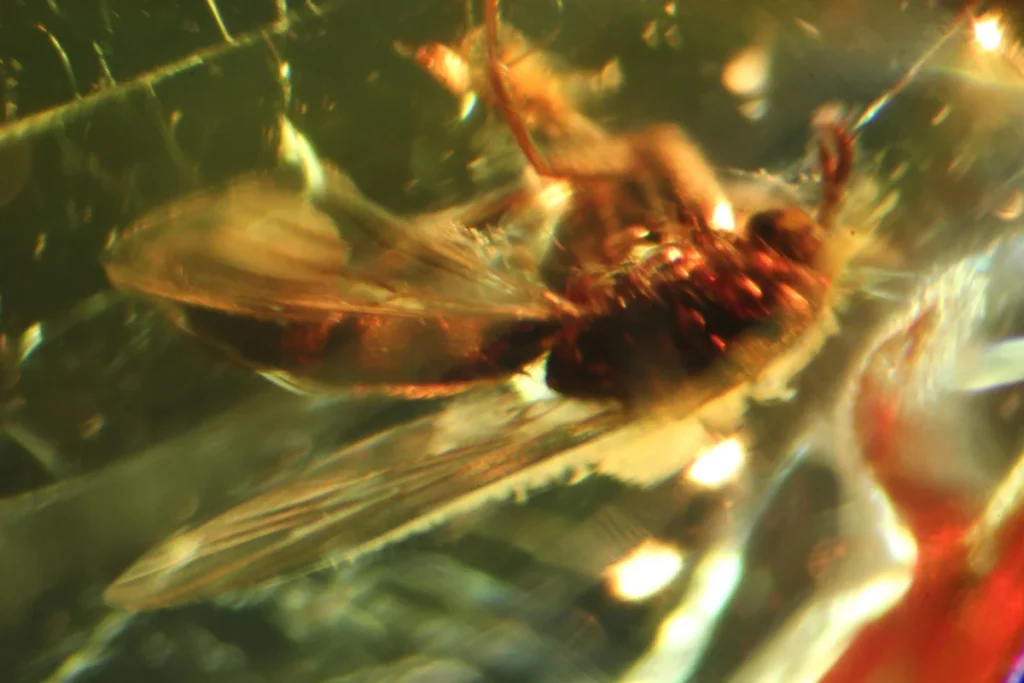
The intricate internal landscapes of gemstones, invisible to the naked eye, hold secrets that have captivated gemmologists for centuries. While common inclusions offer valuable insights into a gem’s origin and history, truly exceptional formations—those so rare they might only be encountered once in a professional lifetime—provide unparalleled windows into geological processes and ancient ecosystems. Gem-A Tutor Pat Daly, a seasoned expert in the field, shares his encounters with these extraordinary inclusions, illuminating what they reveal about the profound stories embedded within our planet’s most prized minerals.
The Significance of Imperfection: Why Inclusions Matter in Gemology
Inclusions, the foreign materials trapped within a gemstone during its formation, are far from mere imperfections. For gemmologists, they are vital clues, akin to fingerprints left by geological time. The vast majority of gemstones are not pristine; they enclose crystals that may predate the gem’s own growth or contain fluid inclusions known as "feathers." The presence and type of inclusions can significantly influence a gemstone’s quality and value, particularly in near-colorless diamonds, where clarity is paramount. However, in many colored stones, the intrinsic beauty of their hue often overshadows the impact of inclusions on their perceived worth.
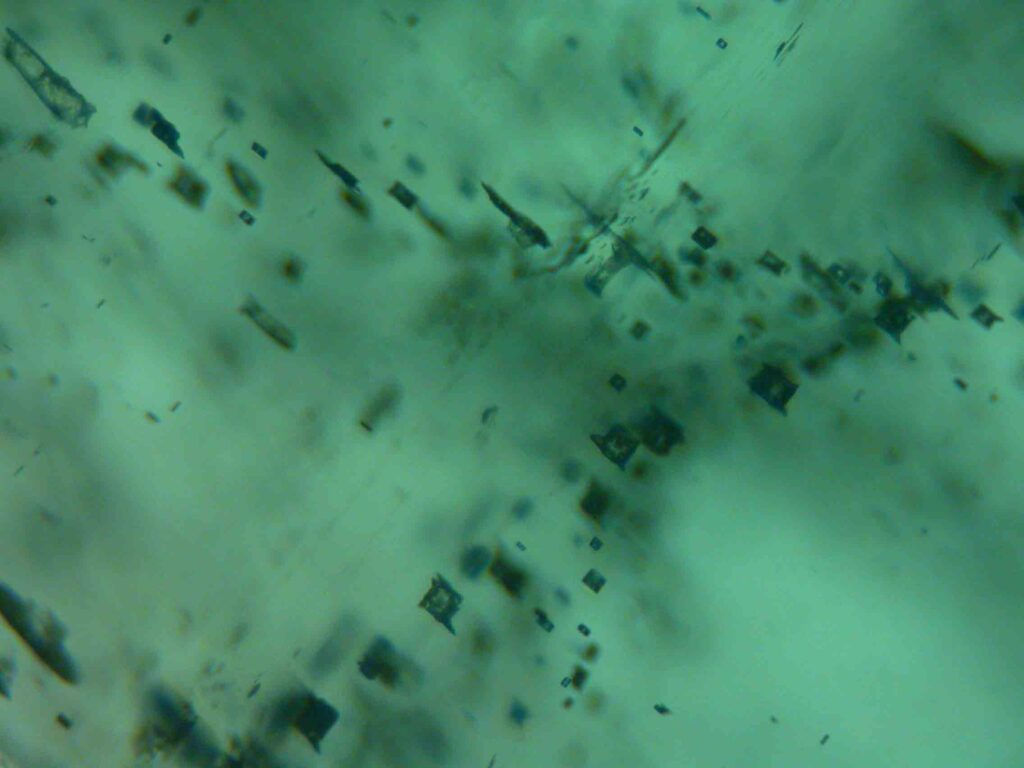
However, some inclusions transcend their role as simple indicators of origin or treatment. They become desirable artifacts in themselves, offering irrefutable proof of a stone’s natural genesis, providing evidence of undergone treatments, or crucially, pinpointing its geographical provenance. While many such inclusions are commonplace and readily recognized by experienced gemmologists – such as the distinctive "horsetail" or "tiger stripe" formations found in certain varieties – others are exceedingly rare. These are the inclusions that test the mettle of even the most dedicated gemmologists, with some professionals potentially spending their entire careers without the privilege of encountering them firsthand.
Unveiling Extraordinary Encounters: A Gemmologist’s Perspective
Pat Daly, through his extensive experience and keen observation, has documented several such "once in a lifetime" inclusions, each offering a unique narrative from the deep recesses of the Earth. These rare phenomena are not just geological curiosities; they are invaluable teaching tools, enriching our understanding of mineral formation and the dynamic processes that shape our planet.
Ruby Crystals in Diamond: Echoes from the Mantle
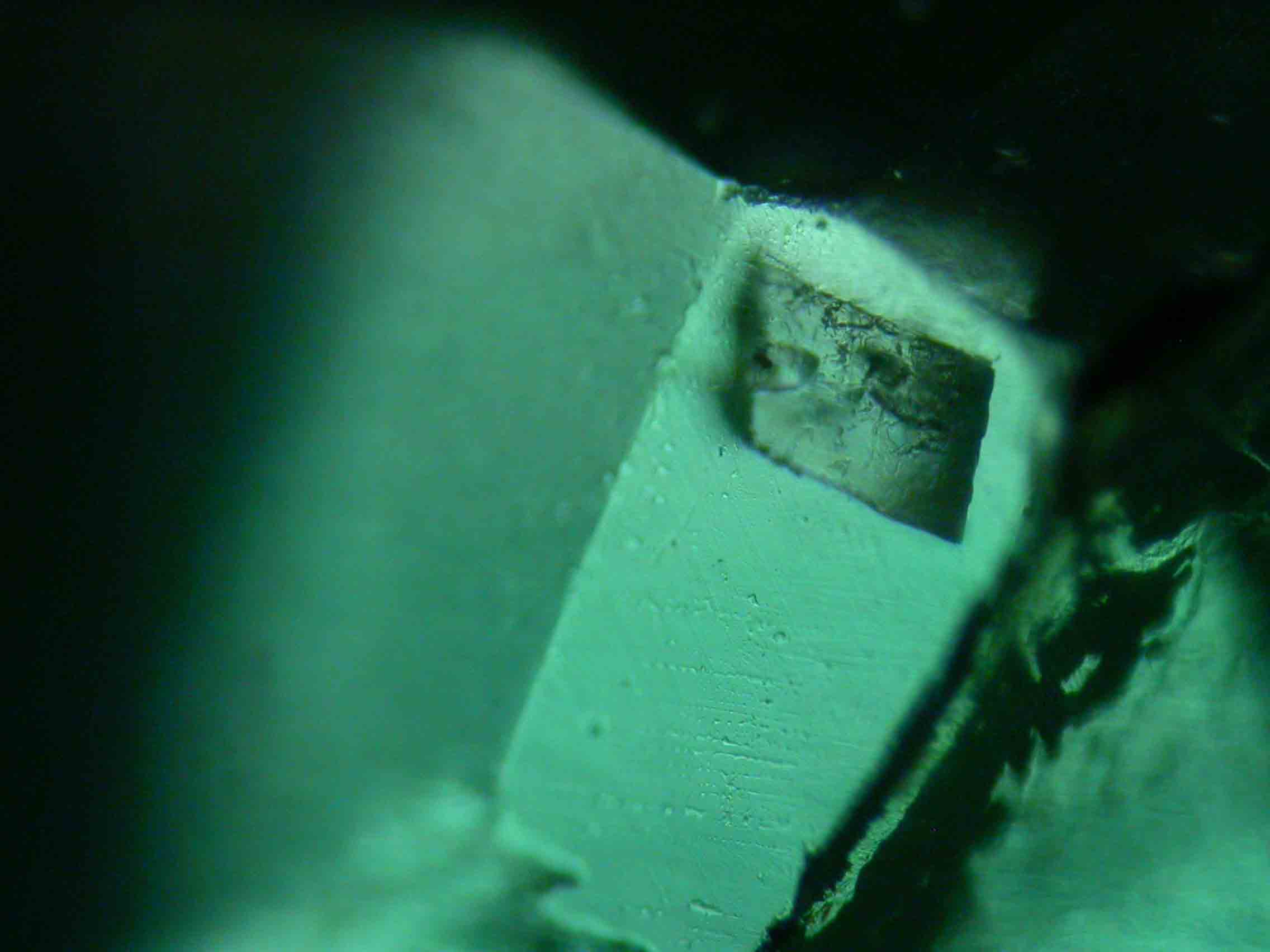
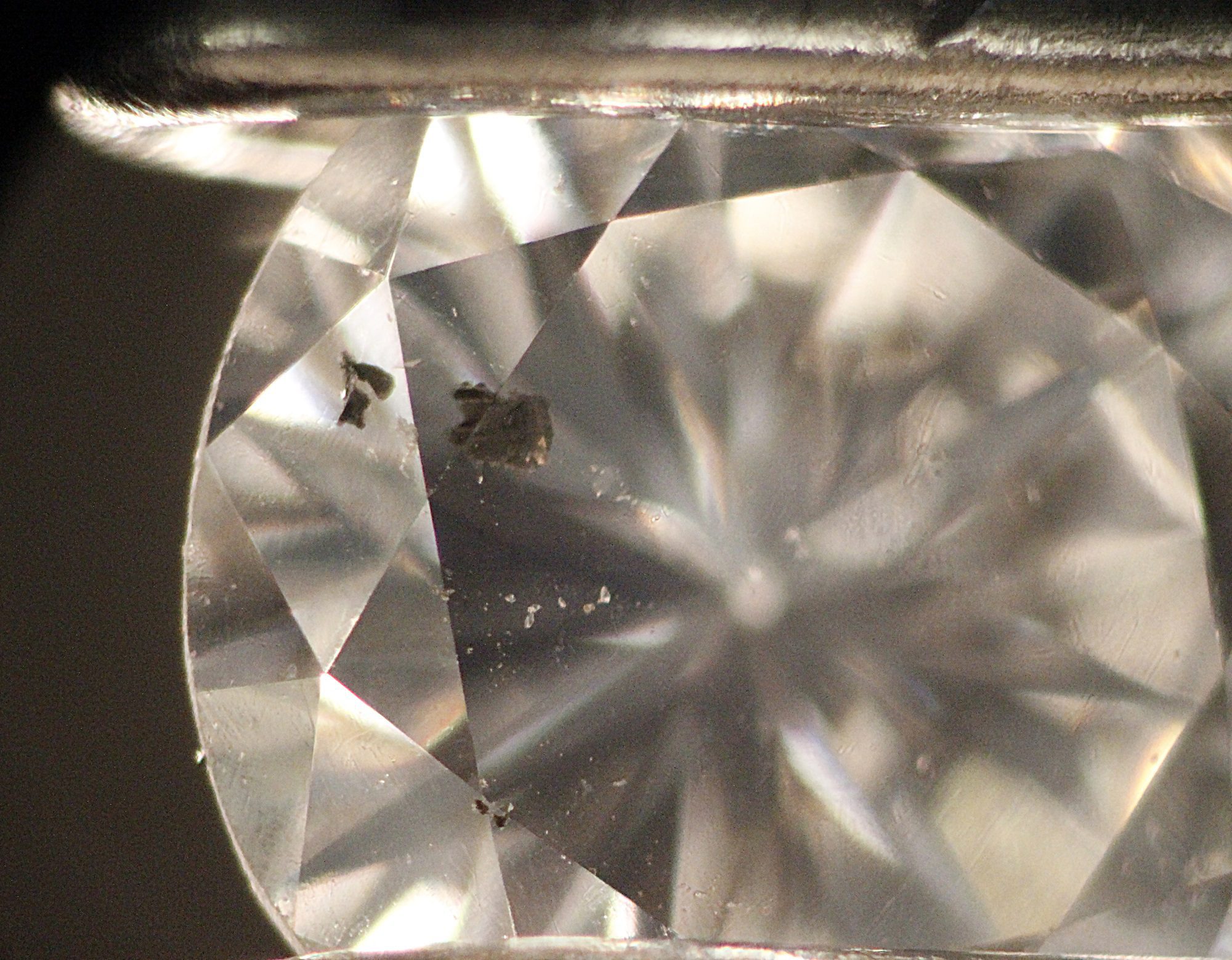
The presence of bright red crystals within diamonds is often indicative of chrome-bearing pyrope garnets. However, the exceptionally rare occurrence of actual ruby crystals within a diamond is a testament to the extreme conditions under which gem-quality diamonds form. These diamonds are believed to originate in the lithosphere and mantle beneath continents, at depths ranging from approximately 200 to 800 kilometers. The formation of ruby in such an environment is intrinsically linked to eclogites, a type of rock also associated with the growth of gem diamonds. The co-occurrence of ruby with other rare inclusions like rutile, coesite (a high-pressure form of silica), and blue kyanite within diamonds paints a vivid picture of the geologically active and extreme conditions of the Earth’s mantle. The identification of such inclusions, though challenging, brings immense satisfaction to any enthusiastic gemmologist, offering a direct glimpse into the deep Earth’s ancient mineralogical tapestry.
Parisite in Emerald: A Glimpse into Rare Earth Elements
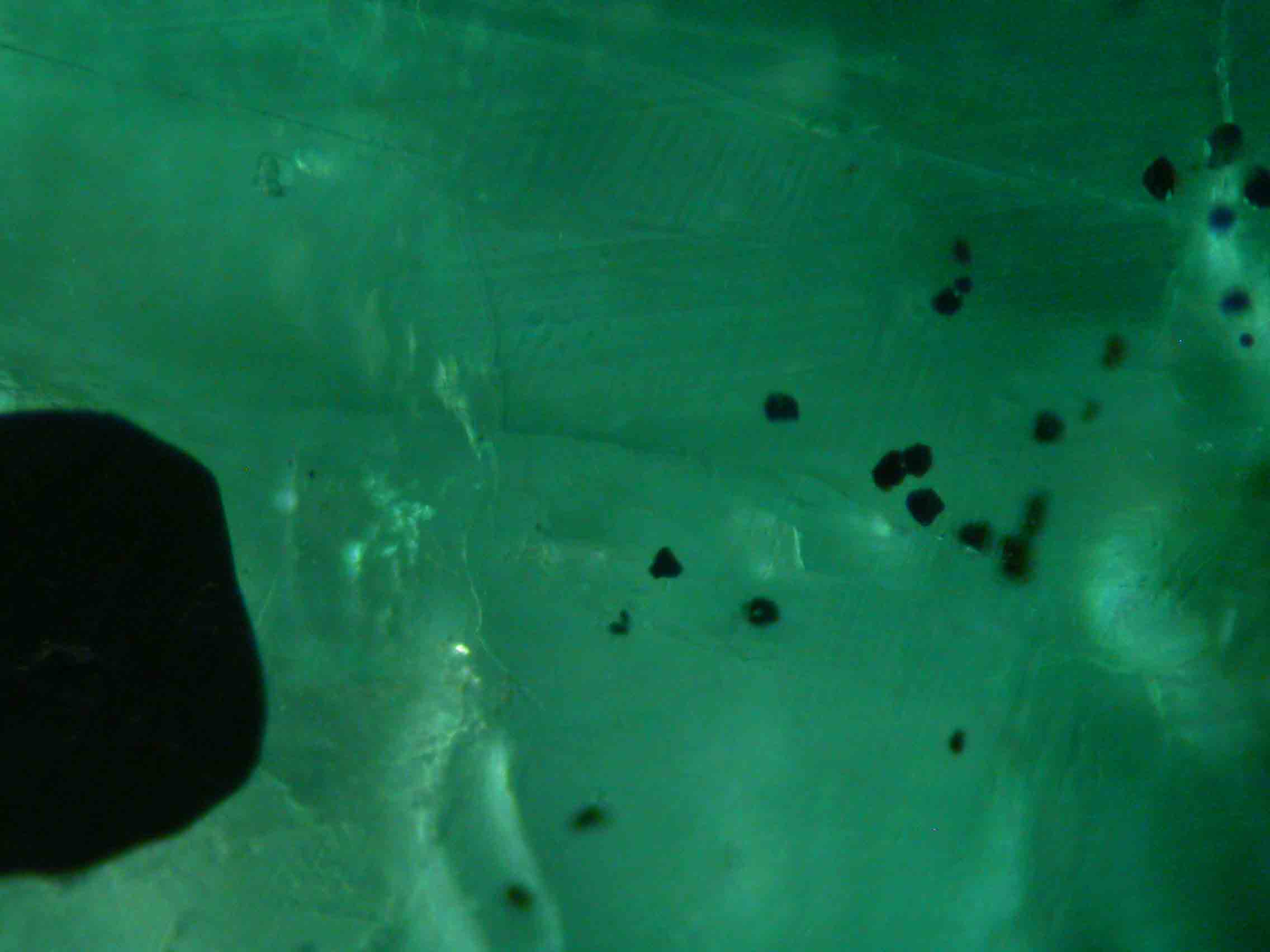
Rare earth elements (REEs), a group of 17 chemically similar metallic elements, including cerium, europium, and yttrium, are of significant interest to gemmologists primarily due to the distinctive spectral signatures they impart to certain gemstones, most notably apatite. While REEs are frequently present as trace elements in various minerals, those in which they are essential components are considerably rarer. Parisite, a carbonate mineral composed primarily of cerium and other REEs, offers a compelling example. Found in the famed emerald mining district of Muzo in Colombia, parisite can occur as brown crystal inclusions within emeralds from this locality. Some emeralds containing parisite exhibit a rare earth spectrum, making their presence a valuable indicator. While not a common inclusion, its identification serves as definitive proof of the natural and geographical origin of the stone, providing an invaluable diagnostic tool for gemmologists.
Tourmaline in Kashmir Sapphire: A Signature of a Legendary Source
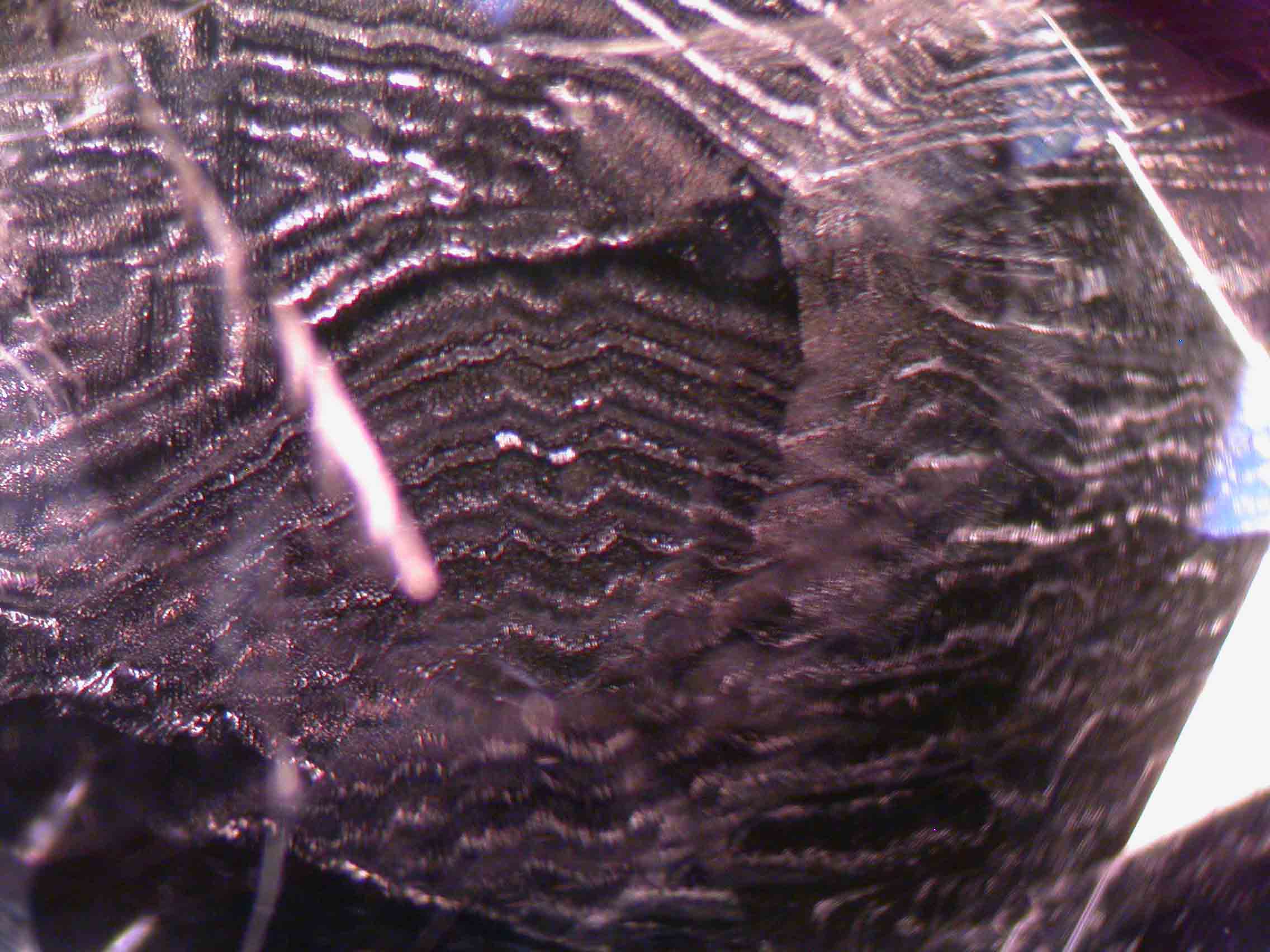
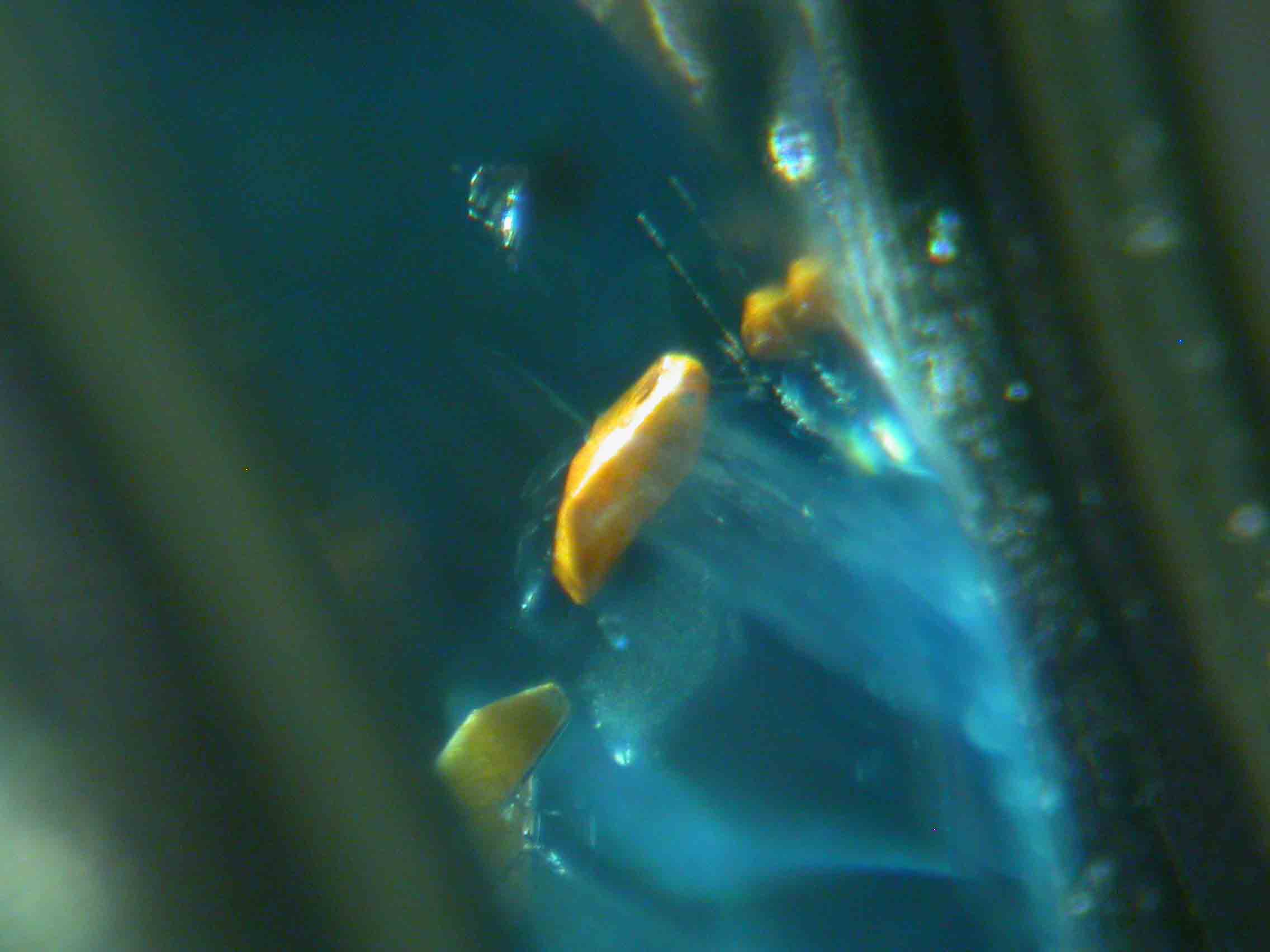
Kashmir is renowned for producing some of the world’s finest sapphires, though the region has also yielded stones of lesser quality. For many gemmologists, encountering a high-quality Kashmir sapphire is itself a significant event. The inclusion of transparent green tourmaline crystals, even if brittle and of lower quality, within such a sapphire is an even rarer occurrence. These tourmaline crystals are known to be found in close proximity to sapphire deposits in Kashmir. Their confirmed identification within a sapphire is considered irrefutable evidence of its Kashmir origin, making them highly desirable inclusions, provided they do not detract from the overall aesthetic appeal of the gemstone. The presence of such a specific inclusion solidifies the sapphire’s pedigree, adding significant value and historical context.
Animal Fossils in Precious Opal: Preserving Ancient Life
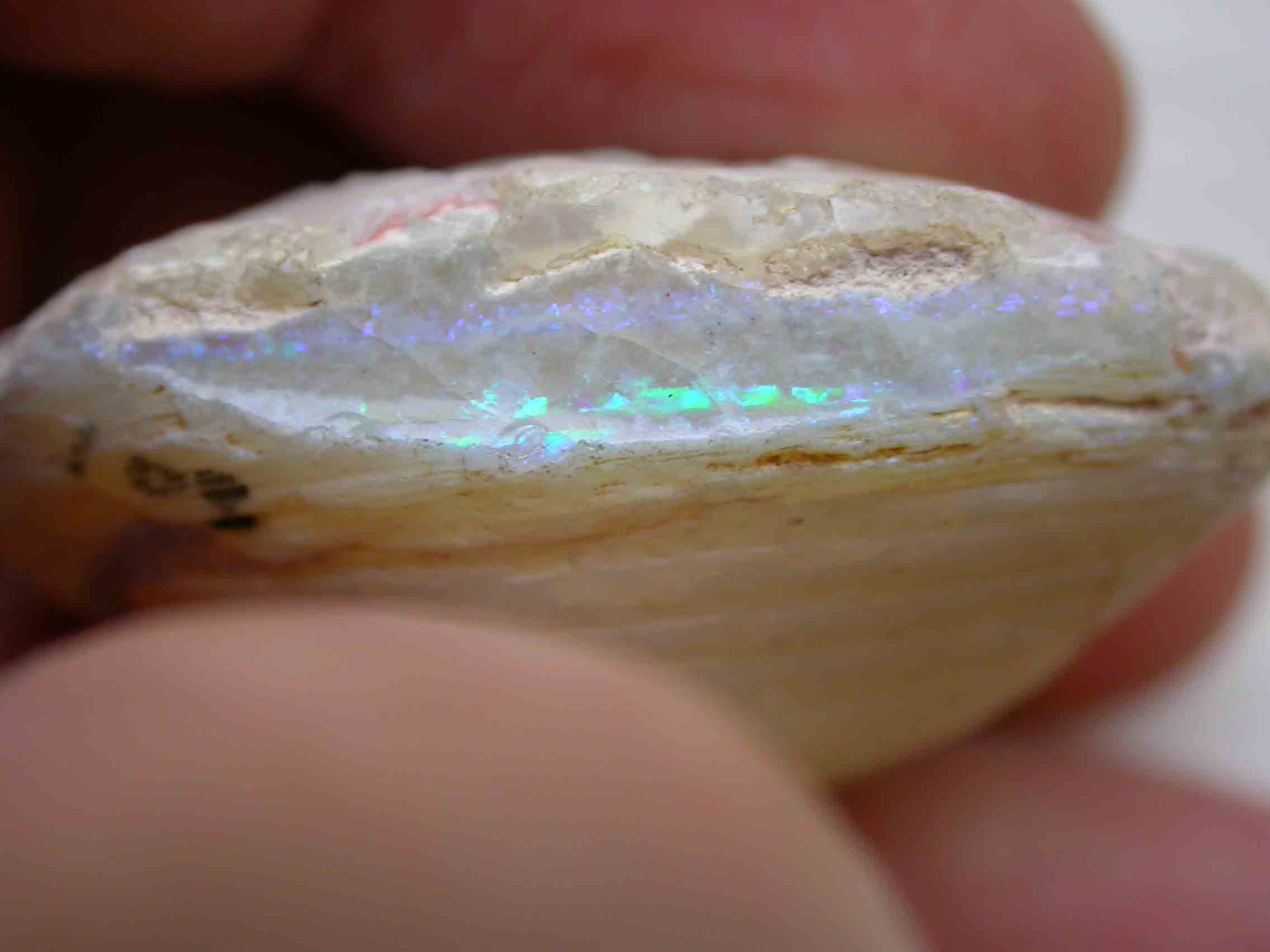
While amber is widely celebrated for its fossilized insects, other gem materials also serve as remarkable time capsules. Precious opal, particularly from Australia, has yielded extraordinary opalized fossils, including tree roots, twigs, shells, and even the skeletal remains of marine animals. At Lightning Ridge in New South Wales, Australia, the discovery of opalized fossils of land animals such as dinosaurs, mammals, and the flying reptiles known as pterosaurs has provided invaluable insights into prehistoric ecosystems.
The rarest of these opalized fossils are the most delicate and fragile. A remarkable find in Indonesia, a piece of precious opal containing a well-preserved insect, identified as an immature cicada, captivated the gemological community. Most of its body parts were recognizable, with even external features like hairs and mouthparts visible. Estimated to be between 5 and 10 million years old, this specimen was preserved in silica derived from the weathering of volcanic glass. While insects are commonly found in amber and copal, encountering one encased in precious opal is an exceedingly rare event for most gemmologists.
Rare Vertebrate Fossils in Amber: Echoes of the Age of Dinosaurs
The preservation of vertebrates in amber is a rare phenomenon, largely attributed to the ability of larger animals to extricate themselves from sticky tree resin. However, compelling evidence of their entrapment exists. Lizards, both partial and, on very rare occasions, complete specimens, have been discovered in amber from regions like the Baltic, Dominica, and Mexico. Reports also include preserved fur, feathers, and snakeskin.
Myanmar amber, dating back nearly 100 million years to the Cretaceous Period – the "Age of Dinosaurs" – has yielded equally rare vertebrate remains. One of the most sensational discoveries in recent years was the reported skull of a small dinosaur, approximately 14mm long, with a toothed jaw, found embedded in Myanmar amber. Initially believed to be a dinosaur or bird (given birds’ classification as dinosaurs), further research suggested it was more likely a lizard-like animal.
Even more extraordinary is the discovery of a feathered tail, approximately 37mm long, within amber. The unique structure of this tail definitively excludes its belonging to a bird, suggesting it originates from a non-avian dinosaur. This find represents perhaps the rarest inclusion documented in gem material to date. The impetus provided by such discoveries fuels ongoing research and the search for similar fossils, with the potential for further groundbreaking revelations. The opportunity to study such an inclusion, however fleeting, would be a monumental privilege for any gemmologist.
The Broader Implications for Gemology and Science
These "once in a lifetime" inclusions are more than just rare specimens; they are invaluable resources for scientific research. They provide direct physical evidence of geological processes, ancient environments, and the evolutionary history of life on Earth. Their study contributes to our understanding of mineral formation, plate tectonics, paleontology, and even the impact of climate change on geological and biological systems.
For gemmologists, encountering such inclusions underscores the dynamic and ever-evolving nature of their field. It highlights the importance of continuous learning, meticulous observation, and the collaborative sharing of knowledge. The rarity of these discoveries also emphasizes the critical role of ethical sourcing and conservation in preserving these invaluable natural archives for future generations.
Conclusion: A Window into the Past, A Legacy for the Future
The internal world of gemstones, often hidden from view, is a universe of stories waiting to be deciphered. While common inclusions provide essential information for gem identification and valuation, the exceptionally rare formations discussed by Pat Daly offer a profound connection to Earth’s deep past. These "once in a lifetime" inclusions, from ruby crystals in diamonds to dinosaur tails in amber, are not merely curiosities but crucial pieces of a much larger puzzle, enriching our scientific understanding and deepening our appreciation for the extraordinary history encapsulated within the gems we cherish. As gemology continues to advance, the pursuit and study of these rare internal narratives will undoubtedly remain a cornerstone of unlocking the Earth’s most compelling secrets.



