
Text by: Luo Jingmei
Shanghai is a city defined by perpetual motion. As one of the world’s most dynamic metropolises, it acts as a grand theater where the futuristic architecture of Pudong clashes—and harmonizes—with the nostalgic, colonial-era Shikumen townhouses of the Xuhui district. The city is a sensory overload of neon lights, cacophonous traffic, and the relentless hum of ambition. Yet, tucked away behind heavy doors and within the quiet courtyards of the city’s most prestigious hotels, there exists a counter-culture of calm.
In this sprawling urban landscape, the concept of the "spa" has evolved. It is no longer merely a place for indulgence; it is a vital necessity for the modern city dweller. Today, the elite sanctuaries of Shanghai are blending centuries-old Eastern healing traditions with cutting-edge, science-backed wellness technology. This report explores three unique spa destinations that offer more than just a massage—they offer a complete recalibration of the mind and body.
1. Spa Alila, Alila Shanghai: A Symphony of Nature and Silence
The Concept of the Urban Resort
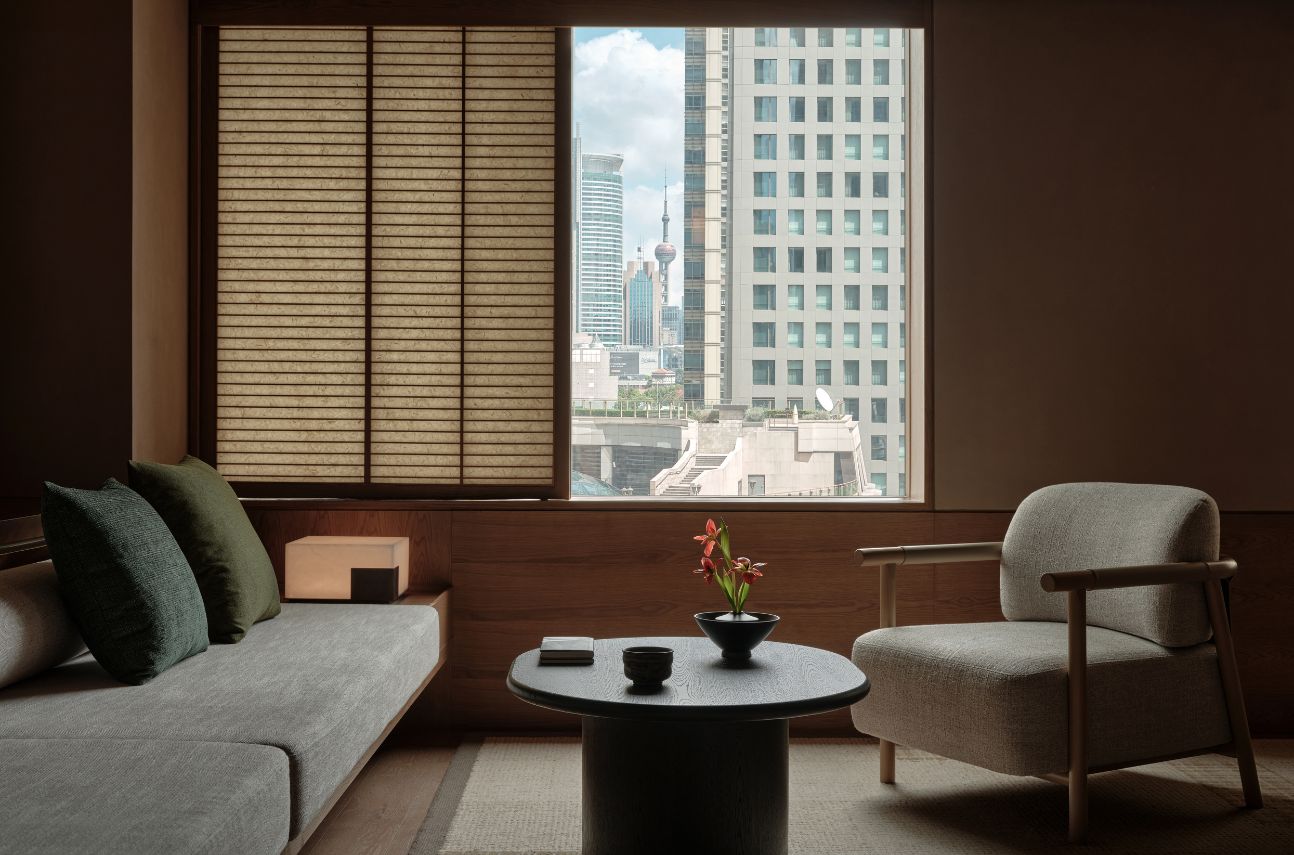
Stepping into the Jing An district, one is immediately met with the intensity of Shanghai’s commercial heartbeat. However, the transition into Spa Alila is jarring in the most welcomed sense. Upon entry, the exterior noise dissipates, replaced by the rhythmic trickling of water features and the soft, diffused light filtering through Japanese Shoji screens.
Spa Alila functions on the philosophy of the "urban resort." It acknowledges that its guests are often high-performers who require immediate, effective decompression before returning to the boardroom. The spatial design, dominated by rich timber finishes and minimalist aesthetics, serves as a visual sedative. For those seeking a deeper connection to nature, the spa offers an interactive experience: guests are encouraged to pluck fresh herbs from the hotel’s onsite organic garden, which are then integrated into their bespoke treatments.
The Signature Experience: The Zen Wood Therapy
The standout treatment here is the "Thereal Zen Wood Therapy." Drawing parallels to the ancient Tibetan singing bowl tradition, the therapy utilizes sound and resonance to balance the nervous system. The session begins with a "Rain Bamboo" ritual. The practitioner utilizes a bamboo instrument that, when inverted, mimics the soothing, rhythmic patter of rainfall. This auditory stimulus serves as a cognitive bridge, transitioning the brain from a state of alertness to one of deep receptivity. Following this, a deep-tissue massage is performed, ensuring that both the mind and the muscular structure are aligned in a state of tranquil recovery.
2. Shanghai Auriga Spa, Capella Shanghai: Historical Resonance
An Architectural Bridge to the Past
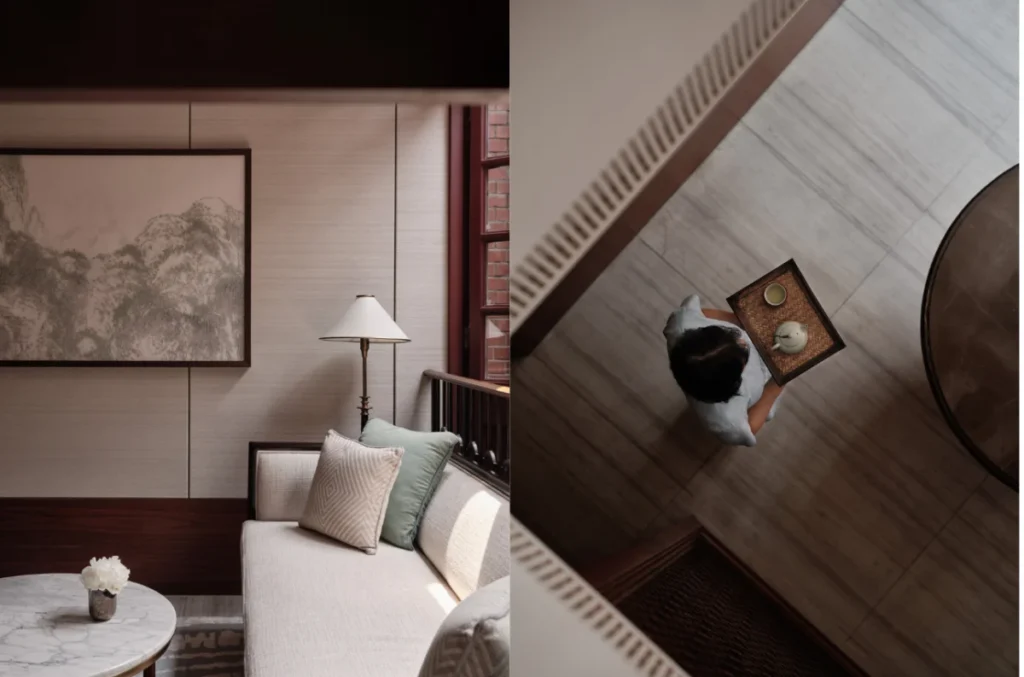
Located within the brick-clad walls of the Capella Shanghai at Jian Ye Li, the Auriga Spa occupies a unique position in the city’s cultural geography. The spa was designed by the late, legendary interior designer Jaya Ibrahim, whose vision was to mirror the aesthetic of the 1930s Shikumen villas that define the historic Xuhui District.
The spa is a masterclass in scale. While it spans three floors, the atmosphere remains intimate, reminiscent of a private residence rather than a commercial facility. The design language is a sophisticated marriage of Chinese chinoiserie and refined European sensibility, featuring pitched ceilings, whitewashed timber paneling, and curated lighting that emphasizes the warmth of the space.
The Science of Tradition: Chinese Meridian Massage
Auriga Spa’s commitment to heritage is most evident in its Traditional Chinese Medicine (TCM) offerings. The "Chinese Meridian Massage" is a non-oil, fully-clothed treatment that operates on the premise of clearing energy blockages. According to TCM principles, the body’s health is dictated by the flow of Qi (vital energy) and blood. By applying precise, rhythmic pressure to specific meridian points, the practitioner works to restore the body’s internal equilibrium.
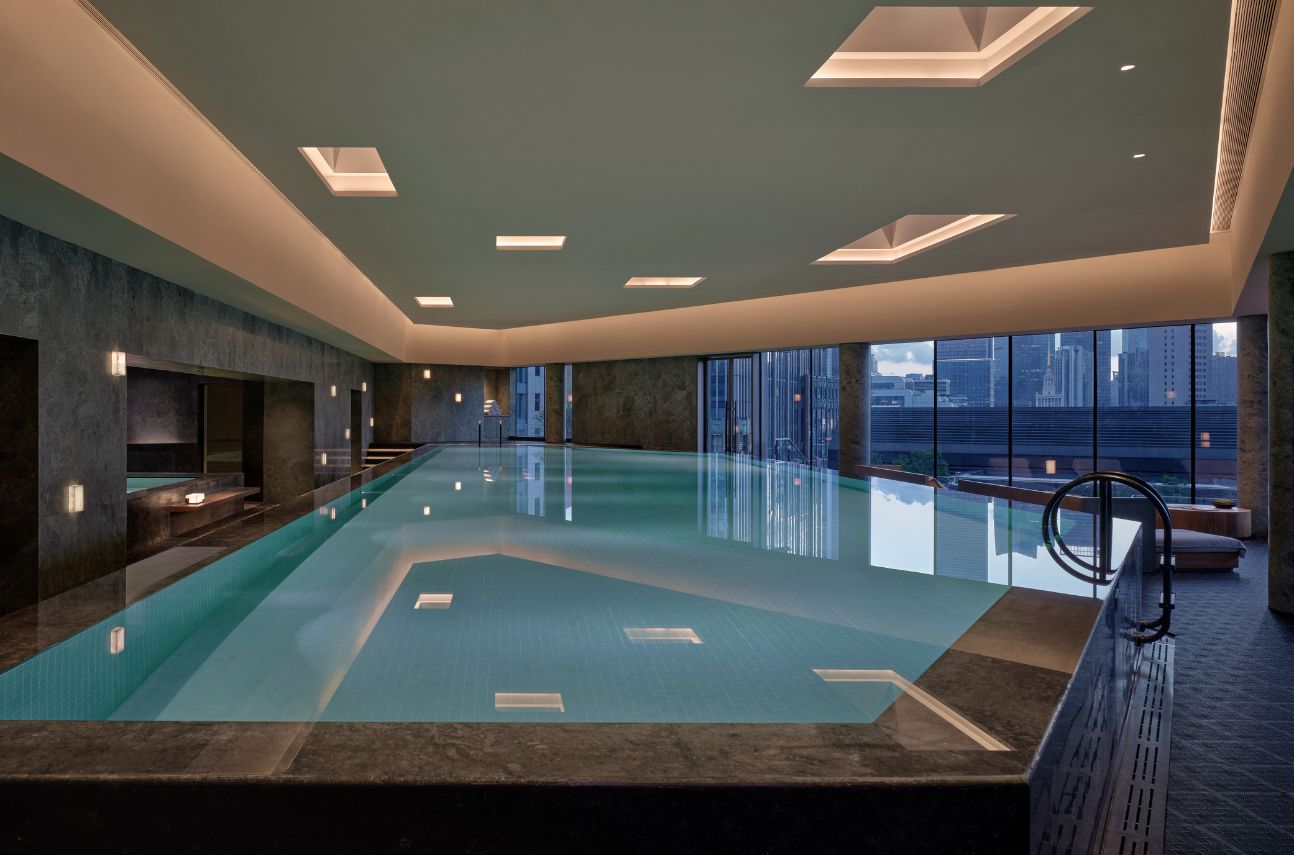
The treatment is profound in its simplicity. As the therapist navigates the energy pathways, the physical fatigue of urban life—manifested as tension in the neck, shoulders, and feet—is methodically released. It is a testament to the efficacy of ancient practices that even in the heart of a 21st-century global hub, the most effective remedy for stress remains the restoration of natural energy flow.
3. Mi Xun Spa, The Upper House: The Science of Cellular Recovery
A Cavernous Descent into Calm
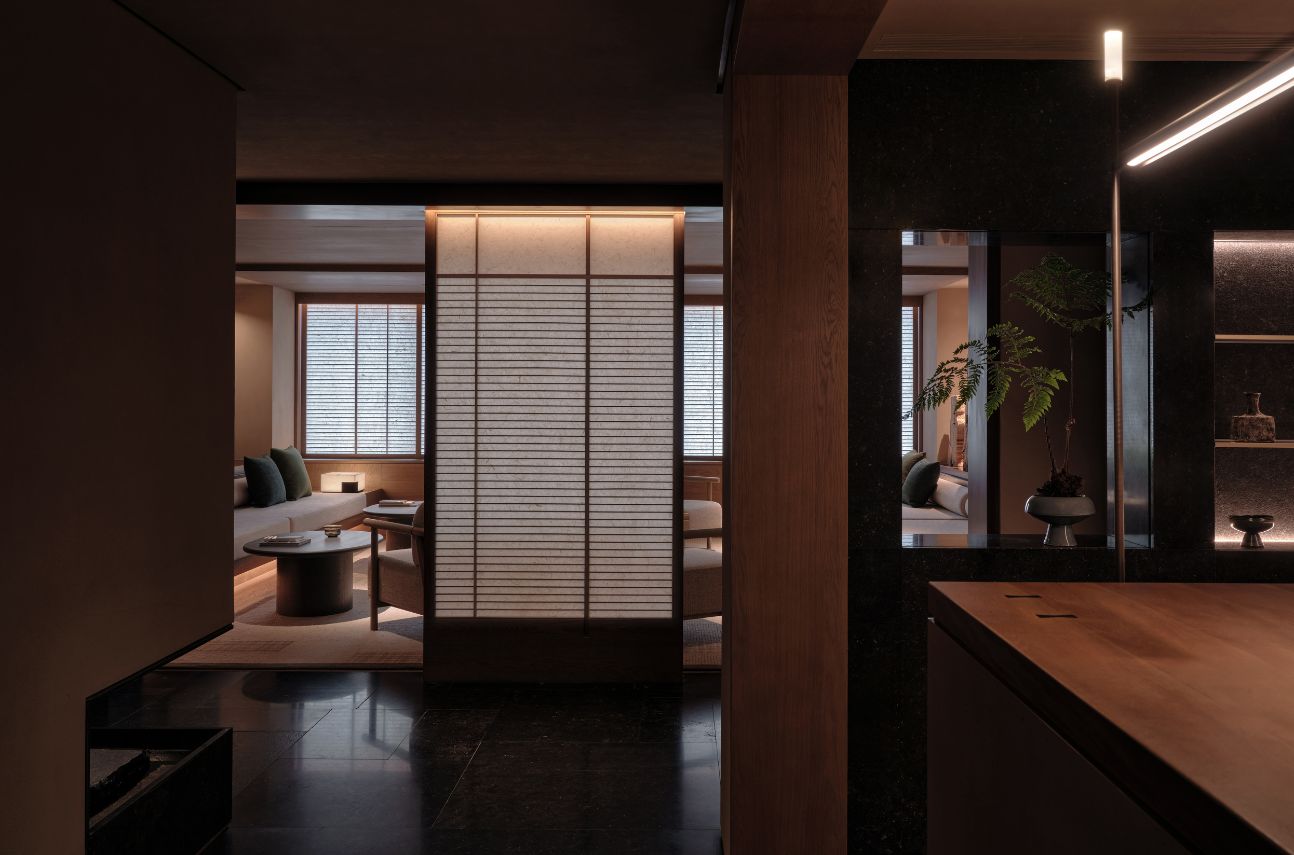
The journey to Mi Xun Spa is an experience in itself. Located in the basement of The Upper House (formerly The Middle House), guests descend through a curved tunnel lined with charcoal-colored stone. This transition creates a psychological boundary; the bright, frenetic sunshine of the Shanghai streets is left behind for a subterranean, minimalist-luxe environment designed by the celebrated Italian architect Piero Lissoni.
Innovation: The INDIBA® Advantage
Mi Xun Spa distinguishes itself through its embrace of advanced medical-grade technology, most notably the INDIBA® radiofrequency (RF) treatment. While traditional spa therapies often limit their effects to the epidermis or dermis, INDIBA® operates at a 448 kHz frequency, utilizing Proionic® Cell Boost technology to penetrate deep into the fascia, muscle, and even bone tissue.

"Traditional heat-based therapies target only the superficial layers of the skin," explains Beverly Dong, Director of Spa at The Upper House. "However, INDIBA®’s treatment goes beyond the surface and reaches to underlying issues, including the fascia, muscle, and even bone. It is about facilitating the body’s own natural healing processes at a cellular level."
The 60-minute Immune System Healing Treatment is the pinnacle of this approach. Using a specialized conductive gel, the therapist uses metal electrode discs to transfer RF energy into the body. The sensation is one of gentle, internal warmth. The result is a dual benefit: immediate relaxation of stiff muscles and a long-term metabolic boost. It is a quintessential example of the "bio-hacking" trend in luxury wellness, where the spa experience is treated as a clinical necessity for physical longevity.
Implications: The Future of Urban Wellness
The rise of these specialized spa experiences in Shanghai reflects a broader global shift in how we perceive leisure and self-care. The modern traveler and the local professional are no longer satisfied with superficial relaxation. There is an increasing demand for "functional wellness"—treatments that offer measurable, lasting health benefits rather than just a fleeting escape.

Key Takeaways for the Conscious Consumer:
- The Holistic Shift: There is a convergence between ancient practices (TCM, sound therapy) and modern medical technology (RF energy).
- The Architecture of Calm: Space and design are now considered foundational to the wellness experience. The use of natural materials, lighting, and acoustic design is as important as the massage itself.
- The Return on Investment: Modern spa-goers view these sessions as an essential part of their personal maintenance, akin to a gym session or a healthy diet.
Chronology of the Modern Spa Evolution
- Early 2000s: Spas focused primarily on aesthetic beauty and superficial relaxation.
- 2010–2020: The rise of "holistic wellness," emphasizing mental health, yoga, and organic products.
- 2020–Present: The era of "integrated health," where medical technology, ancient medicine, and architectural immersion combine to provide comprehensive physiological and psychological restoration.
Conclusion: A Necessary Pause
Shanghai remains a city that demands much from its inhabitants. The constant pressure to perform, to innovate, and to navigate the rapid pace of change requires a sophisticated antidote. Whether one chooses the sound-resonant therapies at Alila, the meridian-clearing traditions at Capella, or the cellular-regeneration technology at The Upper House, the goal remains the same. By stepping into these spaces, we acknowledge that to move forward in a city as fast as Shanghai, one must occasionally learn how to stand perfectly still. These three sanctuaries offer not just a pause, but a necessary recalibration for the modern human experience.