Introduction: The Invisible Shield of Global Trade
The global economy is anchored by the maritime industry, which facilitates over 80% of world trade. Beneath the surface of this massive logistical machine, however, lies a perpetual threat: maritime piracy and armed robbery. As vessels navigate the complex geopolitical currents of the world’s oceans, the International Maritime Bureau (IMB) Piracy Reporting Centre (PRC) serves as an essential, 24-hour sentinel. Operating under the aegis of the International Chamber of Commerce (ICC), the PRC has evolved from a simple reporting hub into a critical node in the global maritime security architecture.
In an era of rising geopolitical volatility, supply chain fragility, and sophisticated criminal networks, the work of the IMB PRC has never been more critical. By providing a single point of contact for vessels under duress and offering transparent, data-driven insights to governments and industry leaders, the PRC acts as a vital bridge between the isolated vessel on the high seas and the international community capable of mounting a response.
Main Facts: The Mandate of the IMB PRC
The IMB Piracy Reporting Centre is not merely a record-keeping entity; it is a live-response coordination hub. Its mandate is multifaceted, focusing on three core pillars: surveillance, communication, and intelligence.
1. The 24-Hour Watch
Piracy does not adhere to office hours. The PRC operates a 24-hour manned centre, ensuring that no matter the longitude or latitude, a vessel under attack has a direct line to assistance. When a distress call is received, the PRC immediately alerts the relevant coastal authorities and maritime security agencies, bridging the gap between a vessel’s distress signal and the mobilization of naval or coast guard assets.
2. Transparent Data Dissemination
The PRC is widely regarded as the "gold standard" for maritime piracy statistics. By compiling verified reports, the Bureau provides the maritime industry, governments, and international organizations with an accurate snapshot of threat levels. This data is essential for shipowners, insurers, and flag states when conducting risk assessments for specific maritime corridors.
3. Advocacy and Policy Support
The ICC and the IMB PRC act as advocates for the seafarers who operate in high-risk zones. By lobbying for stronger international legislation and the presence of naval task forces in piracy hotspots—such as the Gulf of Guinea or the waters surrounding the Horn of Africa—the PRC ensures that the safety of the crew remains at the forefront of international maritime policy.
Chronology: The Evolution of Maritime Security
The history of the IMB PRC is inextricably linked to the history of modern piracy. Since its inception in 1992, the Centre has adapted to the shifting strategies of maritime criminals.
- The Early 1990s: The PRC was established in response to a spike in piracy incidents in Southeast Asia. At the time, the focus was primarily on "low-tech" robberies in busy straits.
- The 2000s (The Somali Crisis): The rise of Somali piracy marked a turning point. Criminal syndicates began using "motherships" to hijack large commercial vessels for multi-million dollar ransoms. The PRC became a vital conduit for the international naval coalitions (such as EUNAVFOR) that were deployed to protect merchant vessels.
- The 2010s (Shift to West Africa): As the Somali threat was neutralized through Best Management Practices (BMP) and armed guards, piracy shifted to the Gulf of Guinea. The tactics changed from hijack-for-ransom to kidnapping for ransom, requiring the PRC to develop new communication protocols with regional governments.
- The 2020s (Digitalization and Modern Threats): Today, the PRC is grappling with the intersection of physical piracy and cyber-threats. As vessels become more digitized, the PRC’s role in information sharing has expanded to include cyber-hygiene and the reporting of electronic disruptions that often precede physical boardings.
Supporting Data: Why Statistics Matter
For the global shipping industry, data is currency. The IMB PRC’s annual reports are utilized by underwriters to determine war risk premiums. A spike in incidents in a particular sector, reported accurately by the PRC, can trigger a re-evaluation of security requirements for that zone.
The Methodology of Truth
The PRC employs a rigorous verification process. Every incident reported is cross-referenced with ship owners, local agents, and maritime authorities. This ensures that the data is not only current but legally robust. This transparency prevents the under-reporting of incidents, which is a common phenomenon in regions where local authorities may discourage public disclosure of attacks.
Global Impact of Reporting
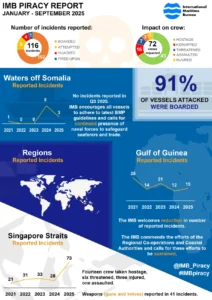
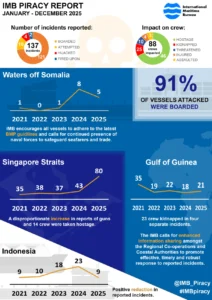
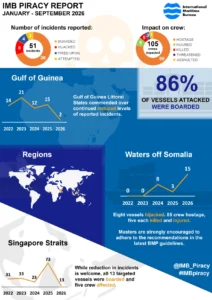
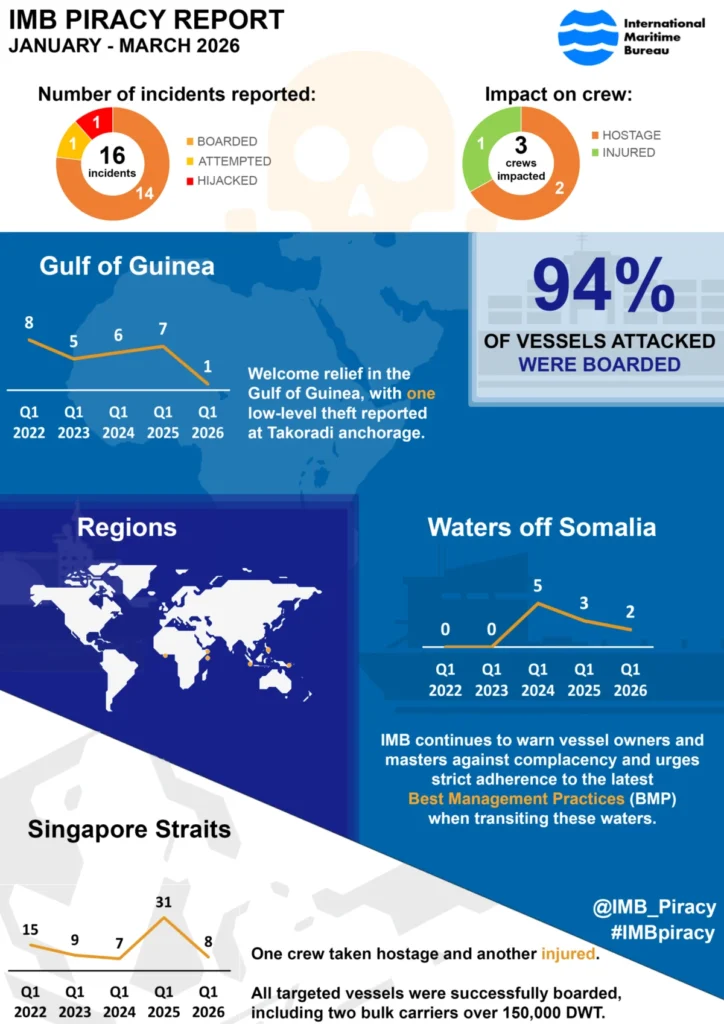
By maintaining an objective database, the PRC has allowed the international community to identify "hotspots" that require collective action. For instance, the systematic reporting of kidnappings in the Gulf of Guinea provided the necessary evidence for the European Union and the United States to commit naval assets to the region, eventually leading to a measurable decline in piracy incidents.
Official Responses: The ICC and the Role of Advocacy
The International Chamber of Commerce (ICC), the parent organization of the IMB, plays a significant role in elevating the work of the PRC to the global stage. As the institutional representative of over 45 million companies in 170 countries, the ICC provides the political leverage necessary to make maritime security a priority for world leaders.
Michael Howlett, Director of the ICC International Maritime Bureau
Michael Howlett has been a central figure in the fight against maritime crime. Under his leadership, the PRC has modernized its reporting systems to be more user-friendly for crews, while simultaneously strengthening its diplomatic ties with governments.
“The safety of our seafarers is non-negotiable,” Howlett has noted in various forums. “Our work is about more than just numbers; it is about providing the tools that prevent the loss of life and the disruption of the global supply chain. When we share information, we share the burden of protection.”
The ICC’s Holistic Approach
The ICC’s core mission—making business work for everyone—is fulfilled by ensuring that the oceans remain open and secure. Through advocacy, standard-setting, and dispute resolution, the ICC ensures that the maritime sector is not just a facilitator of trade, but a responsible global citizen. The integration of the IMB PRC into the ICC structure provides a seamless link between the technical requirements of security and the high-level policy needs of the global business community.
Implications: The Future of Maritime Security
As we look toward the future, the implications of the IMB PRC’s work are profound. The maritime landscape is becoming increasingly complex, with new threats emerging that require a more integrated approach.
The Rise of Hybrid Threats
We are entering an era where physical piracy is often accompanied by cyber-interference. Criminals are increasingly using technology to track vessels, disable security systems, or divert ships. The PRC’s role will necessarily evolve to become a center for both maritime security and cybersecurity intelligence.
Geopolitical Stability and Trade
With global supply chains currently under immense pressure due to geopolitical tensions, the stability of maritime corridors is a matter of national security for almost every nation. The PRC’s data is now being used by governments not just for safety, but for strategic economic planning. A secure sea lane is the foundation of economic recovery and growth.
The Human Element
Beyond the logistics and the economics, there is the human element. The seafarers who navigate these ships are the unsung heroes of the global economy. They work in isolation, often for months at a time, facing the constant threat of violence. The PRC acts as a constant companion for these individuals, providing the assurance that they are not alone. This psychological support, combined with the practical safety measures, is the hallmark of the PRC’s enduring value.
Conclusion: A Call to Continued Cooperation
The IMB Piracy Reporting Centre represents the best of international cooperation. By providing a neutral, transparent, and highly effective platform for reporting and response, the PRC ensures that the high seas remain a space for commerce and connection rather than fear and lawlessness.
However, the efficacy of the PRC depends entirely on the participation of the maritime community. Shipowners, masters, and governments must continue to report incidents promptly and accurately. In the face of evolving threats, the commitment to transparency and the willingness to work together remain our strongest defenses.
As the ICC continues to champion the rights of businesses and the safety of workers, the IMB PRC will remain at the forefront of the battle for maritime security. In a world that is more connected than ever, the protection of our oceans is not just an industry concern—it is a global imperative.
Contact Information
For those seeking further information or wishing to report an incident, the IMB Piracy Reporting Centre remains available 24/7.
Michael Howlett
Director, ICC International Maritime Bureau
Tel: +44 207 423 6960
Email: [email protected]
About the International Chamber of Commerce (ICC):
The ICC is the world’s largest business organization. By promoting international trade and responsible business conduct, the ICC helps ensure that the global market works for the benefit of all. For more information on how the ICC supports the maritime industry and global trade, visit their official portal and engage with their diverse network of chambers and business associations.