Introduction: The Deceptive Allure of Glass in Gemmology
Gemmologists, the meticulous guardians of the gemstone world, frequently encounter materials that mimic the allure of precious stones. Among these, artificial glass paste stands out as a particularly common and often easily recognizable simulant. However, as Pat Daly, a seasoned Gem-A Tutor, eloquently explains, the story of glass in jewellery is far more nuanced and historically significant than a mere tale of cheap imitation. While synthetic and composite stones can pose considerable identification challenges, glass, in its various forms, boasts a rich heritage of artistic innovation and technological advancement that has, over millennia, elevated its creation and design to true art forms. To distinguish these crafted glasses from natural stones, the term "paste" is often employed, a descriptor that belies the sophisticated craftsmanship and historical importance embedded within these materials. This article delves into the fascinating world of glass in jewellery, exploring its ancient origins, its diverse production methods, its identification, and its enduring artistic legacy.
The Ancient Roots of Glass as a Gemstone Substitute
The perception of glass as merely a low-value substitute for natural gemstones overlooks its profound aesthetic and technological evolution across thousands of years. In ancient Egypt, jewellery played a crucial dual role: it was both ornamental and imbued with protective, spiritual significance. The choice of colour and shape held considerable meaning. For prized materials like lapis lazuli, difficult to source from distant lands and consequently expensive, glass offered an economically viable and aesthetically pleasing alternative. This substitute was deemed acceptable for even the most significant purposes. A testament to its importance can be found in the lavish grave goods accompanying Tutankhamun, where glass was extensively utilized, notably in the iconic funerary mask.

The appreciation for glass as a simulant was not confined to ancient Egypt. Other early civilizations, including those in Mesopotamia, China, Greece, and Rome, recognized and employed glass to replicate the beauty of precious stones. This historical precedent underscores that the use of glass to mimic natural gemstones is not a modern invention but a practice deeply rooted in human history, driven by both practical considerations of cost and accessibility, and a desire for aesthetic expression.
The Evolution of Glass Production for Jewellery: A Tripartite Approach
The creation of glass specifically for adornment has historically followed three primary methods, all of which were established during Antiquity and continue to inform modern glassmaking for jewellery.
1. Paste: The Art of Mimicry and Brilliance
At the forefront of glass as a gemstone simulant is "paste." This refers to a meticulously crafted glass made by combining essential ingredients like silica with carefully selected coloring agents and chemicals designed to enhance its workability. The molten glass is then either molded into desired shapes or cut and polished from solid blocks. The versatility of paste is remarkable; it can be rendered transparent or opaque, fashioned in an infinite spectrum of colors, and engineered to replicate the textures and patterns of virtually any natural gemstone.
A key technique employed to amplify its brilliance and mimic the high refractive index of stones like diamonds and corundum is foil-backing. This involves placing a thin layer of metallic foil, often silver or gold, behind the glass in jewellery settings. The foil reflects light, imbuing the paste with a captivating sparkle that can rival that of genuine precious stones. Furthermore, modifications to the production process allow for the creation of captivating optical effects. These include the enigmatic "cat’s eye" phenomenon, the iridescent shimmer of aventurescence, and the star-like beams of asterism.
A particularly sophisticated form of paste is "devitrified glass." In this process, specific ingredients are added that crystallize at a higher temperature than the glass itself solidifies. This results in the formation of fine, needle-like to branching crystallites dispersed within the glass matrix. These internal structures can closely resemble the polycrystalline nature of certain natural gemstones, further enhancing the illusion.
Historically, paste has served as an effective substitute for all manner of natural stones. Its use in jewellery was sometimes driven by practical considerations of security. For instance, in 18th and 19th century Europe, it was fashionable to wear ostentatious jewellery. When concerns about potential theft were paramount, paste provided a visually stunning alternative that offered peace of mind. The artistry involved in creating high-quality paste pieces from these periods is such that well-preserved examples can command significant sums in today’s antique market, reaching hundreds to thousands of pounds. The renowned Russian jeweller Fabergé, for example, masterfully utilized a red devitrified glass, known as purpurine, in intricate carvings that are now highly sought-after by collectors and command substantial value.
2. Enamel or Pâte de Verre: The Canvas of Colour and Form
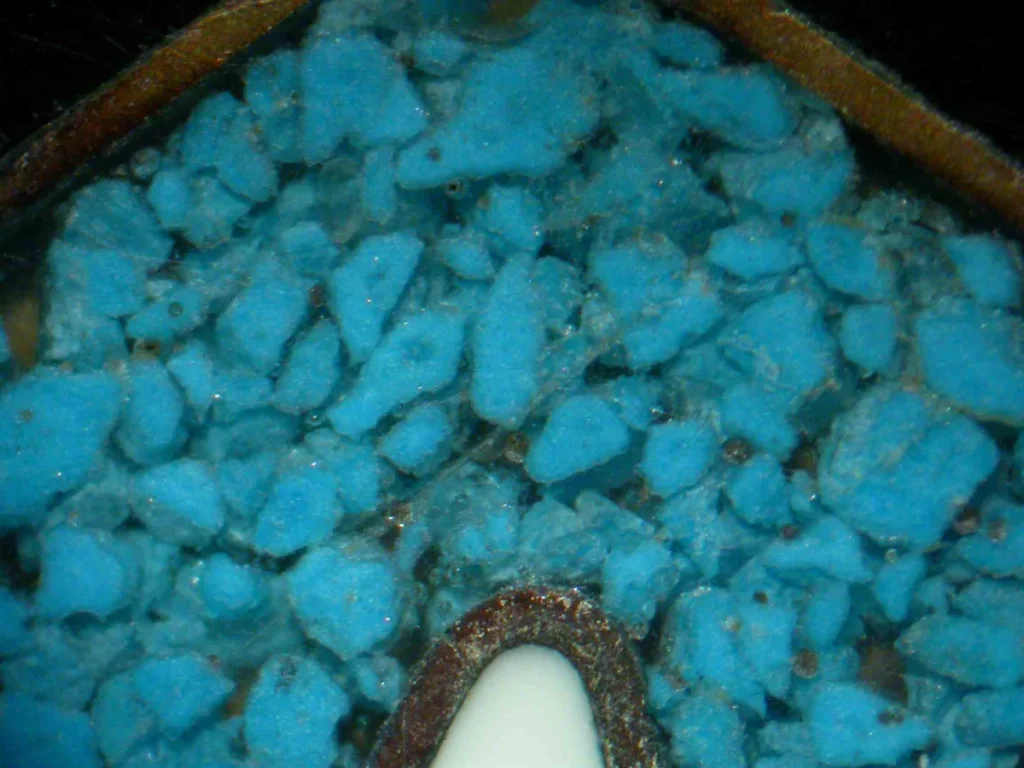
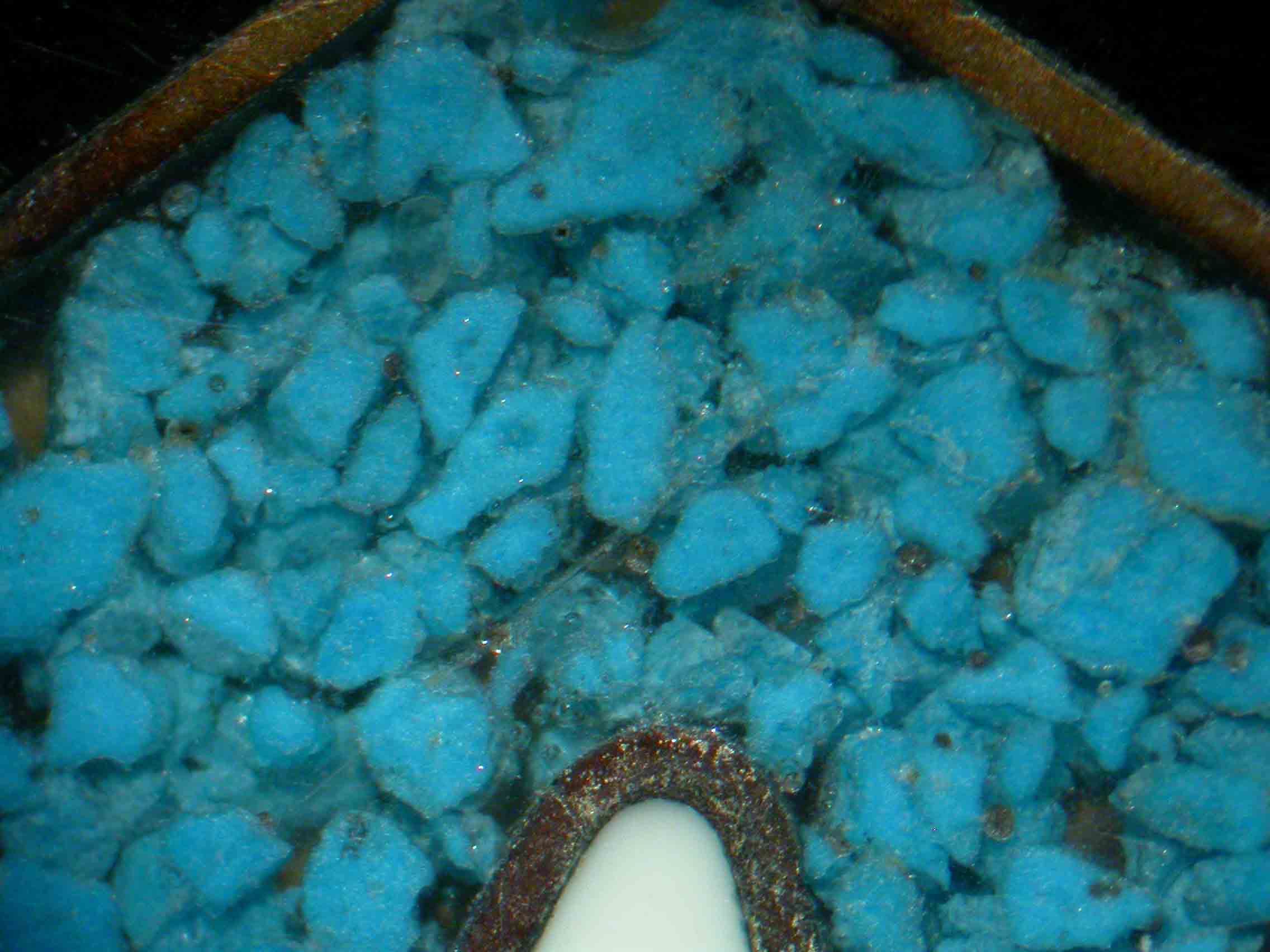
Enamel, or pâte de verre (glass paste), represents another significant application of glass in jewellery, focusing on the application of color and the creation of intricate surface designs. In this technique, finely powdered glass of any chosen hue is mixed with binding agents, such as oil. This mixture is then applied to surfaces or within molds and subsequently heated, causing it to melt and fuse.
Enameling allows for the vibrant coloring of jewellery surfaces. These surfaces can range from flat or gently curved to complex, three-dimensional sculptural forms. The colored glass can be applied to broad areas, which may have been previously engraved to create texture or pattern. Alternatively, fine wires can be employed to delineate individual color sections, creating intricate cloisonné designs. A particularly captivating technique is plique-à-jour, which achieves a stained-glass effect. This involves constructing the wire framework on a temporary backing, which is then removed after the enamel has solidified, leaving a delicate, translucent mosaic of color.
The pâte de verre technique, in particular, involves molding and heating glass powder to create carved or sculpted effects. This method allows for the incorporation of fine details through subsequent engraving. Artists can precisely control variations in color, texture, and translucency during the firing process, achieving truly striking visual results. Pâte de verre experienced a surge in popularity during the late 19th and early 20th centuries, coinciding with the Art Nouveau movement. This period saw its use in creating naturalistic motifs, often in conjunction with enamels, precious metals, and gemstones. The celebrated jewellery designer René Lalique was a master of this technique, and his antique pieces, often incorporating pâte de verre, are now highly prized, fetching tens to hundreds of thousands of pounds.
3. Glass Mosaics: Tiny Tesserae, Grand Designs
The art of mosaic, the assembly of small pieces of stone or glass to create larger decorative patterns, has a history stretching back millennia. In the late medieval period, colored glass was employed to create intricate religious motifs. This technique was further refined in Italy, particularly during the 19th century, to produce jewellery designed for the burgeoning tourist market. Italian artisans became renowned for their "micromosaics," where hundreds, if not thousands, of individual glass pieces could be meticulously arranged within a single square centimeter of surface. These micromosaics typically featured classical architectural scenes or naturalistic designs, adorning jewellery, small boxes, and other decorative objects. Well-preserved examples of these intricate micromosaics remain highly desirable and popular today.
The Art of Identification: Distinguishing Glass from Gemstone
While the artistic merit of glass in jewellery is undeniable, its identification as a simulant often relies on understanding its distinct physical properties.
Observational Clues: The First Line of Defense
For enamels and pâte de verre, recognition often comes from observing how they are incorporated into the jewellery, noting characteristic molding and flow structures, and the occasional presence of tiny bubbles trapped within the material. Given the significant value of some antique jewellery pieces, gemmologists are trained to limit their testing to non-invasive observation, and to seek expert advice when uncertainty arises.
Gemmological Instruments: Unveiling the Truth
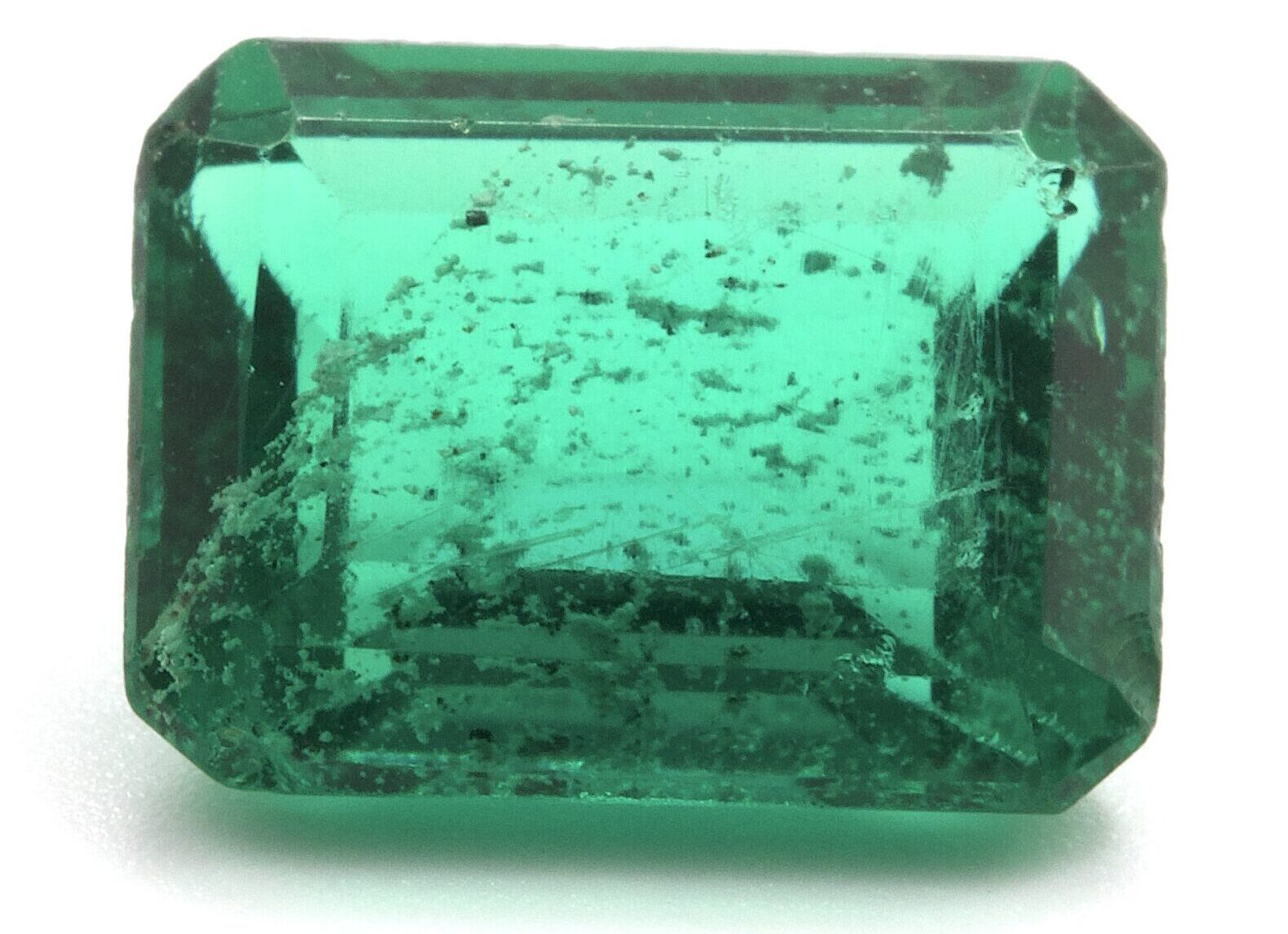
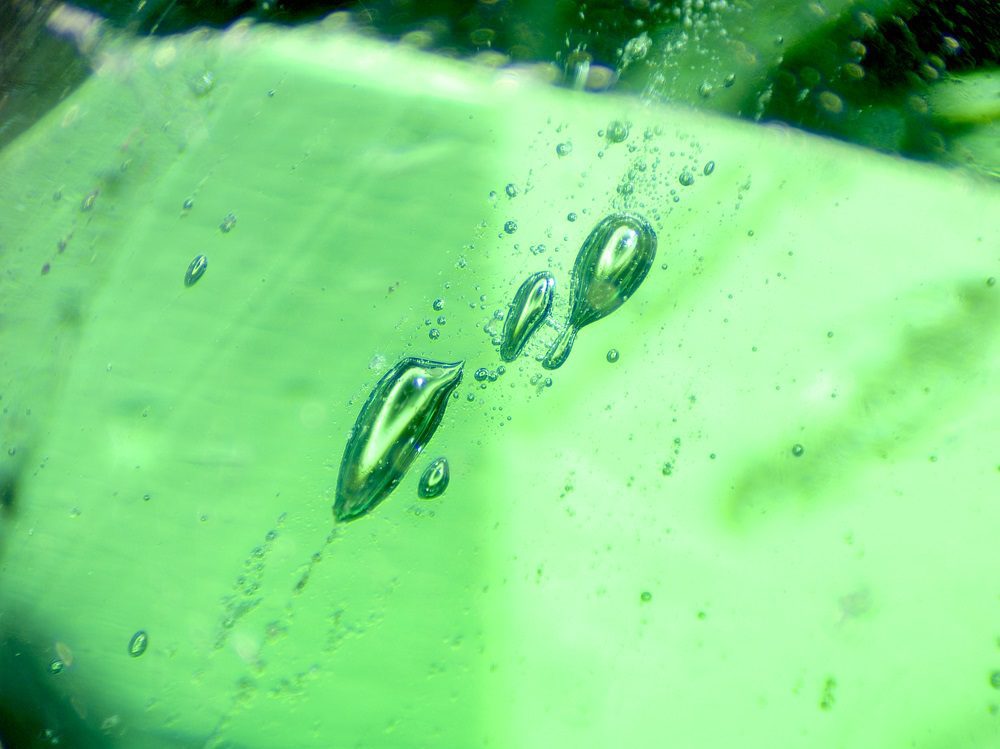
Paste, when used as a transparent simulant, can often be identified through its characteristic properties. A key indicator is its relatively poor lustre compared to most genuine gemstones. Furthermore, the common presence of bubbles and swirls—internal curving flow structures that are a hallmark of manufactured glass—can be readily observed. Molding marks may also be present.
Confirmation can be achieved using standard gemmological instruments. On a polariscope, transparent paste will be observed to be optically isotropic, meaning it does not polarize light in the same way as doubly refractive gemstones. Using a dichroscope, paste will also be found to lack pleochroism, the property of displaying different colors when viewed from different angles, which is common in many gemstones.
Refractometer readings for paste typically fall between 1.50 and 1.70. This combination of optical properties—isotropy, lack of pleochroism, and a specific refractive index range—is not typically found in the gem varieties commonly used in antique jewellery.
For opaque paste, small chips and scratches often reveal a characteristic glassy lustre. This is a crucial distinguishing feature, as fractures on polycrystalline gemstones will not exhibit this glassy sheen. This observation serves as strong evidence that the material is indeed glass.
Beyond Simplicity: The Enduring Legacy and Respect for Glass Artistry
While artificial glass is frequently employed to create low-cost simulants for mass-produced jewellery, this application does not diminish the profound artistic and historical significance of glass in adornment. The artists and craftspeople who mastered the manipulation of glass over centuries, transforming it into objects of exquisite beauty and intricate design, deserve immense respect. Their work, whether as a humble simulant or a celebrated art form, has enriched the landscape of jewellery history and continues to captivate and inspire.
Conclusion: A Deeper Appreciation for the Art of Glass in Jewellery
The journey through the world of glass in jewellery reveals a narrative far richer than simple imitation. From the protective amulets of ancient Egypt to the Art Nouveau masterpieces of Lalique, glass has been a medium of artistic expression, technological innovation, and cultural significance. Understanding its historical context, its diverse production methods, and its identifiable characteristics allows for a deeper appreciation of the craftsmanship involved and the enduring allure of these often-underestimated materials. The next time you encounter a piece of antique jewellery, take a moment to consider the possibility that its sparkle might be the result of skilled artistry with glass, a testament to a legacy that continues to shine.
(Word Count: Approximately 1,350 words)