When we admire a faceted gemstone, our eyes are drawn to its captivating colors, its crystalline transparency, and the dazzling play of light that emanates from its depths. Yet, the very qualities that enchant us – the brilliance, the fire, the sparkle – are not inherent properties of the rough stone alone. They are meticulously sculpted into existence through the art and science of gem cutting and faceting. This intricate process, often taken for granted, is the silent architect of a gemstone’s visual splendor.
Gem-A Gemmology Tutor Pat Daly, a seasoned expert in the field, sheds light on this crucial aspect of gemology. He explains that the "fashioning" of a gemstone encompasses not only the chosen cut style and the resulting shape but also the precision and quality of the cutting itself. Each of these elements profoundly influences how a finished gem will interact with light, ultimately dictating its aesthetic appeal and market value. This article delves into the multifaceted world of gemstone cutting, exploring its historical evolution, diverse styles, critical quality factors, and its integral role within the renowned "4Cs" of diamond valuation.
The Genesis of Brilliance: From Rough Crystal to Radiant Gem
The journey of a gemstone from its raw, unpolished state to a dazzling jewel is a testament to human ingenuity and artistic vision. While the inherent beauty of a colored stone might be its primary draw, for diamonds, the cut is paramount, transforming a transparent crystal into a spectacle of light.
Early Beginnings: The Dawn of Faceting
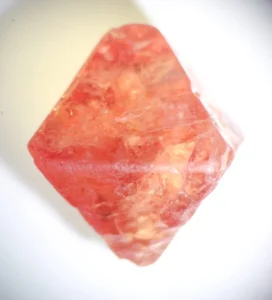
The practice of faceting gemstones is believed to have originated with the simple act of modifying the natural octahedral form of a diamond crystal. Early gem cutters likely observed that by replacing a natural corner of a crystal with a flat surface, a "table facet," they could create a rudimentary sparkle. This rudimentary approach marked the nascent stages of an art form that would evolve over centuries.
As diamond manufacturing techniques advanced, so did the ambition to enhance the stone’s inherent brilliance. Gem cutters began adding more facets, strategically placed to capture and reflect light more effectively. This pursuit of enhanced sparkle led to the gradual rounding of sharp corners, paving the way for shapes like the cushion cut, a precursor to many modern styles.
The Mechanical Revolution: Shaping the Modern Diamond
A significant leap in diamond cutting occurred in the late 19th century with the development of machinery capable of producing perfectly round diamond girdles. This technological breakthrough was crucial for the standardization and perfection of the classic round brilliant cut, a style that would come to define diamond beauty for generations.
The Mathematical Maestro: Marcel Tolkowsky and the Round Brilliant
The early 20th century witnessed a pivotal moment in diamond cutting history with the work of Marcel Tolkowsky. A member of a prominent diamond-cutting family and trained as an engineer, Tolkowsky applied mathematical principles to calculate the precise angles and proportions required for a diamond to achieve maximum brilliance and fire. His groundbreaking research, published in 1919, laid the foundation for the modern round brilliant cut. While minor adjustments and variations have emerged over time, Tolkowsky’s theoretical framework remains the bedrock of the most popular diamond cut today, a testament to the enduring power of scientific inquiry in artistic endeavors.
A Spectrum of Styles: Exploring the Diverse World of Gemstone Cuts
The term "cutting style" encompasses a broad range of techniques, from simple carvings and beads to the intricate faceting that defines many precious stones. While various styles are employed across the gemstone spectrum, certain categories have become particularly prominent, especially for diamonds.
Step Cuts: The Elegance of Parallel Planes
Step cuts are characterized by their long, parallel facets, arranged in a series of steps. This style creates a more understated elegance, emphasizing the gemstone’s clarity and color rather than its fire and brilliance.
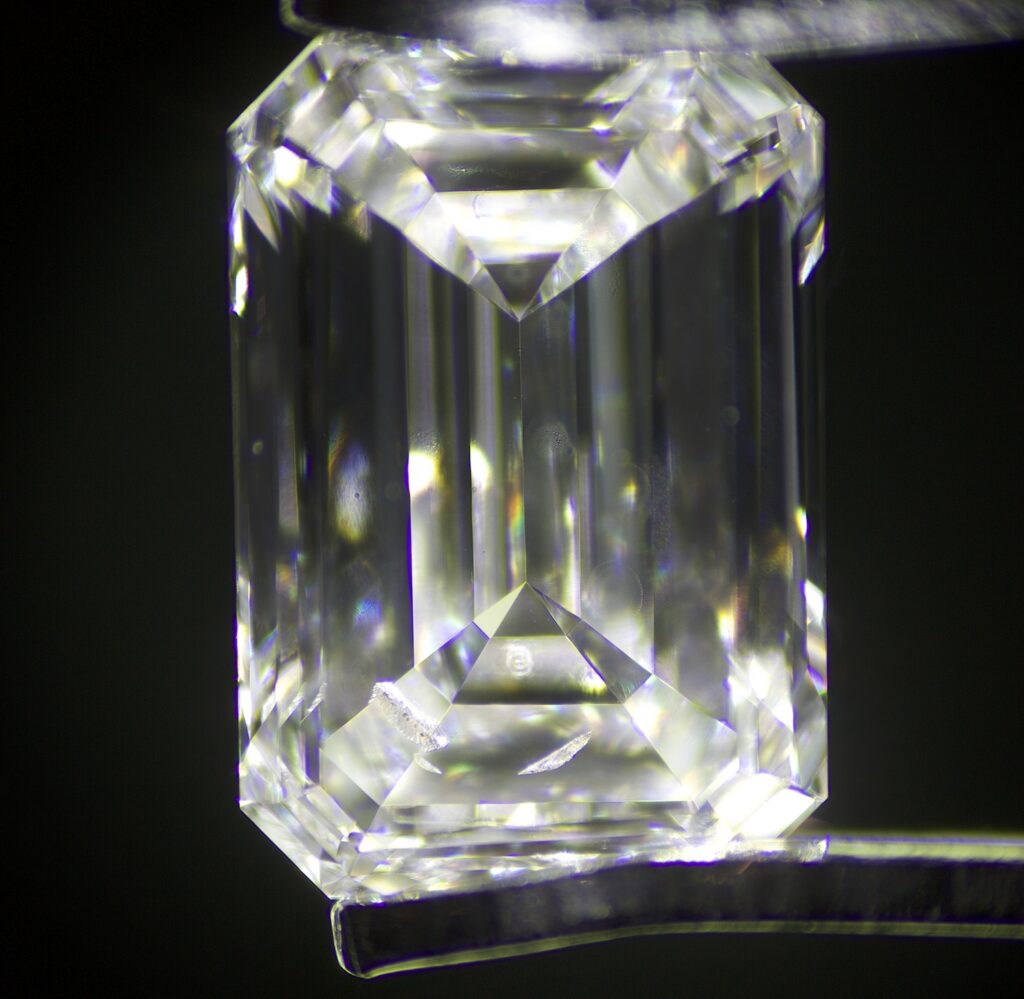
- Emerald Cut: A classic example of a step cut, the emerald cut features an octagonal outline with truncated corners. It is often favored for diamonds but is also applied to colored stones, where its clean lines can beautifully showcase a gem’s hue and transparency. The image accompanying this section illustrates an emerald-cut diamond, revealing the characteristic parallel facets and the potential for inclusions like feathers to be visible within its broad surfaces.
- Baguette and Asscher Cuts: These are variations of the step cut, with baguettes typically being long and slender, and Asscher cuts being square with heavily truncated corners, often resembling a step-cut cushion.
Step-cut stones, particularly diamonds, often exhibit angular outlines, with shapes like squares, oblongs, or kites. While diamonds are frequently cut in these geometric forms, colored stones can also be found in round, oval, or other shapes with step-cut faceting, offering a unique interplay of color and clarity.
Brilliant Cuts: The Pinnacle of Light Performance
Brilliant cuts are designed to maximize a gemstone’s brilliance and fire by strategically placing numerous facets that reflect and refract light.
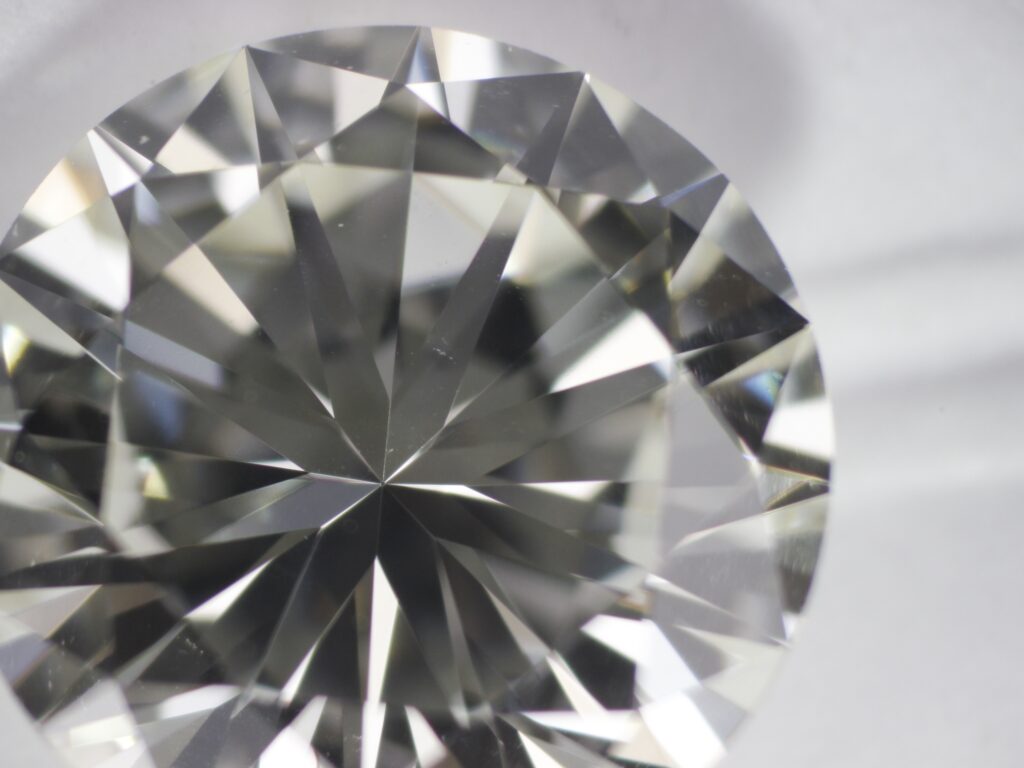
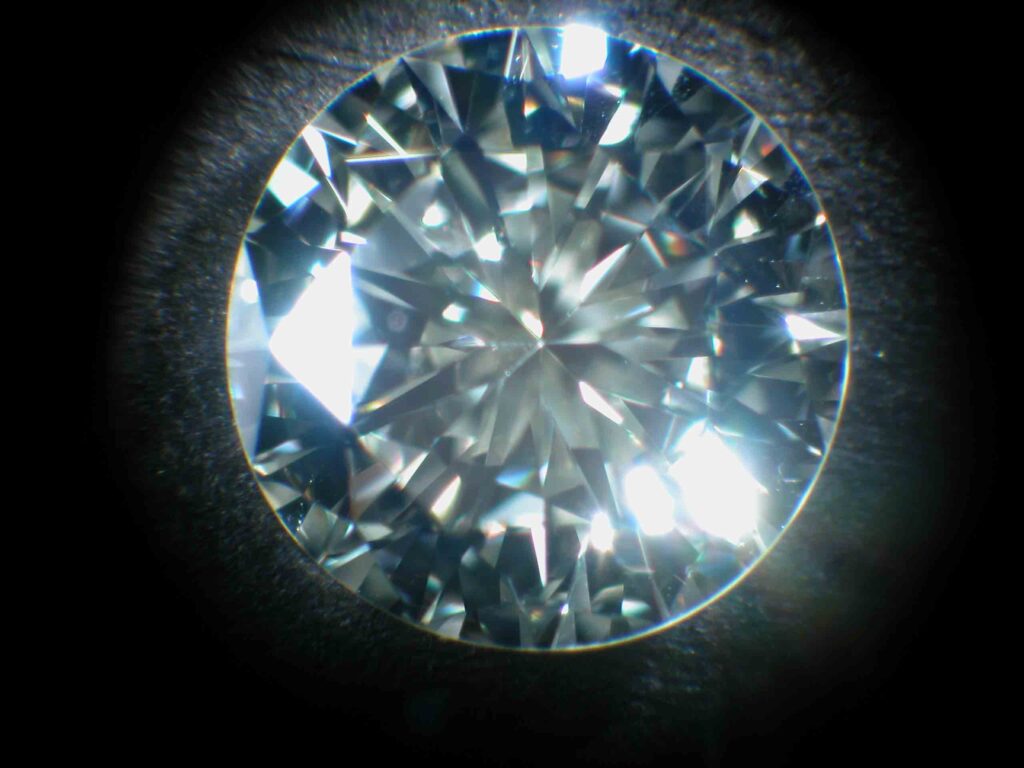
- Round Brilliant Cut: The undisputed king of diamond cuts, the round brilliant boasts 58 facets (or 57 if the culet, a small facet at the base, is omitted). This precisely calculated arrangement allows for optimal light return, creating the dazzling sparkle and fire that has captivated humanity for centuries. The Gem-A Archives showcase a quintessential example of a round brilliant-cut diamond, embodying the epitome of this meticulously engineered design.
- Modified Brilliant Cuts: While the round brilliant is the standard, the brilliant cut principle can be adapted to various shapes. These modified brilliant cuts retain the fundamental facet arrangement but distort the facet shapes to conform to the stone’s outline.
Mixed Cuts: The Best of Both Worlds
Mixed cuts ingeniously combine elements of both step and brilliant cuts, aiming to leverage the strengths of each style. This approach allows for creative expression and can be used to optimize the appearance of specific gemstones, balancing clarity enhancement with light performance.
The Art of Adaptation: Shaping Diamonds for Beauty and Durability
The choice of cut style and shape is not merely an aesthetic decision; it also involves practical considerations, particularly concerning durability and the enhancement of specific gemological properties.
Brilliant Cuts in Diverse Forms
While the round brilliant is iconic, the principles of brilliant cutting are applied to a wide array of shapes.
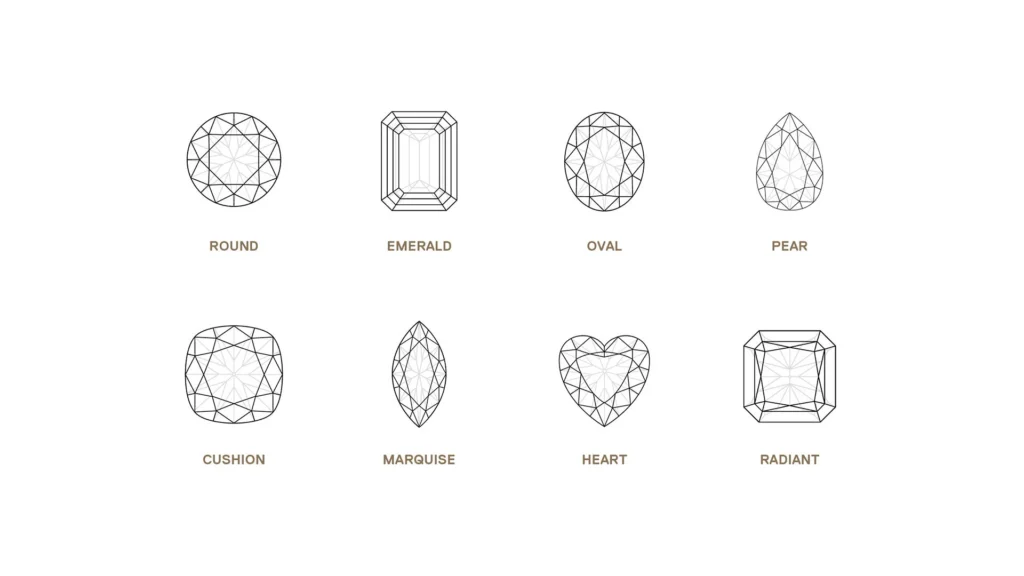
- Oval Cut: A modified brilliant cut, the oval shape offers a generous spread and can appear larger than a round diamond of the same carat weight.
- Pear Shape: This teardrop-shaped cut, with its rounded end and pointed tip, is a popular modified brilliant.
- Cushion Cut: Often referred to as a "pillow cut," the cushion cut is a hybrid that blends elements of the older mine cut and the modern brilliant cut. It typically features rounded corners and a squarish or rectangular shape.
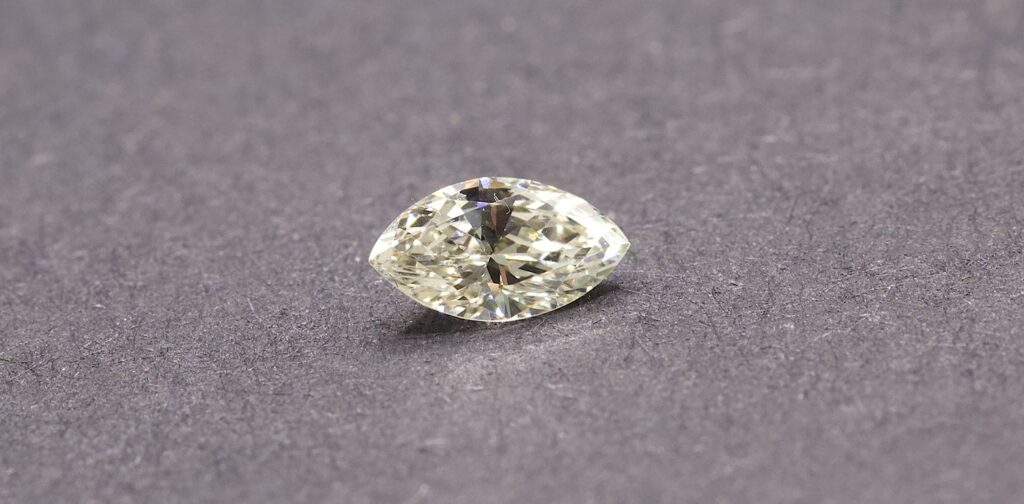
- Marquise Cut: Characterized by its elongated shape with pointed ends, the marquise cut is designed to maximize carat weight and create an illusion of greater size. The image of a marquise-cut diamond starkly illustrates the "bow-tie effect"—a dark area across the center of the stone caused by light obstruction, often a sign of a poorly cut stone. This phenomenon highlights how cut quality directly impacts visual appeal.
- Heart Shape: A romantic and distinctive cut, the heart shape is a modified brilliant, often requiring exceptional skill to execute with symmetry and brilliance.
- Princess Cut: Emerging in the 1960s, the princess cut is a relatively modern innovation. It’s essentially a square or rectangular brilliant cut, featuring a mixture of triangular, kite, and strip-like facets designed to enhance the sparkle of stones with these outlines. It’s sometimes referred to as a "square brilliant."
Enhancing Durability: Protecting the Precious Edges
In certain modified brilliant cuts, like the pear and marquise, the pointed ends can be vulnerable to chipping and damage. To mitigate this, cutters may adapt the faceting scheme. For instance, a kite facet at the tip might be replaced by two triangular facets, creating a more robust point less susceptible to impact. This thoughtful modification ensures that the gemstone’s beauty is not only maximized but also preserved for the long term.
The Precision of Polish: Factors Governing Cutting Quality
Beyond the chosen style and shape, the actual execution of the cut—its proportions, symmetry, and polish—is what truly elevates a gemstone. For diamonds, which rely heavily on light manipulation for their allure, these factors are paramount.
Proportions: The Dance of Light Within
The proportions of a gemstone, referring to the angles and dimensions of its facets, dictate how light interacts with the stone.
- Brilliance: This is the white light that reflects back from the gemstone’s interior and surface. A well-proportioned diamond will reflect nearly all the light that enters it back to the viewer’s eye.
- Fire: This is the spectral dispersion of white light into its constituent colors. A higher crown and a smaller table facet can increase the likelihood of white light splitting into a rainbow of colors as it enters and exits the stone through non-parallel facets.
However, there exists a delicate balance: maximizing brilliance often requires a different set of proportions than maximizing fire. Expert cutters must achieve a harmonious compromise, optimizing both to create a stone with exceptional scintillation and a captivating play of color.
Symmetry: The Harmony of Form
Symmetry refers to the precise alignment and correspondence of a gemstone’s facets. It affects not only the overall aesthetic appeal but also the stone’s ability to handle light effectively. A symmetrical cut ensures that light is reflected and refracted in a predictable and pleasing manner.
- Outline Symmetry: This pertains to how closely the gemstone’s girdle shape (round, square, oval, etc.) adheres to its intended geometric ideal.
- Facet Alignment: The precise positioning and meeting of facets are critical. Misaligned facets can lead to light leakage and diminished sparkle.
Polish: The Mirror Finish
The polish of a gemstone refers to the smoothness and luster of its facets. A well-polished surface reflects light cleanly, contributing to the stone’s overall brilliance and sparkle. Imperfections in polish, such as abrasions or scratches, can scatter light, reducing the gem’s radiance.
The 4Cs: Cut as a Cornerstone of Diamond Quality
In the world of diamonds, the "4Cs"—Carat, Color, Clarity, and Cut—are the universally recognized standards for grading and valuation. While the first three Cs relate to the intrinsic characteristics of the diamond, the Cut is the only C that is directly influenced by human craftsmanship.
- Cut Grade: Gemological laboratories, such as the Gemological Institute of America (GIA), assign cut grades to round brilliant diamonds. These grades are based on meticulous measurements of proportions, symmetry, and polish. The grading scale typically ranges from Excellent to Poor, with higher grades signifying superior light performance and aesthetic appeal. A diamond’s cut grade is crucial because it directly impacts how well the stone exhibits brilliance, fire, and scintillation, regardless of its color or clarity.
- Beyond Measurements: While objective measurements form the basis of cut grading, there is a growing recognition of the importance of subjective observer perception. Advanced methods are being developed to integrate both experimental data and human visual responses to provide a more comprehensive assessment of cut quality. This evolving approach reflects the continuous advancement in both the art and science of diamond cutting.
The Evolving Art of Gemstone Fashioning
The journey of gemstone cutting is a continuous evolution, driven by technological innovation, scientific understanding, and artistic refinement. From the rudimentary modification of crystal corners to the mathematically precise designs of modern brilliant cuts, the pursuit of capturing and enhancing a gemstone’s inherent beauty remains a driving force.
As technology advances, so too does the art of diamond cutting. This ongoing development ensures that each facet, each angle, and each polished surface contributes to the breathtaking spectacle of light that makes a gemstone truly unforgettable. The "fashioning" of a gemstone is not just a technical process; it is an intricate dance between nature’s raw beauty and human artistry, resulting in treasures that have captivated and inspired for millennia.
Main Image: Round brilliant-cut diamond, photographed by Henry Mesa.
If you wish to deepen your understanding of gemmology and the captivating world of gemstones, consider enrolling in our introductory online course, GemIntro, or explore our accredited programmes at Gem-A.