

For centuries, the vibrant green gemstone peridot has captivated admirers with its unique hue. Yet, it is often described with a term that might initially raise eyebrows: "oily green." Far from a criticism, this descriptor is deeply rooted in the stone’s mineralogical composition and historical associations. Gem-A Tutor Pat Daly delves into the origins of this moniker, exploring the geological journey and intrinsic properties that define this fascinating mineral.
The Allure of Peridot: A Symphony of Green
Peridot, a gemstone primarily known for its striking green color, is a testament to the Earth’s intricate geological processes. While it can occasionally present with yellow or even brown tones, it is the vibrant, unmistakable green that defines gem-quality peridot. This captivating hue is not a mere accident of nature; it is a direct consequence of its chemical makeup. Peridot is a magnesium silicate, and its characteristic color arises from the presence of iron within its crystalline structure. Furthermore, trace amounts of nickel and chromium are believed to play a role in subtly modifying and enhancing these green tones, metals that are relatively abundant in the mantle rocks where peridot typically forms.
The visual appeal of peridot is further enhanced by its excellent transparency, making it a favored choice for jewelry designers, artisans, and gem enthusiasts alike. Its pleasing green shades, ranging from a bright, almost lime green to a deeper, more olive-toned emerald green, offer a versatile palette for adornment. This consistent quality and appealing color have cemented peridot’s status as a commercially significant gemstone, sought after for its beauty and relative affordability.
A Journey Through Time: The Rich History of Peridot
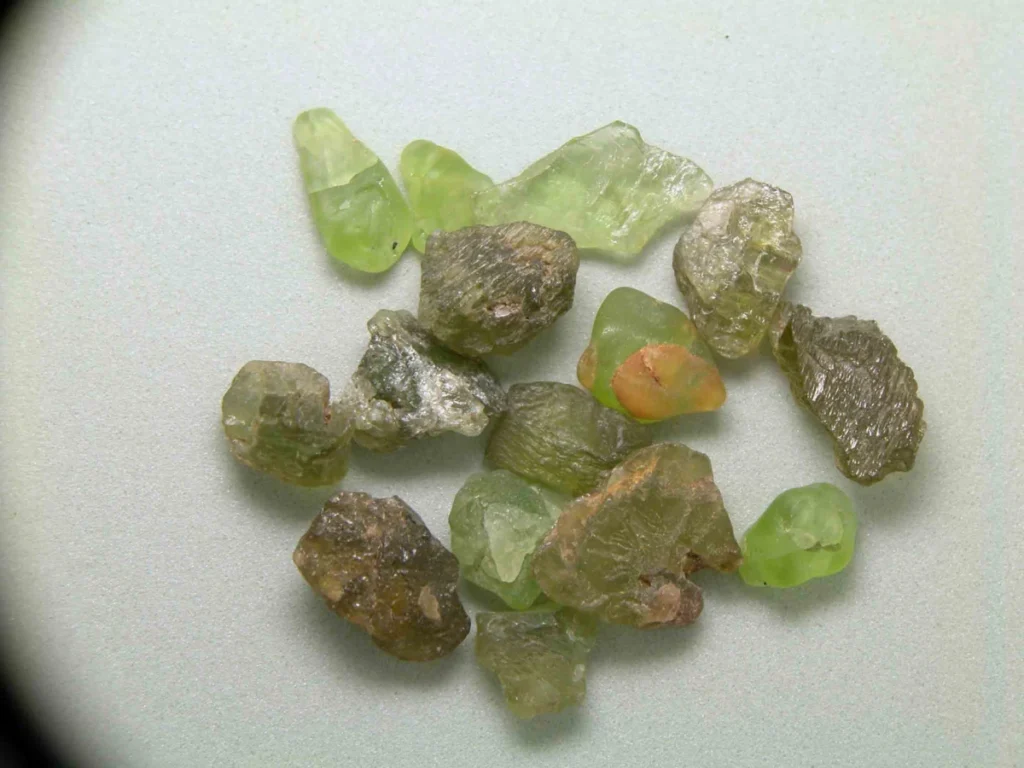
The story of peridot is as ancient as the Earth itself, with its origins tracing back to classical times. The island of Zabargad in the Red Sea, historically known as Topazios, was the primary source of peridot for millennia. This remote island yielded exceptional specimens that found their way into the adornments of royalty and the treasures of ancient civilizations. For centuries, Zabargad remained the preeminent source, its name becoming almost synonymous with the gemstone itself.
However, the geological tapestry of our planet is constantly being rewoven, and new sources of peridot emerged over time. Burma, now known as Myanmar, also became a significant producer, contributing large and fine-quality stones to the global market. In more recent history, the United States, particularly Arizona, emerged as a key player, yielding peridot of remarkable clarity and color. Other notable sources include Norway and Pakistan, each contributing to the diversity and availability of this gemstone.
A significant development in recent decades has been the discovery of substantial peridot deposits in China. These newfound reserves have been supplying fine-quality stones to the jewelry trade, further diversifying the global supply chain and ensuring that this beautiful gem remains accessible to a wider audience.
The geological conditions under which peridot forms are as fascinating as its history. In these diverse locations, gem-quality peridot typically originates deep beneath the Earth’s crust. It is brought to the surface through powerful geological forces, primarily volcanic activity, which expels molten rock (magma) from the Earth’s interior. Alternatively, it can be found within large masses of peridotites, often after periods of intense geological deformation and recrystallization within the crust. These processes are crucial in concentrating and forming the mineral into gem-quality crystals.
Unpacking Peridotites: The Earth’s Olive-Hued Legacy
To understand peridot, one must first understand its geological birthplace: peridotite. These ultramafic igneous rocks are predominantly composed of the mineral olivine. The very name "olivine" is a direct nod to its striking resemblance to the fruit of the olive tree, characterized by its yellowish-green hue. It is this inherent color similarity that has, over time, transferred from the fruit to the oil produced from it.

Olive oil, a staple in many cultures and a globally significant commodity, is known for its distinctive color. This range of yellow, often with a subtle greenish tinge, has served as a visual touchstone for describing colors. It is unsurprising, therefore, that the resemblance in color between olivine and olive oil has led to the adoption of such comparisons for describing gemstones derived from these rocks, including peridot. While olive oil is generally more yellow, peridot is almost invariably a distinctly green gemstone, though the underlying connection to this familiar natural product remains.
The Enigma of "Oily" Peridot: Beyond the Surface Hue
The term "oily" when applied to gemstones can often carry negative connotations, frequently associated with artificial treatments designed to enhance clarity or color. This is particularly pertinent for peridot, which is highly valued precisely because it is one of the few gem materials that is rarely, if ever, treated. The association with oil can, therefore, be misleading and is certainly not intended as a reflection of artificial enhancement.
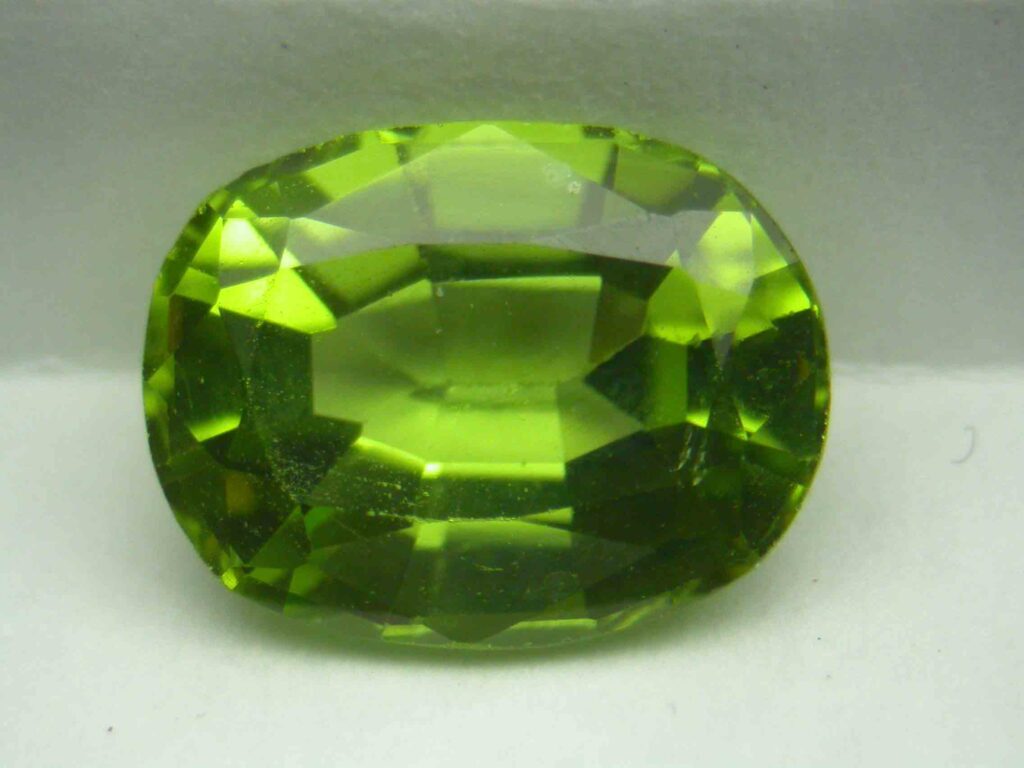
Instead, the "oily" description is a more nuanced observation related to the optical properties of peridot, particularly its interaction with light. Sometimes, peridot can exhibit a so-called "sleepy" appearance. This is not due to inherent flaws but rather to subtle internal characteristics. This "sleepiness" can manifest as slightly reduced transparency, where light is scattered internally by sub-microscopic inclusions. These microscopic imperfections can diffuse light, creating a softer, less sharp appearance.
Furthermore, the optical phenomenon of strong doubling, visible when observing through the stone in certain directions, can also contribute to this perception. Doubling occurs when light rays are split into two as they pass through the crystal. In peridot, this can cause facet edges to appear blurred or indistinct, further contributing to a less glassy, more diffused visual effect. These features, while sometimes seen as undesirable by purists, do not necessarily detract from the stone’s overall beauty. In some instances, this light scattering can even be beneficial, illuminating parts of the faceted stone that might otherwise appear dark, even in well-cut and polished specimens.

The term "oily" therefore, likely emerged from a combination of these visual effects – the subtle diffusion of light, the softened appearance of facet edges due to doubling, and the slight reduction in absolute transparency caused by microscopic inclusions. It’s a descriptive term born from direct observation of how light behaves within the gemstone, drawing an analogy to the way oil can sometimes appear to coat or obscure surfaces, creating a less sharp visual.
Peridot’s Singular Charm: A Unique Gemstone Identity
In the vast and diverse world of gemstones, many species boast a dazzling array of colors, intricate optical effects, and numerous named varieties. Peridot, however, stands apart with its singular focus. While it can exhibit a range of green tones, its essence lies in this consistent, captivating hue that has enchanted humanity for thousands of years. It is this pleasing green color, coupled with its reliably good transparency, that has made it a perennial favorite among jewelry designers, artisans, and their discerning clientele.
The current global supply of peridot is robust, with fine gem material regularly available in quantities that allow it to be offered at moderate prices. This accessibility ensures that the beauty of peridot is not confined to the exclusive realm of the ultra-wealthy. However, as with any precious gemstone, the largest and most exceptional specimens, those boasting the finest color, clarity, and cut, can command prices in the thousands of pounds, reflecting their rarity and desirability.
Peridot’s uniqueness lies not in its multiplicity of forms but in its consistent, vibrant identity. It is a gemstone that speaks with a single, clear voice – a voice of verdant beauty, geological marvel, and timeless allure. Its story, from its ancient origins to its modern-day appeal, is a testament to the enduring power of natural beauty and the fascinating interplay of science and aesthetics.

To delve deeper into the captivating world of peridot and other commercially significant gemstones, consider exploring GemIntro, Gem-A’s online-only beginners gemmology course. For those aspiring to a career in gemmology, the Gemmology Foundation program offers an unparalleled pathway to professional development.
Main Image: A faceted peridot gemstone, captured with masterful skill by the author, Pat Daly.



