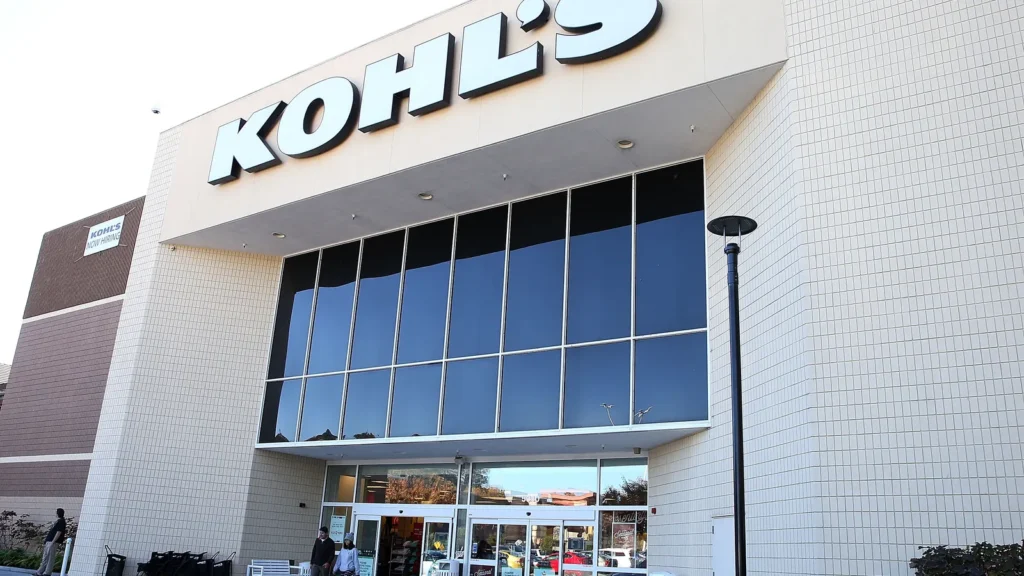
Kohl’s, the iconic American department store chain, is currently navigating one of the most precarious chapters in its corporate history. As the retail landscape shifts toward a digital-first, hyper-convenient model, the Wisconsin-based retailer is doubling down on a comprehensive turnaround strategy designed to bridge the gap between its sprawling physical footprint and its modern digital ambitions.
Central to this transformation is the creation of a new Chief Customer Officer role—a strategic move intended to centralize the shopper experience and ensure that every interaction, from the first click on a mobile app to the final transaction at a brick-and-mortar checkout, feels cohesive. However, as the company reports its Q2 2026 financial results, the data suggests that while the bleeding has slowed, the path to sustained growth remains fraught with obstacles.
Main Facts: A Structural Realignment
The appointment of a Chief Customer Officer signals a significant cultural and operational shift for Kohl’s. Historically, the retail giant has managed its digital and in-store operations in silos, a legacy approach that often led to disjointed customer journeys. By unifying these under a single executive mandate, Kohl’s aims to standardize its brand identity across all touchpoints.
During the Q2 2026 earnings call, CEO Tom Bender emphasized that the turnaround is not merely cosmetic; it is an exercise in operational discipline. The company is actively reducing the breadth of its assortment—a counter-intuitive move for a department store—to improve product clarity and ensure that the inventory available online perfectly mirrors what is on the shelves. This "less is more" approach is intended to simplify the decision-making process for shoppers, who have increasingly expressed frustration with the overwhelming, cluttered nature of traditional department store layouts.
Chronology: The Road to the 2026 Turnaround
Kohl’s has spent the better part of the last three years fighting off market stagnation.
- 2024: The company began experimenting with in-store partnerships, most notably with Sephora, to drive foot traffic. While successful in bringing younger demographics into stores, these partnerships were not enough to offset declines in core apparel and home categories.
- 2025: Kohl’s initiated a sweeping review of its supply chain and inventory management systems. Management acknowledged that "stock-outs" were a major deterrent to repeat visits, leading to a renewed focus on in-stock consistency.
- Q1 2026: The company reported disappointing sales, revealing the urgent need for a more aggressive customer-centric strategy. The initial results of their digital modernization began to show, but the physical stores lagged behind.
- Q2 2026: The current reporting period. Kohl’s officially introduces the Chief Customer Officer role, pairs it with an overhaul of in-store displays for key brands like Nike, Levi’s, Sonoma, and Lauren Conrad, and reports a slight stabilization in year-over-year performance.
Supporting Data: The Fine Line Between Stability and Growth
The financial figures for the second quarter of 2026 present a nuanced picture of the retailer’s health. Same-store sales fell 0.9% year over year, while net sales experienced an identical 0.9% decline. While these figures represent a contraction, they are, crucially, an improvement over the metrics reported in the first quarter of the year.
The digital segment of the business is the primary bright spot. By modernizing the e-commerce platform—specifically focusing on page load speeds and a more intuitive checkout process—Kohl’s has observed an uptick in user engagement. Analytics indicate that customers are spending more time on product pages and demonstrating higher conversion rates once they reach the checkout stage. To capitalize on this momentum, the company has signaled its intent to integrate flexible payment options (such as "Buy Now, Pay Later" services) ahead of the high-stakes holiday shopping season.
Despite these digital gains, the physical store experience remains the "make or break" component of the Kohl’s model. The retailer is investing in high-impact visual merchandising, including fully outfitted mannequins and better-defined wayfinding signage, to make the shopping experience feel more boutique and less warehouse-like.
Official Responses: Management’s Vision
During the Q2 earnings call, CEO Tom Bender was careful to balance optimism with realism. "Delivering a seamless, inspiring experience, whether in-store or online, remains a critical component of our strategy," Bender stated. "Product relevance and consistent in-stock levels are the primary enablers of this experience, and we are sharpening our focus on both."
Bender specifically highlighted the "elevation" of key brands. For consumers, this means that labels like Lauren Conrad and Sonoma are being treated with more care. By utilizing better sizing charts and more engaging, elevated displays, the company hopes to move away from the "treasure hunt" shopping style that defined Kohl’s for decades, favoring instead a curated discovery experience.
Regarding the digital experience, Bender noted that the recent investments in infrastructure are already paying dividends. "Collectively, we believe these investments will benefit us over the long term to improve the experience for our current customers and to help us attract new customers," he said. The strategy here is clear: build a frictionless digital front door that converts new users, then utilize the physical store to cement that loyalty through superior service and brand visibility.
Implications: The Verdict from Wall Street and Analysts
While management is confident in its trajectory, external analysts are sounding a note of caution. Neil Saunders, managing director of GlobalData Retail, provided a blunt assessment in his latest analyst note: "A better performance does not equate to a good performance."
The implication is that Kohl’s is currently playing defense, not offense. While they have successfully stopped the rapid decline of their sales, they have yet to give the average American consumer a "compelling reason" to choose Kohl’s over competitors like Target, Amazon, or off-price retailers like TJ Maxx.
The "Differentiator" Problem
Saunders argues that the current strategy, while necessary, is insufficient for a total brand turnaround. "Addressing this not only requires a more serious elevation of the shopping experience, but it also necessitates more energy and excitement in stores," he observed.
For Kohl’s to truly compete in the late 2020s, it may need to go beyond standard signage and mannequins. Analysts suggest the company needs:
- Exclusive Drops: Limited-time collaborations that generate social media buzz and urgency.
- In-Store Activations: Events that turn the retail space into a destination, rather than a point of transaction.
- Unique Assortment: Moving away from broad-market goods toward exclusive items that cannot be found elsewhere, thereby giving the customer a unique reason to walk through the doors.
Future Outlook: The Holiday Hurdle
The next six months will be the true test for the new Chief Customer Officer. The upcoming holiday season is the most critical period for Kohl’s, and the company’s ability to execute its "seamless experience" mandate will be stress-tested by high traffic volumes.
If the digital enhancements—specifically the new payment options and improved site performance—can drive significant online growth, and if the in-store "elevated" displays translate into higher transaction values, Kohl’s may finally pivot from stabilization to growth. However, if the holiday numbers reflect continued stagnation, the retailer may face pressure to take more drastic measures, including further store closures or even more radical shifts in its business model.
In conclusion, Kohl’s is in the midst of a surgical transformation. By focusing on customer experience, cleaning up its inventory, and upgrading its digital backbone, the company is doing the hard, foundational work required for survival. Whether that work is enough to inspire the consumer and ignite growth remains the billion-dollar question. For now, Kohl’s has bought itself time—but time is a luxury that few retailers in the current climate can afford to squander.