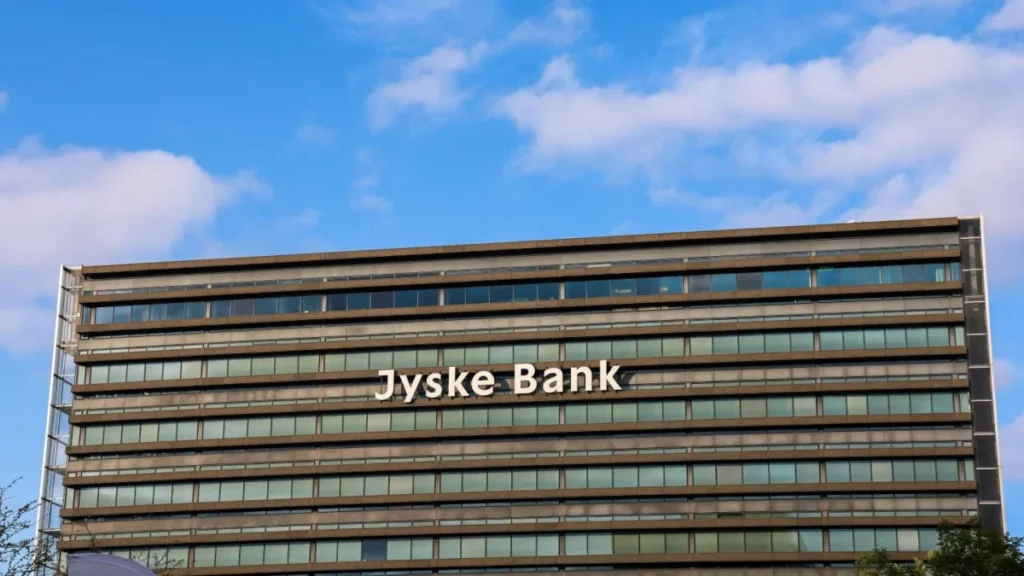
In a significant consolidation move within the Nordic financial services sector, Denmark’s Jyske Bank has announced a binding agreement to acquire the entirety of FP Kapital, the parent company of the independent wealth management powerhouse, Formuepleje. This strategic acquisition marks a pivotal shift in the Danish banking landscape, signaling Jyske Bank’s aggressive intent to capture a larger share of the affluent client market and deepen its footprint in high-end asset management.
The transaction, which is slated for completion in the fourth quarter of 2026, promises to integrate Formuepleje’s specialized advisory expertise with Jyske Bank’s extensive operational scale and capital resources.
The Strategic Rationale: Expanding the Wealth Horizon
At its core, the acquisition is driven by Jyske Bank’s long-term vision to evolve from a traditional retail banking institution into a dominant force in the private wealth management arena. Formuepleje, which has built a formidable reputation as an independent operator, brings with it a sophisticated clientele and a robust investment model that has served approximately 14,000 investors across Denmark.
By folding Formuepleje into its existing structure, Jyske Bank aims to achieve a dual objective: bolstering its net fee income and enhancing its product suite. The bank has projected that the acquisition will contribute an additional DKr 200 million in annual net fee income, a significant boost to its recurring revenue streams.
For Jyske Bank, the deal is not merely about asset volume; it is about "synergistic growth." The bank intends to maintain the integrity of Formuepleje’s advisory model while providing the firm with the back-office support, regulatory platform, and distribution capabilities that only a major banking institution can offer.
Chronology: The Road to Consolidation
The path to this acquisition has been defined by a quiet but deliberate expansion strategy. While the final agreement was signed recently, the move follows a period of intense scrutiny within the Danish financial sector regarding the sustainability of independent wealth managers in an era of tightening regulation and rising digital infrastructure costs.
- Pre-2026: Formuepleje solidified its position as a market leader in the Aarhus and Copenhagen regions, focusing on high-net-worth individuals and long-term asset accumulation.
- Early 2026: Preliminary discussions began between the leadership of Jyske Bank and FP Kapital, centering on how a merger could preserve the "boutique" feel of Formuepleje while leveraging the balance sheet of a major bank.
- September 2026: Formalization of the agreement. Jyske Bank announced the binding purchase, outlining the roadmap for integration and the financial impact on shareholders.
- Q4 2026 (Projected): Completion of the transaction, subject to customary regulatory approvals, including the Danish Financial Supervisory Authority (Finanstilsynet).
Supporting Data: A Closer Look at the Entities
The scale of the deal is substantial, reflecting the significant market presence of the target firm. Formuepleje represents a high-quality asset, managing roughly DKr 40 billion ($6.2 billion) in assets.
Operational Footprint
- Client Base: 14,000 active investors.
- Human Capital: A dedicated workforce of nearly 100 professionals, known for their deep expertise in complex investment strategies.
- Geographic Focus: Predominantly anchored in Denmark’s two largest economic hubs, Aarhus and Copenhagen, which house the majority of the country’s affluent population.
Financial Projections for Jyske Bank
The bank has provided a transparent outlook on the financial implications of the merger:
- Integration Costs: Estimated at approximately DKr 100 million.
- Capital Impact: Net capital consumption is projected to be approximately 0.1% of the bank’s total risk exposure amount (REA).
- Earnings Impact: Management expects a positive contribution to earnings per share (EPS) starting in 2028.
- 2026 Outlook: Despite the acquisition, Jyske Bank has maintained its 2026 EPS guidance at DKr 71–85, with a projected net profit in the range of DKr 4.3 billion to 5.1 billion.
Official Responses and Strategic Vision
The leadership at Jyske Bank has been clear: this is a growth play, not a cost-cutting exercise. Jyske Bank CEO Lars Mørch emphasized that the success of this acquisition will rely on the retention of Formuepleje’s specialized culture.
"Through the acquisition, Jyske Bank aims to build on Formuepleje’s strong advisory model, customer relationships, and highly skilled employees," Mørch stated. He noted that the primary ambition is to "further develop Formuepleje’s business and customer offering based on the company’s existing strengths."
Mørch also highlighted the reciprocal nature of the benefits. While Formuepleje gains the platform and scale of a major bank, Jyske Bank gains access to Formuepleje’s expertise in alternative investments. "The transaction also creates opportunities to complement Jyske Bank’s product offering within selected alternative investments such as real estate and private equity, while providing Formuepleje’s customers access to Jyske Bank’s broader range of products and advisory services," he added.
Implications for the Danish Wealth Management Sector
The acquisition of Formuepleje by Jyske Bank carries significant implications for the broader Nordic financial services industry.
1. Market Consolidation
The move highlights a broader trend: independent wealth managers are finding it increasingly difficult to compete with full-service banks that offer integrated digital solutions and low-cost execution. Smaller firms are increasingly seeking partnerships with larger institutions to mitigate the rising costs of compliance and technology.
2. Product Sophistication
By acquiring Formuepleje, Jyske Bank is effectively "buying" expertise in niche areas such as real estate and private equity. These alternative asset classes are becoming essential for affluent investors seeking to hedge against market volatility, and Jyske Bank’s ability to offer these products at scale will likely put pressure on competitors to upgrade their own offerings.
3. The "Hybrid" Future
The integration of a specialized firm into a universal bank model represents the "hybrid" future of wealth management. Clients increasingly want the personal, bespoke advice of a boutique firm combined with the security and digital ease of a large, well-capitalized bank. If Jyske Bank successfully executes this transition, it could serve as a blueprint for other European banks looking to expand their wealth management divisions.
Challenges and Considerations
While the deal appears financially sound, the integration phase will not be without risks. The culture of an independent firm like Formuepleje—often characterized by agility and entrepreneurial spirit—can sometimes clash with the rigid governance and risk-aversion typical of large banking institutions.
Furthermore, the retention of key advisory talent is a primary concern in the wealth management industry. Jyske Bank must ensure that the 100 employees of Formuepleje feel supported rather than constrained by the new ownership structure. If the transition results in a loss of key personnel, the value of the "customer relationships" touted by CEO Lars Mørch could diminish.
Additionally, the regulatory landscape remains fluid. While the deal is expected to close in the fourth quarter of 2026, the scrutiny from the Danish Financial Supervisory Authority regarding competition and market concentration could lead to extended review periods.
Conclusion
The acquisition of Formuepleje is a defining moment for Jyske Bank, marking its transition into a more sophisticated, wealth-focused financial giant. With DKr 40 billion in assets changing hands and a clear strategy to leverage alternative investments, Jyske Bank is positioning itself to lead the Danish market through the latter half of the decade.
As the industry watches for the deal’s completion in late 2026, the success of this merger will likely be measured by the bank’s ability to balance its new, specialized acquisition with its existing infrastructure—ultimately determining whether it can provide a superior experience for its expanded base of 14,000 affluent investors. For now, the market reaction remains cautiously optimistic, reflecting the clear strategic logic behind one of the most significant Danish banking deals of the year.