From the neon-drenched harbor of Hong Kong to the futuristic, garden-infused horizon of Singapore, the definition of "urban luxury" is undergoing a profound metamorphosis. As global travel enters a new era of high-net-worth demand, two of Asia’s most iconic hospitality landmarks—The Island Shangri-La, Hong Kong, and Marina Bay Sands, Singapore—have unveiled transformative suite collections. These are not merely rooms with a view; they are self-contained, sky-high sanctuaries that blend heritage, wellness, and cutting-edge technology to cater to a generation of travelers who view their accommodation as an extension of their lifestyle.
The Island Shangri-La: A Symphony of Heritage and Modernity
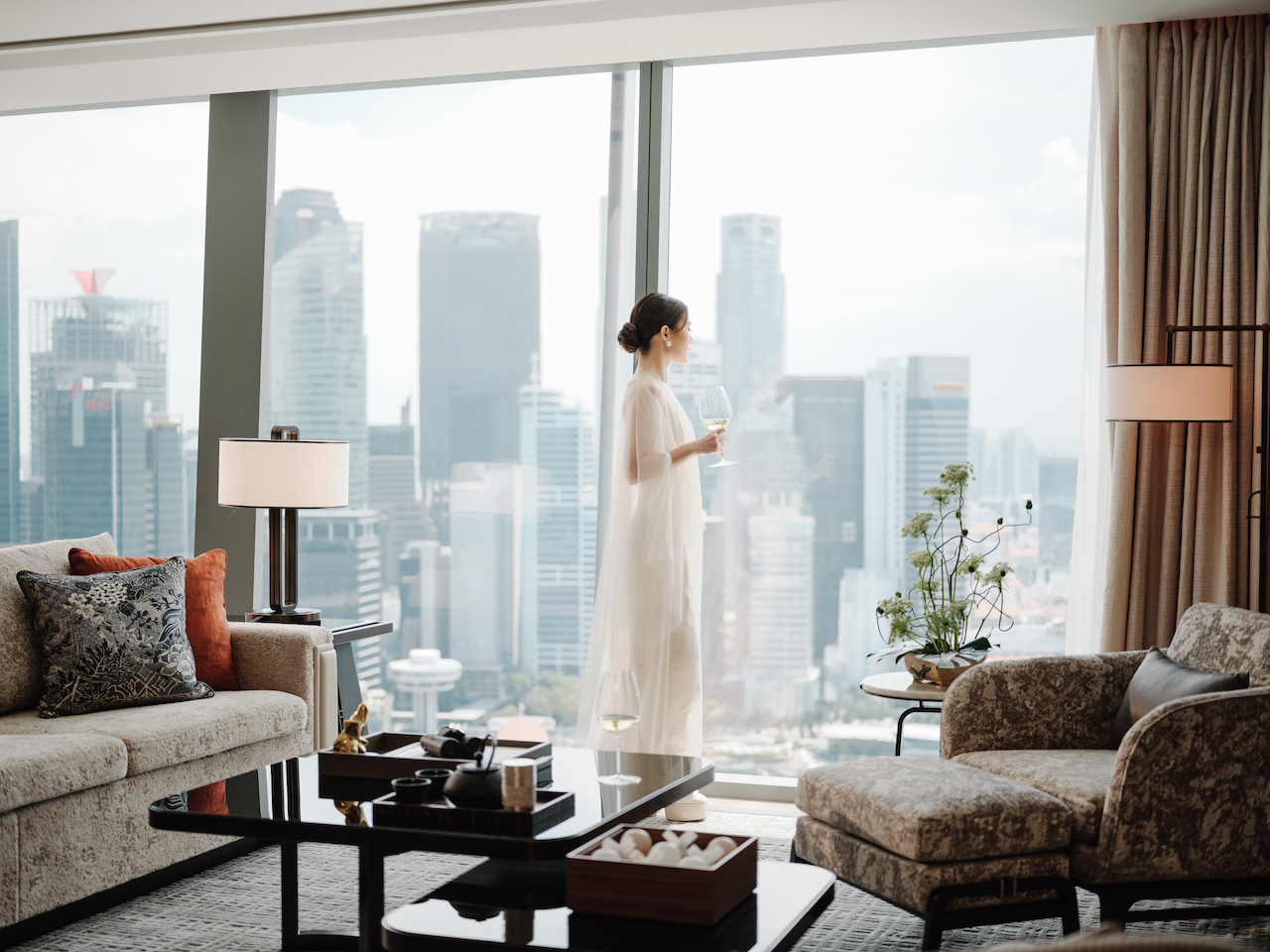
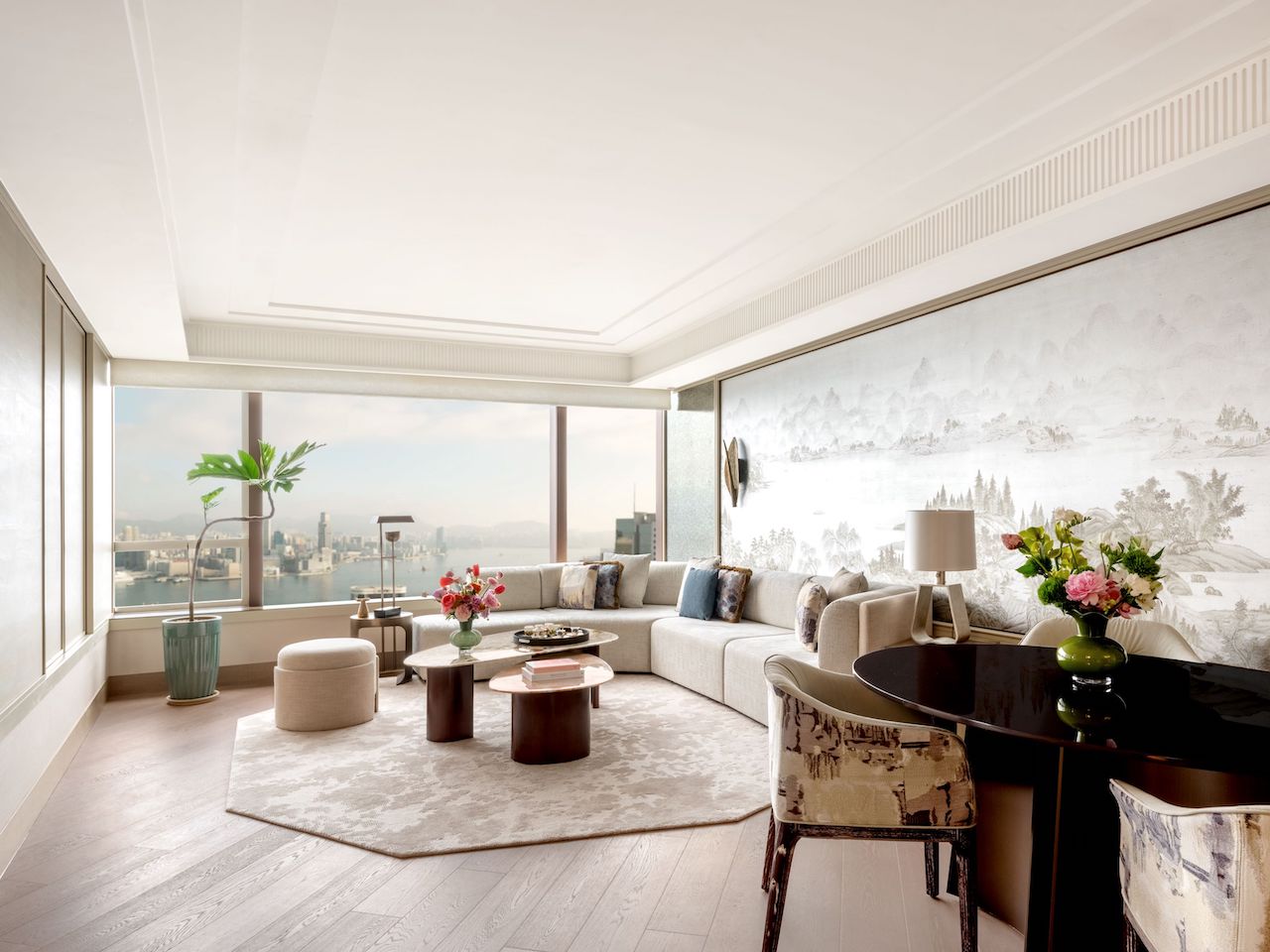
In the heart of Hong Kong’s bustling Central district, the Island Shangri-La has completed a multi-year metamorphosis of its premier suite offerings. Perched 50 stories above the city, the newly unveiled Hong Kong Suite is a masterclass in narrative-driven interior design.
A Curated Cultural Dialogue
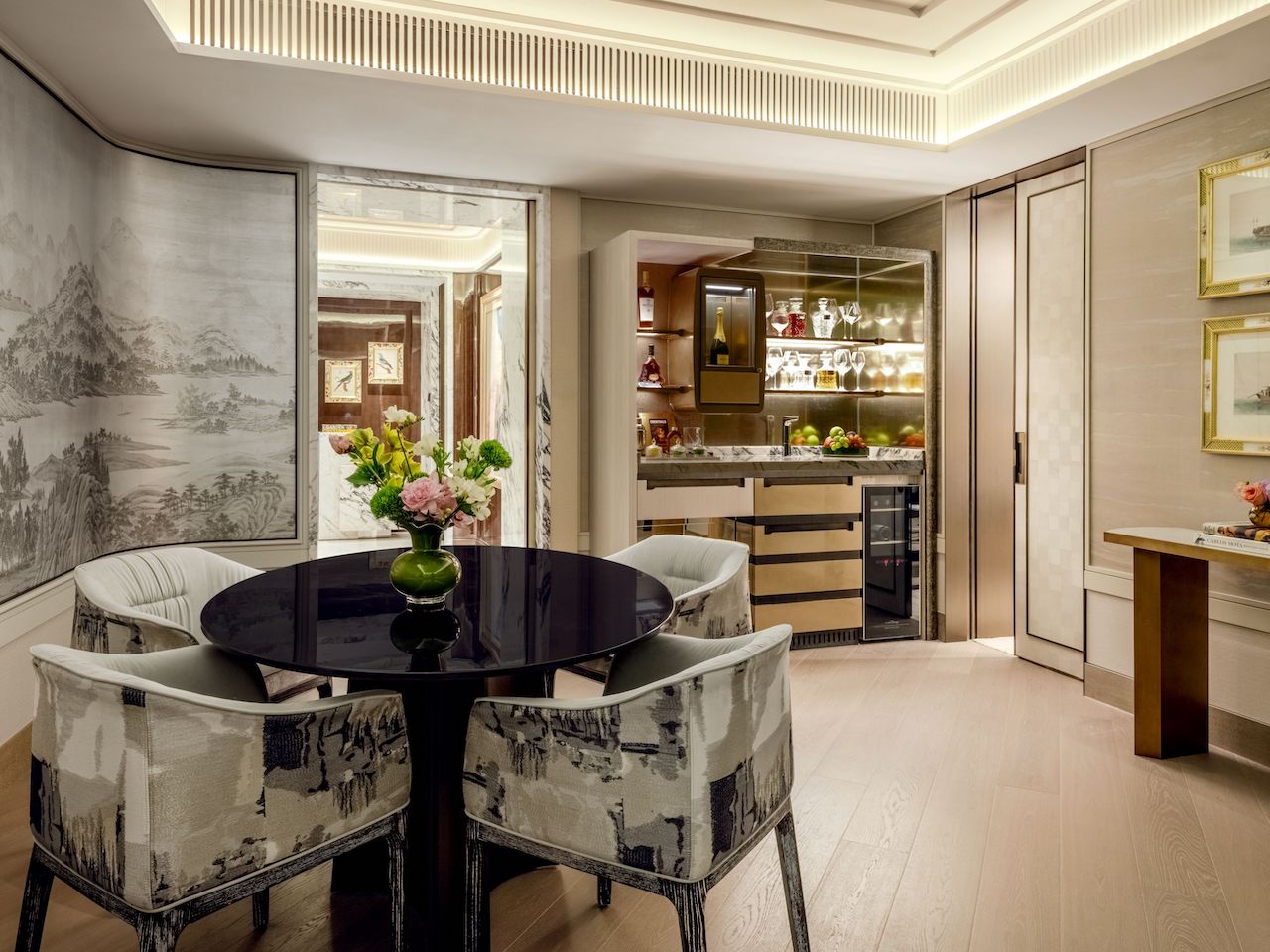
The design philosophy behind the suite is one of "contemporary Asian sophistication." The walls, adorned with intricate painted fabrics, serve as a canvas for a meticulously curated collection of art. Most notably, the inclusion of 19th-century paintings depicting traditional sampans—sourced directly from Christie’s auction house—anchors the space in the historical narrative of the Victoria Harbour.
The living and dining areas are designed for seamless transition between relaxation and high-end entertaining. Every element, from the bespoke furnishings to the dedicated pantry—equipped with a kitchenette, filtered water systems, and a dual-zone wine fridge—is engineered for discreet butler service. The in-suite tea service, which invites guests to explore a delicate selection of local leaves, serves as a poignant reminder of the hotel’s commitment to regional tradition.
The Sanctuary Within
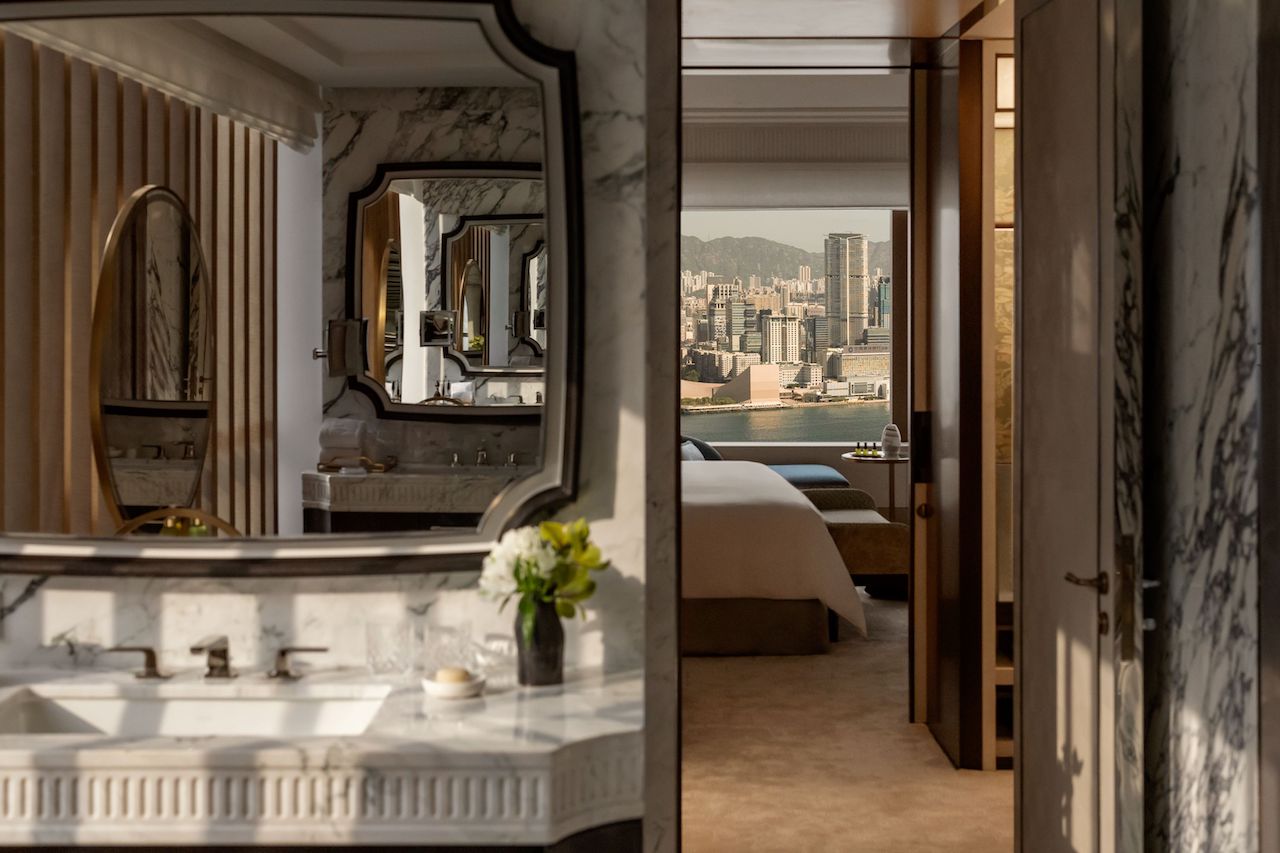
The bedroom serves as a quiet counterpoint to the city’s frenetic energy. A king-size bed sits opposite a daybed framed by floor-to-ceiling windows, offering an intimate perspective of Victoria Peak. The design team has successfully brought the outside in; a wall mural above the headboard mimics the lush canopy of the nearby botanical gardens, while the dressing room wallpaper features motifs of Chinese lucky clouds and pines, creating a space that feels both grounded and aspirational.
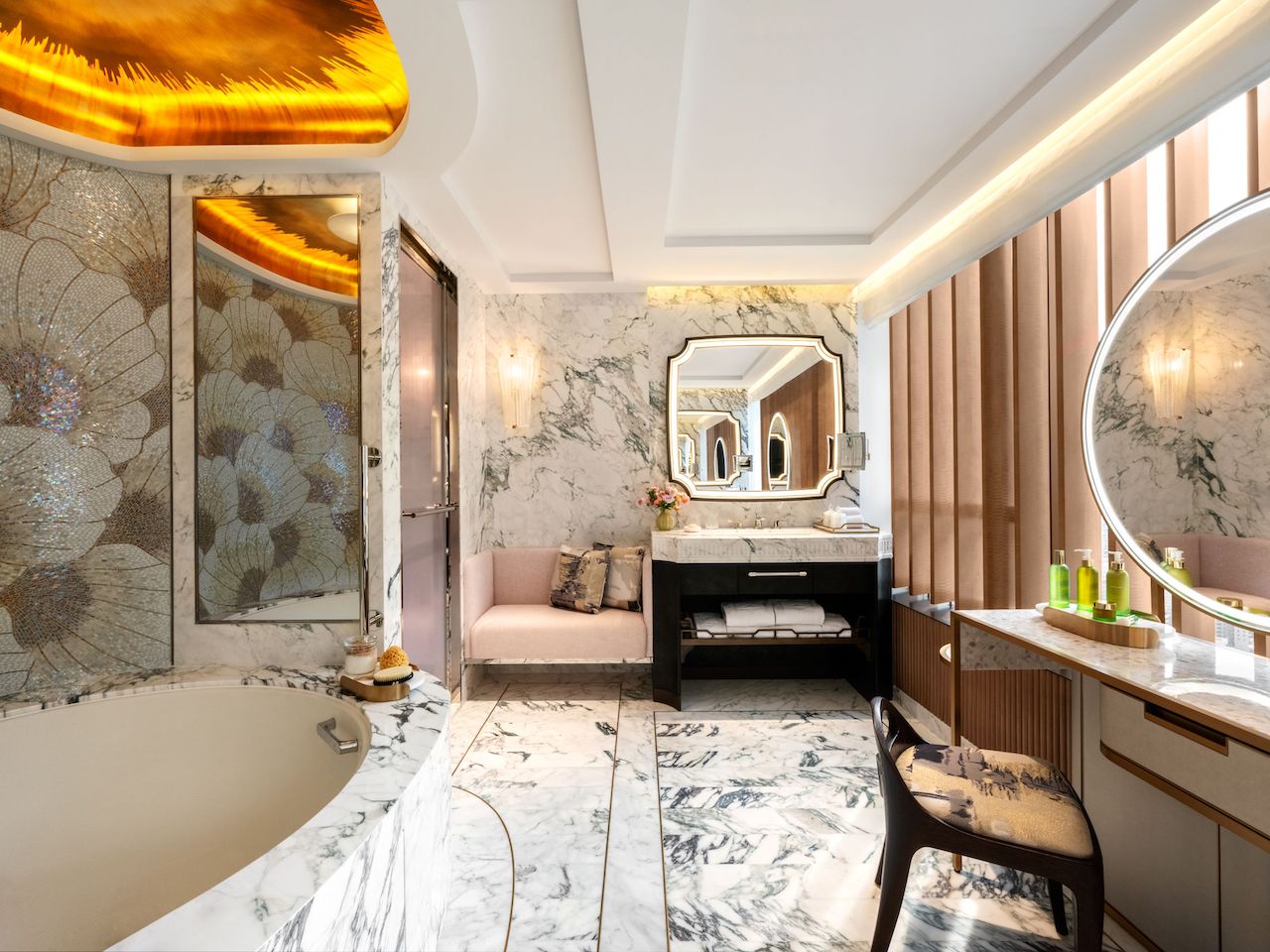
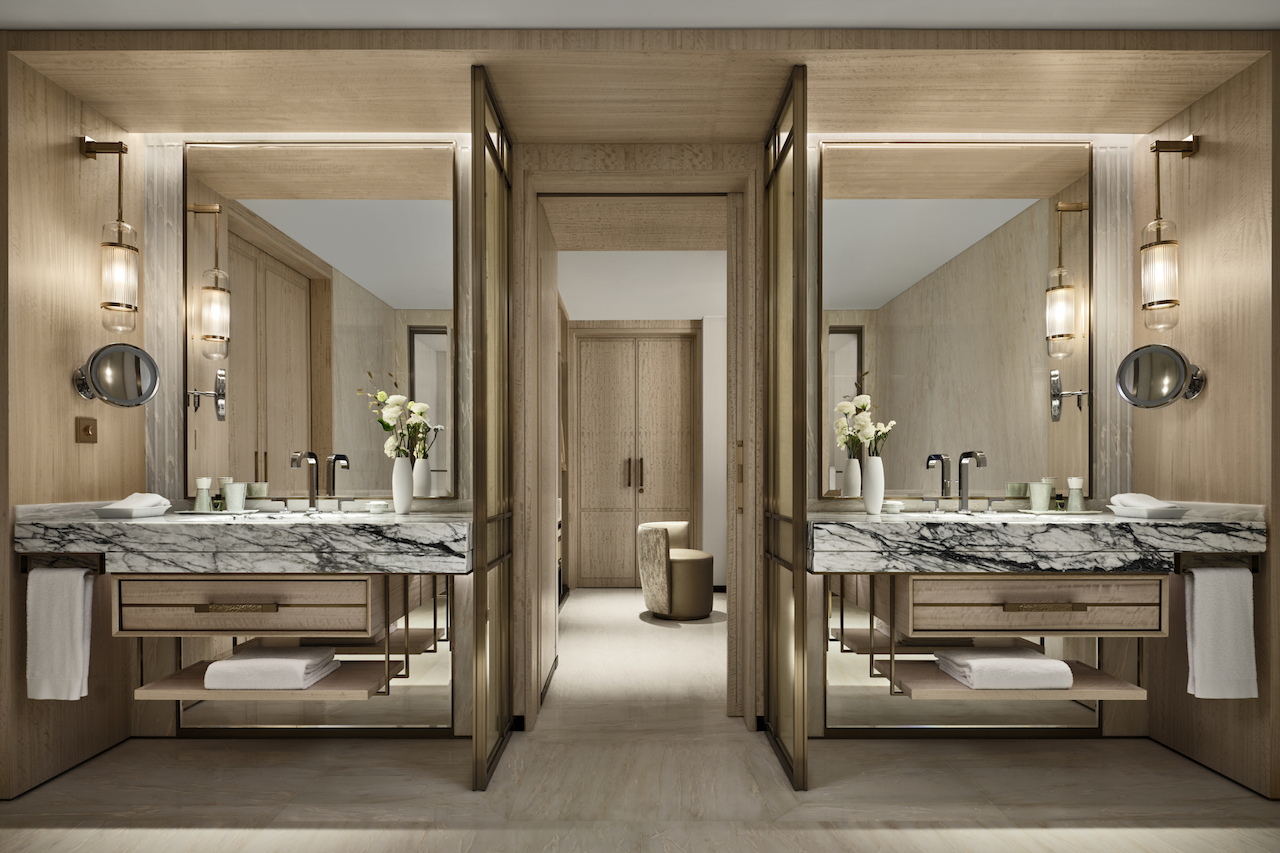
The en-suite bathroom is perhaps the most ambitious aspect of the renovation. Wrapped in pristine white marble, it functions as a private wellness retreat. The walk-in shower, featuring twin rain-shower heads and a heated bench, is complemented by a sculptural round bathtub positioned beneath a golden, magnolia-mosaic ceiling. The integration of Shangri-La’s signature bath salts, developed by Yun Wellness, elevates the space from a functional utility to a sensory ritual.
Marina Bay Sands: The Scale of Modern Opulence
While Hong Kong leans into historical elegance, Singapore’s Marina Bay Sands (MBS) has opted for a bold, architectural expansion of luxury. Having completed a massive refurbishment of 1,850 rooms, including 775 suites, the property has effectively reset the standard for the integrated resort experience.
The Paiza Collection: A Residence in the Clouds
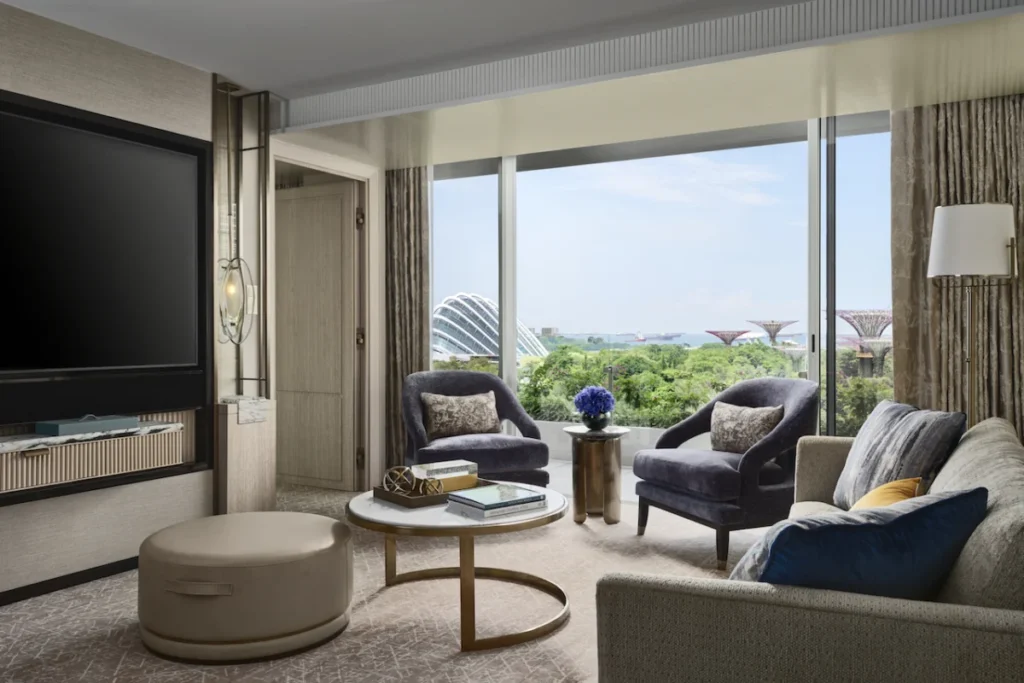
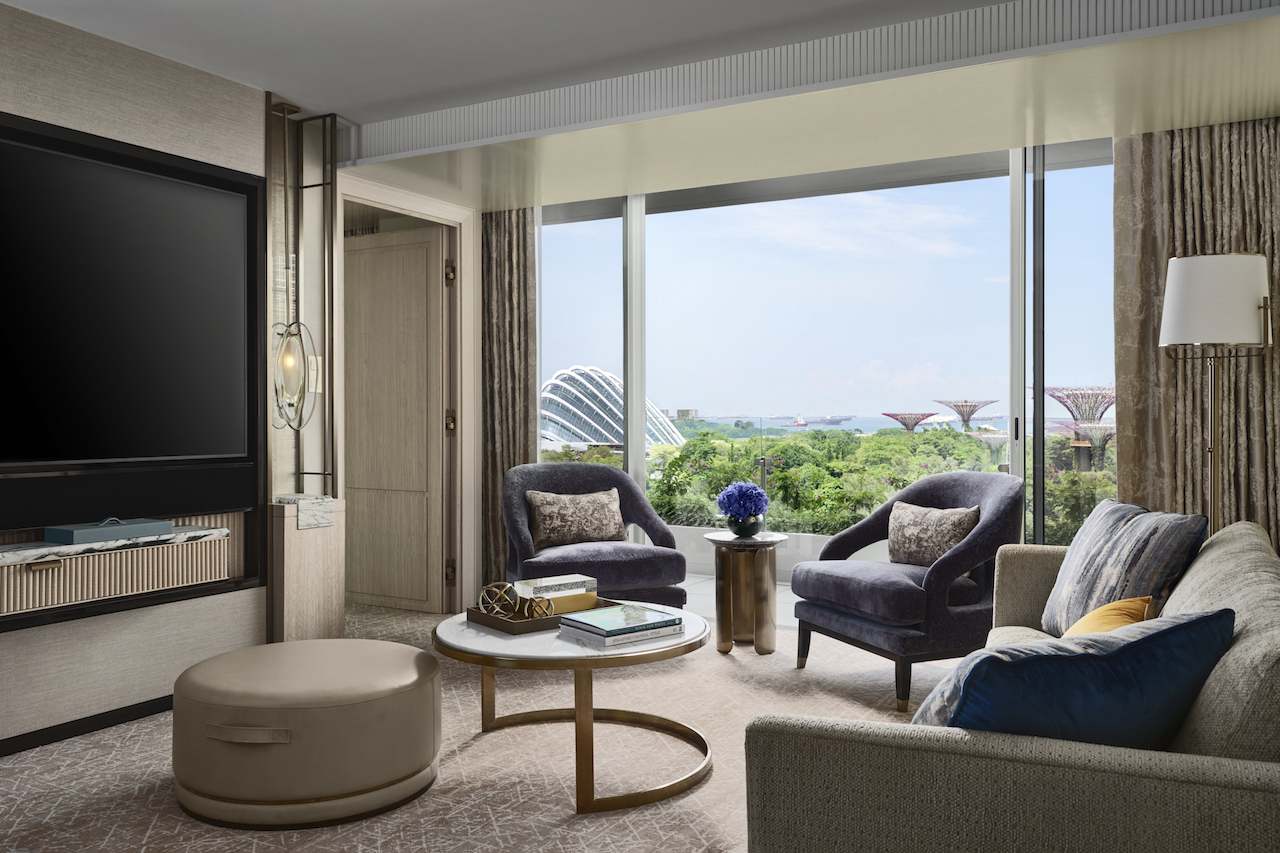
At the pinnacle of this renovation is the Paiza Collection, a series of 370 suites that function as ultra-luxurious, self-contained residences. The scale here is unparalleled. The Chairman Suite features a 146-inch screen and a private karaoke setup, while the Presidential Suite caters to the modern leisure-seeker with a high-end golf simulator.
Perhaps the most innovative offering is the Horizon Suite, which embraces a "spa-in-the-city" concept. By integrating a Himalayan salt wall, a hammam shower, a dry sauna, a private gym, and dedicated massage tables, the suite effectively removes the need for guests to leave their quarters to maintain their wellness regimen.
Chronology of the Transformation
The evolution of these spaces follows a distinct timeline of post-pandemic hospitality recalibration:
- 2023: Marina Bay Sands begins the phased rollout of its room refurbishment, signaling a pivot toward higher-yield, residential-style suite configurations.
- Early 2024: Island Shangri-La enters the final stages of its "Hong Kong Suite" transformation, focusing on bespoke craftsmanship and art-centric interior design.
- Late 2024: Marina Bay Sands unveils the full extent of the Paiza Collection, introducing the "wellness suite" concept to the mainstream luxury market.
- 2025–2026: Both properties reach full operational capacity for their new suites, solidifying their positions as the primary destinations for regional luxury tourism.
Supporting Data: The Shift in Guest Expectations
The shift toward these "sky-high sanctuaries" is supported by internal data from the hospitality sector. Modern luxury guests are increasingly prioritizing:
- In-Suite Wellness: Over 65% of suite guests now request in-room wellness amenities, such as yoga mats, meditation space, or, in the case of the Horizon Suite, full spa installations.
- Privacy as a Commodity: Both properties have invested heavily in "discreet arrival" experiences—the Paiza VIP Arrival lounge and the Island Shangri-La’s dedicated butler service emphasize that the luxury experience begins before the guest reaches their room.
- Culinary Integration: Guests are no longer satisfied with standard room service. The inclusion of full kitchenettes and curated wine fridges allows for private, chef-led experiences that rival the hotel’s flagship restaurants like Petrus or Waku Ghin.
Official Responses and Strategic Intent
Executives from both properties emphasize that this shift is a strategic response to a more discerning demographic.
"We are seeing a move away from ‘standard luxury’ toward ‘experiential residency,’" says a spokesperson for the Island Shangri-La group. "Guests want to feel that they are living in a piece of Hong Kong, not just visiting it. By integrating local art, botanical motifs, and bespoke tea services, we provide a sense of place that is irreplaceable."
At Marina Bay Sands, the focus remains on the "integrated" aspect of the resort. "Our goal with the Paiza Collection was to create a seamless flow between the excitement of the casino and the tranquility of a private home," notes a representative. "With a 160-strong butler team, we are ensuring that service is not just an amenity, but a constant, silent presence."
Implications for the Future of Luxury Travel
The trend toward these hyper-specialized suites has significant implications for the global hospitality industry:
- The Death of the Standard Suite: The success of the Paiza and Hong Kong suites suggests that "cookie-cutter" luxury is becoming obsolete. Guests are willing to pay a premium for suites that offer unique functionalities—such as golf simulators or Himalayan salt walls—that cannot be replicated at home.
- Wellness as a Pillar: Luxury hotels that fail to integrate wellness directly into the guestroom experience will find themselves at a competitive disadvantage. The "spa-in-a-room" concept is likely to become the new baseline for five-star properties worldwide.
- The "Stay-in" Economy: As these suites become more comfortable and better equipped, the traditional hotel model—where the room is merely a place to sleep—is shifting. Hotels are now competing with private residential clubs, offering social spaces, entertainment, and fine dining within the four walls of the suite.
As these two giants of Asian hospitality continue to evolve, they set a clear trajectory for the industry: the future of luxury is not just about the quality of the linens or the thread count of the towels. It is about the curation of an environment that serves as a sanctuary, a gallery, a wellness center, and a private residence—all while suspended thousands of feet above the vibrant, pulsating streets below.