In a significant blow to the integrity of municipal administration in the Netherlands, the city of Rotterdam has officially terminated the employment of two civil servants following a far-reaching investigation into systemic corruption, bribery, and the inflation of municipal construction contracts. The scandal, which has cast a shadow over one of the country’s most prestigious cultural institutions, centers on allegations of collusion between city officials and private contractors involved in major public works, most notably the complex asbestos remediation project at the Museum Boijmans Van Beuningen.
The dismissal of the two officials, whose identities have not been publicly disclosed, marks a critical turning point in a probe that began as a series of internal inquiries and has since evolved into a full-scale criminal investigation led by the Dutch public prosecutor.
The Core Allegations: A Breach of Public Trust
The scandal, which surfaced in the public consciousness following investigative reporting by NRC Handelsblad in 2023, involves three municipal officials who were initially placed under scrutiny after the city identified irregularities in the procurement process for public construction projects.
According to Rotterdam Mayor Carola Schouten, the investigation revealed a pattern of behavior that fundamentally violated the municipal code of conduct. The two dismissed employees are alleged to have accepted gifts and gratuities from private companies in exchange for preferential treatment during the tendering and execution phases of city-funded projects. Beyond the ethical breaches, the officials face serious criminal suspicions, including passive bribery and the forgery of official documents to facilitate the approval of contracts at significantly inflated prices.
The financial scope of these "inflated prices" remains a subject of intense interest for auditors. By allegedly inflating the costs of essential construction services—specifically those related to hazardous material removal—the officials are accused of siphoning taxpayer funds into the coffers of contractors who provided kickbacks in return.
Chronology of the Investigation
The unfolding of this scandal has been a protracted process, moving from internal whistleblowing to formal legal intervention.
- 2019: The Museum Boijmans Van Beuningen closes its doors to the public to initiate a massive, multi-year redevelopment project, which included critical structural repairs and extensive asbestos abatement.
- 2023: Dutch newspaper NRC Handelsblad publishes an investigative report raising concerns about the integrity of construction contracts awarded by the city, specifically naming cultural institutions as potential sites of graft.
- Late 2023/Early 2024: Following the press reports, the Rotterdam municipal government launches an internal investigation into the procurement processes and the conduct of three specific officials overseeing these projects.
- Mid-2024: As the internal investigation gains momentum, the city formally requests the assistance of the Dutch police. The scope of the inquiry shifts from internal policy violations to potential criminal offenses.
- July 2026: The public prosecutor provides the city’s executive board with updated information regarding the case. The board concludes that the conduct of two of the three subjects was "substantially worse" than initial findings suggested.
- August 2026: The two employees are officially dismissed. The third official, who had already retired, remains under the purview of the criminal investigation.
The Museum Boijmans Van Beuningen: A Cultural Anchor in Flux
The Museum Boijmans Van Beuningen is more than just a building; it is a repository of Dutch and European art history, holding a collection of approximately 154,000 works. The decision to close the museum in 2019 for a complete overhaul was driven by the necessity of modernizing the facility and removing hazardous materials, primarily asbestos, which had been identified during structural assessments.
The renovation project, designed to preserve the institution for future generations, was intended to be a beacon of municipal investment in culture. Instead, it has become the focal point of a scandal that questions the oversight mechanisms of the Rotterdam city government.
While the museum has publicly distanced itself from the scandal—stating that the responsibility for the building and the management of its construction contracts lies solely with the municipality—the optics are damaging. The museum is currently slated to reopen in 2029, a date that now faces increased public scrutiny regarding the quality and integrity of the work performed during the period of alleged corruption.
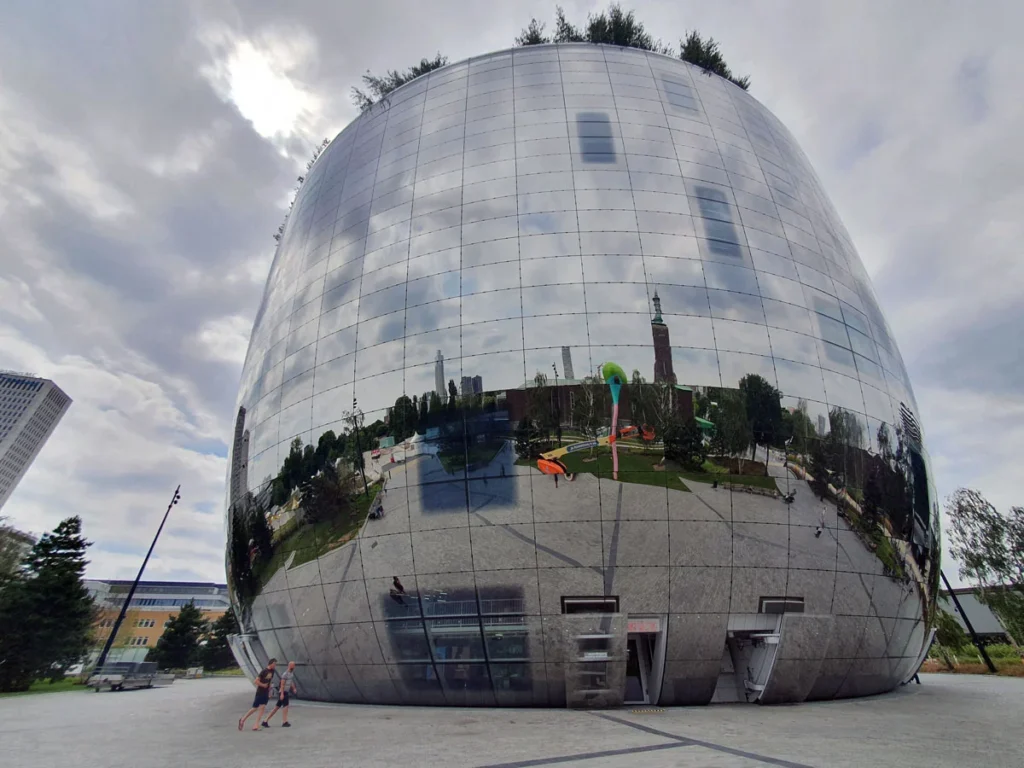
The institution has attempted to maintain public engagement through the Depot Boijmans Van Beuningen, which opened in 2021. As the world’s first publicly accessible art depot, it serves as a temporary hub for the collection, but it cannot fully replace the experience of the main museum, which remains behind construction hoardings and police-taped investigations.
Official Responses and Administrative Fallout
The municipal response has been one of damage control and institutional accountability. Mayor Carola Schouten has been vocal about the necessity of maintaining the highest standards of integrity within the city’s ranks.
"The violation of the code of conduct is not merely an internal administrative matter; it is a betrayal of the public trust," the Mayor noted in recent briefings. The city’s executive board has signaled that it is cooperating fully with the public prosecutor, though the ongoing criminal nature of the case prevents the disclosure of specific details regarding the evidence gathered against the former employees.
Diederik van Dommelen, the head of financial affairs for the city of Rotterdam, has been the primary liaison between the city and the press. Speaking to The Art Newspaper, Van Dommelen emphasized that the city is currently constrained by the legal parameters of the ongoing criminal probe. "We have taken the necessary administrative steps based on the severity of the findings, but we must respect the judicial process," he noted.
Meanwhile, the dismissed employees have the right to appeal their terminations through an employment tribunal. Legal experts suggest that such an appeal could lead to a lengthy and public airing of the evidence, potentially exposing further layers of the municipal procurement process to scrutiny.
Broader Implications: Corruption in Public Procurement
The Rotterdam case is not an isolated incident but rather a symptom of a larger challenge facing municipal governments across Europe: the vulnerability of large-scale, complex infrastructure projects to corruption. When projects involve specialized, high-cost tasks like asbestos abatement, the technical nature of the work often obscures the true costs, creating opportunities for bad actors to inflate budgets.
The Role of Transparency
The scandal has reignited debates in the Netherlands regarding the transparency of public tenders. Critics argue that when municipal departments operate with limited oversight, the potential for "capture"—where officials begin to favor the interests of the private contractors they are supposed to be regulating—increases exponentially.
The Cost to the Taxpayer
Beyond the criminal implications, the financial cost to the city is significant. Not only have public funds likely been misused, but the delays and administrative chaos caused by the investigation may lead to further cost overruns. For a project as significant as the renovation of the Boijmans Van Beuningen, every delay pushes the reopening further into the future, depriving the public of access to their heritage and increasing the maintenance costs for a building that remains in a state of suspended animation.
Conclusion: A Path Forward
As the criminal investigation continues, the city of Rotterdam faces a long road toward restoring its reputation. The dismissal of the two officials is merely the first step in addressing a systemic failure. The municipal board is expected to initiate a comprehensive review of its procurement and oversight procedures to prevent a recurrence of such events.
For the art world, the case serves as a somber reminder of the vulnerabilities inherent in the stewardship of cultural heritage. The Museum Boijmans Van Beuningen, a pillar of the Dutch cultural landscape, remains caught in the middle of a struggle between the necessity of physical preservation and the integrity of the administrative processes that oversee it.
As 2029 approaches—the promised date for the museum’s grand reopening—the city of Rotterdam will be watched closely. Whether the project can emerge from this scandal as a testament to the city’s resilience or whether it will forever be associated with the corruption that plagued its renovation remains to be seen. For now, the focus remains on the courtroom, the public prosecutor’s office, and the hope that accountability will pave the way for a more transparent future.