PARIS — The convergence of high-speed motor racing and high-street fashion has reached a new velocity. As Formula 1 prepares for its highly anticipated return to the Spanish capital, the sport has announced a strategic collaboration with Pompeii, the buzzy, Madrid-born sportswear label that has spent the last decade cultivating a loyal cult following.
This partnership, launching this Tuesday, is more than a mere retail initiative; it is a cultural bridge connecting the nostalgia of motor racing’s golden age with the refined, contemporary sensibilities of modern streetwear. By transforming the Pompeii flagship store into a hub of archival racing history and limited-edition apparel, both entities are signaling a shift in how sports properties interact with local fashion ecosystems.
The Intersection of Culture and Circuitry
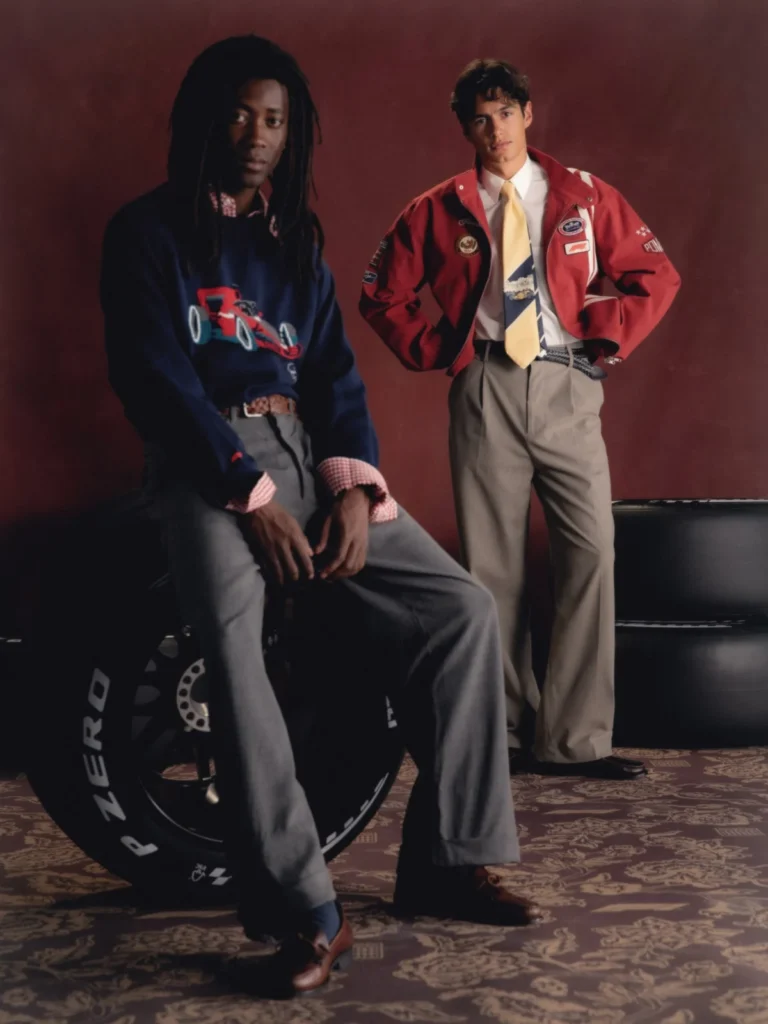
The capsule collection, a nine-piece unisex line, serves as a sartorial love letter to the history of Formula 1. Eschewing the hyper-technical, neon-drenched aesthetic often associated with modern racing gear, Pompeii has opted for a "refined streetwear" approach. The collection draws deep inspiration from the sport’s icons—specifically referencing the legendary Ayrton Senna—and the tactile, graphic-heavy nature of vintage driver uniforms, complete with sponsor-style patches and retro color blocking.
For Cosme Bergareche, co-founder and creative director of Pompeii, the collaboration represents a natural evolution for a brand that began in 2014 as a niche footwear specialist. "We like to show the world what Madrid is," Bergareche explained. "The Formula 1 Tag Heuer Gran Premio de España 2026 was the perfect excuse to tap into race driving culture. We aren’t just selling clothes; we are selling the atmosphere of the city during a race weekend."

Bergareche emphasizes that the brand’s mission is to move beyond the traditional "performance-only" focus of sportswear. "Sports and sportswear in general have been very focused on performance, and we’re trying to bring that into fashion. What we do is refined streetwear, with the focus on that ‘refined’ part. That is what differentiates our products."
Chronology of the Partnership
The trajectory toward this collaboration began with F1’s aggressive push to localize its global presence. While the sport has secured long-term, high-profile partnerships with luxury conglomerates like LVMH, the organizers have simultaneously recognized the need for grassroots engagement.
- 2014: Pompeii is founded in Madrid, gaining early traction with its signature sneakers and soccer-inspired apparel.
- 2023: Pompeii begins expanding its reach beyond European borders, testing the waters with an NFL-themed collaboration, signaling an intent to move into global sports-fashion licensing.
- Early 2025: F1 continues its record-breaking growth, with fan engagement metrics reaching an all-time high of 827 million people globally.
- Late 2025: Discussions commence between F1’s commercial team and local Spanish stakeholders to celebrate the return of the Madrid Grand Prix.
- September 2026: The formal announcement of the Pompeii x F1 capsule.
- Tuesday, Launch Week: The official debut of the collection, accompanied by a flagship takeover and an exclusive evening event at the Melia Palacio de los Duques.
A Global Phenomenon: The Data Behind the Speed
The impetus for this collaboration is rooted in an undeniable surge in popularity. According to data published by the Formula One Group, the sport’s global fan base grew to 827 million in 2025—a 12 percent year-over-year increase and a staggering 63 percent jump since 2018. This growth is attributed to a multifaceted strategy: the success of the "F1: The Movie" franchise, the diversification of host cities, and a concerted effort to weave the sport into the fabric of pop culture.
For Pompeii, this represents a significant reputational boost. While the brand is already present in a dozen countries—including the U.K., Japan, South Korea, and the U.S.—the collaboration allows it to step onto the world stage without compromising its identity. Currently, 45 percent of Pompeii’s e-commerce sales originate in Spain, but the F1 partnership is expected to drive international awareness among a demographic that values "quality over quantity."

Official Responses: Strategy and Synergy
Emily Prazer, Chief Commercial Officer at Formula 1, explains that the decision to partner with a brand like Pompeii is tactical. "Obviously, we’re a global brand, but we have 24 race weekends which all have individual and independent identities," Prazer stated. "We wanted to partner with a brand that was very much born in Madrid and understood the city style and culture. Pompeii was a brand that just really stood out to us."
Prazer acknowledges that while the LVMH partnership provides a "direct line to luxury," the local activations serve a different purpose: creating an authentic connection. "We’re not going to ever be the brand that floods the market with these types of things. It’s deliberately a limited-edition collection. We wanted people to feel very distinct when they bought it."
This sentiment is echoed by Bergareche, who insists that the goal is not to expand the number of physical storefronts, but to deepen the quality of the brand’s footprint. "We’re not looking that much to get bigger points of sale, but better," he noted. "We feel the brand is slightly niche, and we’re more thinking of quality rather than quantity. It’s about brand recognition."
Implications for the Future of F1 Merchandising
The collaboration is indicative of a broader shift in F1’s commercial strategy. Having previously worked with L.A.-based brands like Nahmias for the Miami Grand Prix and various designers for the British Grand Prix, F1 is effectively creating a "curated pipeline" of merchandise. This includes everything from the high-street accessibility of their Pull&Bear Disney collaboration to the exclusive, high-fashion aspirations of their LVMH partnership.

This "full pipeline" approach ensures that fans at every price point—and every level of fashion consciousness—can participate in the sport’s growth. Prazer admits that a direct collaboration with a house like Louis Vuitton remains "the absolute dream," but she notes that luxury houses are already providing invaluable insight into how the sport should "premiumize" its image.
As for the future of the Pompeii partnership, both parties express optimism. The current collection will be available via the Pompeii flagship, the brand’s website, the F1 store at the Madrid circuit, and the retail giant Fanatics. With the exhibition of archival photography and historic footage inside the Pompeii store, the partnership functions as a museum-grade experience rather than a standard pop-up shop.
Conclusion: A New Era of Racing Style
The return of Formula 1 to Madrid is not just a sporting event; it is a cultural milestone that the city is clearly eager to embrace. By aligning with Pompeii, Formula 1 has effectively moved the needle from "merchandising" to "curation."
Whether this trend of hyper-local, limited-edition collaborations will satisfy the ever-growing appetite of the 827-million-strong fan base remains to be seen. However, as the checkered flag prepares to drop in Madrid, one thing is certain: the aesthetic of the paddock has been permanently upgraded. The focus on "refined streetwear" suggests that the future of Formula 1 fashion will be dictated not by the speed of the car, but by the legacy and style of the culture surrounding it. For Pompeii, the road ahead looks just as fast as the circuits they are now helping to define.