In a strategic move to solidify New York City’s position as the global epicenter of commerce, innovation, and entrepreneurship, Mayor Zohran Mamdani has officially inaugurated the city’s new Business Advisory Council. The council, comprised of 15 distinguished leaders spanning industries from fashion and technology to finance and professional sports, is tasked with serving as a primary sounding board for the administration’s economic agenda. By fostering a direct line of communication between the private sector and the highest levels of municipal government, the administration aims to dismantle bureaucratic hurdles and cultivate a more dynamic, inclusive, and competitive economic landscape.
The Mandate: Shaping the Future of the Five Boroughs
The newly established council is not merely a symbolic body; it is a functional instrument designed to influence the policy-making process. Meeting quarterly with Mayor Mamdani and Deputy Mayor for Economic Justice Julie Su, the council members will provide critical intelligence on the infrastructure, talent, and regulatory frameworks necessary to accelerate growth.
The primary objective of this collaboration is to address the “next phase” of New York City’s economic development. This involves identifying specific pain points for businesses—such as housing for the workforce, streamlining permitting processes, and incentivizing R&D—and translating those needs into actionable legislative and executive strategies.
A Who’s Who of Industry Titans
The council’s composition reflects a deliberate effort by the Mamdani administration to capture a cross-section of the city’s economic engine. By assembling leaders from diverse sectors, the city ensures that its policies are informed by more than just one perspective.
The roster includes:
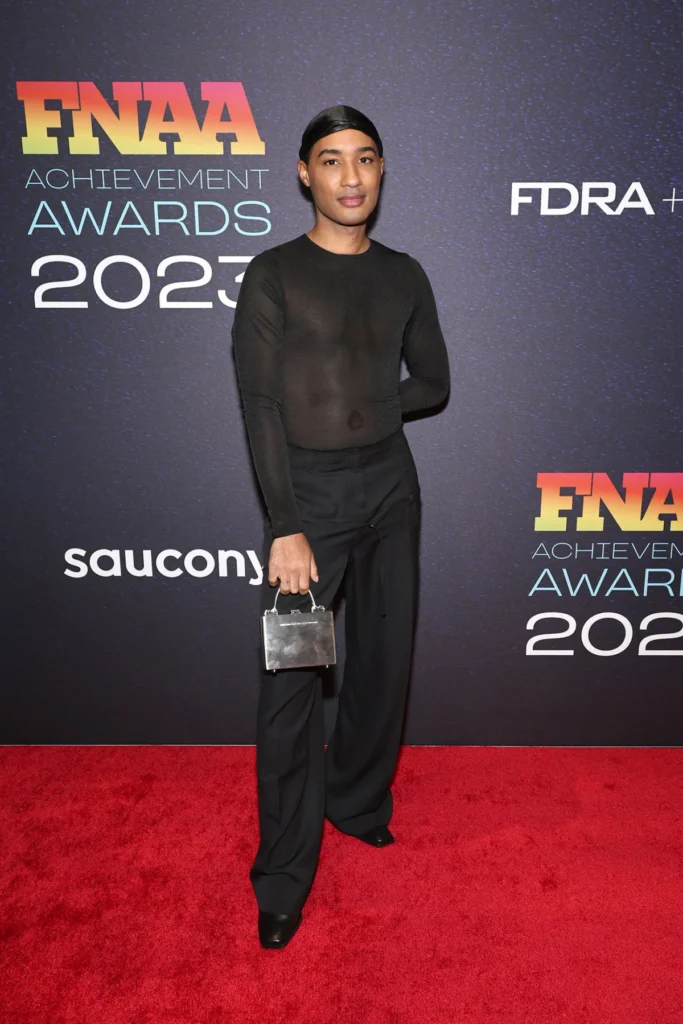
- Brandon Blackwood: The visionary designer and founder of Brandon Blackwood New York, representing the city’s vibrant fashion and retail sector.
- Kruti Patel Goyal: CEO of Etsy, providing insight into the e-commerce and creative entrepreneurship space.
- Marcus Samuelsson: The world-renowned chef and restaurateur, representing the hospitality and culinary arts industry.
- Keia Clarke: CEO of the New York Liberty, bringing expertise from the entertainment and sports management sector.
- Hamdi Ulukaya: Founder and CEO of Chobani, an advocate for corporate social responsibility and scale-up manufacturing.
The inclusion of leaders from biotech, finance, media, and healthcare further underscores the council’s breadth. This diverse assembly is intended to mirror the multifaceted nature of the New York economy, ensuring that policy initiatives—whether they target life sciences or the gig economy—are grounded in the realities of those who operate within them.
Chronology: Building a New Dialogue
The formation of this council follows a series of town halls and private consultations held by the Mamdani administration since taking office. Recognizing that the post-pandemic economic environment required a departure from traditional "top-down" governance, the Mayor’s office spent the last several months vetting potential advisors who not only possess commercial success but also a demonstrated commitment to New York’s civic health.
The formalization of the council is the culmination of these efforts, marking a shift toward a more proactive, partnership-based approach to municipal management. The first official convening of the body is scheduled for the coming quarter, where the agenda is expected to focus on long-term infrastructure investment and the retention of homegrown talent.
The Entrepreneurial Perspective: Why Brandon Blackwood Matters
For many, the appointment of Brandon Blackwood stands out as a signal that the city is looking to support the "next generation" of homegrown brands. Blackwood, who has built his fashion house from a boutique startup into a global label, embodies the grit and innovation the administration hopes to foster.
"Building a business in New York has taught me that this city’s greatest resource has always been its people," Blackwood stated upon his appointment. "Their ambition, creativity, and willingness to take a chance on an idea—that is what we need to protect. I’m honored to join the Business Advisory Council and bring the perspective of an entrepreneur who built something here from the ground up."
Blackwood’s presence is expected to be a voice for small-to-mid-sized enterprises (SMEs) that often lack the lobbying resources of the city’s largest corporations. His focus, he noted, will be on ensuring that "bold ideas can become lasting businesses" and that economic opportunity is accessible to all New Yorkers, regardless of their starting point.
Official Responses and Strategic Intent
Mayor Zohran Mamdani has positioned this council as a central pillar of his administration’s philosophy. "The doors of City Hall are always open to New York’s business leaders," Mamdani said. "We are doubling down on what makes this city the best place on Earth to start a company, grow a business, and build a career."
The Mayor emphasized that the goal is not merely to sustain the status quo but to attract the "most ambitious people in the world." By leveraging the expertise of the council, the city hopes to create a "virtuous cycle" of investment, where the government provides the necessary framework for businesses to flourish, and those businesses, in turn, provide high-quality jobs and economic stability for the city’s residents.
Deputy Mayor Julie Su echoed these sentiments, highlighting the administration’s focus on competitive edges. "We are focused on strengthening the sectors where New York has a real competitive edge," Su remarked. "Whether in life sciences or digital media, we want to make sure the talent this city produces has every reason to build their future here instead of somewhere else."
Implications for the New York Economy
The establishment of this council carries significant implications for the city’s economic future:
1. Competitive Differentiation
New York faces stiff competition from cities like Austin, Miami, and London, all of which are aggressively courting tech talent and financial headquarters. The council’s role is to ensure New York’s regulatory and tax environment remains "sticky"—meaning it provides enough value and support that companies choose to stay and expand rather than relocate.
2. Economic Justice and Inclusion
The title of Deputy Mayor for Economic Justice, held by Julie Su, suggests that this council will not prioritize profit at the expense of equity. The council is expected to explore ways to integrate underrepresented communities into the city’s growth sectors, potentially through workforce development programs and partnerships with local educational institutions.
3. Streamlining the Regulatory Maze
One of the most persistent complaints from New York business owners is the complexity of city regulations. By having 15 high-level executives meeting with the Mayor and Deputy Mayor quarterly, the city has created a high-visibility mechanism for identifying and removing "red tape" that hinders innovation.
4. Long-Term Infrastructure Planning
The council is expected to provide input on the city’s long-term infrastructure projects, including transit and digital connectivity. As businesses move toward hybrid models, the physical and digital layout of the city must adapt to remain functional for both commuters and remote-first enterprises.
Supporting Data and The Path Forward
While New York remains the world’s financial hub, the administration acknowledges that the city must evolve to maintain its lead. Current data points to a recovery that is robust but uneven across sectors. While the finance and legal sectors have shown resilience, the retail and commercial office spaces continue to struggle with the shifts brought on by remote work.
The council will likely look at historical performance data and current labor trends to advise on where the city should allocate its budget. By bringing in leaders like Kruti Patel Goyal (Etsy), the administration gains access to data-driven insights into the digital marketplace, which can inform city-wide initiatives to digitize local storefronts and broaden the tax base.
Conclusion: A Collaborative Future
The creation of the Business Advisory Council marks a critical turning point for the Mamdani administration. By bridging the gap between City Hall and the private sector, the Mayor is betting that collective intelligence and strategic partnership will solve the complex problems facing the city.
As the council begins its work, the eyes of the business community will be on the outcomes of these quarterly meetings. If successful, the initiative will not only make New York a more business-friendly environment but will also ensure that the city’s economic growth remains deeply tied to the success of its people. The message from City Hall is clear: New York is open for business, but it is also committed to building a new model of success that is sustainable, inclusive, and unmistakably New York.