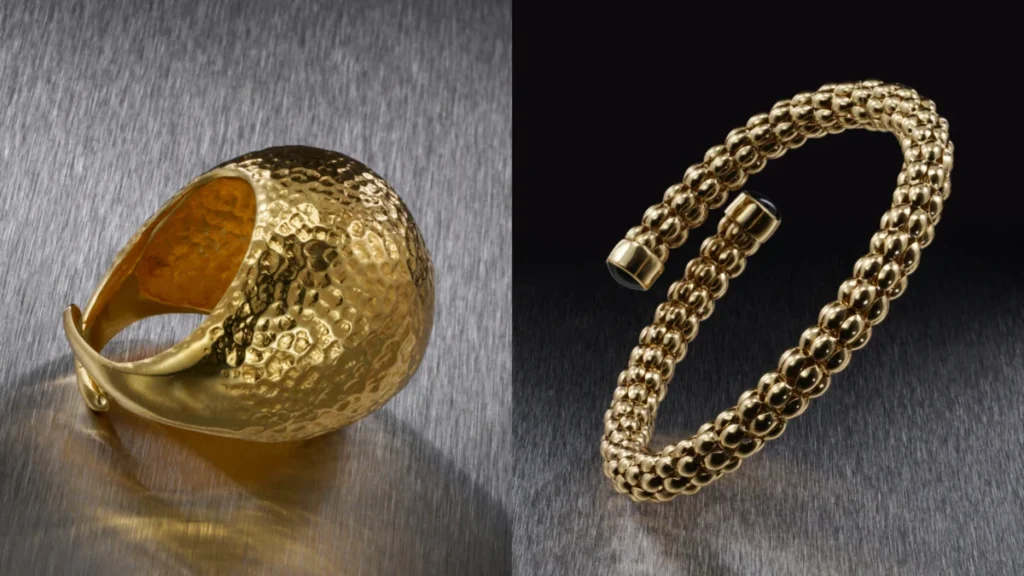
In the fast-paced world of luxury jewellery, the spotlight often falls on the finished gemstone or the masterfully cut diamond. Yet, beneath the shimmer of the final product lies a complex, invisible world of chemistry, surface engineering, and material science. As the industry looks toward 2026, a new narrative is emerging: one that champions the "facets of the future"—the passionate individuals, family legacies, and hidden innovators who are shaping the ethics and durability of the entire supply chain.
At the heart of this transformation is Pino Aliprandini SA, a Swiss-based powerhouse that has spent half a century perfecting the science behind the shine. By joining the Responsible Jewellery Council (RJC), the company is not merely seeking a certification; it is making a public commitment to prove that technological innovation and ethical responsibility are two sides of the same coin.
The Genesis of an Industry Pioneer: A Chronology of Innovation
To understand the current impact of Pino Aliprandini SA, one must look back to its inception. The company’s trajectory is a testament to the power of family-led, long-term vision.
- 1977: The company is founded in Geneva, Switzerland. In a city synonymous with precision, Pino Aliprandini establishes a laboratory dedicated to surface treatment—a field that would eventually become the backbone of modern jewellery aesthetics.
- The 1980s–1990s: Pino Aliprandini builds a reputation as an "inventor in the shadows." While his name becomes a benchmark for technical excellence among industry insiders, he prioritizes the development of proprietary methods over public acclaim.
- The 2000s: Christian Aliprandini joins the firm, embarking on a 25-year apprenticeship under his father. This period marks the transition from a first-generation startup to a multi-generational legacy.
- 2010s–Present: The company shifts its focus toward sustainable chemistry, pioneering the removal of toxic substances like cadmium and cyanide from electroplating baths.
- 2025/2026: Pino Aliprandini SA formalizes its commitment to global standards by joining the Responsible Jewellery Council, positioning itself as a beacon for SMEs in the Swiss luxury sector.
The Invisible Revolution: Why Technology Matters
While consumers demand sustainable jewellery, the "behind-the-scenes" processes—such as chemical surface treatments—have historically been overlooked in the conversation about ethical sourcing. Pino Aliprandini SA argues that these processes are, in fact, the most decisive factor in a product’s lifecycle.
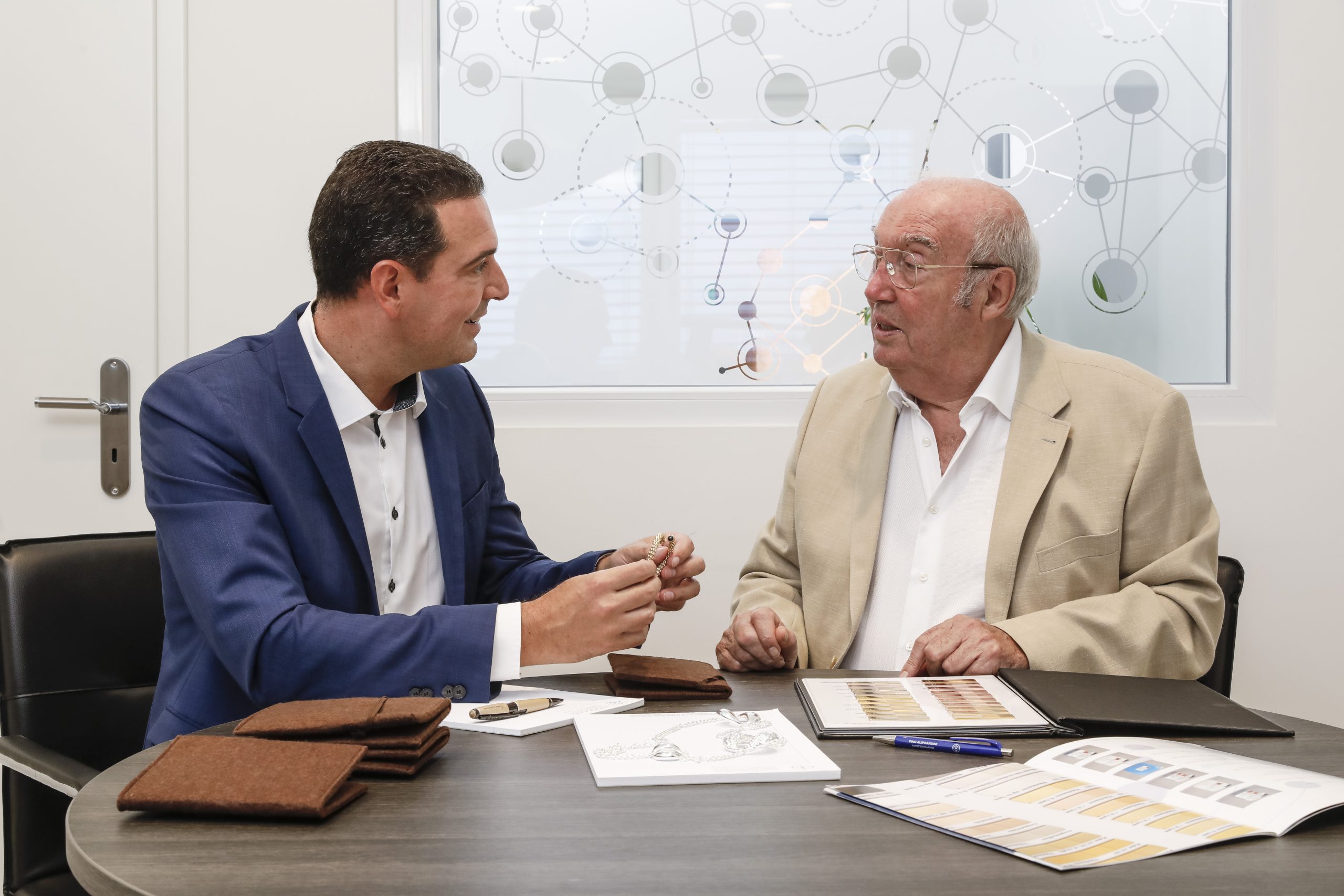
"Technological innovation is a frequently overlooked yet essential stage in the jewellery production process," the company states. By mastering stable and reproducible surface treatments, the firm ensures that precious materials are not wasted and that the longevity of the jewellery is maximized. Through its partnership with the RJC, Pino Aliprandini SA is leveraging a recognized framework to structure its improvements, ensuring that every layer applied to a piece of jewellery contributes to its sustainable value.
Data-Driven Sustainability
The company’s commitment to the environment is best exemplified by its "Acqua-Series." This proprietary range of electroplating baths allows for the deposition of 2N, 5N, and white gold without the use of cyanide. The results are significant:
- Regulatory Compliance: Full adherence to REACH and RoHS standards.
- Safety: Improved health outcomes for operators by eliminating toxic substances.
- Recognition: The facility’s methodologies have been cited as a global reference in the industry report Cyanide-free Gold Plating Solutions: Market Trends and Opportunities, 2025–2030.
Addressing Industry Volatility: The Role of Recycling
In an era of fluctuating precious metal prices and supply chain fragility, Pino Aliprandini SA has pivoted to view recycling as a core strategic asset. Rather than treating recycled metal as a secondary option, the company has integrated it into its primary supply chain through rigorous logistics and quality management.
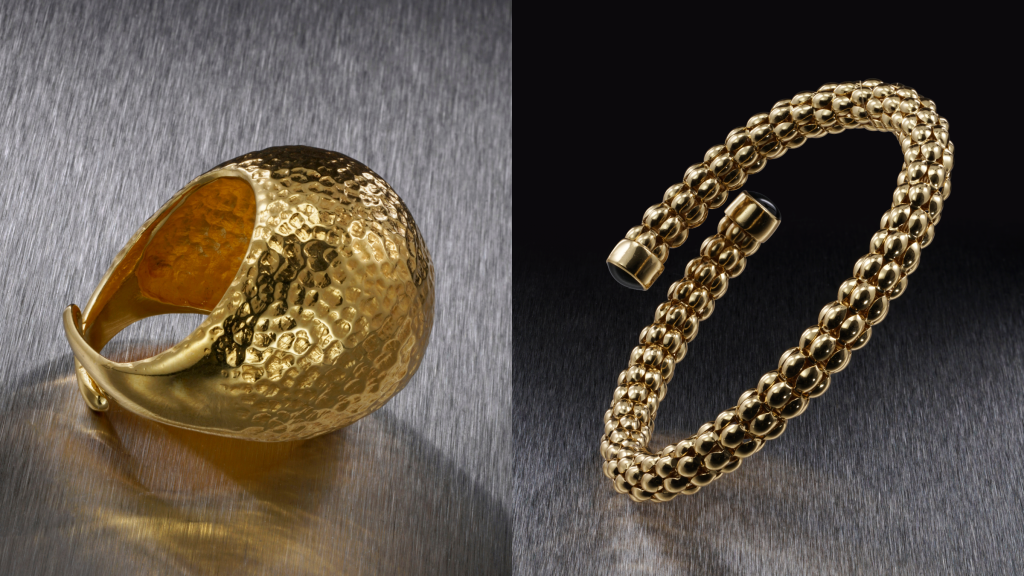
By utilizing advanced electroforming techniques, the company can create lightweight, hollow structures that retain the aesthetic weight and quality of solid gold while significantly reducing the raw material footprint. This approach addresses the dual challenge of resource scarcity and price volatility, offering a template for other SMEs to follow.
Official Perspective: The Human Element in a Scientific Field
Despite the heavy emphasis on patents and chemical processes, Christian Aliprandini emphasizes that the true strength of the company lies in its human-centric approach.
"75% of Switzerland’s economic wealth comes from SMEs like ours," says a spokesperson for the firm. "We are a family business guided by a long-term vision. There is a need to humanize an activity that may appear highly scientific. In an increasingly anxiety-inducing global context, the human element—attentive listening and personalized support—is more welcome than ever."
This philosophy extends to their recruitment and training initiatives. As the industry faces a potential skills gap, Pino Aliprandini SA is advocating for a deeper understanding of material science among the next generation of artisans. By viewing the jewellery piece as a holistic entity—from the initial alloy composition to the final micron-thin surface layer—the company is fostering a culture of curiosity and precision.
Implications for the Future: A Standard for the Industry
The engagement of Pino Aliprandini SA with the RJC serves as a blueprint for how technical experts can contribute to industry-wide transformation. The implications for the sector are three-fold:
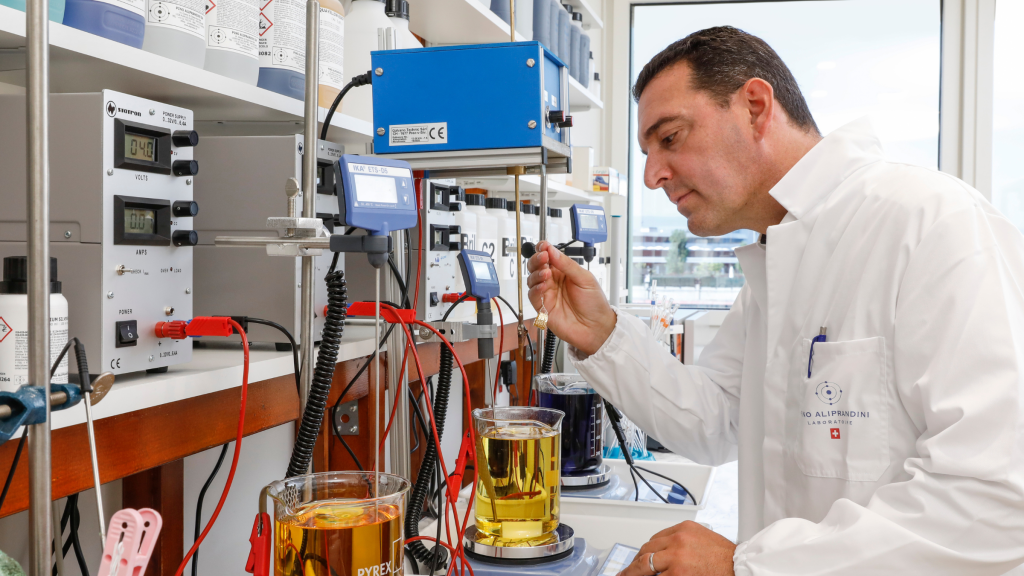
- Setting New Technical Benchmarks: By proving that thin-layer platinum electroforming can achieve both superior mechanical resistance and minimal material usage, the company is raising the bar for what is technically possible in high-end jewellery.
- Bridging the Gap Between Craft and Chemistry: The company’s work underscores the reality that 40% of jewellery-related professions are linked to the decoration and surface finishing of pieces. By elevating these roles, the industry can better attract and retain young talent who are interested in the intersection of art and science.
- Resilience Through Ethics: By aligning supply chain strategies with international ethical standards, firms like Pino Aliprandini SA are insulating themselves—and their partners—against global risks. They demonstrate that "responsible practices" are not just a regulatory burden, but a driver of competitive advantage, quality, and trust.
Conclusion: A Legacy Carried Forward
As we look toward 2026, the story of Pino Aliprandini SA stands as a compelling reminder that the future of the jewellery industry is not just written by the giants of the luxury world, but by the dedicated SMEs that provide the technical foundation for the entire sector.
By balancing the traditions of a 50-year-old family business with the cutting-edge requirements of modern sustainability, the Aliprandini family is demonstrating that innovation is best served with a human touch. They are, quite literally, coating the industry in a new layer of responsibility—one that ensures that the brilliance of today’s jewellery does not come at the cost of tomorrow’s resources.
In a world searching for transparency, Pino Aliprandini SA offers a clear reflection: that through science, tradition, and an unwavering commitment to ethical standards, the "facets of the future" are already here, and they are brighter than ever.