Executive Summary: A Turning Point in Global Nutrition
For the first time in a decade, the global fight against hunger has hit a promising, if fragile, milestone. According to the United Nations’ State of Food Security and Nutrition in the World 2026 report, the number of individuals suffering from chronic hunger fell to 645 million in 2025—a reduction of nearly 14 million people compared to the previous year. Most notably, Africa, a continent long burdened by severe food insecurity, saw a decline in its hungry population for the first time in ten years.
However, beneath these top-line figures lies a persistent, stubborn reality: the world’s most vulnerable populations remain concentrated in rural areas, with women disproportionately bearing the brunt of food scarcity. As the global population continues to climb, the challenge is shifting from mere emergency food aid to the structural transformation of rural agricultural systems. To move beyond temporary relief and toward long-term abundance, development experts, economists, and policymakers are coalescing around a four-pillar strategy: soil restoration, technological democratization, secure land rights, and infrastructure modernization.
Chronology of the Crisis and the Recent Shift
The journey to this 2026 progress report was marked by volatility. Following the disruptions of the early 2020s—characterized by supply chain collapses, the COVID-19 pandemic, and geopolitical instability—global food security metrics plummeted.
- 2020–2022: The "hunger gap" widened significantly as global inflation and conflict disrupted traditional grain markets, particularly impacting import-dependent nations in Africa and the Middle East.
- 2023: International organizations began shifting their focus from crisis response to "resilience building," emphasizing the need for climate-smart agriculture.
- 2024: A pivotal year for policy, marked by the endorsement of the ten-year African Fertilizer and Soil Health Action Plan and the Soil Initiative for Africa Framework. These agreements signaled a move away from short-term fertilizer subsidies toward long-term soil regeneration.
- 2025: The year that yielded the first measurable, statistically significant decline in global hunger in a decade.
- 2026: The release of the UN report confirming that while the trajectory is positive, the "last mile" of food security remains tethered to the rural poor.
Supporting Data: The Rural-Urban Divide
Data from the 2026 report highlights a stark regional and demographic disparity. While urban centers have benefited from technological advancements and more stable supply chains, rural communities remain "pockets of poverty."
- Gender Disparity: In many agrarian economies, women perform the majority of labor but possess the least access to land titles and credit, resulting in significantly lower yields on female-managed farms.
- Productivity Gap: Soil degradation is estimated to reduce agricultural productivity in some regions by up to 30%, a direct result of decades of intensive, unsustainable farming practices and lack of access to soil-health data.
- The Infrastructure Multiplier: Evidence indicates that rural regions with paved roads and reliable cold-chain storage see a 20–40% decrease in post-harvest losses, turning potential waste into marketable profit.
The Four Pillars of Rural Transformation
1. Restoring the Soil: The Foundation of Life
The quest for food security must start beneath the feet of the farmer. Decades of over-tilling and chemical reliance have depleted the microbial vitality of the world’s most critical farmland. To reverse this, the international community is advocating for a return to regenerative principles.
Techniques such as cover cropping, intercropping, and rotational grazing are not just "environmentally friendly"—they are economically vital. By minimizing tillage and maximizing soil cover, farmers can sequester carbon, retain water, and reduce their reliance on expensive synthetic fertilizers. Using science-based soil assessments—now becoming more accessible through mobile digital tools—farmers can diagnose nutrient deficiencies and apply targeted interventions, effectively "rebooting" the productive capacity of the land.
2. Democratizing Technology
The "Digital Green Revolution" is no longer a futuristic concept; it is a necessity. To bridge the productivity gap, smallholder farmers need access to more than just basic seeds. They require access to biofertilizers, drought-resistant crop varieties, and the transformative power of precision agriculture.
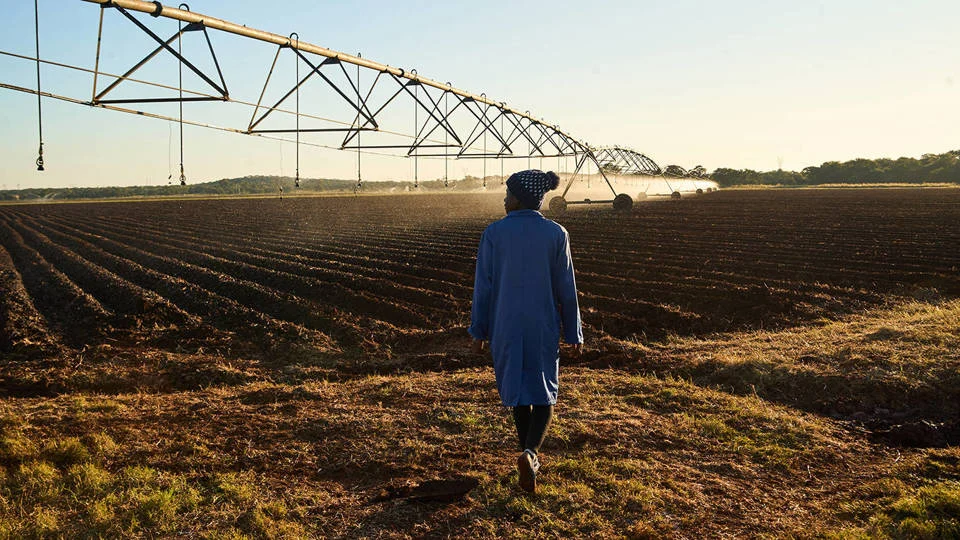
Precision agriculture—which uses satellite imagery, AI-driven weather forecasting, and automated irrigation sensors—allows even small-scale farmers to optimize their water and nutrient usage. By integrating these technologies, rural farms can achieve higher yields on existing acreage, mitigating the pressure to convert forests and wetlands into farmland, thereby protecting biodiversity while boosting caloric output.
3. Strengthening Land Tenure: A Catalyst for Investment
One of the most persistent barriers to rural development is the insecurity of land rights. When a farmer fears that their land may be reclaimed or their harvest confiscated, they have little incentive to invest in long-term soil health or permanent irrigation infrastructure.
Strengthening land tenure is perhaps the most cost-effective way to drive rural development. When farmers have legal, enforceable rights to their property, they gain access to credit markets, allowing them to reinvest in their operations. This is particularly vital for women. Empowering women with secure land ownership has been shown to result in better child nutrition, increased school attendance, and more stable household income, effectively breaking the cycle of intergenerational poverty.
4. Infrastructure: Bridging the Gap to Markets
Agricultural productivity is only half the battle; the other half is the ability to get produce to the consumer. Currently, a vast percentage of rural produce rots before it ever reaches a market due to a lack of refrigerated storage and poor road connectivity.
Governments must treat rural infrastructure as an extension of the national food security apparatus. Building all-weather roads and expanding rural electrification are not merely "public works"—they are economic engines. By lowering the cost of transport and providing the energy necessary for cold-storage, these investments allow farmers to move up the value chain, shifting from subsistence farming to high-value cash crops.
Official Responses and Future Outlook
The international development community, led by the FAO and the UN, has responded to these findings with a call for "decentralized investment." The consensus is that top-down, centralized food programs are insufficient for the nuanced challenges of rural landscapes.
"We have proven that the global hunger trend can be reversed," noted a UN spokesperson upon the release of the 2026 report. "However, the next phase of this fight will not be won in capital cities, but in the rural villages of Africa, Asia, and Latin America. We must pivot our financial mechanisms to support the individual farmer—the true guardian of global food security."
The implications are clear: the world has the technical capacity to end hunger, but the political will to modernize rural infrastructure and formalize land rights is what will determine success or failure in the coming decade.
Implications: The Urgency of Action
The 2026 decline in hunger is an invitation, not a victory lap. The climate crisis is accelerating, with shifting weather patterns increasingly threatening rural yields. If we do not act to solidify these gains through systemic reform, the progress made in the last 12 months could easily be erased by a single major drought or market shock.
Moving from "hunger to abundance" requires a fundamental shift in how we value rural labor. By investing in the soil, the farmer, the rights of the disenfranchised, and the infrastructure of the market, we can transform rural areas from the world’s most vulnerable regions into the global hubs of sustainable, high-yield food production. The technology exists. The strategies are documented. The time for implementation is now. The future of global stability depends on the health of the soil and the success of the rural family.