The London art market, long considered the undisputed capital of the European art world, is currently navigating a period of profound structural transformation and economic sobriety. In recent weeks, the announcements that two influential mid-tier fixtures—Sid Motion Gallery and Beers Gallery—will close their doors have sent ripples through the city’s creative community. These departures are not merely isolated business decisions; they serve as a barometer for the mounting pressures facing independent dealers in a post-Brexit, high-inflation environment where the "middle-market squeeze" has become a stark reality.
Main Facts: The End of an Era for Two London Fixtures
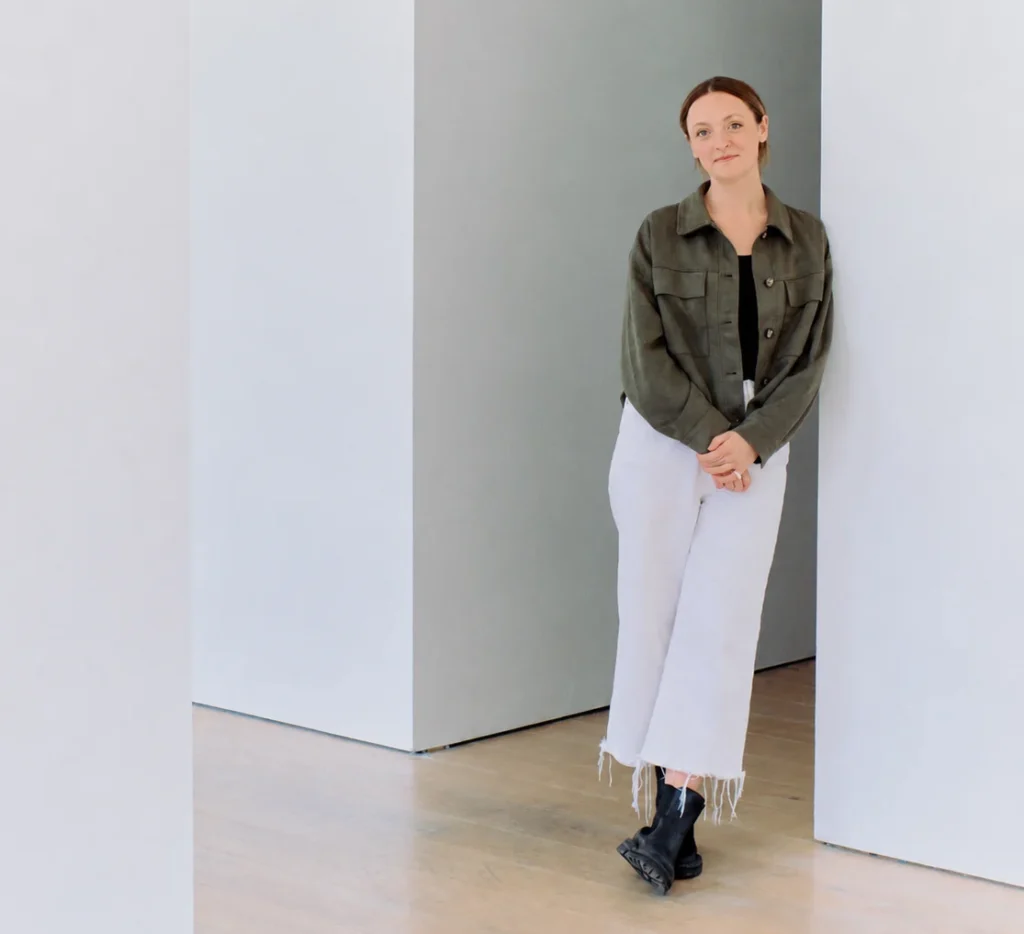
Sid Motion, the founder of her eponymous gallery in South Bermondsey, recently announced that her space would cease operations following the conclusion of its current autumn exhibition. Motion, who has spent a decade building a reputation for championing emerging and mid-career talent, framed the closure as a "positive and conscious decision." In an official statement, she noted that the gallery’s current financial position was no longer sufficient to "fully honor the extraordinary potential" of her artists. Rather than compromising on the quality of support or the caliber of her program, Motion elected to "stop while we are ahead."
Simultaneously, Beers Gallery, a mainstay of the London scene since 2012, confirmed its impending closure via social media. Founded by Kurt Beers, the gallery has been a vocal advocate for contemporary painting and has maintained a robust international presence at major art fairs. In his announcement, Beers cited a "dramatically changed art world," pointing specifically to economic pressures, market shifts, and the disruptive rise of digital platforms as the primary catalysts for the decision.
Both galleries represent a specific tier of the market: the agile, tastemaking "boutique" gallery that acts as a bridge between art school graduates and the global blue-chip institutions. Their disappearance marks a significant loss for the city’s cultural ecosystem.
Chronology: A Decade of Growth and Relocation
To understand the weight of these closures, one must look at the trajectory of these institutions over the last decade—a period that saw London fluctuate between a "boom town" and a city grappling with identity crises.
The Rise of Sid Motion (2016–2024)
Sid Motion’s journey began in 2016 in the unlikely setting of Kings Cross. Her first space was a converted betting parlor situated next to a kebab shop—a gritty, authentic start that mirrored the DIY ethos of the mid-2010s London art scene. During these early years, Motion balanced the demands of the gallery with a day job, demonstrating the grit required to sustain an independent space in one of the world’s most expensive cities.
In 2019, looking for more expansive premises and a community-focused environment, Motion moved the gallery to South Bermondsey. This move was instrumental in establishing the district as a burgeoning art hub. She was a founding force behind the South Bermondsey Art Trail, an annual event that unified open studios, exhibitions, and local events, effectively putting the industrial district on the contemporary art map. Over her decade in business, Motion curated 85 exhibitions and represented a tight-knit roster of five core artists: Vincent Hawkins, James Lomax, Dafna Talmor, Max Wade, and Morgan Wills.
The Evolution of Beers Gallery (2012–2024)
Founded in 2012, Beers Gallery initially made its mark by focusing on the "new" in contemporary painting. Under Kurt Beers’ leadership, the gallery became known for its annual "Contemporary Visions" group show, which acted as a talent scout for the next generation of painters. Over twelve years, the gallery expanded its reach far beyond London, participating in a relentless circuit of international fairs, including Future Fairs (New York), Untitled Art (Miami Beach and San Francisco), Expo Chicago, and Zona Maco in Mexico City.
Beers’ roster included diverse voices such as Sabrina Bockler, Kat Kristof, Myrna Quiñonez, and Tang Shuo. The gallery’s final months will be marked by a solo exhibition by Andrew Salgado, followed by a valedictory group exhibition titled "So This Is Goodbye," scheduled to open on August 20.
Supporting Data: The Economic Headwinds
The closure of these galleries is symptomatic of a broader economic malaise affecting the United Kingdom. Several data points and market shifts explain why the "middle" of the art market is currently under such intense strain.
The Post-Brexit Landscape
Since the 2016 referendum, the logistical reality of running a gallery in London has shifted. The end of the free movement of goods between the UK and the EU has introduced significant administrative burdens and costs. For mid-sized galleries, the VAT on imports, increased shipping fees, and complex customs declarations have made participating in European art fairs or working with European artists significantly more expensive.
The "Non-Dom" Exodus
Recent changes to the UK’s tax laws, specifically the abolition of the "non-domiciled" tax status, have led to a reported exodus of the super-wealthy. While the "mega-rich" are often associated with blue-chip auctions, they also form the bedrock of the collector base for mid-tier galleries. As high-net-worth individuals relocate to tax-friendly jurisdictions like Dubai, Switzerland, or Italy, the local pool of active collectors has thinned.
The Rise of Paris
In the art world’s geopolitical chess game, Paris has emerged as a formidable rival to London. The launch of Art Basel Paris (formerly Paris+) has redirected significant capital and attention toward the French capital. Many international collectors who previously prioritized Frieze London in October are now splitting their budgets—or choosing Paris entirely—further diluting London’s seasonal sales impact.
Official Responses and Perspectives
The responses from the gallery owners themselves reflect a mix of pragmatism and professional integrity.
Sid Motion emphasized the moral obligation of a dealer to their artists. "I will not compromise when it comes to supporting them in the way that they deserve," she stated. Her refusal to scale down or operate a "hollowed-out" version of her gallery suggests that for many independent dealers, the current financial model is simply broken. Motion has declined to comment on her future plans, leaving a void in the South Bermondsey leadership.
Kurt Beers took to Instagram to offer a more systemic critique. He noted that the "economic pressures" and "market shifts" were compounded by the rise of digital platforms. This highlights a growing trend where collectors increasingly buy directly from artists via social media or through online-only viewing rooms, bypassing the physical gallery space and its associated overhead costs.
However, not all industry leaders share this pessimistic outlook. During a recent panel discussion, veteran dealer Thaddaeus Ropac argued that reports of London’s decline are "greatly exaggerated." Ropac insisted that "London needs some lobbying" to remind the world of its institutional strength, world-class museums, and deep-rooted expertise. His perspective is bolstered by the fact that Hauser & Wirth is currently constructing a massive 15,000-square-foot flagship in the city, signaling that for the "mega-galleries," London remains an essential hub.
Implications: A Hollowed-Out Ecosystem?
The divergence between the closing of boutique spaces like Sid Motion and the expansion of giants like Hauser & Wirth suggests a "K-shaped" recovery for the art market. While the top 1% of galleries continue to thrive by catering to global ultra-high-net-worth individuals, the grassroots and mid-tier sectors are struggling to survive.
The Loss of the "Incubator"
Mid-tier galleries serve as the primary "incubators" for talent. They take the financial risk of giving an artist their first solo show, producing their first catalogue, and introducing them to curators. When these galleries close, the pipeline for new talent becomes constricted. Without spaces like Sid Motion or Beers, emerging artists have fewer avenues to reach the institutional level.
The Gentrification Paradox
The departure of Sid Motion from South Bermondsey also highlights the precarious nature of "art-led regeneration." Artists and galleries often move into industrial areas, making them "cool" and desirable, which in turn drives up rents and attracts developers. Eventually, the very galleries that created the neighborhood’s value find themselves priced out or financially unable to sustain the local ecosystem they helped build.
The Future of the "Physical" Space
Kurt Beers’ mention of digital platforms suggests a permanent shift in how art is consumed. If mid-tier galleries cannot compete with the lower overhead of digital-first models, we may see a future where the physical gallery experience is reserved only for the very high end of the market. This would democratize access in some ways but would arguably diminish the cultural "texture" of the city.
Conclusion: A Valedictory Note
As Sid Motion prepares for her final exhibition, "That Which Appears," and Beers Gallery readies "So This Is Goodbye," the London art scene faces a moment of reflection. The closing of these spaces is a reminder that the art market is not a monolith; it is a delicate web of independent actors whose survival is tied to the broader economic health of the nation.
While the "mega-galleries" will continue to dominate the headlines with record-breaking sales and expansive new flagships, the loss of the independent dealer represents a thinning of London’s cultural fabric. For now, the city’s art world must find a way to navigate the "shaky" economy and the post-Brexit reality, hoping that new models of support and commerce will emerge to fill the void left by those who have chosen to step away.
The final exhibition at Sid Motion Gallery will close on October 31, 2024, but in a testament to the quality of her program, the show is slated to appear at the Millennium Gallery, Sheffield Museums, in 2028. Even as the physical doors in London close, the artistic legacy of these tenures continues to resonate in the institutional world.