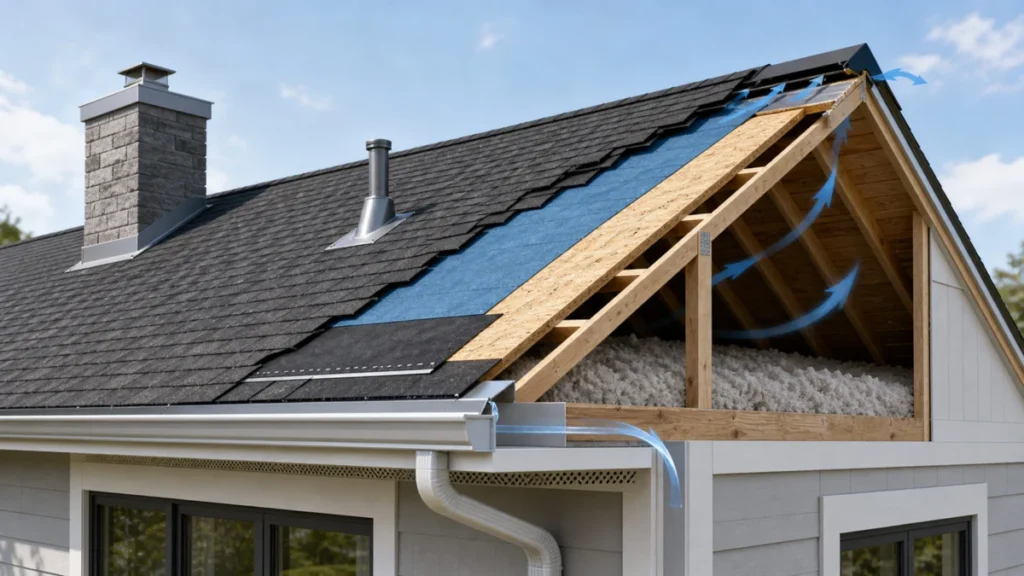
To the casual observer, a roof is little more than a shield against the elements—a surface of shingles or metal that keeps the interior of a home dry. However, for building scientists and professional contractors, the roof is recognized as a complex, multi-layered mechanical system. It is a critical component of a building’s "envelope," designed to manage thermal energy, moisture migration, and structural loads simultaneously.
When one layer of this system fails, the repercussions are rarely confined to that specific point of origin. A compromised flashing seal or a neglected ventilation vent can trigger a cascading failure, turning a minor maintenance task into a structural catastrophe. Understanding the synergy of these components is essential for any homeowner looking to protect their property investment and ensure the longevity of their dwelling.
Main Facts: The Components of a Roofing System
A residential roof is not a singular product; it is a collaborative assembly. To understand how to maintain it, one must identify the individual parts that form the whole:
- Roof Decking: The structural foundation (typically OSB or plywood) that supports the entire system.
- Underlayment: The hidden, secondary barrier that provides a critical failsafe against moisture infiltration.
- Roofing Material (Shingles/Metal/Tile): The primary, aesthetic layer that bears the brunt of UV radiation, wind, and precipitation.
- Flashing: The metal detailing at joints, chimneys, and valleys that prevents water from penetrating the most vulnerable seams of the structure.
- Ventilation (Vents and Soffits): The airflow system that regulates internal attic temperature and manages humidity.
- Water Management (Gutters/Eavestroughs): The peripheral system responsible for channeling runoff away from the home’s foundation.
Chronology of a Roof’s Lifecycle
Understanding the "life" of a roof requires looking at the timeline of its installation and eventual degradation.
Phase 1: Design and Installation
The lifecycle begins with the architectural design. Proper slope, overhangs, and material selection are decided based on the regional climate. During installation, the sequence is paramount: the deck must be installed over clean, dry rafters; the underlayment must be laid with precision overlaps to ensure a watertight seal; and the flashing must be woven into the shingle course to ensure water flows over the material, not behind it.
Phase 2: The Middle Years (Maintenance)
During the first 10 to 15 years, a roof typically requires only routine maintenance. This includes clearing debris from gutters to prevent standing water and inspecting flashing for signs of sealant degradation.
Phase 3: The Degradation Phase
As materials reach the end of their design life—usually between 20 and 30 years for standard asphalt shingles—the components begin to fail in concert. The granules on shingles erode, leaving the asphalt core vulnerable to UV light. Simultaneously, the underlayment may become brittle, and the flashing sealant may crack. This is the period when homeowners must shift from "maintenance" to "assessment for replacement."
Supporting Data: Why Ventilation is the Unsung Hero
According to technical guidance provided by Natural Resources Canada, the relationship between attic ventilation and roof longevity is statistically significant. Many homeowners incorrectly assume that "insulation" is the only variable in energy efficiency. However, without a consistent flow of air—facilitated by the intake of soffit vents and the exhaust of ridge or box vents—the attic space becomes a "thermal trap."
In the summer, stagnant air can cause temperatures in the attic to reach upwards of 60°C (140°F). This intense heat "cooks" the shingles from the underside, causing them to curl, crack, and lose their flexibility. Conversely, in the winter, the lack of ventilation allows warm, moist household air to condense on the underside of the cold roof deck. This moisture creates the perfect breeding ground for mould and rot, eventually compromising the structural decking and leading to premature system failure.
Official Industry Perspectives
Professional organizations, such as the Canadian Roofing Contractors Association (CRCA), emphasize that "system-based" installation is the industry standard. They argue against the practice of "overlaying"—installing new shingles directly over old ones—which is often cited as a leading cause of premature roof failure.
When a roof is replaced, the CRCA advocates for a "tear-off" approach. This allows the contractor to inspect the decking for rot or structural fatigue. If the foundation (the deck) is compromised, no amount of high-quality shingling will save the system. Furthermore, experts at firms like JN Roofing note that accurate material takeoffs based on architectural drawings are the first step in ensuring that the weight, wind-resistance rating, and thermal performance of the materials match the home’s specific engineering requirements.
Implications: Repair vs. Replacement
The decision to repair or replace is often the most stressful aspect of homeownership. The following framework can help clarify the decision-making process:
When to Opt for Repair
- Localized Damage: If a tree branch punctured a specific area or a windstorm lifted a single section of shingles.
- Isolated Flashing Failure: If the flashing around a chimney is the only point of entry, and the surrounding decking remains dry and structurally sound.
- Newer Roofs: If the roof is less than 10 years old and the underlying system is in good condition, targeted repairs are both cost-effective and logical.
When to Opt for Replacement
- Systemic Failure: If shingles are curling across multiple slopes, or if there is visible granular loss throughout the entire roof.
- Compromised Decking: If a contractor finds "spongy" or soft spots in the plywood, it indicates that water has been penetrating the underlayment for a significant period.
- Age and Obsolescence: If the roof has surpassed its expected manufacturer lifespan, modern materials (such as high-performance synthetic underlayments) will offer significantly better protection and energy efficiency than the products used decades ago.
The Financial and Structural Impact of Neglect
Neglecting the "system" approach to roofing has dire financial implications. A small, undetected leak in the flashing does not just require a roof patch; it often leads to ruined drywall, damaged insulation, and mold remediation costs inside the home. By the time a ceiling stain appears, the water has already traveled a long path, often rotting rafters and damaging electrical systems along the way.
Homeowners who view their roof as a system are more proactive. They engage in annual inspections, prioritize the cleaning of gutters to protect the foundation, and ensure that their attic ventilation is adequate.
Conclusion: A Proactive Approach to Roofing
A roof is a significant capital investment. When homeowners treat it with the same level of care as a vehicle or a HVAC system, they extend its lifespan by years, if not decades. By understanding that the shingles are merely the "skin" and that the true strength lies in the hidden layers—the decking, underlayment, and ventilation—homeowners can make informed decisions.
Whether you are planning a new build or maintaining an aging structure, the key is to look beyond the surface. Consult with reputable professionals, prioritize quality installation techniques, and never ignore the early warning signs of a failing system. A well-maintained roof is more than just a cover; it is the primary guardian of your family’s comfort, safety, and most valuable financial asset.
Frequently Asked Questions (FAQ)
1. Does the colour of my shingles affect my roof’s lifespan?
While colour is often a matter of aesthetic preference, darker shingles can absorb more heat, which may slightly increase cooling loads in hot climates. However, the quality of the shingle’s manufacturing and proper attic ventilation have a far greater impact on longevity than the pigment.
2. How often should a roof be inspected?
It is recommended that homeowners have their roof inspected by a professional at least once a year, and ideally after any significant weather event, such as a heavy windstorm or an unusually severe winter.
3. What is an "ice dam," and can it be prevented?
An ice dam occurs when heat escapes from the house into the attic, melting snow on the roof. The water then flows down to the cold eaves and refreezes, creating a "dam" that forces water back under the shingles. It is prevented through a combination of proper attic insulation and, crucially, effective ventilation to keep the roof surface temperature consistent.
4. Why is synthetic underlayment better than traditional felt?
Synthetic underlayment is generally stronger, lighter, and more resistant to tearing. It also does not absorb moisture, meaning it is less likely to wrinkle or degrade over time, providing a more reliable secondary water barrier.
5. Can I install new gutters myself?
While gutter installation is possible for a DIY enthusiast, the precise slope required to ensure water flows toward the downspouts is critical. Improperly installed gutters can cause water to pool, defeating the purpose of the water management system. Professional installation is highly recommended to ensure the system integrates correctly with the roof’s drip edge.