By Erik Berglof
August 20, 2026
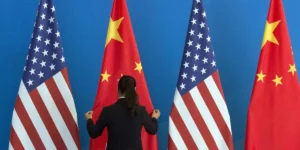
In an era defined by geopolitical fragmentation and the erosion of post-war institutional norms, the global order appears increasingly precarious. From the resurgence of protectionist trade policies to the paralysis of traditional diplomatic channels, multilateralism faces what many observers have termed an "existential threat." Yet, beneath the headlines of political discord, a quiet but profound transformation is occurring within the architecture of global finance. Multilateral development banks (MDBs)—institutions often criticized for bureaucratic inertia—are not merely surviving; they are thriving as cornerstones of stability in a volatile world.
The Main Facts: An Unlikely Financial Anchor
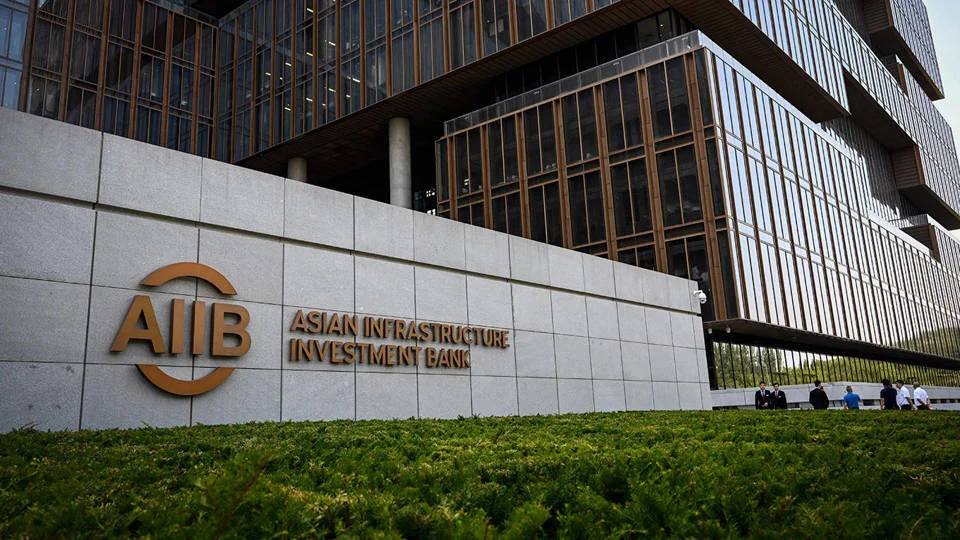
The central paradox of the current economic landscape is that while nations are retreating into insular blocs, the appetite for multilateral financial instruments is surging. MDBs, including the World Bank, the Asian Development Bank, and the European Investment Bank, have successfully positioned themselves as the ultimate "safe haven" for global investors.
The core of this success lies in their unique capital structure. By leveraging the collective backing of their sovereign member states, MDBs have achieved a creditworthiness that mirrors—and in some instances, rivals—the most stable developed economies. They possess the rare ability to borrow in international capital markets at rates remarkably close to those of the United States Treasury. This market trust has allowed MDBs to create a new class of "de facto risk-free assets," providing a bedrock of liquidity that is helping to sustain the global financial system during a period of unprecedented turbulence.
Chronology: From Crisis Management to Market Dominance
To understand how MDBs have achieved this stature, one must look at the evolution of their role over the last decade.
- 2018–2020: The Pivot to Resilience. As global trade tensions began to mount, MDBs pivoted from purely project-based financing to systemic risk management. They began issuing larger volumes of sustainable development bonds, signaling to the market that they were the primary vehicles for channeling private capital into emerging markets.
- 2021–2023: The Pandemic Catalyst. The COVID-19 pandemic acted as an accelerant. The massive liquidity needs of developing nations forced MDBs to expand their balance sheets. Their ability to mobilize capital quickly, while maintaining high credit ratings, proved that they were more agile than skeptics had predicted.
- 2024–2025: The Geopolitical Hedge. As the divide between the Global North and South sharpened, investors grew wary of bilateral lending and private equity in volatile regions. MDBs became the "neutral ground" where capital could be deployed with a higher degree of security.
- 2026: The New Status Quo. Today, MDB debt is increasingly viewed not as a development aid instrument, but as a core component of diversified, institutional investment portfolios.
Supporting Data: The Mechanics of the MDB "Premium"
The financial strength of MDBs is not merely theoretical; it is reflected in the rigorous data of the capital markets.
The Cost of Borrowing
The yield spreads between MDB bonds and US Treasuries have narrowed significantly over the past 24 months. In early 2024, the average spread was roughly 45 basis points. By August 2026, that figure has compressed to approximately 28 basis points. This narrowing suggests that the market is increasingly indifferent to the distinction between the sovereign debt of a major power and the debt issued by a well-capitalized multilateral institution.
Private Capital Mobilization
The "multiplier effect" remains the most vital metric of MDB health. For every dollar of equity provided by member states, MDBs have demonstrated the ability to mobilize upwards of four dollars in private sector co-financing. In 2025 alone, the combined lending capacity of the major MDBs exceeded $350 billion, a record high that underscores their role as the primary engine of global infrastructure and climate financing.
Liquidity Ratios
Despite the risks inherent in lending to developing economies, the non-performing loan (NPL) ratios of major MDBs remain remarkably low, hovering between 0.5% and 1.2%. This is largely due to the "preferred creditor status" these institutions enjoy, which ensures that they are prioritized for repayment even during sovereign debt restructuring processes.
Official Responses: Navigating the Political Tightrope
The rise of MDBs has not gone unnoticed by the architects of global policy. Responses have been mixed, reflecting the complex political landscape of the mid-2020s.
The View from Washington and Brussels:
Financial authorities in the G7 have publicly championed the "MDB Reform Agenda." In a joint statement issued earlier this summer, Treasury officials emphasized that MDBs are "indispensable partners in the transition to a net-zero global economy." The focus has been on "capital adequacy," with a push to encourage MDBs to sweat their balance sheets harder, allowing them to lend more without necessitating immediate capital injections from member states.
The View from the Global South:
Conversely, emerging economies have expressed frustration. While they acknowledge the stability provided by MDBs, there is a persistent demand for more equitable governance. Many leaders in the BRICS+ framework have argued that while MDBs provide the capital, the decision-making processes remain skewed toward the interests of the Global North. They have called for a "democratization of the boardroom," suggesting that the current success of MDBs is built on the backs of nations that have little say in the institutions’ strategic priorities.
Implications: A New Financial Order?
The implications of MDBs becoming the bedrock of the global financial system are profound and multifaceted.
1. The De-Risking of Emerging Markets
By acting as a "guarantor of last resort," MDBs are effectively de-risking investments in the Global South. This is critical for the global energy transition. Without the presence of MDBs to provide first-loss guarantees or blended finance structures, private capital would likely shun the renewable energy projects required in high-risk jurisdictions.
2. A Buffer Against Monetary Divergence
As central banks in developed nations grapple with varying inflation cycles, the global financial system has become prone to "sudden stops" in capital flows. MDBs provide a counter-cyclical buffer. Because their lending is not tied to short-term interest rate fluctuations in the same way commercial bank lending is, they provide a consistent, predictable stream of capital that prevents systemic collapse during periods of monetary divergence.
3. The Future of Multilateralism
Ironically, the success of MDBs might be the very thing that preserves the idea of multilateralism. When diplomatic forums fail, financial cooperation remains. The fact that nations across the geopolitical spectrum continue to participate in, fund, and utilize MDBs suggests that there is a shared recognition of the necessity of these institutions. They are, quite literally, the last remaining threads holding the tapestry of global integration together.
4. Risks and Vulnerabilities
Despite their current success, the MDB model is not immune to risk. The primary threat is "institutional overreach." If MDBs are forced to take on too much risk in the name of political expediency—such as funding projects that are not economically viable or failing to maintain their high-quality credit standards—their "risk-free" status could be compromised. Furthermore, if the political divide between major shareholders continues to widen, the governance of these banks could become paralyzed, preventing them from responding to the next global crisis with the necessary speed.
Conclusion: The Quiet Revolution
As we look toward the remainder of the decade, the narrative of a crumbling multilateral order requires nuance. While the political structures of the 20th century may be in decline, the financial infrastructure built alongside them has shown a surprising capacity for adaptation.
Multilateral development banks have evolved from passive lenders into proactive managers of global systemic stability. By creating a new class of risk-free assets and bridging the gap between public policy and private capital, they have become the quiet architects of a more resilient, if fragmented, global economy. Whether this financial strength will eventually be enough to heal the political fissures of our time remains an open question, but for now, it remains the most reliable anchor in a world adrift.