The allure of gemstones has captivated humanity for millennia, their beauty and rarity igniting fascination and imbuing them with profound symbolic meaning. Among the vast spectrum of precious stones, a select few have historically held a special place, recognized not just for their aesthetic appeal but for their perceived power, significance, and value across ancient civilizations. These are the "cardinal gems," a term that, while perhaps less commonly used today, echoes a rich historical narrative and continues to resonate within the world of jewelry and gemology.
Gem-A Gemmology Tutor Pat Daly, an expert in the field, sheds light on this intriguing concept, explaining how these five esteemed stones – diamond, ruby, sapphire, emerald, and amethyst – earned their distinguished title and how their legacy has endured through the ages. This article delves into the historical context, cultural significance, and enduring appeal of the cardinal gems, exploring their journey from ancient artifacts to modern-day treasures.
The Quintessence of Value: Defining the ‘Cardinal Gems’
The term "cardinal gems" historically refers to a specific group of five stones: diamond, ruby, sapphire, emerald, and amethyst. Their selection was not arbitrary; it was rooted in their exceptional preciousness, rarity, and profound significance within the classical cultures of the Roman, Greek, Egyptian, and Mesopotamian worlds. These civilizations, the cradles of early advancements in art, science, and spirituality, recognized these stones as possessing an intrinsic value and mystique that set them apart from all others.
While the term itself is not as prevalent in contemporary discourse, it has seen a resurgence, particularly in promotional contexts within the jewelry industry. This revival underscores the enduring power of these stones and their historical weight. Their inclusion in jewelry designs today often carries an implicit nod to their storied past and the reverence they have commanded for centuries.
A Journey Through Time: The Historical Ascent of Precious Stones
The exceptional rarity of fine quality gemstones is a fundamental reason for their esteemed status. This scarcity was even more pronounced in antiquity, with sophisticated mining and cutting techniques yet to be developed. This historical context is crucial for understanding the inclusion of stones like amethyst within the cardinal gems. While amethyst, with its captivating purple hue, might not always rank among the most financially valuable gemstones today, its historical significance and widespread use in ancient times cemented its place among the elite.
The Enduring Allure of Amethyst
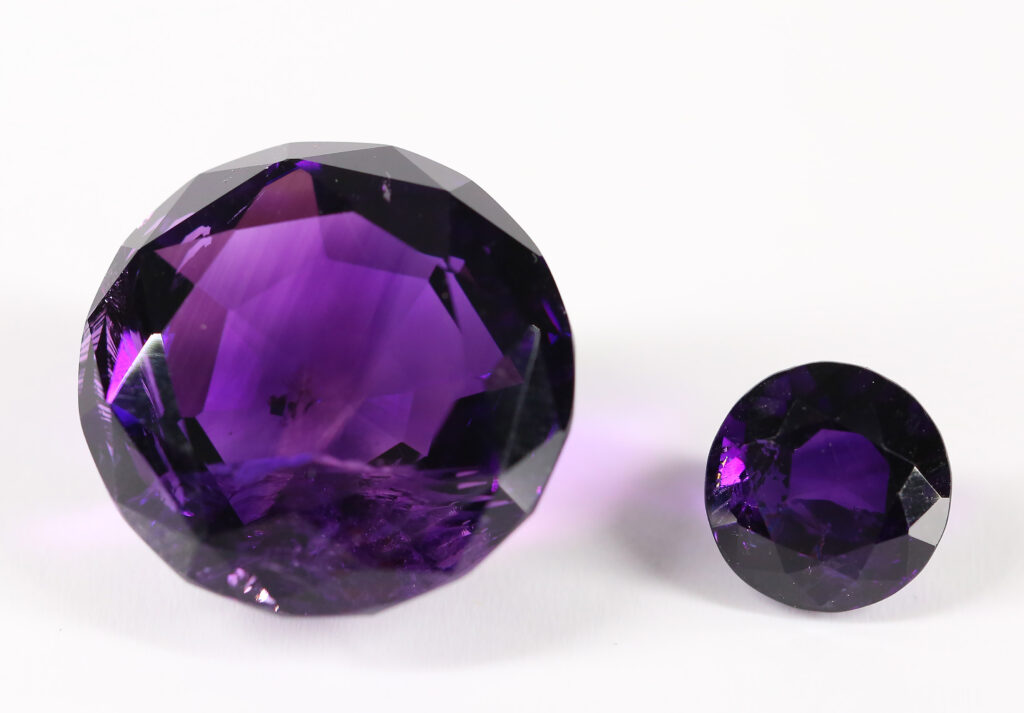
Amethyst, a variety of quartz, boasts an almost unparalleled spectrum of purple, a color that has historically been associated with royalty, divinity, and high status across numerous cultures. In the Roman Republic and Empire, purple was a color of power and prestige, worn by emperors and senators. The Christian church also embraced amethyst, particularly during the Middle Ages. It was frequently set in the rings of Catholic bishops, symbolizing fidelity, celibacy, and spiritual authority.
Beyond its regal and religious connotations, amethyst was also steeped in mythology. Ancient beliefs often attributed protective properties to gemstones, and amethyst was no exception. It was mythologized as a potent safeguard against drunkenness and addiction, believed to keep the mind clear and sharp – qualities highly valued for astute business dealings. This belief in its ability to foster sobriety and mental clarity contributed significantly to its desirability.
The Mystical and Protective Qualities of Other Cardinal Gems
The belief in the magical and protective properties of gemstones was a pervasive aspect of ancient cultures, extending to nearly all gem varieties. These stones were believed to variously attract good fortune, avert accidents, and ward off evil. Furthermore, some were even integrated into medicinal practices.
Diamond: Renowned for its unparalleled hardness and exceptional clarity, the diamond was believed to offer potent protection to soldiers on the battlefield. Its inherent durability was seen as a metaphor for strength and resilience, while its purity was associated with incorruptibility and virtue.
Ruby: While not explicitly detailed in the provided text, rubies, with their fiery red hue, were historically associated with passion, vitality, and protection. Their deep red color often evoked blood and life force, leading to beliefs about their ability to enhance courage and well-being.
Sapphire: Blue sapphire, in particular, held strong connections to royalty and the ecclesiastical sphere. Its serene blue color was seen as reflecting the heavens and divine wisdom. It was believed to bring wisdom, truth, and good fortune to its wearer.
Emerald: The vibrant green of the emerald has long been associated with nature, fertility, and renewal. Along with sapphire, emerald was thought to offer protection for the home, safeguarding it against negative influences and, notably, guarding against poison. This belief in its detoxifying properties highlights the practical and protective aspects ancient cultures sought in their precious stones.
These perceived virtues, whether rooted in symbolism, color association, or inherent physical properties, contributed to the elevated status of these stones. They were not merely decorative objects; they were imbued with the power to influence health, fortune, and spiritual well-being.
The Evolving Landscape of Gem Identification and Value
It is crucial to acknowledge that the ancient beliefs surrounding the virtues of gemstones, while fascinating, are not scientifically proven. Modern gemology relies on empirical evidence, rigorous testing, and scientific analysis to understand the properties and origins of gemstones. We are advised, with good reason, not to rely on ancient lore for practical applications.

Furthermore, the identification of gemstones in historical contexts presents its own set of challenges. Ancient texts and descriptions can be ambiguous. A particular turn of phrase or a gem variety name used centuries ago might not correspond directly to the gemstone we recognize today. The materials used in antiquity could have been different, or the understanding of mineralogy was less precise. This is why gemologists are often hesitant to definitively identify a historical stone without the ability to conduct thorough testing and analysis. The nuances of nomenclature and the potential for misidentification underscore the importance of scientific expertise in the field of gemology.
The Modern Echo: Cardinal Gems in Contemporary Culture
Despite the evolution of our understanding of gemstones, the historical significance of the cardinal gems continues to resonate. Their inclusion in modern jewelry designs often serves as a deliberate homage to their storied past. When a piece of jewelry features a diamond, ruby, sapphire, emerald, or amethyst, it carries with it an echo of ancient civilizations, of royal courts, and of mystical beliefs.
The resurgence of the "cardinal gems" in jewelry promotions is a testament to their enduring appeal. Consumers are drawn to the narrative and heritage these stones represent. Owning a piece of jewelry adorned with one of these stones is not just about possessing a beautiful object; it’s about connecting with a legacy that spans millennia.
A Gateway to Gemmological Knowledge
For those intrigued by the world of gemstones and their rich history, the journey of discovery is readily accessible. Gem-A, a leading institution in gemological education, offers a range of courses designed to illuminate the fascinating world of precious stones.
The "GemIntro" course, which can be studied online at one’s own pace, provides a comprehensive introduction to gemology. It delves into the properties, history, and identification of various gemstones, including the historically significant "Cardinal Gems." This accessible entry point allows individuals to explore the captivating world of gemmology from the comfort of their own homes, fostering a deeper appreciation for the science and art behind these precious treasures.
Further accredited programs offered by Gem-A provide more in-depth learning opportunities for aspiring gemologists and enthusiasts alike. These courses equip individuals with the knowledge and practical skills necessary to understand, identify, and appreciate gemstones, building upon the foundational understanding gained from introductory courses.
The legacy of the cardinal gems is more than just a historical footnote; it is a vibrant thread woven into the fabric of human culture. Their enduring appeal lies in their inherent beauty, their perceived power, and the rich tapestry of stories and beliefs they have inspired throughout history. As we continue to admire and collect these precious stones, we are, in essence, participating in a timeless tradition, connecting with the past and appreciating the enduring allure of the world’s most cherished gems.