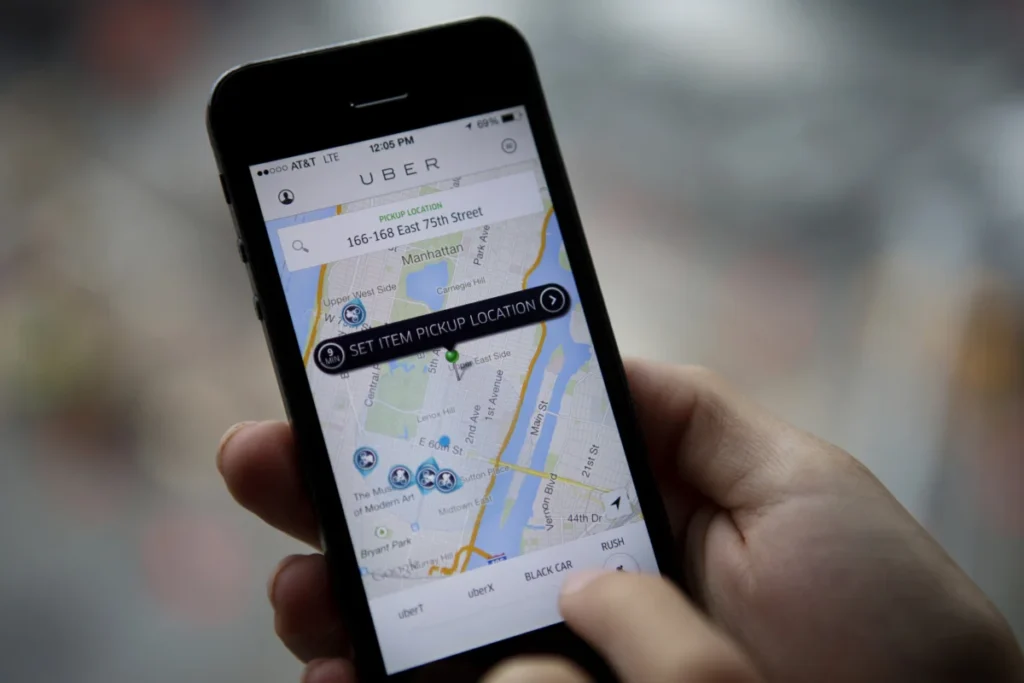
In a landmark decision that underscores the escalating tension between the gig economy and European data privacy protections, the Dutch Data Protection Authority (Autoriteit Persoonsgegevens, or AP) has slapped Uber with a staggering €825 million ($966 million) fine. This penalty, the second-largest ever issued under the European Union’s General Data Protection Regulation (GDPR), marks a pivotal moment in the ongoing debate over the role of automation in workforce management.
The regulator’s investigation centered on allegations that Uber utilized opaque, automated systems to deactivate driver accounts across Europe, effectively depriving individuals of their livelihoods without sufficient warning, human oversight, or transparency. The ruling serves as a stern warning to tech giants: algorithmic management cannot replace human accountability when it comes to life-altering employment decisions.
The Chronology: From Grassroots Complaint to Regulatory Hammer
The origins of this multi-million-euro penalty can be traced back to 2019, when Brahim Ben Ali, a ride-share driver based in France, found his Uber account abruptly deactivated. Rather than accepting the decision as a technical finality, Ben Ali began an arduous process of advocacy. He sought out other drivers who had experienced similar automated deactivations, eventually gathering testimonials from 170 individuals who claimed they had been unfairly cut off from the platform.
A Transnational Pursuit
Recognizing that Uber’s European headquarters are located in the Netherlands, the group took their case to the Dutch authorities. They were bolstered by the intervention of PersonalData.io, a Swiss nonprofit focused on digital rights, founded by Paul-Olivier Dehaye.
Dehaye’s organization provided the technical expertise needed to map out the "black box" of Uber’s deactivation protocols. By helping drivers request their personal data from Uber under GDPR "Right of Access" provisions, the nonprofit helped expose how these automated decisions were reached. This effort laid the groundwork for the AP’s investigation, which spanned several years and resulted in today’s record-breaking sanction.
Supporting Data: A History of Regulatory Friction
This is not the first time the Dutch regulator has taken aim at the ride-hailing giant. The €825 million fine is, in fact, the third major penalty levied against the company by the AP, suggesting a pattern of non-compliance that has prompted increasingly severe enforcement.
- The 2024 Precedent: Earlier this year, Uber was hit with a €290 million fine related to the transfer of sensitive driver data from Europe to the United States without adequate safeguards.
- The Privacy Infringement: Prior to that, a €10 million penalty was issued concerning the company’s lack of transparency regarding how long it retained driver data and how it handled access requests.
According to digital rights advocates, these fines are not isolated incidents but symptoms of a systemic disregard for the transparency requirements inherent in the GDPR. The persistent nature of these violations has prompted Paul-Olivier Dehaye to announce the formation of a new entity, "StartClaims," which aims to facilitate class-action lawsuits. This venture will seek direct financial compensation for affected drivers, moving beyond regulatory fines and into the realm of civil liability for gig-economy platforms.
Official Responses: A Clash of Philosophies
The response to the ruling has been predictably polarized, highlighting the fundamental divide between Uber’s business model and European regulatory philosophy.
The Regulator’s Stance
Monique Verdier, deputy chair of the Dutch Data Protection Authority, was unequivocal in her condemnation of Uber’s practices. "A computer should not make decisions on its own that have such major consequences," she stated. The AP’s investigation concluded that Uber had committed "serious infringements" by failing to provide adequate human oversight in the suspension process, essentially leaving drivers at the mercy of algorithms they could neither contest nor understand.
Uber’s Defense
Uber has reacted with indignation, promising to challenge the decision in court. An official company spokesperson labeled the fine "disproportionate" and "flawed."
Uber’s legal team argues that the majority of driver suspensions are short-term, automated "pauses" intended to verify credentials or resolve minor issues. The company maintains that no permanent deactivation occurs without a human reviewing the case, and that drivers have a robust appeals process. By characterizing the AP’s ruling as a misunderstanding of how their platform operates, Uber is attempting to frame the regulator as being out of touch with the realities of digital marketplace management.
Implications: The Future of Algorithmic Management
The fallout from this ruling extends far beyond Uber’s balance sheet. It forces a critical confrontation between the efficiency of AI-driven management and the legal rights of human workers.
The "Employer vs. Marketplace" Dilemma
The debate has drawn in prominent tech observers, including John Gruber of Daring Fireball. Gruber has voiced concerns that the ruling could effectively prevent platforms from monitoring for fraud or safety violations. He argues that comparing an algorithm to a human manager is a false equivalency, noting that "managers at the company set the policies, and the devices measure employee compliance." In his view, the algorithm is merely an extension of human policy, not a rogue actor.
However, advocates like Dehaye argue that this perspective ignores the fundamental power imbalance. "Uber is free to use humans to punish drivers who scam," Dehaye says, "but then it has to take responsibility for this decision-making—like being an employer, not being a marketplace."
The core of the issue is that Uber wants the autonomy of a platform (which is largely exempt from traditional labor laws) while exercising the control of an employer. If the EU insists that algorithmic management must involve human accountability, the "gig" model may become significantly more expensive and operationally complex.
Impact on the Gig Economy and AdTech
The implications of this case are likely to ripple into other sectors. As companies in the gig economy and the adtech industry increasingly rely on automated systems to determine everything from hiring and firing to advertising delivery and user access, the "Right to Explanation" under GDPR will likely become a primary battleground.
If the Dutch ruling is upheld on appeal, it sets a high bar for transparency. Companies will be required to:
- Document Algorithmic Logic: Clearly explain the factors that lead to automated decisions.
- Ensure Human-in-the-Loop: Provide evidence that a human has the capacity to override automated systems in cases of dispute.
- Establish Clear Appeals: Provide an accessible path for individuals to challenge automated outcomes without undue friction.
Conclusion: A Turning Point for Digital Rights
The €825 million fine is more than just a fiscal penalty; it is a signal that the "move fast and break things" era of the gig economy is colliding with a mature, rights-focused regulatory environment in Europe. By empowering individuals like Brahim Ben Ali to challenge the black-box algorithms that govern their lives, the Dutch Data Protection Authority has shifted the burden of proof back onto the platforms.
As Uber prepares for what will undoubtedly be a protracted legal battle, the rest of the tech industry is watching closely. The outcome of this case will define the limits of automation in the workplace and determine whether the convenience of the app-based economy can coexist with the fundamental rights of those who power it. Whether this leads to a more transparent model of platform management or a restructuring of the gig economy itself remains to be seen, but one thing is certain: the era of unchecked algorithmic authority is facing its most significant challenge to date.