As the northern hemisphere sheds the stark, monochrome grip of winter, the world of high watchmaking is undergoing a parallel transformation. This season, the industry’s most prestigious Maisons are looking to the ephemeral beauty of the natural world—blooming cherry blossoms, dew-drenched mountain foliage, and the soft, diffused light of spring—to inform their latest collections. From the intricate, automata-driven wonders of Louis Vuitton to the understated, technical mastery of Parmigiani Fleurier, the current landscape of horology is defined by a vivid, spring-ready palette of pinks and greens.
The Vanguard of Wanderlust: Louis Vuitton’s Escale au Mont Fuji
Few Maisons have managed to marry the spirit of luxury travel with the precision of haute horlogerie as effectively as Louis Vuitton. While their Escale Spin Time and World Time collections have long served as pillars of colorful, globetrotting escapism, the Escales Autour du Monde series of bespoke, one-off pocket watches represents the brand’s most ambitious foray into narrative storytelling.
The Mechanics of a Sunrise
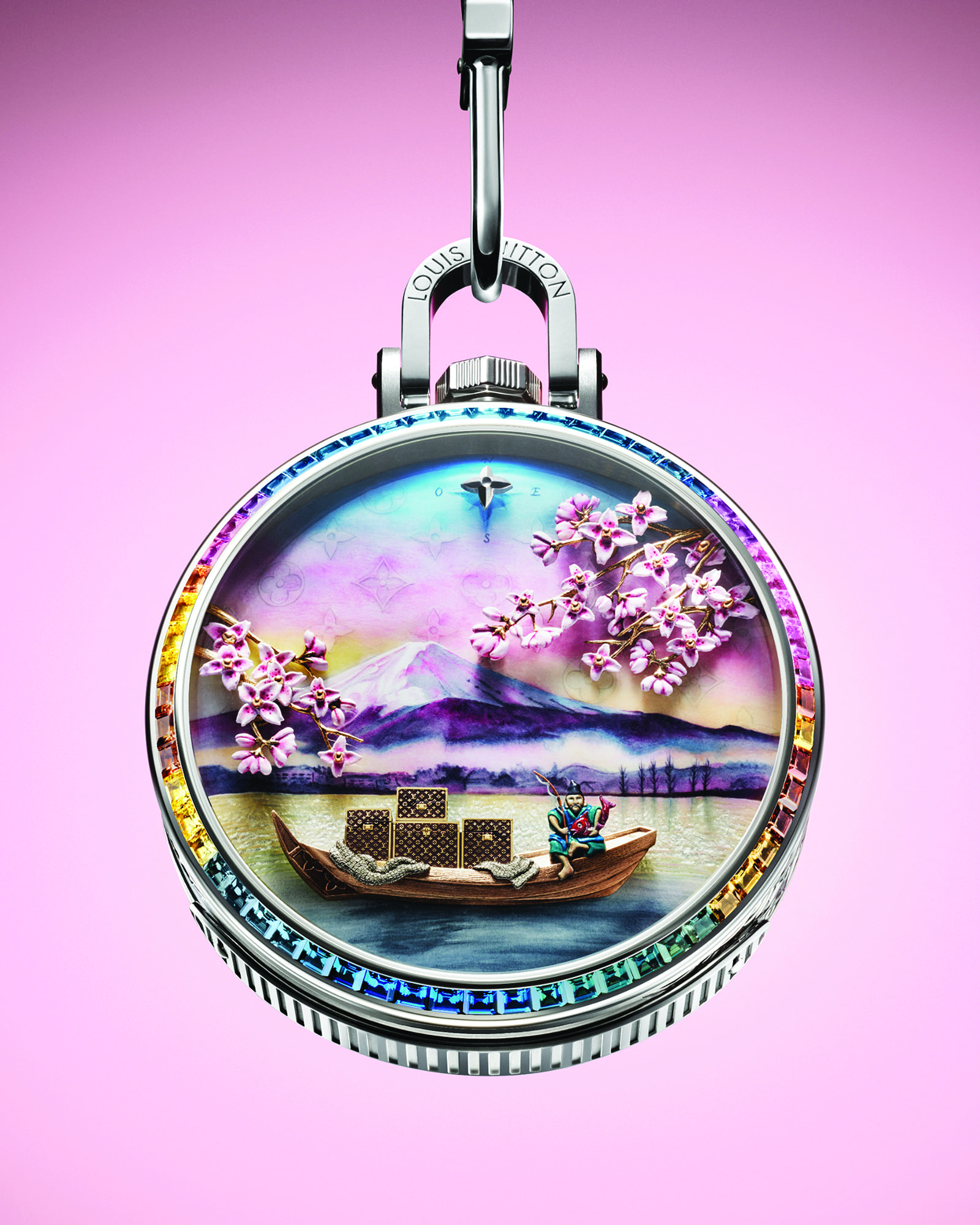
The third chapter in this extraordinary series, the Louis Vuitton Escale au Mont Fuji Pocket Watch, is a masterpiece of métiers d’art. The dial serves as a canvas for a scene depicting Mount Fuji at dawn, brought to life through an intricate sequence of automata triggered by a minute repeater. Upon activation, the watch becomes a kinetic theater: a gold compass rose rotates, cherry blossom branches sway, and miniature, hand-painted Louis Vuitton trunks aboard a traditional fishing boat rhythmically open and close, revealing the brand’s iconic Monogram flowers.
Craftsmanship Beyond Measure
The dedication to detail is staggering. The depiction of Ebisu, the Japanese deity of fortune, required the Maison’s master engraver to forge bespoke tools to capture the fine features of the figure and the tai (sea bream) he carries. Even the case middle serves as a canvas, featuring the traditional Japanese Seigaiha wave pattern subtly interspersed with Louis Vuitton’s own Monogram flowers.
The color palette is a triumph of enamel work. The dial required a staggering 33 distinct pastel hues and 40 separate firings to achieve its ethereal luminosity. Miniature painting provides the depth of the mountain, while silver-leaf paillonné enamel gives the lake its shimmering, reflective surface. The movement, a bespoke in-house calibre LFT AU14.03, houses 561 hand-finished components, including a tourbillon and the complex automata mechanism. With over 1,000 hours of labor invested, this singular creation—delivered with a bespoke trunk and a vintage-inspired doctor’s bag—is not merely a timepiece; it is a portable monument to the art of travel.
A Chronology of Bloom: The Evolution of Seasonal Design
The trend toward botanical and seasonal motifs is not a sudden shift but the culmination of years of technical refinement in dial fabrication.
.jpg)
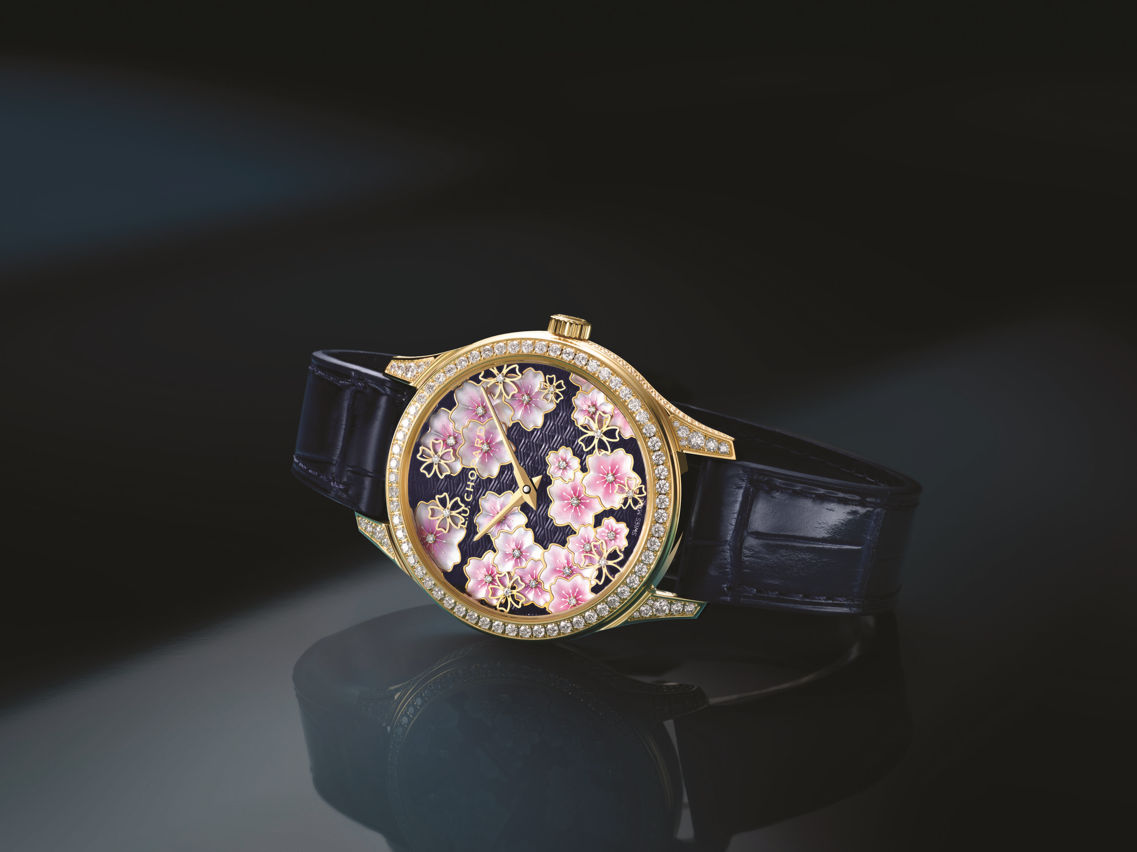
- 18th Century Inspirations: The current trend toward "Sakura" (cherry blossom) themes finds its roots in deep historical archives. Chopard, for instance, turned to a 1774 kimono design for the L.U.C XP Sakura By Night, proving that the modern watch industry is increasingly looking to pre-industrial aesthetics for contemporary inspiration.
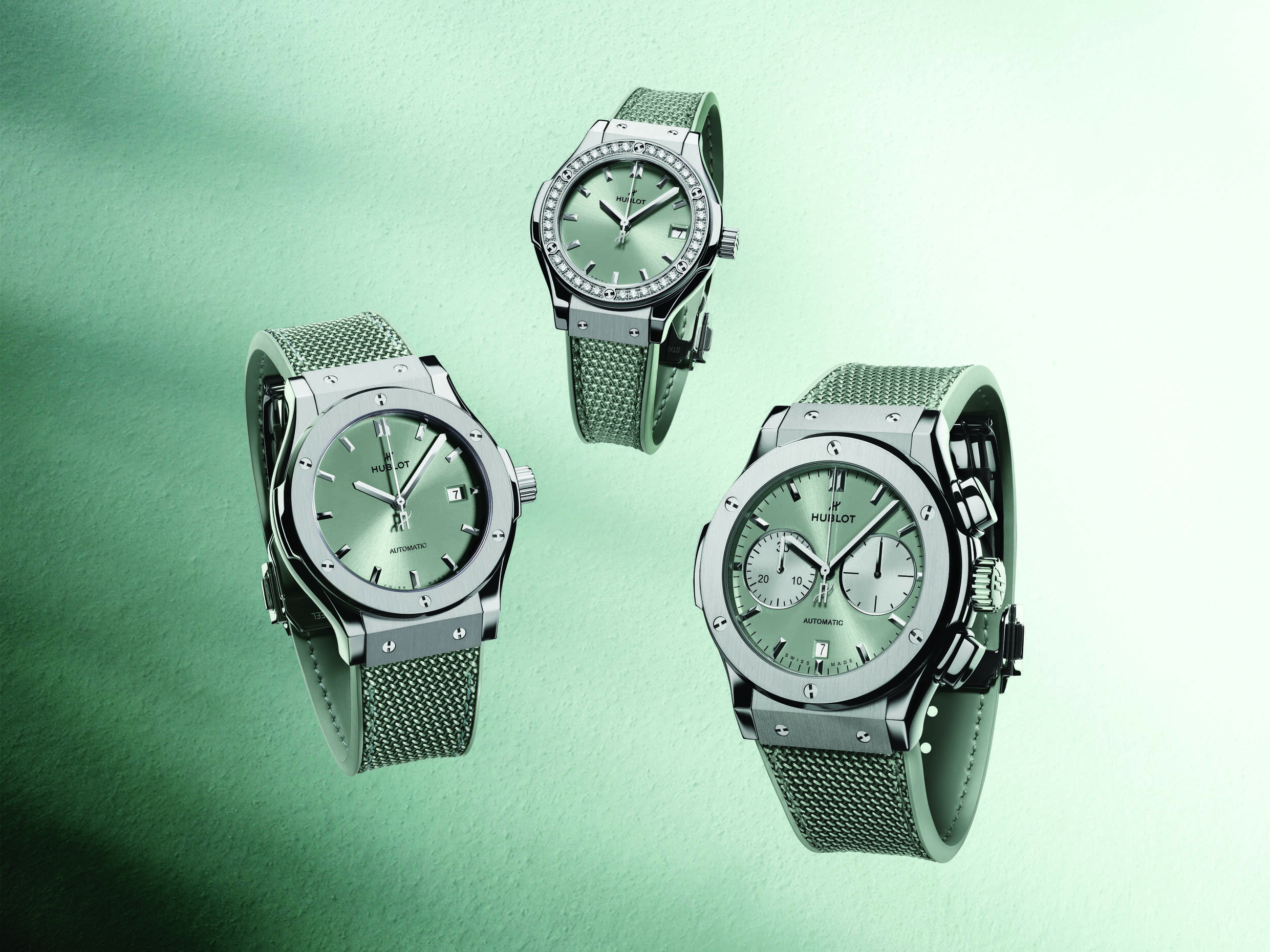
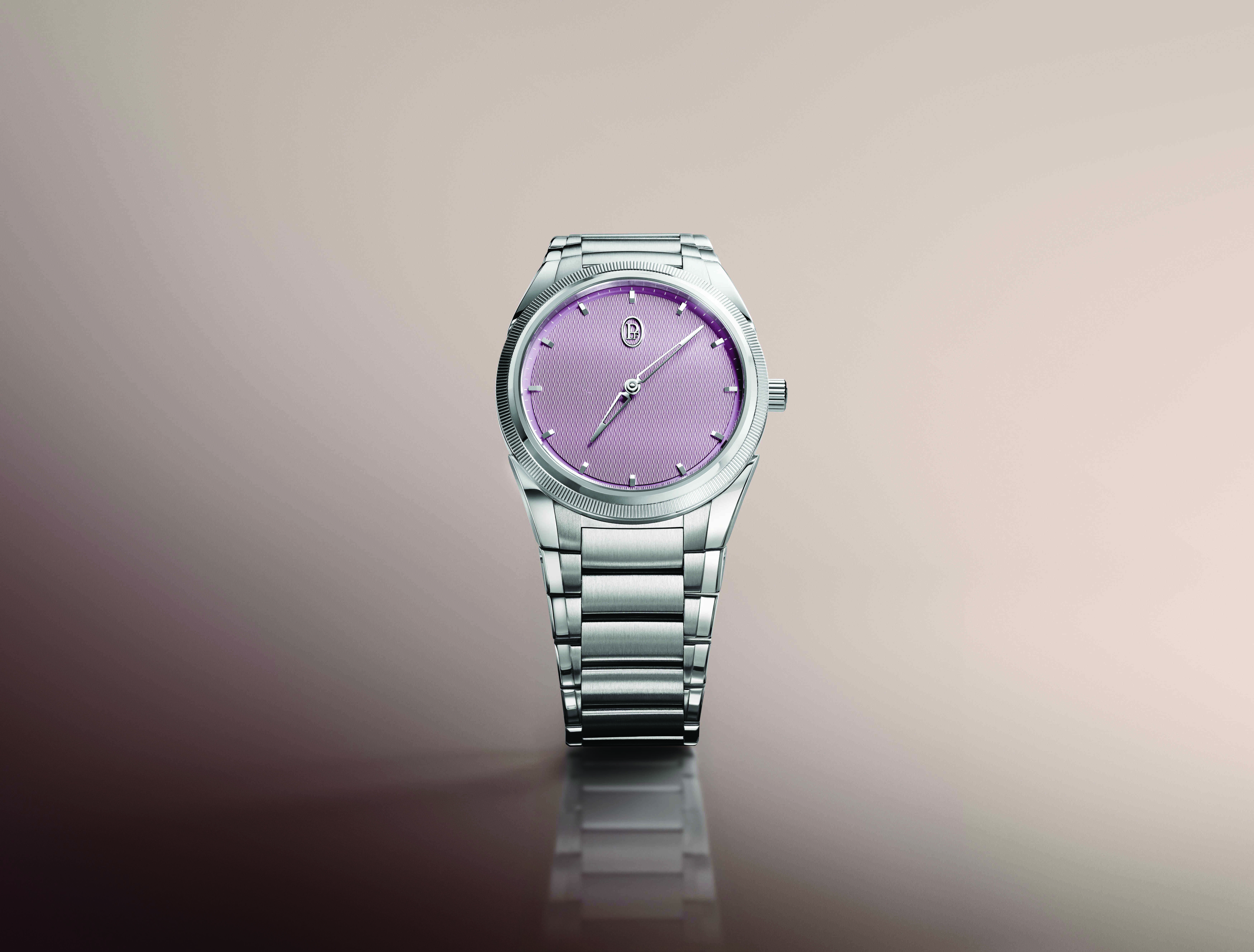
- The Rise of the "Soft Palette": In the last three years, we have seen a pivot away from the aggressive "sport-chic" aesthetics of the late 2010s toward more organic, approachable tones. The introduction of "Sage Green" and "Alta Rosa" hues reflects a consumer desire for watches that bridge the gap between technical precision and emotional resonance.
- The Technical Pivot: Advances in laser-engraving and CNC milling have allowed brands like Arnold & Son to place complex complications—such as the dead-beat seconds—alongside delicate, grained dial plates, balancing industrial engineering with decorative softness.
Supporting Data: The Anatomy of the New Collections
To understand the current market shift, one must look at the technical specifications of these releases:
| Watch Model | Case Material | Dial Technique | Primary Aesthetic |
|---|---|---|---|
| LV Escale au Mont Fuji | 18K White Gold | Enamel/Automata | Narrative/Artistic |
| Chopard L.U.C XP Sakura | 18K Rose Gold | Mother-of-pearl/Guilloche | Floral/Historical |
| Hublot Classic Fusion Sage | Titanium | Satin-finished | Minimalist/Nature |
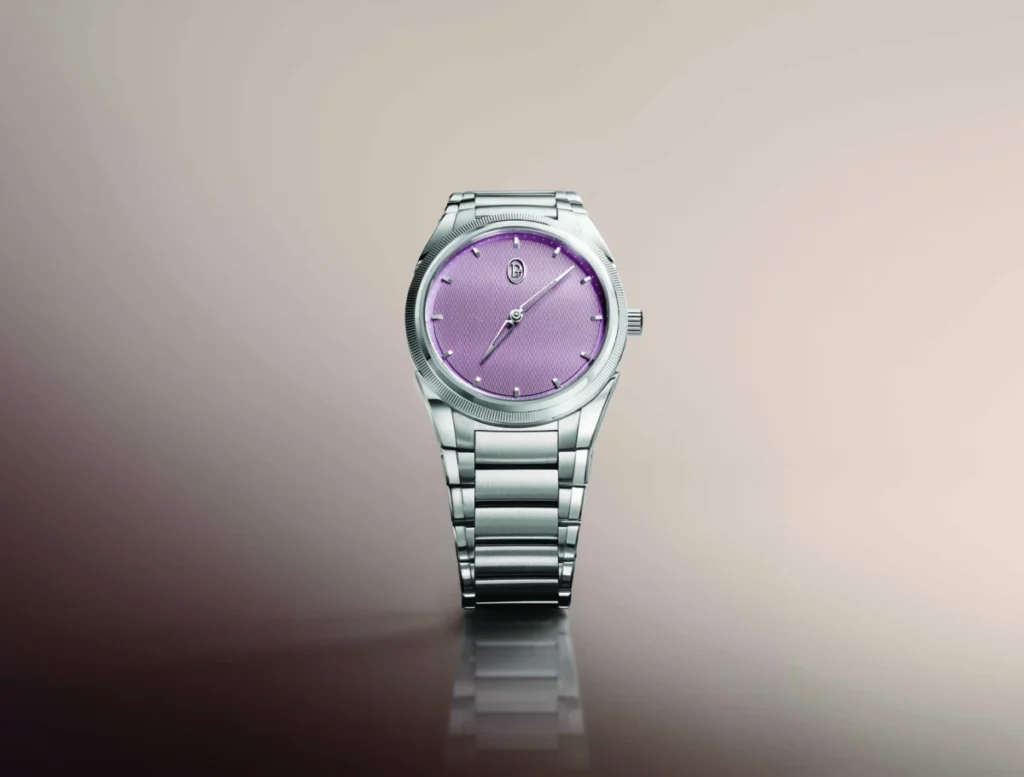
| Parmigiani Tonda PF Alta Rosa | Steel/Platinum | Grain d’Orge Guilloche | Refined/Color-focused |
| Arnold & Son DSTB 42 | 18K Red Gold | Opal/Grained plate | Mechanical/Technical |
Official Perspectives: The Philosophy of Color
Industry leaders argue that the adoption of these softer, more natural tones is a response to the "digital fatigue" of the modern watch collector.
"When you spend your life looking at screens," noted a representative from a leading Swiss manufacture, "the tactile experience of a guilloché dial or the subtle, shifting hues of an enamel lake becomes an essential sensory grounding. The color green, specifically in its sage or mint iterations, provides a psychological link to the outdoors that a standard black or white dial simply cannot match."
Parmigiani Fleurier’s approach to their "Alta Rosa" tone is equally strategic. By moving away from the saturated pinks often found in entry-level jewelry watches, the brand aims to establish a "measured approach" to color. The goal is to provide a watch that is versatile enough for the boardroom but distinctly seasonal in its character.
Implications for the Future of Watchmaking
The current focus on spring-inspired aesthetics holds significant implications for the broader luxury market:
1. The Death of the "Standard" Dial
As techniques like paillonné enameling and hand-guilloché become more accessible to top-tier brands, the consumer is beginning to reject mass-produced, stamped dials. We are entering an era where the dial is the primary value driver, often requiring as much labor as the movement itself.
2. Gender-Neutral Floral Interpretations
Historically, floral motifs and pastel colors were relegated to the "ladies’ watch" category. However, models like the Arnold & Son DSTB 42 and the Hublot Classic Fusion 45mm demonstrate that these design languages are being embraced by a broader, gender-neutral audience. The focus is shifting from "masculine vs. feminine" to "technical vs. artistic," allowing men to comfortably wear a "mint green" dial without it being perceived as a stylistic compromise.
3. Sustainability and "Ethical" Luxury
The use of "ethical rose gold" by Chopard and the focus on natural, earthy color palettes suggests that the industry is aligning itself with broader environmental awareness. The watch is no longer just a status symbol; it is a celebration of the environment it seeks to represent.
4. The Rise of the "One-Off" Narrative
Louis Vuitton’s success with the Escales Autour du Monde suggests a future where high-end collectors prioritize unique, narrative-driven pieces over mass-produced limited editions. The value of a watch is increasingly found in the story it tells—whether it is the story of Mount Fuji at dawn or the quietude of a misty mountain morning.
Conclusion
As the horological season unfolds, it is clear that the industry is in a state of quiet, blossoming evolution. By marrying the most rigorous mechanical complications—minute repeaters, tourbillons, and dead-beat seconds—with the ephemeral colors of spring, watchmakers are creating objects that are as emotionally resonant as they are technically superior. Whether it is the bold, kinetic art of Louis Vuitton or the refined, color-focused precision of Parmigiani Fleurier, the latest offerings remind us that the passage of time is, above all, a cycle of renewal. For the collector, these watches offer a rare opportunity to wear that renewal on the wrist, anchoring the complexities of modern life in the enduring, shimmering beauty of the natural world.