London, UK – For centuries, the vibrant green gemstone known as peridot has captivated hearts and adorned treasures. However, a peculiar descriptor often accompanies its description: "oily green." Far from being a criticism, this term, steeped in gemmological tradition, offers a fascinating glimpse into the mineral’s unique composition, geological origins, and intrinsic beauty. Gem-A Tutor Pat Daly delves into the science and history behind this evocative moniker, revealing what it truly signifies about this remarkable gem.
The Enduring Appeal of Peridot: A Spectrum of Green
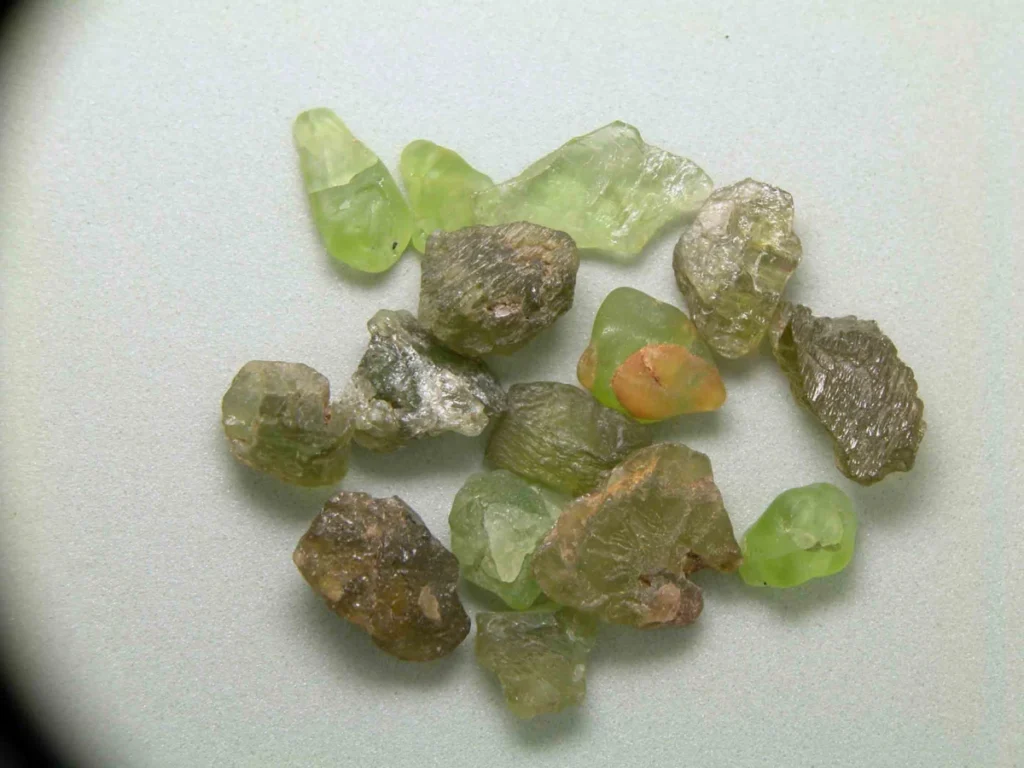
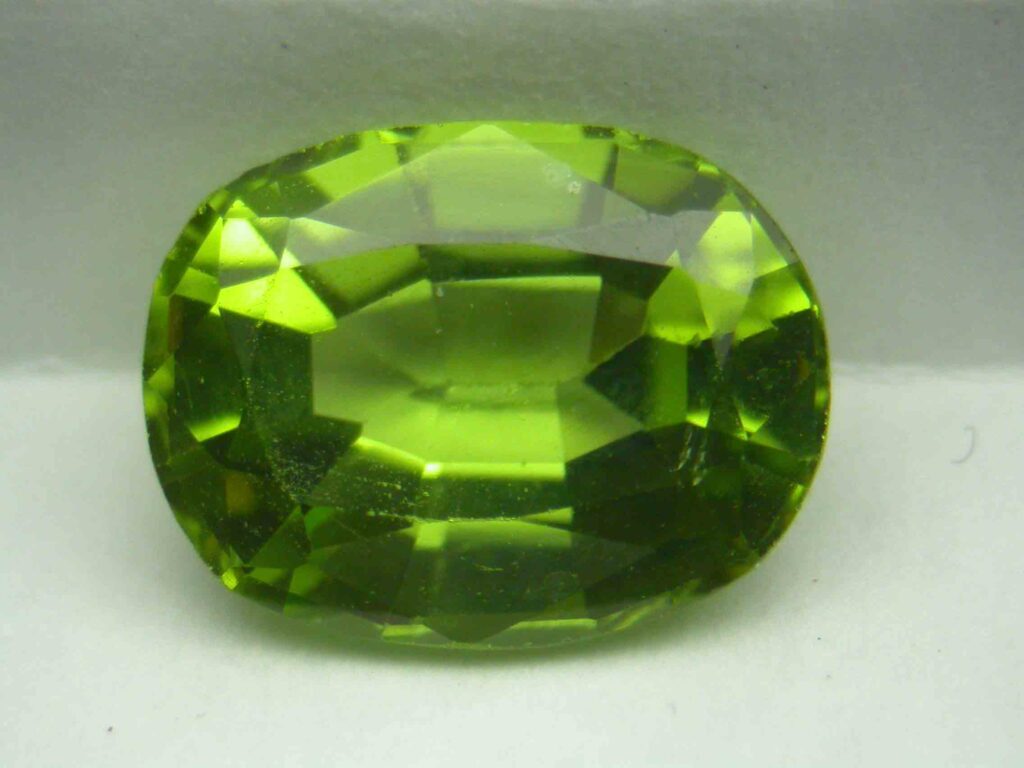
Peridot, a variety of the mineral olivine, is celebrated for its distinctive green hue. While it can occasionally present in shades of brown or yellow, it is the gem-quality stones, almost universally exhibiting a vibrant green, that have garnered the most admiration. This characteristic colour is primarily attributed to the presence of magnesium silicate, infused with a few percent of iron. Gemmologists also suspect that trace elements like nickel and chromium may play a role in modifying these green tones, as these metals are relatively abundant in the mantle rocks where most gem-quality peridot originates.
The visual appeal of peridot is undeniable. Its colour palette ranges from a light, almost lime green to a deep, rich olive. This inherent beauty has made it a favourite for jewellers and collectors alike. The Gemmological Association of Great Britain (Gem-A), a leading authority in gemmology, frequently highlights peridot in its educational resources, emphasizing its unique place in the world of gemstones.
A Journey Through Time: The Historical Tapestry of Peridot
The story of peridot is as ancient as the earth itself. Its discovery dates back to classical antiquity, with the island of Zabargad (also known as St. John’s Island) in the Red Sea being a primary source for this gemstone for millennia. Until the 20th century, Zabargad held a near-monopoly on supplying fine peridot to the world. However, other significant sources have since emerged, including Burma (now Myanmar), which has yielded large and exquisite specimens. More recently, important deposits have been unearthed in Arizona, USA, Norway, and Pakistan. A particularly notable discovery in China has also begun supplying the global jewellery trade with fine-quality peridot, further diversifying its availability.
The geological conditions under which peridot forms are crucial to understanding its origins. In these prime locations, gem-quality peridot crystallized deep beneath the Earth’s crust. Its journey to the surface was often facilitated by volcanic activity, which brought these deep-seated rocks to shallower depths. Alternatively, it was found in large masses of peridotites, rock formations that underwent significant deformation and recrystallization within the Earth’s crust.
Unveiling Peridotites: The Earth’s Deepest Secrets
Peridotites are igneous rocks predominantly composed of the mineral olivine. The mineral itself derives its name from the Latin word "oliva," referring to the olive fruit, owing to its characteristic yellowish-green colour. Over time, this visual resemblance has been extended from the fruit itself to the oil extracted from it. Given the immense cultural and economic importance of olive oil, it is not surprising that it has served as a point of comparison for the colour of precious stones. While olive oil often exhibits a predominantly yellow hue with a greenish undertone, peridot typically displays a more pronounced and distinct green.
The "Oily Green" Conundrum: Decoding the Descriptor
The term "oily" when associated with gemstones can, at first glance, evoke negative connotations, often implying artificial treatments. However, in the context of peridot, this association is entirely misplaced. Peridot is prized precisely because it is one of the few gem materials that are rarely, if ever, treated. The "oily" descriptor does not refer to any artificial enhancement but rather to inherent optical characteristics of the stone.
Gemmologists use the term "oily" to describe a phenomenon that can affect peridot’s appearance, often manifesting as a "sleepy" or slightly less transparent quality. This reduced transparency is not due to impurities in the conventional sense but rather to the presence of sub-microscopic inclusions that scatter light within the crystal structure. Furthermore, the strong double refraction inherent in peridot, particularly noticeable when viewed through pavilion facet edges, can cause these edges to appear blurred, contributing to the overall impression of a less sharp, more diffused appearance.

These optical effects, which may have led to the "oily" descriptor, are not necessarily detrimental to the stone’s beauty. In some instances, a degree of light scattering can actually enhance a peridot’s appeal. It can help to illuminate facets that might otherwise appear dark, even in well-cut and polished stones. This subtle interplay of light and shadow contributes to peridot’s unique visual character, setting it apart from gemstones with a more uniform clarity.
The presence of specific inclusions, such as biotite, can also contribute to this perceived "oiliness." These inclusions, when present, can further influence how light interacts with the gemstone, leading to subtle variations in its transparency and lustre. Photomicrographs, like the one of a biotite inclusion in peridot captured by Pat Daly, offer invaluable insights into these microscopic features that define a gemstone’s character.
The Uniqueness of Peridot: A Singular Gemstone
In the vast world of commercially significant gemstones, many species boast a wide array of colours, optical effects, and named varieties. Peridot, however, stands out for its relative singularity. It is primarily known for its consistent and captivating green hues, a characteristic that has enchanted humanity for millennia. This singular focus on its distinctive green colour, coupled with its consistently good transparency and pleasing brilliance, makes peridot a highly desirable choice for jewellery designers, artisans, and their clientele.
The current market for peridot is robust, with a steady supply of fine gem material available. This consistent availability allows peridot to be offered at moderate price points, making it an accessible yet precious gemstone. While larger and exceptionally fine specimens can command significant prices, the general affordability of peridot ensures its enduring popularity across a broad spectrum of the jewellery market.

Implications for the Gemstone Industry and Consumers
The understanding of the "oily green" descriptor is vital for both industry professionals and consumers. It underscores the importance of accurate gemmological terminology and dispels potential misconceptions about gemstone treatments. For consumers, recognizing that this descriptor refers to a natural optical characteristic, rather than an artificial enhancement, can foster a deeper appreciation for peridot’s inherent qualities.
The fact that peridot is rarely treated is a significant selling point in an era where consumers are increasingly conscious of ethical sourcing and natural authenticity. This makes peridot a compelling choice for those seeking gemstones that are as natural and unadulterated as the earth that produced them.
Further Exploration and Education
For those eager to deepen their understanding of peridot and other significant gemstones, Gem-A offers a wealth of educational resources. The "GemIntro" course, an online-only program, provides a foundational understanding of gemmology, ideal for beginners. For individuals aspiring to build a career in the gem and jewellery industry, the "Gemmology Foundation" course offers a comprehensive pathway to acquiring essential knowledge and skills.
The study of peridot, from its geological origins to its unique optical properties, offers a compelling narrative of nature’s artistry. The "oily green" descriptor, far from being a flaw, is a testament to its distinctive character, a characteristic that has cemented its place as a cherished gemstone for millennia. As Pat Daly’s insights reveal, understanding these nuances allows for a richer appreciation of this vibrant green mineral, a true gift from the earth.

Main Image: A faceted peridot gemstone, photographed by the author, Pat Daly.