The retail landscape is characterized by its relentless velocity, and this past week served as a masterclass in the industry’s capacity for rapid transformation. From C-suite appointments that signal aggressive expansion strategies to the premature, yet highly profitable, arrival of the pumpkin spice season, the industry is recalibrating for a dynamic fourth quarter. As we analyze the shifts from the past seven days, one theme emerges: the battle for consumer loyalty is being fought with equal fervor in executive boardrooms and through highly localized in-store experiences.
Executive Realignment: A New Chapter for Helly Hansen
In a move that has captured the attention of market analysts, Kontoor Brands has officially appointed C.J. King as the new General Manager of Helly Hansen’s North American sports business, effective this past Monday. This strategic hire represents a significant investment in the brand’s footprint across the United States and Canada.
The Background of a Strategic Hire
King arrives at Kontoor Brands following a highly successful decade-long tenure at Arc’teryx. During his time at the premium outdoor specialty brand, King navigated complex operational and commercial roles, including serving as Vice President of North American wholesale and Vice President of Global Commercial. His deep-rooted expertise in the premium outdoor segment is widely viewed as a direct asset for Helly Hansen, a brand currently undergoing a rigorous expansion phase.
Industry Implications
In a note to investors, a team of Wells Fargo analysts led by Ike Boruchow highlighted the appointment as a pivotal moment for the company. "Mr. King’s experience draws stark parallels to Helly Hansen’s current positioning as it looks to expand an under-penetrated U.S. business," the note stated. The consensus among market observers is that King’s presence provides "greater credibility" to the brand’s U.S. growth narrative. Following Kontoor Brands’ acquisition of Helly Hansen last year, CEO Scott Baxter has consistently identified the brand as the company’s primary "growth engine," making this leadership appointment a cornerstone of their 2025 and 2026 fiscal strategy.
Global Consolidation: The Reunification of Avon
In the beauty and direct-selling sector, a major consolidation event is set to finalize this Tuesday. The global investment firm Regent has entered into a definitive agreement to acquire LG H&H’s interest in Avon North America. This acquisition effectively reunites the North American and International arms of the Avon business after a decade of separation.
Strategic Rationale
The reunification follows Regent’s acquisition of Avon International from Natura last year. Michael Reinstein, founder and CEO of Regent, emphasized that the decision was rooted in the need for operational synergy. "Bringing Avon North America and Avon International back together gives Avon clearer ownership, a shared strategy, and a stronger foundation for growth," Reinstein noted in a press release. The goal of the combined entity is to leverage the scale of a unified supply chain and brand identity to facilitate more aggressive product innovation and improved earning structures for the brand’s massive network of independent representatives.
The "Pumpkin Spice" Phenomenon: Retailers Defy the Calendar
Perhaps no retail event illustrates the power of consumer sentiment and seasonal marketing as effectively as the annual return of pumpkin spice. Despite the fall equinox being weeks away, retailers have successfully manufactured an early autumn atmosphere, prioritizing profit over meteorological accuracy.
A Coordinated Market Push
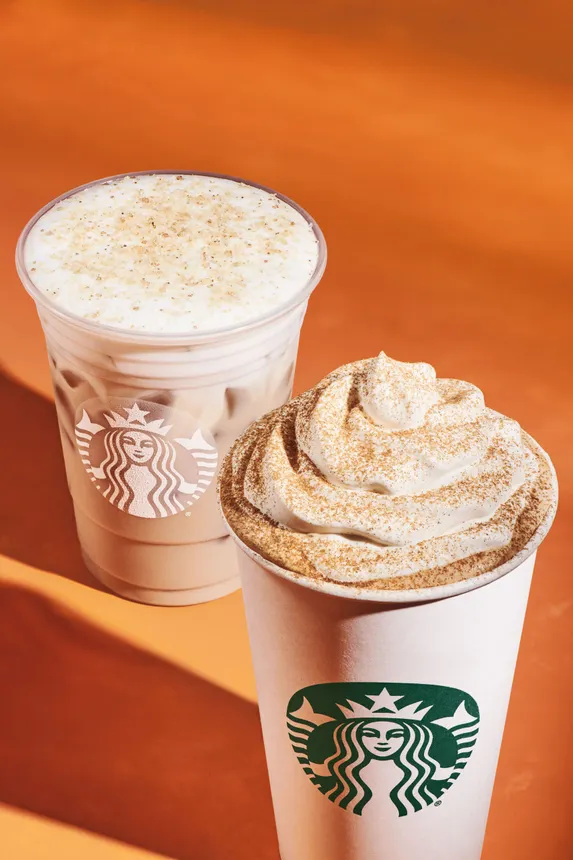
Starbucks led the charge this year, reintroducing its iconic Pumpkin Spice Latte (PSL) on August 25th. The beverage’s return serves as a psychological marker for consumers, triggering a cascade of secondary retail opportunities. Krispy Kreme quickly followed suit with the limited-time return of its Pumpkin Spice Original Glazed doughnut, while niche items—including the polarizing pumpkin pie dessert hummus from Boar’s Head—have hit shelves, signaling that the season is officially open for business.
Beyond Consumption
The "pumpkin spice" strategy has evolved beyond food and beverage. Starbucks, recognizing the cult-like following of its seasonal menu, has expanded into a full suite of "PSL Society" merchandise. From branded charms and water bottles to hats and mugs, the company is treating its seasonal menu as a lifestyle brand. For retailers, this represents a masterclass in "seasonal urgency," forcing consumers to engage with fall-themed products while the summer heat is still at its peak.

Immersive Retail: Academy Sports + Outdoors and the Ariat Partnership
While much of the industry focuses on digital transformation, physical retail remains a critical battleground for brand engagement. This fall, Academy Sports + Outdoors is rolling out a massive expansion of its shop-in-shop concept in partnership with Ariat International.
The Scope of the Project
The scale of this collaboration is substantial: 200 dedicated Ariat in-store shops are slated to launch nationwide. These are not merely shelf displays; they are designed as immersive, branded environments. By utilizing dedicated fixtures, tables, and branded walls, the spaces allow customers to interact with Western and work-related apparel in a high-touch setting.
The Strategic Value of "Shop-in-Shop"
Matt McCabe, Chief Merchandising Officer at Academy Sports + Outdoors, noted that the initiative is about creating a "highly visual endeavor." For the consumer, it simplifies the shopping experience, allowing them to browse premium denim and Western boots in a boutique-like environment within a larger big-box store. This trend of "store-within-a-store" formats allows retailers to boost store productivity and capture higher-intent shoppers by providing a curated, premium experience.
The Off-Price Paradox: Is the Sector Cooling?
One of the most closely watched segments in retail is the off-price sector, traditionally seen as a recession-proof bastion of the industry. However, recent second-quarter results have introduced a layer of complexity to this narrative.
Performance Divergence
While off-price retailers generally thrive regardless of the economic climate—drawing bargain hunters in downturns and "treasure hunters" in growth periods—the Q2 results for industry leaders were mixed. Burlington and the Marmaxx division of TJX Companies (the parent company of T.J. Maxx and Marshalls) both reported softer-than-expected comparable sales.
Merchandising vs. Macroeconomics
Executives at TJX cited "merchandising flubs" as the primary driver for their performance dip, while Burlington pointed toward store cannibalization and a growing trend of consumer caution. Conversely, Ross Stores reported an impressive 10% year-on-year comp growth.
This divergence is critical. It suggests that the current weakness in the sector may not be a symptom of a broader consumer pullback, but rather a shift in market share. Ross’s success indicates that consumers are still spending, but they are increasingly gravitating toward retailers that have refined their merchandising and in-store execution. As Wells Fargo analysts noted, "Ross is now retail’s boss." The question for the remainder of the year is whether TJX and Burlington can rectify their inventory and merchandising strategies to claw back the market share they have ceded to their most efficient competitor.
Future Outlook: Implications for the Retail Sector
As we move into the final months of the year, several overarching trends are clear:
- Talent as Strategy: The appointment of seasoned leaders like C.J. King shows that legacy brands are doubling down on specialized knowledge to solve growth problems.
- Operational Consolidation: The reunification of the Avon business highlights a trend toward simplifying corporate structures to drive brand cohesion and global scalability.
- Experience-Driven Retail: The massive rollout of the Ariat shops at Academy Sports + Outdoors demonstrates that physical stores must offer more than just inventory; they must offer an experience that justifies the trip.
- The Off-Price Efficiency Gap: The disparity in performance between Ross and its peers proves that even in a sector that is traditionally "resilient," operational excellence remains the deciding factor between growth and stagnation.
Retailers are clearly moving toward a model that prizes agility, brand identity, and the ability to manufacture excitement—whether through the early launch of a seasonal favorite or the creation of an in-store boutique. As the industry approaches the high-stakes holiday season, these strategic decisions will be tested against a consumer base that is increasingly discerning and looking for value, experience, and novelty in equal measure. The coming months will undoubtedly provide further clarity on which of these strategies will define the next era of retail success.