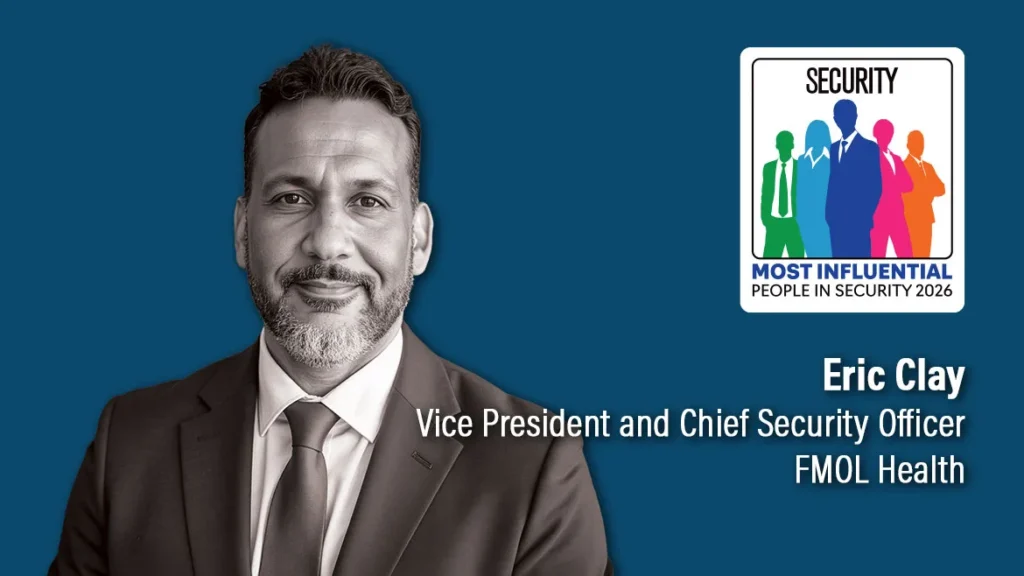
Special Report: Most Influential People in Security 2026
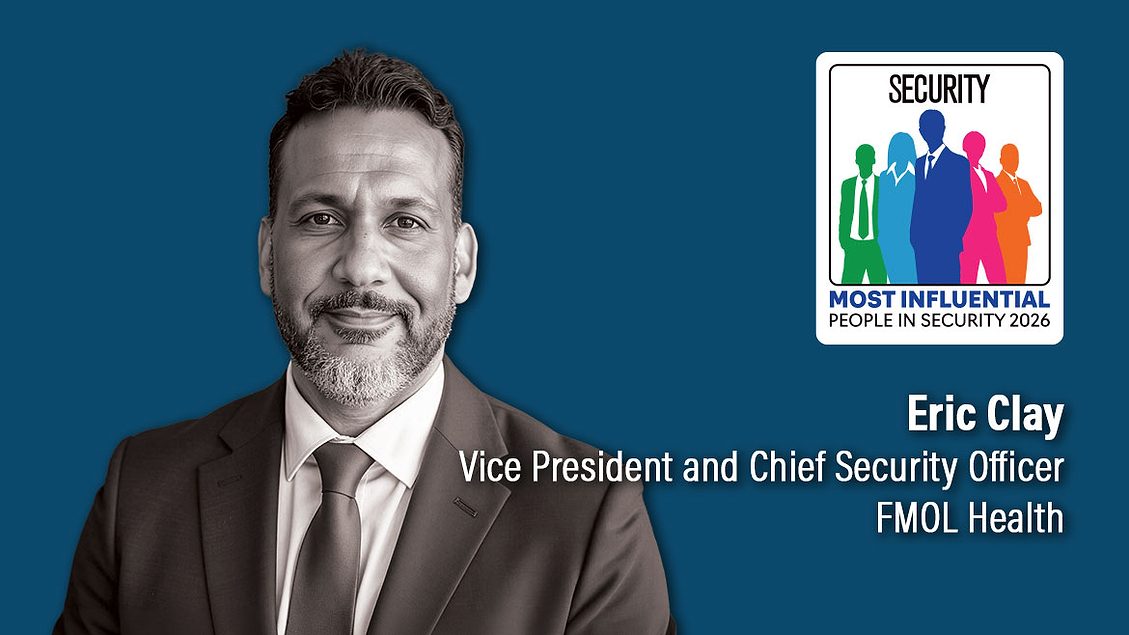
In an era where the boundary between public safety and private enterprise is increasingly porous, few leaders embody the transition from traditional tactical enforcement to holistic, service-oriented protection as effectively as Eric Sean Clay. As the Chief Security Officer (CSO) at FMOL Health, Clay manages the safety infrastructure for a vast network of 11 hospitals and over 23,000 employees. His inclusion in the 2026 list of the Most Influential People in Security is not merely a recognition of his current title, but a testament to a three-decade trajectory that has seen him navigate the world’s most volatile conflict zones, the intricate hospitality standards of Disney, and the complex regulatory landscape of federal law enforcement.
The Chronology of a Crisis Manager
To understand Clay’s modern approach to hospital security, one must examine the diverse tactical crucible that forged his philosophy. His career is a roadmap of high-stakes environments, each layer adding a new dimension to his risk-mitigation toolkit.
Tactical Foundations (1990s–2004)
Clay’s early career was defined by the rigors of law enforcement. These formative years instilled a baseline of procedural discipline and a deep understanding of the legal frameworks that govern public safety. However, it was his transition in 2004 that pushed his capabilities to the limit. As a Site Manager for Blackwater USA, Clay was deployed to Iraq, where he led high-threat security operations. In an environment where the "security" perimeter was fluid and the threats were kinetic, Clay learned the necessity of adaptability and decisive leadership under fire.
From Energy to Entertainment (2005–2015)
Following his tenure in Iraq, Clay transitioned into the private energy sector, overseeing security operations across Iraq and Afghanistan. This role demanded the orchestration of complex logistics alongside physical security, bridging the gap between corporate interests and regional volatility.
Perhaps his most surprising career pivot was his role as Complex Director of Security at the Walt Disney World Swan and Dolphin. This move was pivotal. "From Disney, I learned that security should be a seamless, compassionate, and proactive part of the guest—and now, patient—experience," Clay reflects. At Disney, the philosophy is one of hospitality; security is an invisible layer that enables enjoyment. This "service-first" mindset would later become the cornerstone of his approach to healthcare.
Federal Service and Healthcare Leadership (2016–Present)
Before settling into his current role at FMOL Health, Clay furthered his expertise with the Department of Justice and the Department of Homeland Security. These federal roles provided him with a bird’s-eye view of national security strategy, which he now synthesizes with the day-to-day realities of hospital safety.
The Modern Healthcare Security Framework
At FMOL Health, Clay oversees a sprawling, high-acuity environment. Unlike a corporate office or a retail space, a hospital is a 24/7 facility that cannot be "locked down" in a traditional sense. Patients, families, and high-stress clinical staff move through these spaces constantly, creating a unique challenge for the security team.
Shifting from "Guards, Guns, and Gates"
Clay is a vocal proponent of moving away from the antiquated "guards, guns, and gates" model. While physical presence remains a necessity, he argues that the modern security leader must focus on the integration of technology into the clinical workflow.
"A huge part of my daily job is making sure our security tools fit seamlessly into clinical workflows," says Clay. "Our doctors and nurses should be able to focus on caring for patients, knowing they are fully supported, valued, and protected."
Data-Driven Prevention
The current strategy at FMOL Health relies heavily on advanced, proactive technologies:
- AI-Enabled Concealed Weapons Detection: By utilizing non-intrusive scanning, security teams can identify threats before they enter the facility, preventing violence before it manifests.
- Wearable Duress Alarms: These devices provide clinical staff with an instantaneous "panic" link, ensuring that if a situation escalates in a patient room, the response team is alerted with precision location data.
- System Integration: By linking physical access control systems with electronic health records (where appropriate) and emergency response software, Clay has created a multi-layered ecosystem that reacts in real-time to the needs of the staff.
Supporting Data: The Evolution of Risk
The necessity for such a transformation is underscored by the rising tide of workplace violence in healthcare settings. According to industry data, healthcare workers are among the most likely to experience physical violence on the job.
Clay’s approach is a direct response to this data. By moving from reactive post-incident reporting to proactive, tech-enabled intervention, his department aims to reduce the "friction" of security. When security is seen as an adversary to clinical workflow, it is ignored; when it is seen as a supportive tool, it is adopted. Clay’s ability to "bridge the gap between high-level strategy and real-world operational realities" is precisely why his tenure at FMOL has been marked by a reduction in staff burnout related to safety concerns.
Official Responses and Philosophy
When asked about the secret to his leadership, Clay emphasizes the importance of mentorship and the collective wisdom of his past employers.
"I have tried to take something from all of the organizations and strong leaders I have worked with," he states. "Whether it was the tactical precision of the military, the service-centric culture of Disney, or the regulatory rigor of the DOJ, I’ve tried to weave those threads into a strategy that ensures my teams feel supported."
Clay believes that the primary role of a modern CSO is to be a bridge. He is a translator who speaks the language of the C-suite (ROI, risk management, data-driven outcomes) and the language of the frontline (practical tools, ease of use, physical safety).
Implications for the Future of Security
The implications of Eric Sean Clay’s work at FMOL Health are significant for the broader security industry. As healthcare systems continue to struggle with staffing shortages and high-stress environments, the "Clay Model"—one that prioritizes the patient and caregiver experience as the primary metric of security success—is likely to become the gold standard.
Strategic Integration
The future of physical security is not just about having the best cameras; it is about the "Internet of Things" (IoT) in a clinical setting. As artificial intelligence continues to evolve, the ability to predict, rather than just respond, will define the next decade of security leadership.
A Culture of Compassion
Perhaps the most enduring takeaway from Clay’s philosophy is the reminder that security is, at its heart, a people-centric industry. Even in the most technologically advanced hospital, the success of a security program depends on the buy-in of the nurses, doctors, and administrators who use those systems every day. By treating security as a compassionate service rather than an enforcement mechanism, Clay has humanized a field that is often criticized for being cold and detached.
As we look toward 2026 and beyond, the influence of leaders like Eric Sean Clay will continue to shape how we protect our most vital institutions. His journey—from the trenches of Iraq to the halls of a modern hospital—demonstrates that the most effective security is not just about keeping the bad guys out; it is about keeping the good work going.
In the final analysis, Clay’s career proves that while tools, technologies, and threats change, the core mandate of the security professional remains constant: to provide a foundation of safety upon which society can function, thrive, and heal.