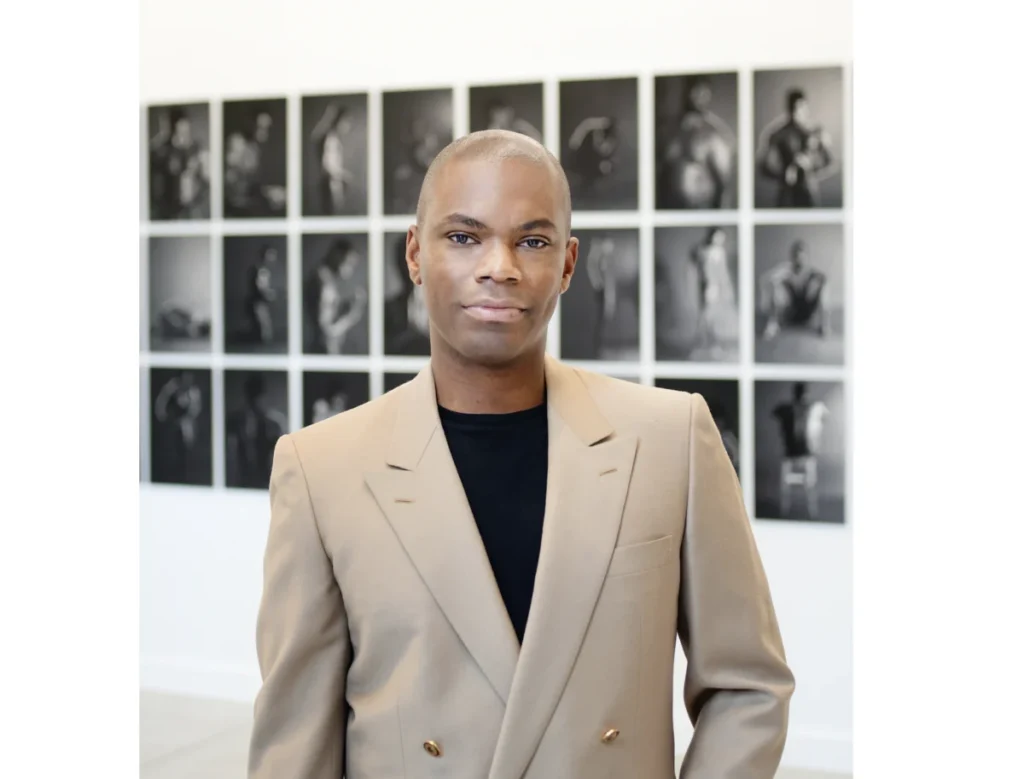
In the high-stakes, opaque world of the contemporary art market, reputation is the most valuable currency. For Jonathan Carver Moore, a self-described outsider who burst onto the San Francisco scene in 2023 with a mission to platform marginalized voices, that currency has rapidly depreciated. Once lauded as a beacon of progress and equity in a city facing a wave of gallery closures, Moore now finds himself at the center of a mounting controversy involving allegations of chronic non-payment, the withholding of artworks, and what some artists describe as a profound breach of professional trust.
An extensive investigation by the San Francisco Standard has brought to light a pattern of behavior that casts a shadow over the gallery’s rapid ascent. According to reports, at least nine artists and representatives have alleged that they are owed thousands of dollars in proceeds from sales, or that Moore has failed to return unsold inventory despite repeated formal requests. The crisis reached a boiling point this month when a group of seven artists issued a collective demand for payment and the immediate return of their work, signaling a collapse in the relationship between the dealer and his roster.
A Mission Rooted in Disruption
When Jonathan Carver Moore opened his namesake gallery on the edge of San Francisco’s Tenderloin neighborhood, the narrative was compelling. Moore, who did not come from the traditional, pedigree-heavy art world, famously cashed out his 401(k) retirement savings to fund the venture. His stated objective was to provide a dedicated space for Black, female, queer, and Indigenous artists—demographics he argued were systematically overlooked by the established gallery system.
His strategy appeared to work. Moore mounted ambitious, high-profile presentations at major fairs, including Expo Chicago, the 1:54 Contemporary African Art Fair, and his hometown’s FOG Design + Art. While institutional stalwarts like Altman Siegel shuttered their doors, Moore’s gallery seemed to be thriving, gaining traction through a residency program for artists of color and a public-facing commitment to social justice.
However, the glossy veneer of this mission-driven model has begun to peel away, revealing a business structure that critics describe as financially reckless and ethically compromised.
Chronology of a Crisis
The mounting allegations against Moore suggest that the issues are not isolated incidents but rather a systemic failure of his gallery’s operations.
- Early 2023: Moore opens his gallery, positioning it as an inclusive, community-focused space.
- January 2024: ARTnews profiles Moore, highlighting his residency program and his intent to diversify the San Francisco art landscape.
- April 2024: During Expo Chicago, Moore claims significant sales for artists like Demond Melancon and Adrian Burrell.
- August 4, 2024: Artist April Bey takes to Instagram, publicly calling on Moore to address outstanding payments and the return of two artworks valued at $68,000.
- Mid-August 2024: Multiple artists and galleries report similar experiences. The San Francisco Standard publishes its findings, revealing that Bahamas-based TERN Gallery has reported an unpaid, unreturned painting by Cydne Jasmin Coleby to the FBI as stolen.
- Late August 2024: A collective letter from seven artists is sent to Moore, demanding transparency and the immediate settlement of debts. By this time, the gallery’s website has been rendered non-functional.
The Evidence: Unpaid Artists and Missing Inventory
The allegations against Moore are granular and paint a picture of an artist-dealer relationship characterized by evasion and broken promises.
Demond Melancon, a prominent artist whose work was featured at Expo Chicago, claims he is owed approximately $70,000 in sales proceeds. According to Melancon, Moore has ceased all communication, leaving the artist with no recourse but to go public. Compounding this, the art handling firm hired to install the work at the Chicago fair reports that their invoices remain unpaid.
The experience of April Bey highlights the volatility of these dealings. Following her public call-out, Moore returned one work and settled the payment for another, but the interaction underscored the necessity of public pressure to achieve basic contractual fulfillment.
The scope of the dysfunction extends beyond individual artists to institutional entities. The case of Cydne Jasmin Coleby is perhaps the most legally severe; the TERN Gallery in Nassau has engaged the FBI after Moore allegedly acquired a $7,000 painting but failed to pay, effectively holding the work hostage. Furthermore, collectors have been caught in the crossfire. Kevin Poorman, a collector who purchased a Melancon piece for $8,800, reports that he was fed misinformation regarding the work’s availability, claiming he was told it was tied up in a museum exhibition that had, in reality, been canceled months prior.
The Dealer’s Defense: Financial Strain vs. Transparency
When confronted with these allegations, Moore has consistently attributed the gallery’s failings to the inherent difficulties of the art business. In an email to ARTnews, he framed his gallery not as a traditional commercial entity, but as a project born of "love" and a desire to provide opportunities to the underrepresented.
"It is a financial struggle running a gallery," Moore wrote. "Unfortunately, it often takes a lot of time to receive payment from collectors and institutions—this in turn has a big impact on running the gallery as a business. This impacts artist payments, general overhead (rent, etc.), deposits for art fairs, and more."
Moore acknowledged a lack of transparency, suggesting that the "business side" of the art world is often misunderstood by those outside the inner circle. He expressed a desire to "make things right" and noted that he is currently learning the complexities of the trade. However, when presented with specific reports of his conduct, he dismissed some allegations as "inaccurate," maintaining that his primary motivation remains the health and growth of the art community.
The Implications for the Art World
The collapse of the Jonathan Carver Moore gallery serves as a cautionary tale for the art market, particularly for mission-driven spaces that attempt to disrupt traditional business models without the necessary capital or administrative infrastructure.
The Breach of Trust
The collective letter sent by the artists cuts to the heart of the matter: "To experience this treatment from a Black-owned gallery that publicly states its mission is to amplify the voices of underrepresented artists… is not only inconsistent with that stated mission, it’s a serious breach of the trust we placed in you."
This sentiment reflects a growing disillusionment among artists who feel that their identity and labor are being leveraged for marketing purposes without the foundational support of ethical business practices. When a gallery fails to pay artists, it does not just result in a financial loss; it jeopardizes the artist’s ability to create, exhibit, and maintain their livelihood.
The Perils of "Outsider" Status
Moore’s defense—that he is an outsider learning on the fly—has become a point of contention. While the art world has historically been exclusionary, critics argue that "good intentions" cannot serve as a substitute for standard accounting, legal compliance, and the timely return of property. The incident highlights the dangers of galleries operating without robust contracts or, if contracts exist, without the administrative discipline to honor them.
A Call for Industry-Wide Reform
As the San Francisco Standard investigation continues to unfold, the art community is forced to confront uncomfortable questions about how galleries are vetted and how artists can protect themselves. The ease with which Moore was able to secure spots at major art fairs suggests a lack of rigorous vetting regarding a gallery’s financial standing or professional track record.
For artists like Chantal Hildebrand, who has witnessed firsthand the damage caused by Moore’s practices, the situation is a symptom of a wider malaise. The prevalence of "unanswered calls, delayed texts, or total silence" reported by dozens of artists points to a culture of avoidance that is fundamentally incompatible with the professional standards required in the art market.
Conclusion: The Path Forward
As of late August 2024, the silence from the gallery—evidenced by the non-functional website—suggests that the venture is in a state of terminal decline. Whether Moore can "make things right," as he has promised, remains a matter of intense skepticism.
The story of Jonathan Carver Moore is a sobering reminder that the art world, for all its talk of equity and progressive values, remains a business built on contractual obligations. When those obligations are ignored, the resulting damage ripples outward, affecting not only the artists who provided the talent and the inventory, but the entire ecosystem of collectors, handlers, and peers who depend on the integrity of the market.
For the artists who have been left in the lurch, the pursuit of justice will likely continue through legal channels and public advocacy. For the broader art world, the scandal serves as a necessary, albeit painful, prompt to prioritize transparency, due diligence, and the rigorous enforcement of ethical standards above the compelling narratives that sometimes mask a lack of professional viability. As the debris of the gallery’s closure settles, the focus remains on the artists—the creators whose work was used to build a dream that ultimately failed to honor the very people it claimed to serve.