
As the modern traveler pivots away from the superficial "checklist" style of tourism, a new wave of Japanese hospitality is emerging, defined by depth, craftsmanship, and sensory immersion. From the golden-hued aesthetics of high fashion in Tokyo to the microbial alchemy of Hokkaido’s wellness retreats and the meditative precision of Osaka’s calligraphy studios, Japan is redefining luxury as a journey inward.
These curated experiences, launched throughout 2026, represent a strategic evolution in the Japanese hospitality sector. By partnering with cultural institutions, artisans, and wellness pioneers, these hotels are moving beyond the role of mere accommodation to become facilitators of profound cultural exchange.
The Intersection of Haute Couture and Heritage: Palace Hotel Tokyo
Main Facts
The Palace Hotel Tokyo, a recipient of the prestigious Michelin Guide’s Three Keys distinction, has unveiled an exclusive collaboration with Dior. The centerpiece of this initiative is the "A Touch of Dior" package, designed to celebrate the opening of the Dior Bamboo Pavilion in the Daikanyama district.
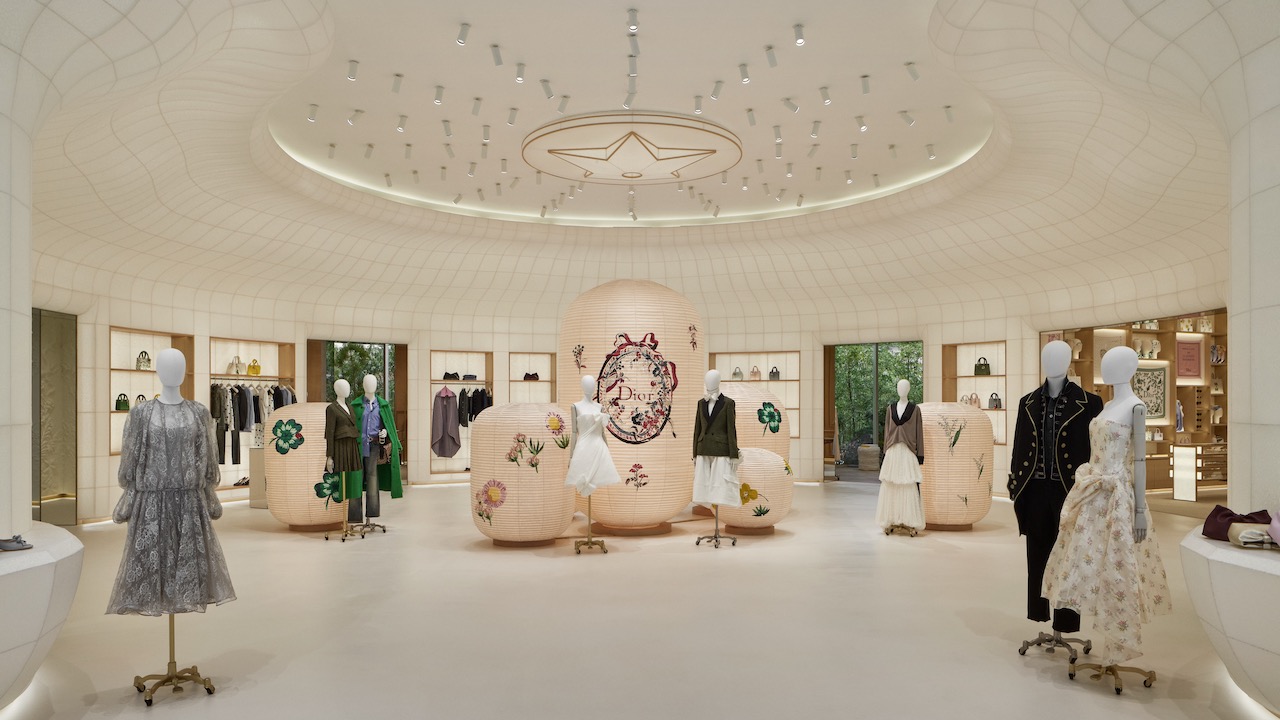
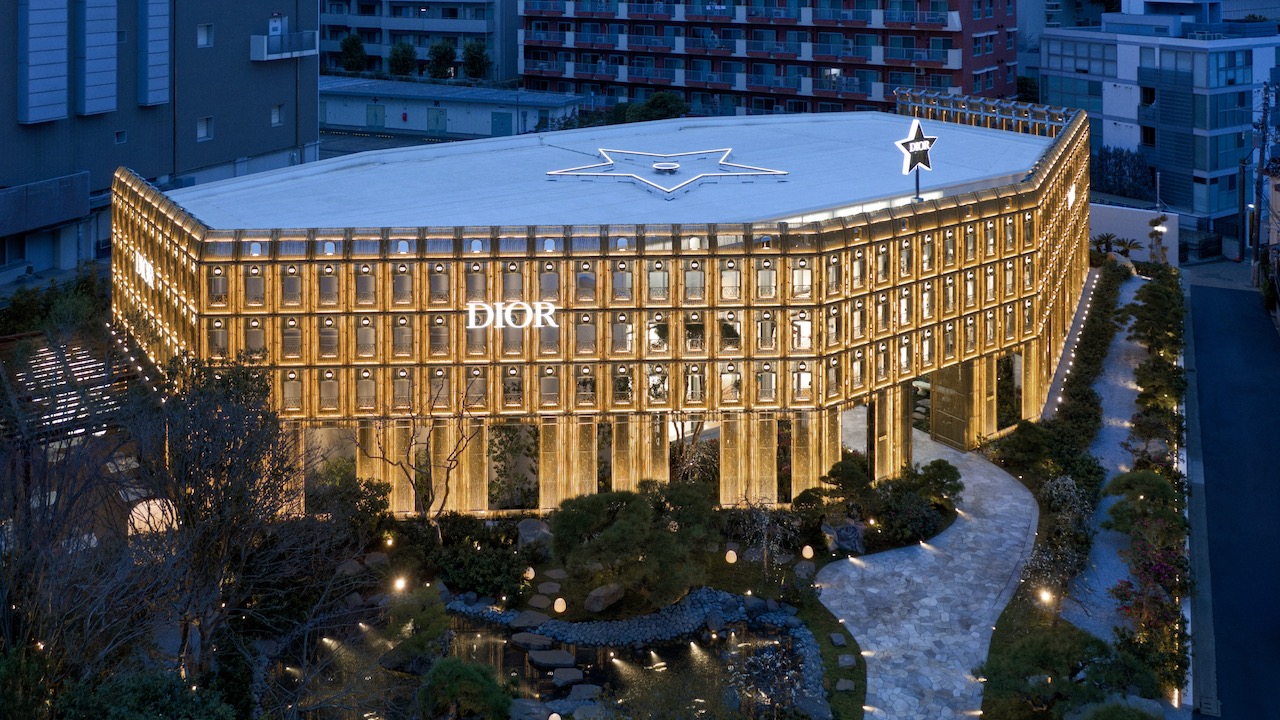
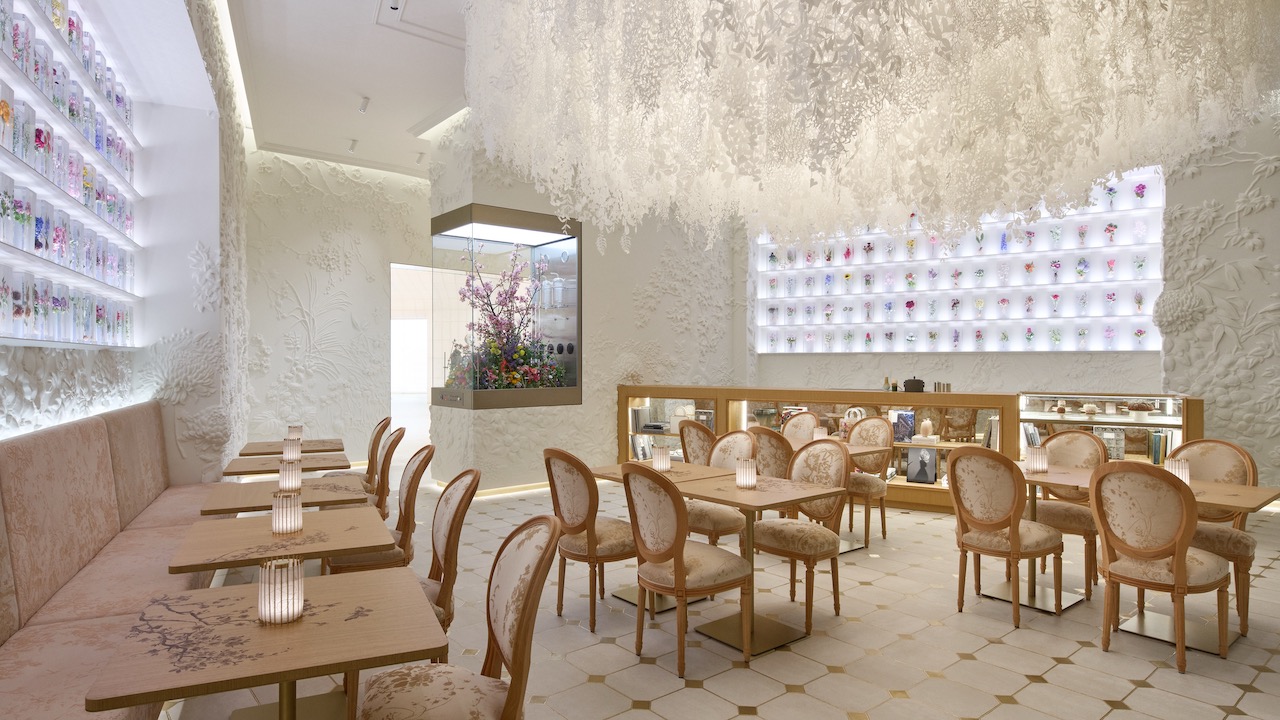
The Pavilion itself is a structural marvel, featuring a golden aluminum façade that mimics the verticality of a Japanese bamboo forest. Designed with a conceptual garden by Seijun Nishihata, the store serves as a bridge between the avant-garde spirit of Parisian design and the meticulous nature of Japanese artisanship.
Chronology of the Experience
- Launch: The initiative runs through March 2027.
- Daily Limitation: Due to the exclusivity of the access, the hotel is capping the package at one booking per day.
- The Itinerary: Guests booking the "A Touch of Dior" package are provided with a private, chauffeur-driven transfer to the Pavilion, followed by a guided tour. The experience continues at the Pavilion’s Café Dior, where guests enjoy a bespoke light meal curated by world-renowned French chef Anne-Sophie Pic. Upon returning to the hotel, the immersion continues with a "Miss Dior" cocktail at the Lounge Bar Privé and an in-room Dior-inspired floral installation.
Supporting Data and Implications
The partnership is more than a marketing exercise; it is an exploration of the common values shared by Dior and Japanese luxury standards: attention to detail, a reverence for nature, and a commitment to longevity. By including exclusive items like Les Bonbons Bouton de Christian Dior chocolates and personalized floral arrangements, the hotel reinforces the concept of "omotenashi"—the Japanese art of selfless hospitality—wrapped in the prestige of a global fashion icon.
The Philosophy of ‘Kamosu’: Fermentation as Wellness in Hokkaido
The Rise of Otaru Retreat
Located in the serene Asarigawa Onsen district, the 19-room Otaru Retreat by Onko Chishin (reopened in February 2026) is placing the Japanese concept of kamosu—the art of fermentation—at the heart of its guest journey.
The Science of Restoration
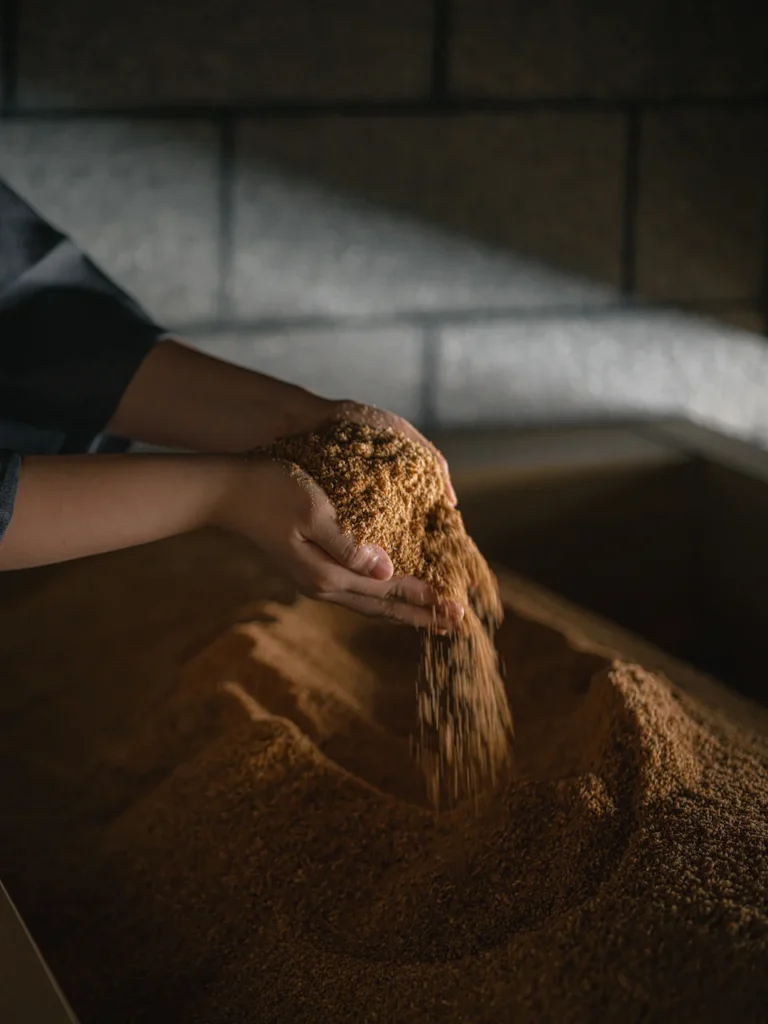
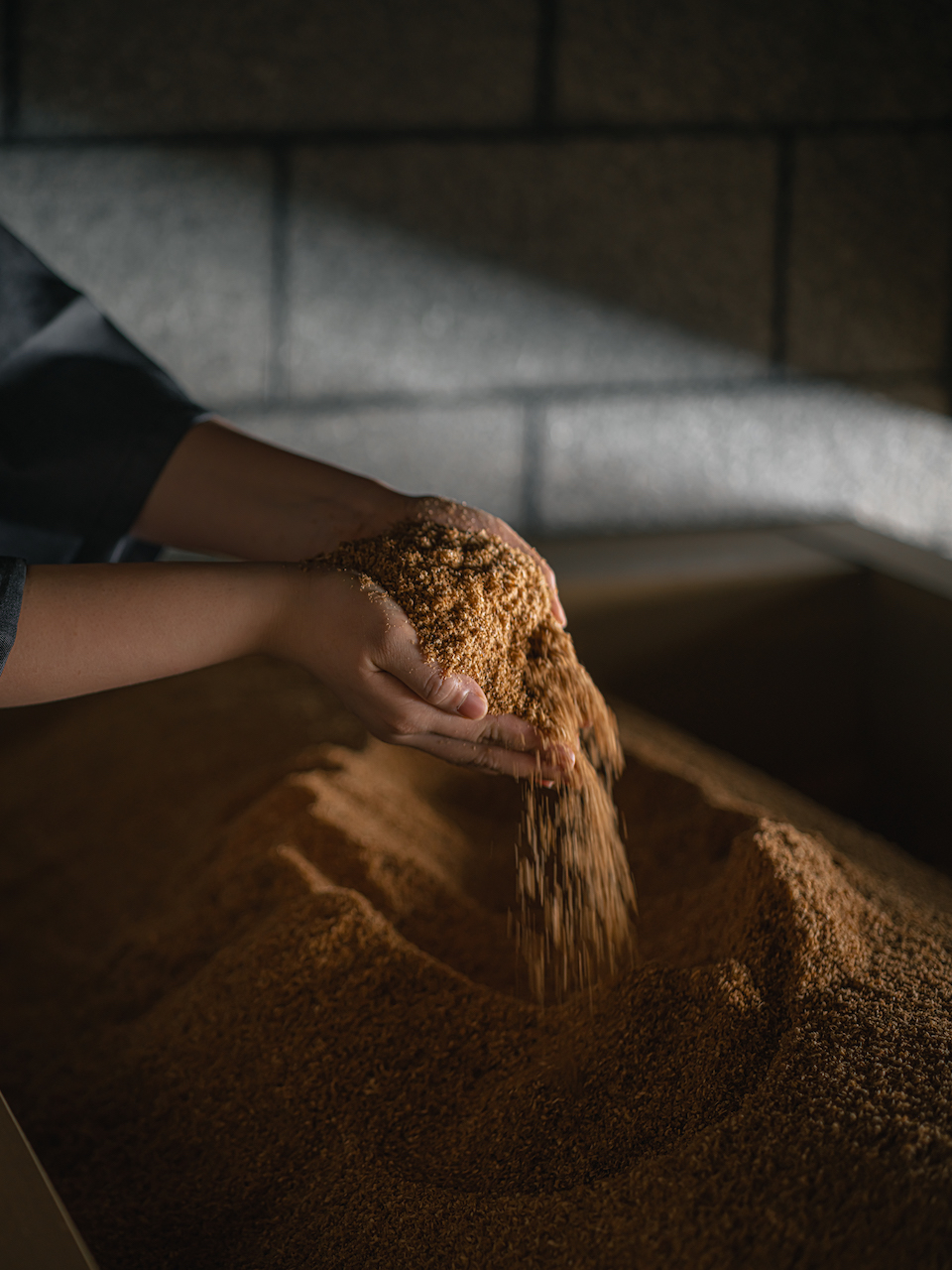
The retreat’s most daring innovation is the introduction of Hokkaido’s first in-property enzyme bath. Developed in partnership with the centenarian Otaru-based fermentation house, Ohtaka Enzyme, this treatment utilizes the heat generated by microbial activity within a bed of Hokkaido conifer sawdust.
Key Benefits of the Enzyme Bath:
- Microbial Synergy: Unlike traditional heat therapy, the enzyme bath uses fermented botanical extracts to trigger natural heat, which proponents claim penetrates deeper into the dermis.
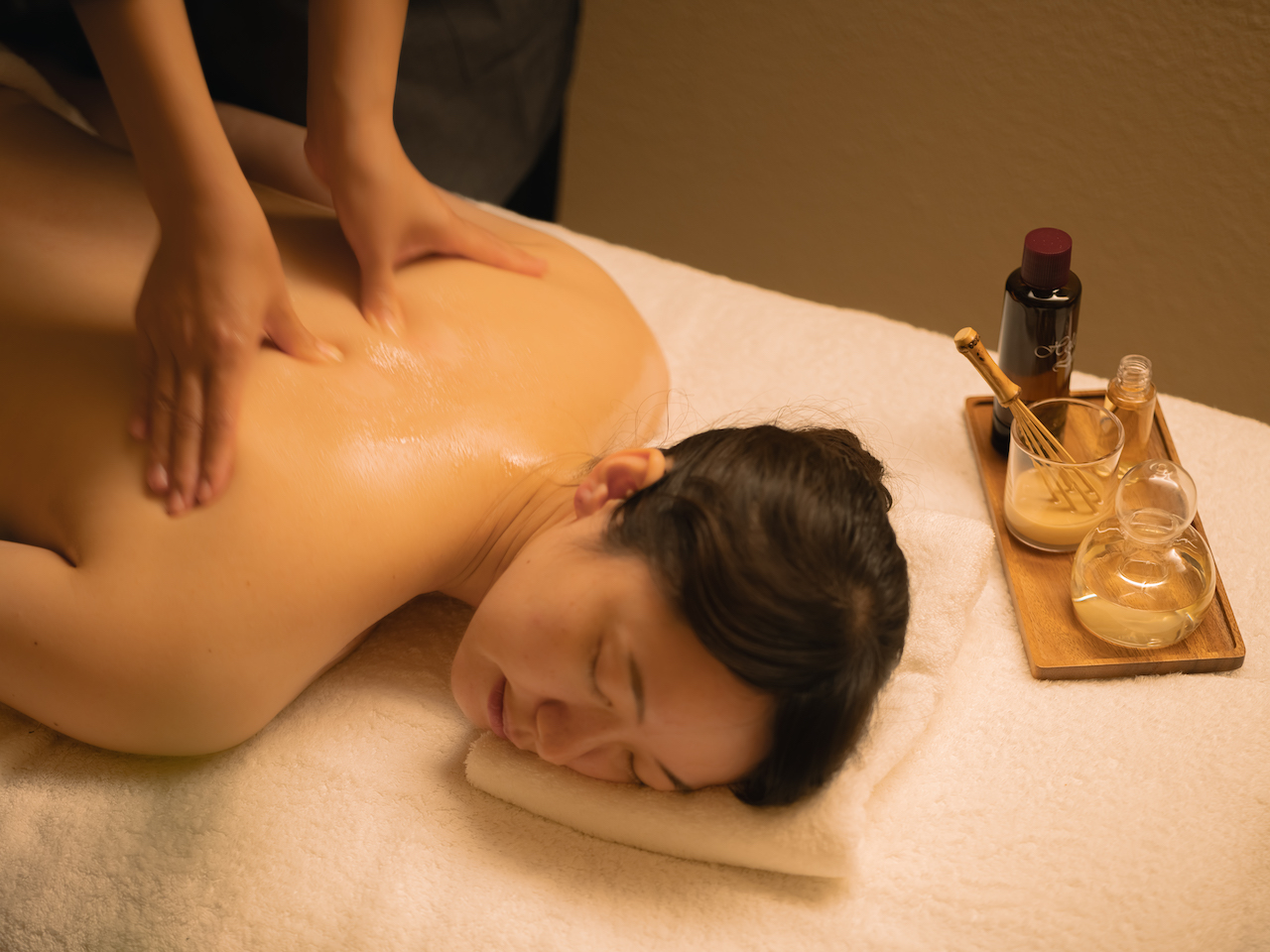
- Circulatory Health: The process is designed to stimulate blood flow, accelerate muscle recovery, and promote skin renewal through natural exfoliation.
- Holistic Aftercare: The retreat provides specialized skincare amenities from Ohtaka Enzyme to ensure the restoration process continues after the guest leaves the spa facility.
The Private Onsen Experience
For those seeking silence, the retreat’s Private Onsen Package offers an outdoor bath fed by the Asarigawa hot spring. The experience is augmented by a kumazasa (bear bamboo) infused sauna. This traditional steam ritual, known as löyly, is followed by a cold plunge, creating a thermal cycle that mirrors the "gradual transformation" philosophy of kamosu. The inclusion of locally sourced fermented beverages in the minibar completes a closed-loop wellness experience that connects the guest directly to the land.
Zen and the Art of Calligraphy: Zentis Osaka’s Cultural Residency
Official Response and Artistic Vision
Zentis Osaka has established its third annual "Art-in-Residence" program, aimed at preserving the tradition of shodō (Japanese calligraphy). The project features a collaboration with masters Baikei Uehira and Taiga Uehira.
"Calligraphy is not merely writing; it is a manifestation of the soul at a singular moment in time," noted Baikei Uehira during the exhibition launch in June 2026. By displaying 11 original works throughout the hotel’s public spaces, Zentis Osaka has transformed its lobby and common areas into a living museum.
The "Essence of Shodō" Package
The two-night immersive package provides more than just a stay; it provides a tutelage.
- Instruction: A private 60-minute lesson at the Seisho Calligraphy Association.
- Tooling: Guests are provided with a professional water-calligraphy set to continue their practice upon returning home.
- Sensory Integration: The package includes bath salts scented with Parfum Satori to mirror the meditative nature of the art form, alongside a traditional Japanese fan featuring a piece of calligraphy created specifically for the guest.
Implications for Modern Travelers
The program is a response to the growing demand for "educational luxury." Travelers are increasingly seeking to acquire a skill or a deeper understanding of local heritage rather than just souvenirs. By offering a direct line to masters like the Uehiras, Zentis Osaka effectively lowers the barrier to entry for international guests, turning an intimidating, ancient art form into an accessible and transformative practice.
Comparative Analysis: The Evolution of Japanese Hospitality
The common thread across these three distinct experiences—Palace Hotel, Otaru Retreat, and Zentis Osaka—is the departure from standard luxury toward "contextual luxury."
| Feature | Palace Hotel Tokyo | Otaru Retreat | Zentis Osaka |
|---|---|---|---|
| Theme | Haute Couture | Bio-Wellness | Traditional Arts |
| Target Audience | Fashion & Luxury Enthusiasts | Wellness Seekers | Cultural Historians |
| Key Offering | Private Dior Access | Enzyme Therapy | Calligraphy Mastery |
| Duration of Availability | Through March 2027 | Ongoing | Through March 2027 |
The Societal Shift
These hotel packages reflect a broader trend in Japanese society: the "Slow Movement." Whether it is the slow fermentation of the enzyme bath or the slow, deliberate strokes of the calligraphy brush, these experiences demand that the traveler pauses. In an era of instant digital gratification, the deliberate, time-consuming nature of these activities provides a necessary counter-balance.
Economic and Cultural Implications
From a tourism perspective, these initiatives are highly successful in driving high-value, low-volume engagement. By limiting bookings (as seen with the Palace Hotel’s one-per-day cap), these properties maintain an aura of exclusivity while ensuring that the cultural integrity of the experience remains intact.
Furthermore, these partnerships provide essential support to local artisans and heritage businesses. By integrating Ohtaka Enzyme’s century-old fermentation techniques or the Uehira family’s calligraphy lineage into the hotel ecosystem, these properties act as modern patrons of the arts. They ensure that traditional skills remain relevant in a globalized, digital economy.
Final Thoughts
Japan’s hospitality landscape is currently undergoing a period of profound refinement. The successful hotel of the future is no longer defined by the plushness of its linens or the height of its tower, but by the strength of its local narrative. Whether it is through the lens of a Dior-clad pavilion, the steam of a Hokkaido sauna, or the ink of an Osaka brush, Japan is inviting the world to participate in its history, one curated experience at a time. For the discerning traveler, these packages offer a unique chance to transition from a spectator of Japanese culture to a temporary, yet meaningful, practitioner of its most cherished traditions.