
For millennia, diamonds have captivated humanity, their brilliance and enduring allure making them the undisputed stars of the jewelry trade. Valued for over two thousand years, these precious gemstones are more than just symbols of wealth and love; they are complex marvels of nature, holding secrets within their crystalline structures. One such intriguing phenomenon is fluorescence – the emission of light when exposed to ultraviolet (UV) radiation. While many have heard of it, the intricacies of diamond fluorescence, its implications for gemological science, and its importance to collectors often remain shrouded in mystery.
This comprehensive exploration, drawing on the expertise of Pat Daly FGA DGA, delves into the fascinating world of diamond fluorescence. We will unravel what causes this ethereal glow, why it is a critical tool for gemologists, and what it means for the discerning diamond collector. From the microscopic defects that dictate a diamond’s luminous response to the advanced technologies employed for its identification, this article illuminates the science behind the sparkle.
The Luminescent Heart of the Diamond: Understanding Fluorescence
Diamonds, at their most fundamental, are composed of carbon atoms arranged in a highly ordered, three-dimensional lattice. A theoretically "perfect" diamond would consist solely of these carbon atoms, each bonded to four neighbors in a flawless structure. However, the reality of natural diamond formation is far more complex. Departures from this ideal structure, known as "defects," are not only common but also crucial to understanding a diamond’s unique properties.
These defects can manifest as chemical impurities, such as nitrogen and boron, or as "vacancies" – locations within the crystal lattice where a carbon atom is absent. It is precisely these imperfections that give rise to a diamond’s color and, critically, its luminescent responses. Gemologists leverage these responses as vital tools for identifying natural diamonds, distinguishing them from treated or synthetic stones, and understanding their origins.
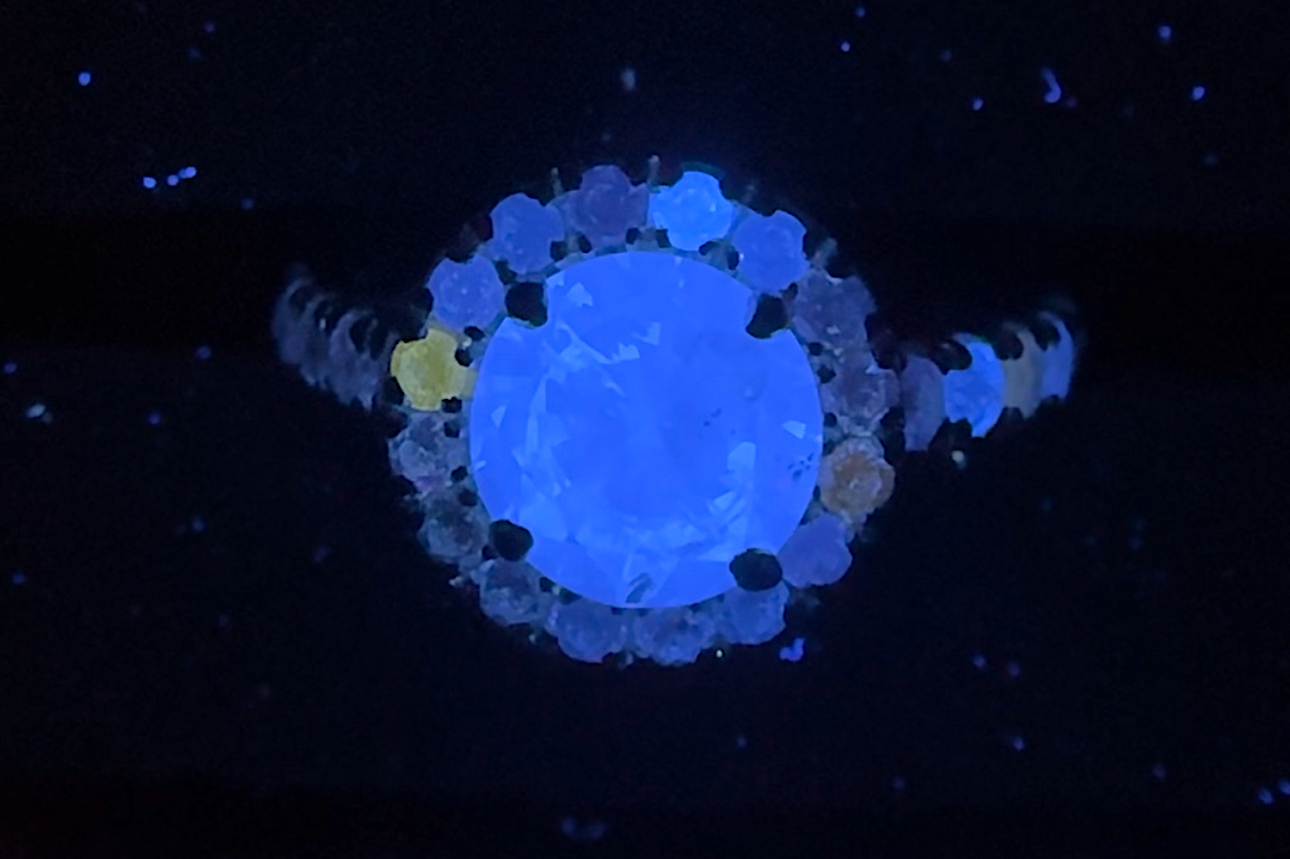
The scientific understanding of diamond’s composition and structure has evolved significantly over time. While its precious status was recognized for centuries, it wasn’t until the late 18th century that diamonds were definitively identified as being composed primarily of carbon. The early 20th century saw a surge in scientific interest, driven by the increasing industrial importance of diamond. This led to deeper investigations into its properties, structure, and chemistry, laying the groundwork for understanding phenomena like fluorescence.
A Spectrum of Imperfections: Type I vs. Type II Diamonds
Diamonds are broadly classified into two main types based on the presence and distribution of nitrogen and boron impurities: Type I and Type II.
Type I diamonds are characterized by the presence of significant amounts of nitrogen, typically in the hundreds of parts per million (ppm). Within this category, the behavior of nitrogen atoms significantly influences a diamond’s properties. Initially, nitrogen atoms are thought to be dispersed throughout the crystal lattice as single ions during the diamond’s formation in the Earth’s mantle. Over millions of years, these atoms tend to aggregate.
- Single Nitrogen Atoms: When nitrogen atoms exist individually, they can impart a distinct yellow color to the diamond. However, their contribution to fluorescence is minimal.
- Nitrogen Pairs: As nitrogen atoms pair up, they begin to influence luminescence. These pairs can "quench" fluorescence, meaning they reduce its intensity.
- Groups of Four Nitrogens and a Vacancy: A more complex aggregation involves four nitrogen atoms surrounding a vacancy. These specific aggregates are particularly significant as they are responsible for a prominent luminescent response – blue fluorescence under long-wave ultraviolet light – and often contribute to a yellowish hue in the diamond.
Type II diamonds, in contrast, contain very low levels of nitrogen, typically less than 10 ppm. This type is further subdivided:
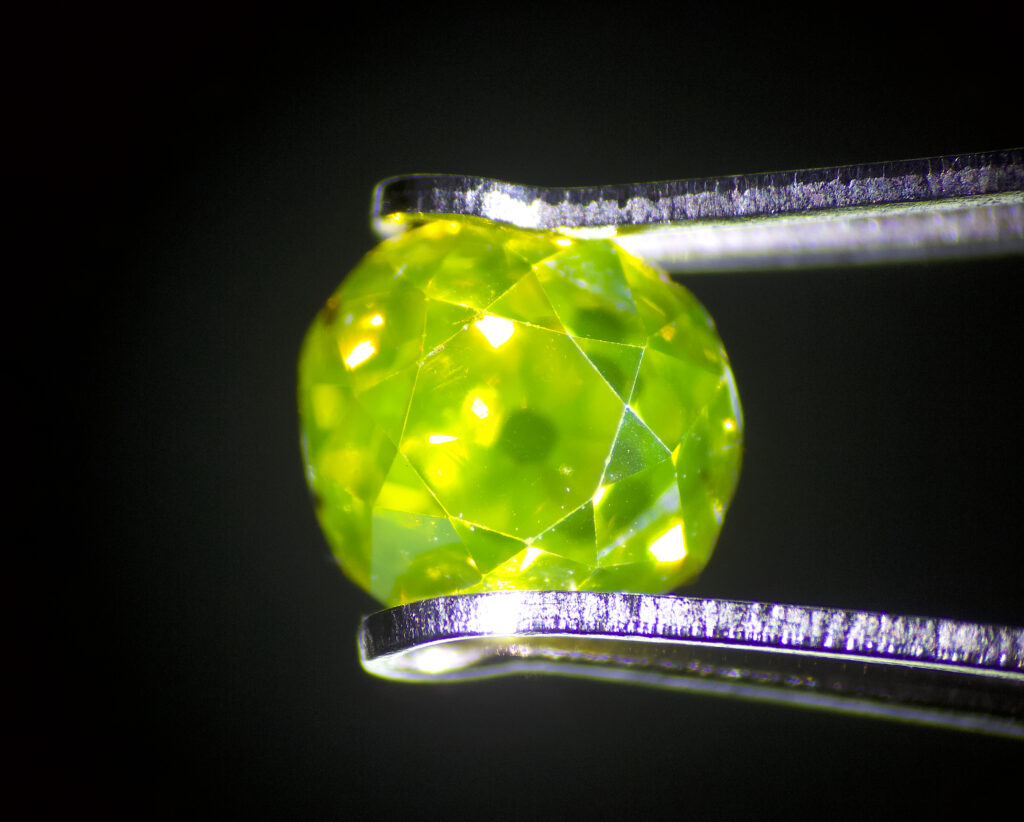
- Type IIa diamonds have exceptionally low nitrogen content. They generally do not exhibit strong fluorescence under standard gemological conditions. However, some rare naturally colored pink diamonds of this type can display an orange glow under long-wave UV light, attributed to a specific defect involving a nitrogen ion associated with a vacancy. This particular defect is uncommon in natural stones but is frequently observed in artificially colored and synthetic pink diamonds.
- Type IIb diamonds are distinguished by the presence of boron. Boron is the key element responsible for the captivating blue color of many diamonds and their characteristic luminescence. While Type IIb diamonds may show little fluorescence in long-wave UV, they often exhibit bluish, greenish, or orange-to-red fluorescence in short-wave ultraviolet. A notable characteristic of many natural blue diamonds is their phosphorescence – a lingering glow after the UV source is removed – which can last for up to a minute. The interplay of bluish and greenish glows with red phosphorescence has even been proposed as a method for identifying individual stones, particularly for recognizing recut diamonds from stolen rough.
The Dance of Light and Defects: Fluorescence Colors and Their Origins
The mesmerizing display of fluorescence in diamonds is a direct consequence of how different types of defects interact with UV light. While blue is the most commonly observed fluorescence, other colors can emerge depending on the specific structural anomalies present.
-
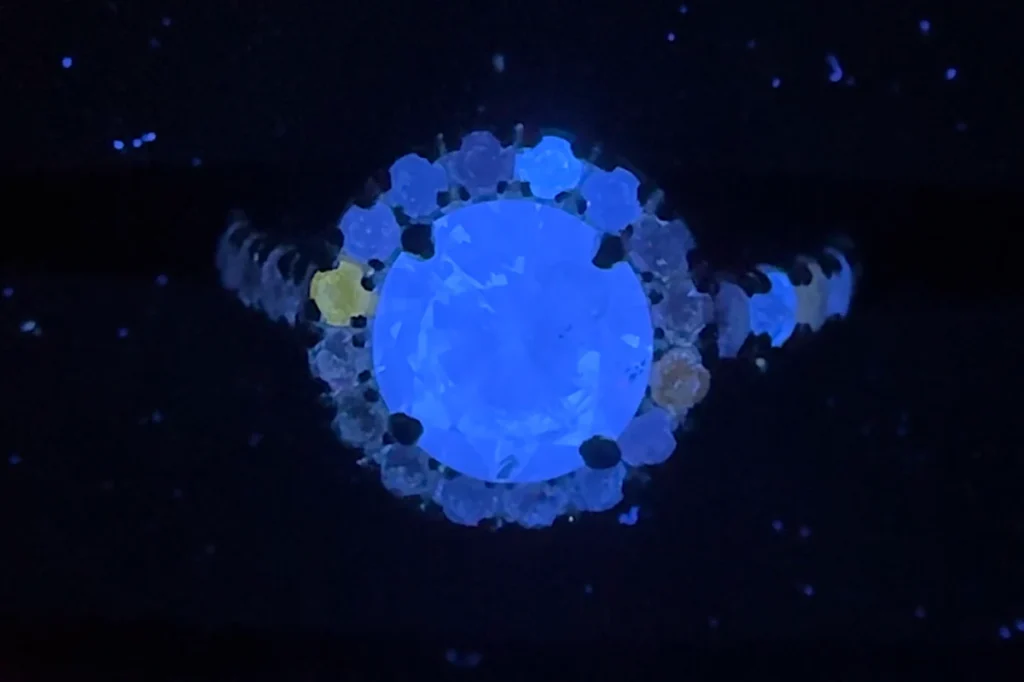
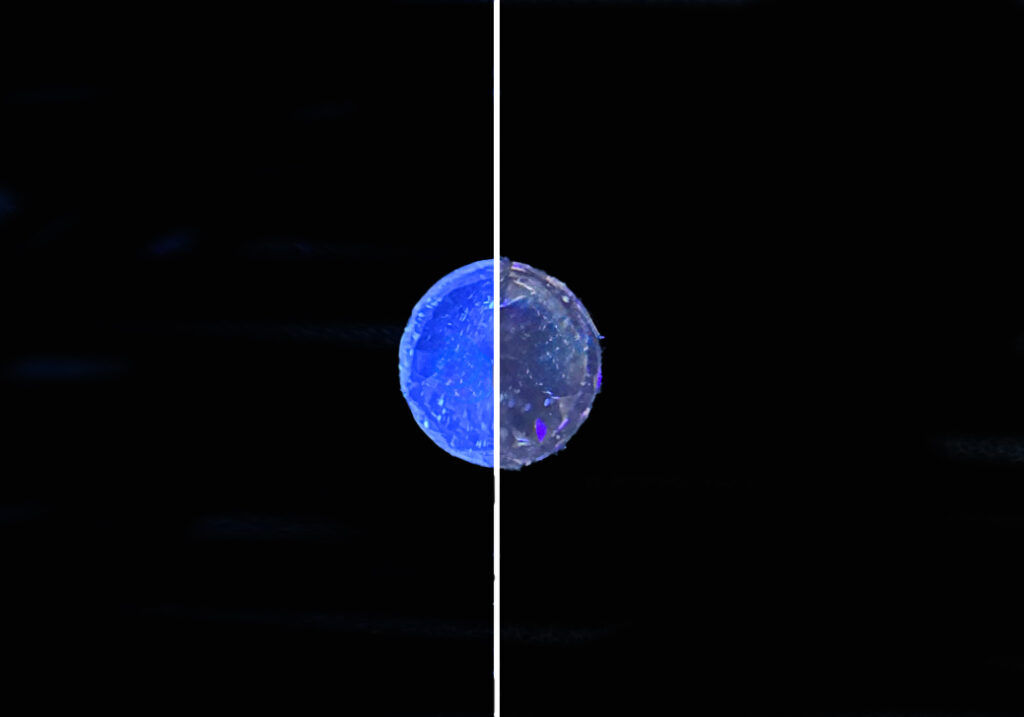
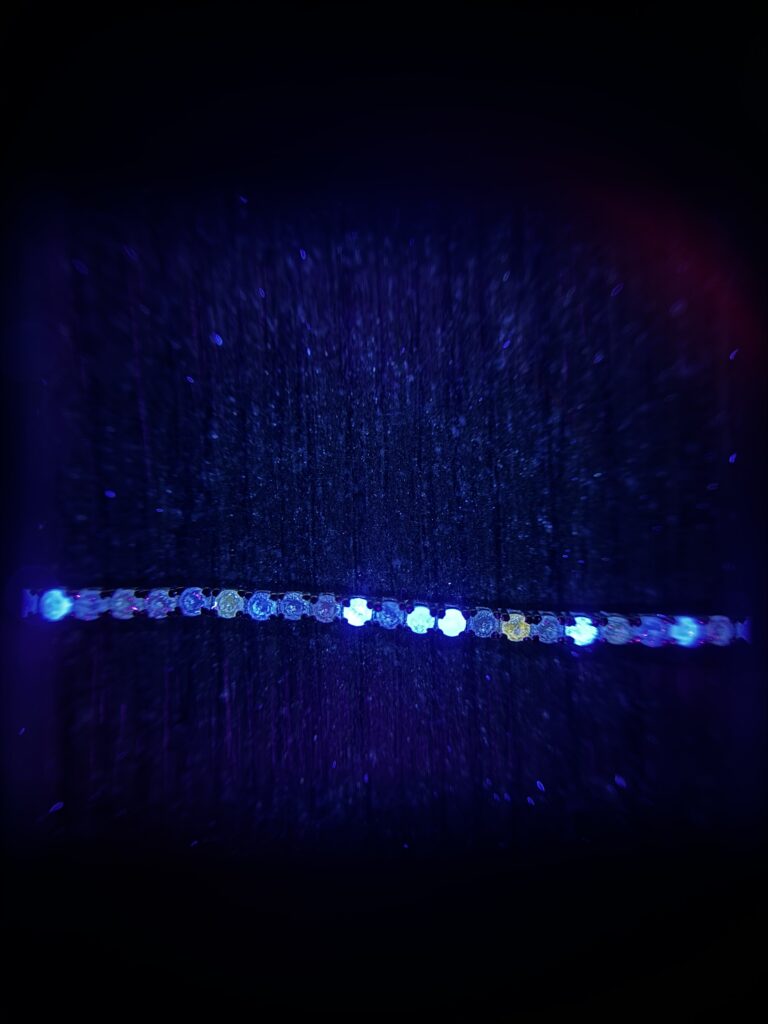
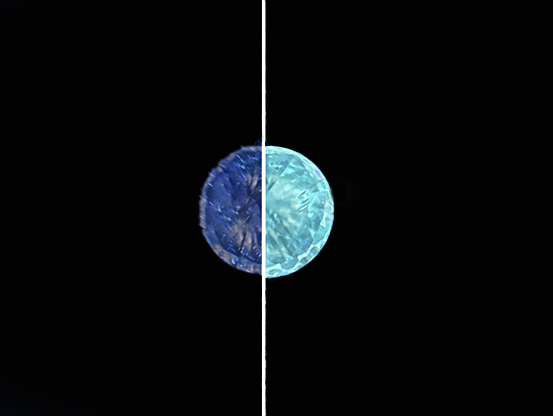
Blue Fluorescence: As mentioned, the most prevalent cause of blue fluorescence in natural diamonds is the presence of aggregates of nitrogen atoms (specifically, groups of three nitrogen atoms surrounding a vacancy). This phenomenon is so common that approximately 98% of natural diamonds contain these aggregates. The intensity of this blue fluorescence can vary significantly, from a faint glow to a very strong emission that can even be perceived under natural daylight due to the UV component. The strength of fluorescence is a standard metric on diamond grading reports, although opinions on its aesthetic impact vary widely within the industry and among collectors.
-
Green Fluorescence: This distinct color can arise when two nitrogen ions combine with a vacancy, or four nitrogen ions combine with two vacancies.
-
Orange Fluorescence: A single nitrogen ion paired with a vacancy is believed to be responsible for orange fluorescence.
-
Yellow Fluorescence: This color is often attributed to "platelets" – planar defects within the diamond structure composed primarily of carbon atoms with some interspersed nitrogen.
-
Pink Diamonds and Their Luminescence: The captivating color of pink diamonds is thought to stem from "dislocations," which are essentially faults or disruptions in the atomic structure caused by crystal distortions. These dislocations can interact with nitrogen. Most natural pink diamonds belong to Type I and consequently exhibit blue or yellow fluorescence.
The Gemologist’s Lens: Fluorescence as an Identification Tool
For gemologists, fluorescence is far more than a pretty visual effect; it is an indispensable diagnostic tool. The presence and nature of fluorescence can provide crucial clues about a diamond’s origin and authenticity.
-
Natural vs. Treated/Synthetic: The luminescent responses of natural, treated, and synthetic diamonds often differ significantly. For instance, treated pink diamonds and many synthetic pink diamonds exhibit an orange glow under UV light, a response that is relatively rare in natural pink diamonds. Similarly, high-pressure, high-temperature (HPHT) treated diamonds often display bright yellow and green body colors and exhibit strong fluorescence in similar hues.
-
Distinguishing Between Diamond Types: The classification of diamonds into Type I and Type II, and their respective sub-types, is directly linked to their impurity content, which in turn dictates their fluorescent properties. This allows gemologists to differentiate between these categories with a high degree of accuracy.
-
Identifying Treated and Synthetic Stones: The increasing sophistication of diamond treatments and the rise of synthetic diamond production necessitate advanced identification methods. Fluorescence plays a pivotal role in this regard. For example, blue fluorescence under long-wave UV is considered strong evidence of a natural diamond, as it is relatively uncommon in synthetic counterparts. Conversely, synthetic diamonds often exhibit different fluorescence patterns, such as an orange to yellow or greenish glow that is typically stronger in short-wave UV.
The Technological Frontier: Instruments for Detecting Fluorescence
The importance of fluorescence in diamond identification has spurred the development of specialized gemological instruments. These devices leverage the principles of luminescence to aid in the rapid and accurate screening of diamonds.
-
Long-Wave and Short-Wave UV Lamps: The most basic tools for observing fluorescence are UV lamps. Long-wave (LWUV) lamps, typically emitting at around 365nm, are commonly used. Short-wave (SWUV) lamps, with wavelengths around 250nm, are also employed. The difference in response under these two types of UV light can provide further diagnostic information.
-
Advanced Screening Devices: More sophisticated instruments have been developed to automate and enhance the detection of fluorescence. Devices like De Beers’ Diamond View and SYNTHdetect are designed to test multiple stones simultaneously, analyzing their colors and luminescence changes over short periods to differentiate between natural and synthetic diamonds. These instruments are crucial for the diamond trade, enabling efficient and reliable identification.
-
Understanding Growth Patterns: Even the faces of a growing diamond crystal can influence its luminescence. Defects accumulate at different rates on different crystal faces, leading to distinct luminescent responses. These patterns can be recognized even after the diamond has been polished, providing insights into its growth history. Natural diamonds typically grow as octahedra, while HPHT synthetics often exhibit prominent cube faces, and CVD-grown synthetics form in layers parallel to specific cube faces. These crystallographic differences, observable through their luminescence under UV light, contribute to identification.
The Collector’s Perspective: Value and Aesthetics
For diamond collectors, fluorescence is a multifaceted consideration. While some may view strong fluorescence, particularly blue, as a desirable characteristic that adds to a diamond’s unique personality and perceived value, others may prefer diamonds with no or very faint fluorescence, believing it can sometimes detract from the stone’s brilliance or make it appear slightly milky or oily.
Historically, the perception of fluorescence has evolved. In the past, strong blue fluorescence was sometimes associated with lower-quality diamonds, potentially due to its tendency to make yellowish diamonds appear whiter. However, with a better scientific understanding and the advent of advanced grading, this association is less rigid. Today, the impact of fluorescence on a diamond’s appearance is considered on a case-by-case basis, taking into account the color of the diamond, the strength and color of the fluorescence, and the viewing conditions.
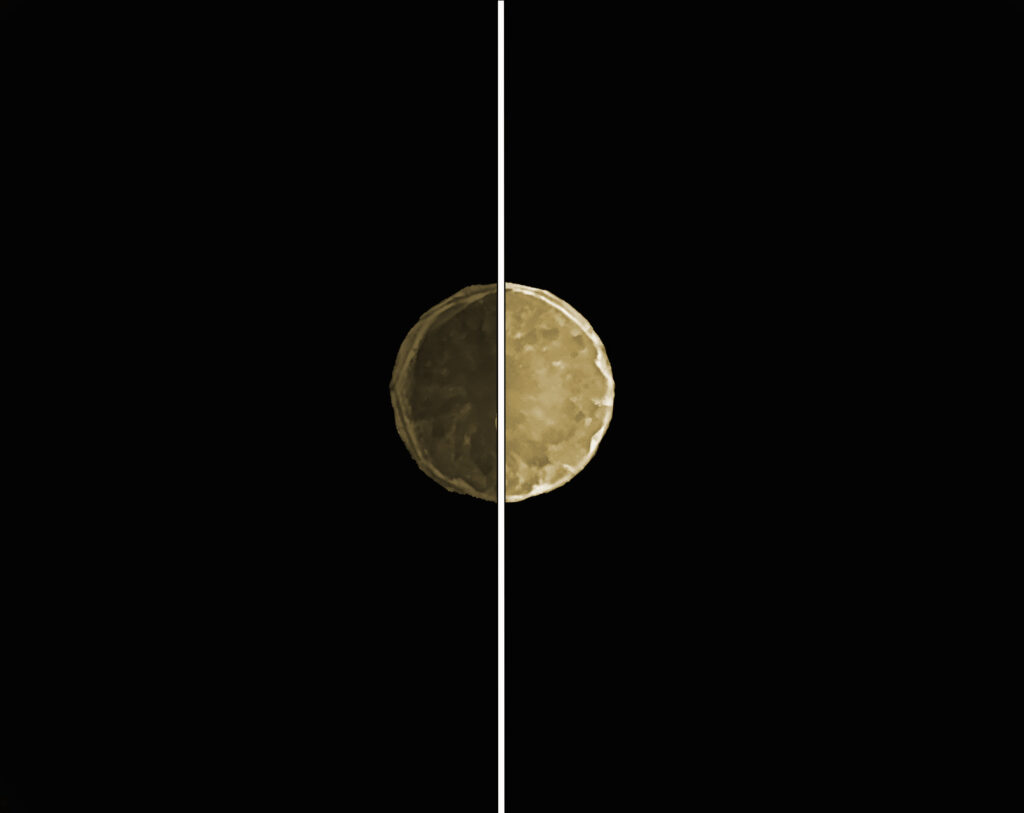
Furthermore, the unique luminescent properties of certain diamonds can contribute to their rarity and desirability. Collectors may seek out diamonds with specific fluorescence colors or intensities, viewing them as an added dimension to the stone’s inherent beauty and a testament to its natural origins. The knowledge that a diamond exhibits a particular glow under UV light can add a layer of intrigue and personal connection for the owner.
The Enduring Appeal: A Luminescent Legacy
In conclusion, diamond fluorescence is a captivating phenomenon that transcends mere visual appeal. It is a profound indicator of a diamond’s geological journey, a vital tool for scientific identification, and a significant factor for collectors. From the microscopic imperfections that orchestrate its luminous display to the cutting-edge technologies that help us understand and verify its authenticity, fluorescence underscores the enduring complexity and allure of the diamond. As our scientific understanding deepens, so too does our appreciation for these remarkable gemstones, revealing the hidden glow that makes each diamond a unique masterpiece of nature.
For those eager to delve deeper into the captivating world of gemology and the science behind these precious stones, introductory courses and accredited programs offer a pathway to further knowledge and expertise. The journey into the heart of a diamond, illuminated by the fascinating phenomenon of fluorescence, is one of continuous discovery and wonder.