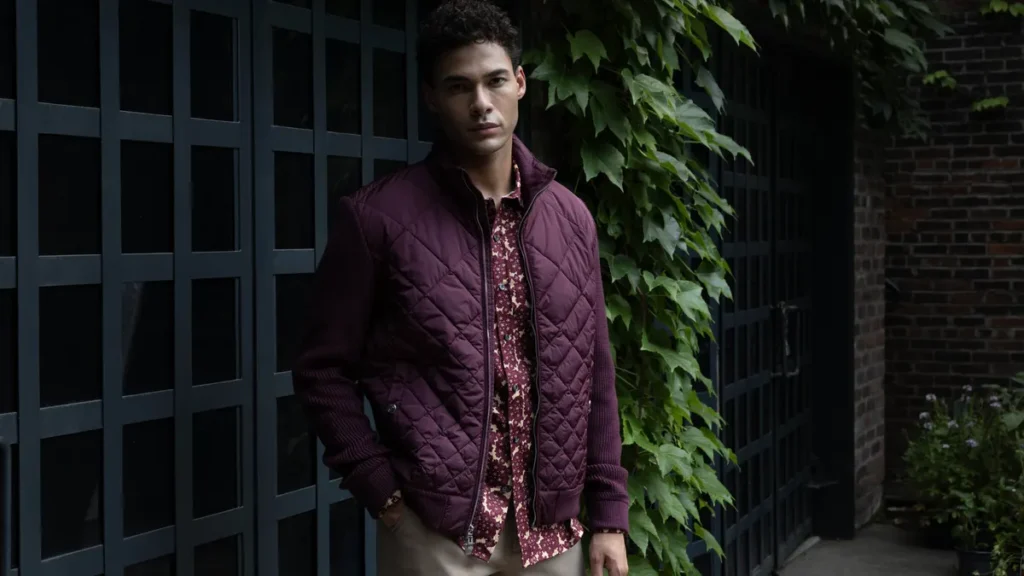
In a significant retail development, Authentic Brands Group (ABG) has launched "Ted by Ted Baker," a new, more accessible menswear collection now available at Macy’s U.S. locations and online. This launch marks a pivotal moment for the iconic British fashion house, which has navigated turbulent waters in the North American market over the past two years. By shifting toward a more relaxed, contemporary silhouette, the brand aims to redefine its identity for the modern, global consumer while leveraging the expansive reach of Macy’s department stores.
Main Facts: A New Chapter for a Heritage Brand
The "Ted by Ted Baker" collection, which officially debuted on August 14, represents a deliberate departure from the formal, high-end aesthetic typically associated with the mainline Ted Baker label—a collection that remains exclusively carried by the brand’s sister retailer, Bloomingdale’s.
Produced by United Legwear & Apparel Co. (ULAC), a long-time licensing partner for Authentic, the new line is positioned to offer "timeless style" with a focus on individuality. According to Gina Ottomanelli, senior director of creative design at ULAC, the collection was born out of a desire to marry the brand’s storied craftsmanship with the realities of modern, everyday life.
This launch is not merely a product expansion; it is a strategic maneuver by Authentic Brands Group to keep the Ted Baker name relevant in the U.S. following a period of extreme structural upheaval. By differentiating the product offerings between Macy’s and Bloomingdale’s, the parent company is attempting to capture a broader market segment—appealing to the budget-conscious and casual-leaning shopper at Macy’s while maintaining the prestige of the flagship label at Bloomingdale’s.
Chronology: From Peak to Pivot
The journey leading to this launch has been defined by rapid corporate shifts and a volatile retail environment.
- 2022: Authentic Brands Group, the retail giant known for its aggressive acquisition strategy, completes its acquisition of the U.K.-based fashion house Ted Baker, valuing the brand at approximately £211 million ($254 million).
- Early 2024: Following persistent financial challenges, Ted Baker’s North American retail operations file for bankruptcy. This filing triggers a cascading series of closures, effectively shuttering all of the brand’s brick-and-mortar storefronts and its e-commerce platform in the U.S. and Canada.
- August 2024: The U.K. business faces a similar fate, with reports confirming the closure of all remaining physical locations across Britain.
- August 14, 2024: Amidst the ashes of its former direct-to-consumer footprint, the brand finds a new lifeline. The "Ted by Ted Baker" collection launches at Macy’s, signaling a move toward a wholesale-centric model under the management of Authentic’s robust licensing network.
This timeline illustrates a classic "pivot" in modern retail: the transition from a standalone brick-and-mortar brand to a licensed intellectual property that thrives within the walls of established department store partners.
Supporting Data: Macy’s Turnaround Strategy
The integration of "Ted by Ted Baker" into Macy’s inventory is a tactical component of a larger, ambitious turnaround plan led by CEO Tony Spring. Spring, who transitioned to the role of CEO of Macy’s Inc. in 2024 after a highly successful three-decade tenure at Bloomingdale’s, has been focused on cross-pollinating the strengths of both retail banners.
The data supports the efficacy of this collaborative approach. By the first quarter of 2026, both Macy’s and Bloomingdale’s reported positive comparable sales. Furthermore, Macy’s Inc. achieved a 1.8% year-over-year increase in net sales.
This growth is particularly noteworthy given that, when Spring first took the helm, the company was grappling with significant sales declines and profit erosion. In a June address to analysts, Spring highlighted that the partnership between the two retailers has been a primary engine for growth. "We are trying to better understand underlying trends, geographic trends, and sharing where we see brand opportunities," Spring noted, emphasizing the importance of "learning from each other without becoming one another."
The "Ted by Ted Baker" deal is a prime example of this philosophy. It allows Macy’s to fill a gap in their contemporary menswear category with a recognizable, high-equity brand, while simultaneously allowing the brand’s owner to maintain a presence in the U.S. market without the overhead costs of managing standalone stores.
Official Responses: Defining the New Aesthetic
The creative vision for the collection serves as the bridge between the brand’s past and its future. Gina Ottomanelli of ULAC emphasized that the goal was to distill the "Britishness" of Ted Baker into a more accessible format.
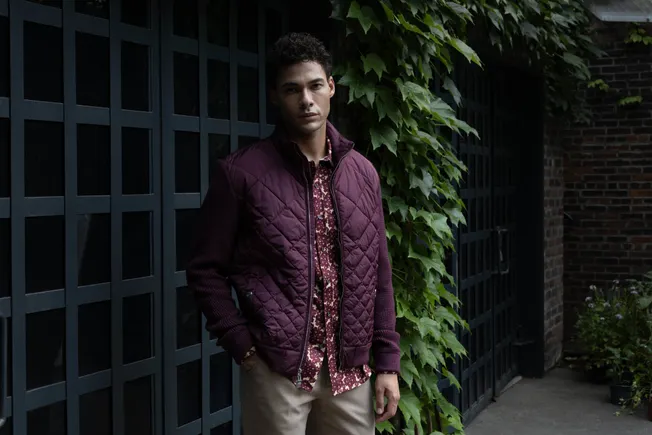
"Our vision for Ted by Ted Baker was to create a menswear collection that feels authentically British while speaking to today’s global consumer," Ottomanelli stated. "The collection reflects the craftsmanship and design heritage people associate with Ted Baker, reimagined through a more contemporary, relaxed lens. It’s about timeless style, individuality, and clothing that fits naturally into everyday life."
This emphasis on a "relaxed lens" is a direct response to the broader industry shift toward "athleisure" and smart-casual attire. By moving away from the stiff tailoring that dominated the brand in the early 2010s, the new collection aims to capture the demographic that prioritizes versatility over formality.
Implications: The Future of Brand Licensing
The "Ted by Ted Baker" launch has broader implications for the future of Authentic Brands Group and the retail landscape at large.

1. The Power of the "Asset-Light" Model
Authentic’s strategy—acquiring brands and then offloading the manufacturing and retail operations to specialized partners—is increasingly becoming the blueprint for mid-to-high-tier fashion. By partnering with ULAC, Authentic avoids the capital-intensive risks of managing a global retail chain, instead focusing on brand equity and marketing.
2. Department Store Symbiosis
For Macy’s, the partnership provides a needed injection of "brand-name" exclusivity. As department stores compete with direct-to-consumer startups, having a label like Ted Baker—even in a licensed, more casual format—provides a competitive edge. The ability to distinguish between "Ted by Ted Baker" (Macy’s) and the core Ted Baker line (Bloomingdale’s) allows the parent company to target two different customer segments simultaneously.
3. Resilience Through Adaptation
The survival of the Ted Baker brand, despite the total failure of its own physical store network, suggests that in the modern era, the brand is the asset, not the shop. Consumers, it appears, are more loyal to the aesthetic and the label than they are to the specific point of purchase. As long as the product remains available in a trusted retail environment, the brand identity remains intact.
Conclusion: A Blueprint for Survival
The launch of "Ted by Ted Baker" is a quintessential case study in retail resilience. By successfully navigating the wreckage of a bankruptcy-induced liquidation, the brand has found a path forward through strategic licensing and a partnership with a revitalized Macy’s Inc.
For the consumer, the collection offers a fresh, modern take on a classic British aesthetic. For the industry, it offers a lesson in the power of flexibility. As Tony Spring continues to iterate on his vision for the Macy’s-Bloomingdale’s ecosystem, the success of this new line will likely serve as a benchmark for future collaborations. Whether this "relaxed" iteration of a storied brand can sustain its momentum will depend on the brand’s ability to remain both accessible and desirable in an increasingly crowded global market. One thing is clear: the Ted Baker name, while stripped of its physical storefronts, is far from finished.