
London, UK – In the glittering world of precious stones, where rarity and natural beauty command astronomical prices, a pervasive practice often blurs the lines between authenticity and artifice. Dyeing, a relatively inexpensive and accessible treatment, stands as one of the most common methods employed to enhance the visual appeal of gemstones. From transforming inferior stones into deceptive imitations of high-quality gems to substituting less costly materials for their coveted natural counterparts, dyeing presents a complex challenge for both consumers and gemmologists alike.
This article delves into the intricate process of gemstone dyeing, exploring its historical roots, the scientific techniques involved, and the critical methods employed by experienced gemmologists to identify these treated materials. As Pat Daly, a respected Gem-A Gemmology Tutor, explains, understanding the nuances of dyed gemstones is not merely an academic pursuit but a fundamental responsibility within the gem trade to ensure transparency and prevent misrepresentation.
The Alchemy of Colour: How Gemstones Are Dyed
At its core, gemstone dyeing involves the introduction of colored substances into porous or fractured gem materials. This process primarily targets stones that are translucent to opaque, as their internal structure readily absorbs and retains dyes. However, even transparent stones, if heavily fractured either naturally or through deliberate intervention, can become susceptible to this treatment.
The dyeing process typically begins with pre-treatment to enhance the stone’s permeability. This can involve heating the material or subjecting it to chemical processes that widen existing fractures or create new ones, thereby increasing the surface area available for dye absorption. Once the stone is prepared, it is immersed in a solution containing dyes or pigments. The colour is then fixed within the stone through various methods, including chemical reactions, further heating, or by sealing the pores with wax or resin, which prevents the dye from leaching out.
The dyes themselves can be organic or inorganic. Organic dyes, while readily available and cost-effective, often pose a risk of fading when exposed to light or washing out when the stone becomes wet. This impermanence can be a tell-tale sign for a discerning eye.
A Spectrum of Transformations: Permanent Dyes and Ingenious Techniques
Beyond the temporary allure of organic dyes, more permanent solutions exist, born from innovative chemical treatments. A prime example of this is the practice developed in Idar Oberstein, Germany, a region renowned for its gemstone expertise. Here, agates are subjected to inorganic chemical treatments, resulting in a stunning array of colours that can mimic a wide range of precious stones. These artificially coloured agates have become a staple in the jewellery trade, offering vibrant and affordable alternatives.
Perhaps one of the most fascinating and historically significant dyeing techniques is the "sugar treatment." This method, often used to achieve a rich black colour, involves soaking porous materials like opal or agate in a hot sugar solution. The sugar, containing carbon along with oxygen and hydrogen, is then followed by immersion in hot sulfuric acid. The acid reacts with the oxygen and hydrogen, leaving behind the carbon within the stone’s pore spaces. This process imparts a deep black hue to opals, accentuating their play-of-colour, or creates an even black colour in agate, a rare and highly prized characteristic in its natural state.
The Purpose of Pigments: Enhancing Value and Mimicking Rarity
The motivations behind dyeing gemstones are multifaceted. Historically, dyeing was employed in decorative arts, such as colouring marble statuary. However, in the gemmological context, the primary driver is the enhancement of a stone’s perceived value and appearance. Dyeing can transform sub-transparent and even near-transparent stones, elevating their aesthetic appeal and making them desirable for jewellery.
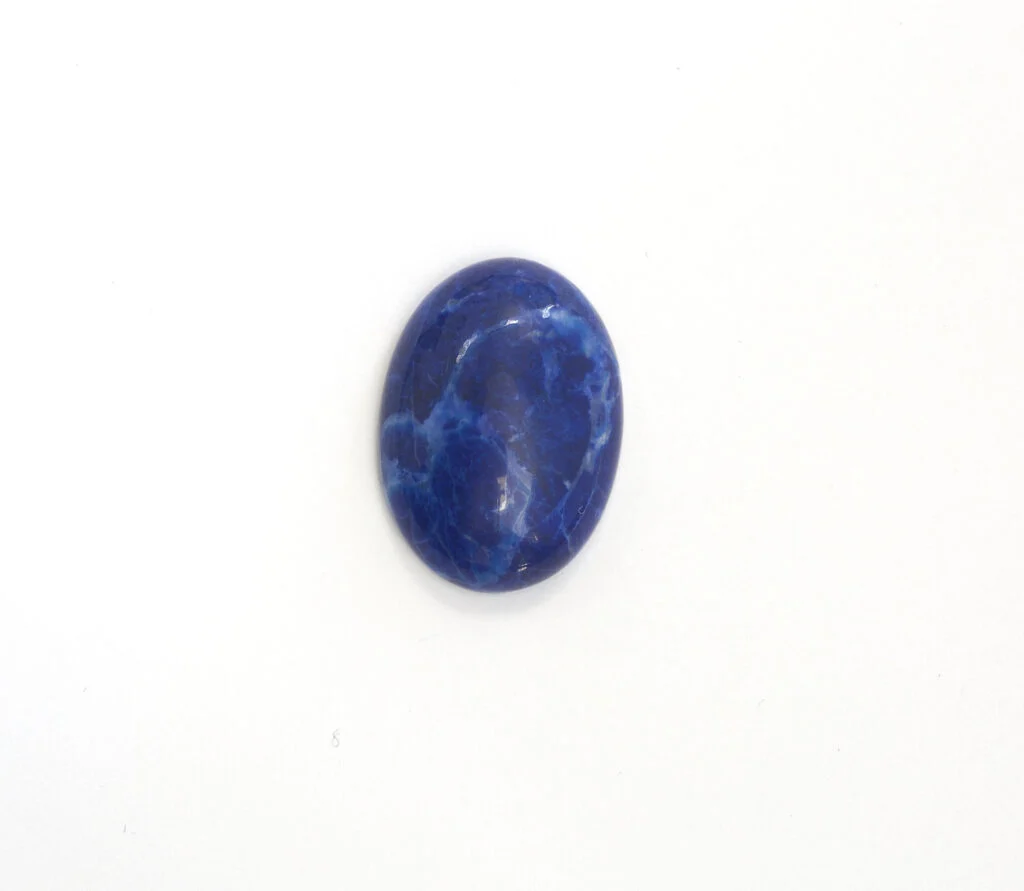
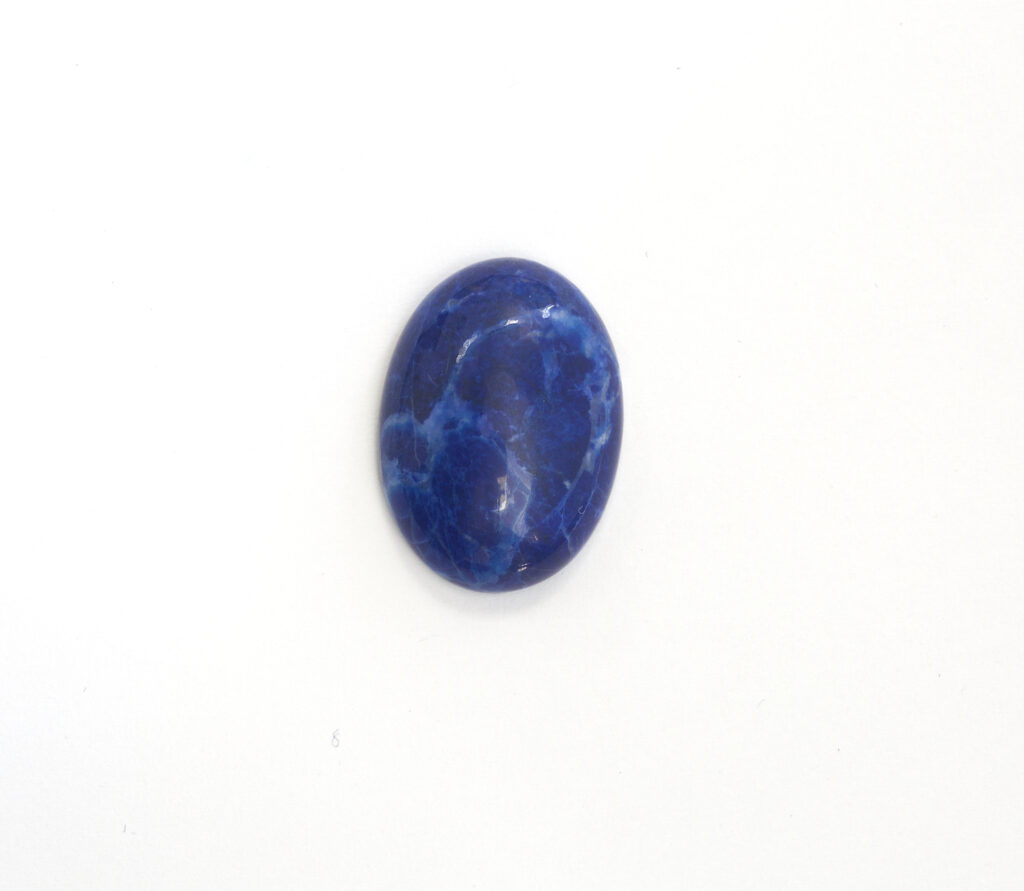
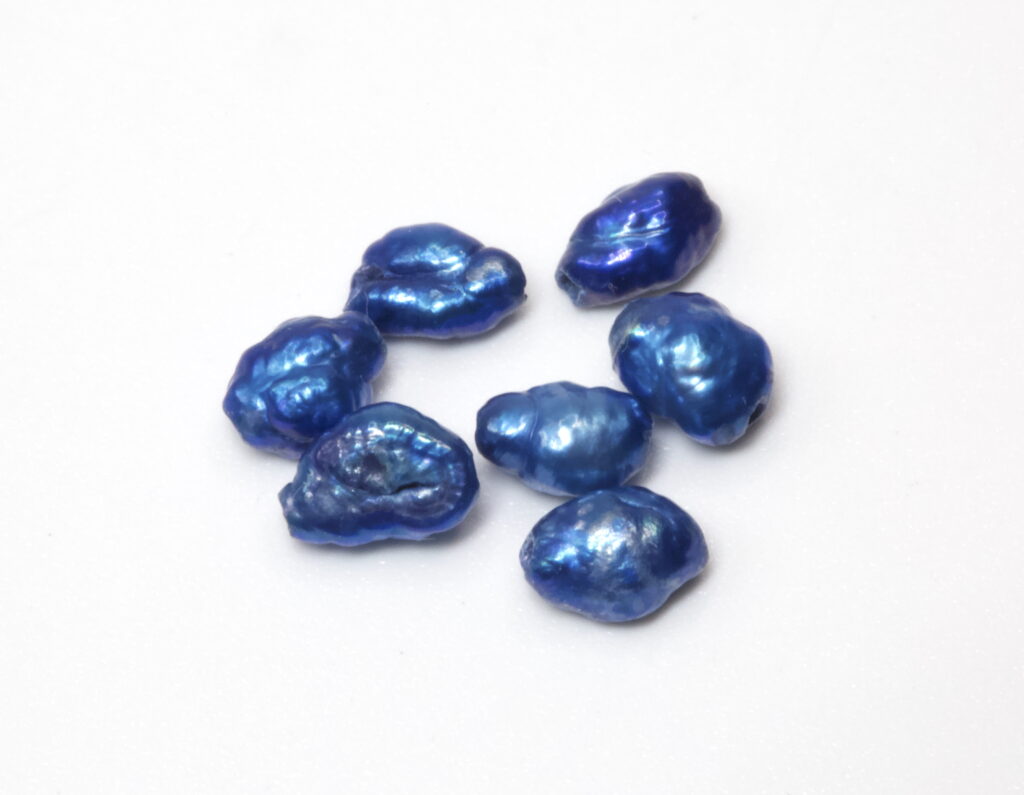
Commonly dyed materials include jadeite, opal, lapis lazuli, and pearls. These stones, when treated, can achieve vibrant colours that may be rare or entirely absent in their natural forms. Furthermore, dyeing allows less valuable materials like quartzite, magnesite, and marble to be presented as convincing imitations of more precious gems. Even corundum, the mineral family that includes rubies and sapphires, can be dyed to simulate these coveted gemstones, with pale stones being coloured red or blue. Similarly, quartz can be dyed to achieve virtually any colour imaginable.
The economic implications are significant. Dyed stones, whether they are genuine imitations or enhanced lower-quality specimens, possess considerably lower intrinsic value compared to the natural gemstones they resemble. This disparity underscores the critical importance of accurate identification for gemmologists, protecting consumers from potential fraud and ensuring fair market practices.
Unmasking the Deception: Visual Clues for the Trained Eye
Recognizing dyed gemstones requires a keen observational skill and an understanding of the tell-tale signs left behind by the dyeing process. Gemmologists employ a range of techniques, from simple visual inspection to advanced spectroscopic analysis, to uncover these treatments.
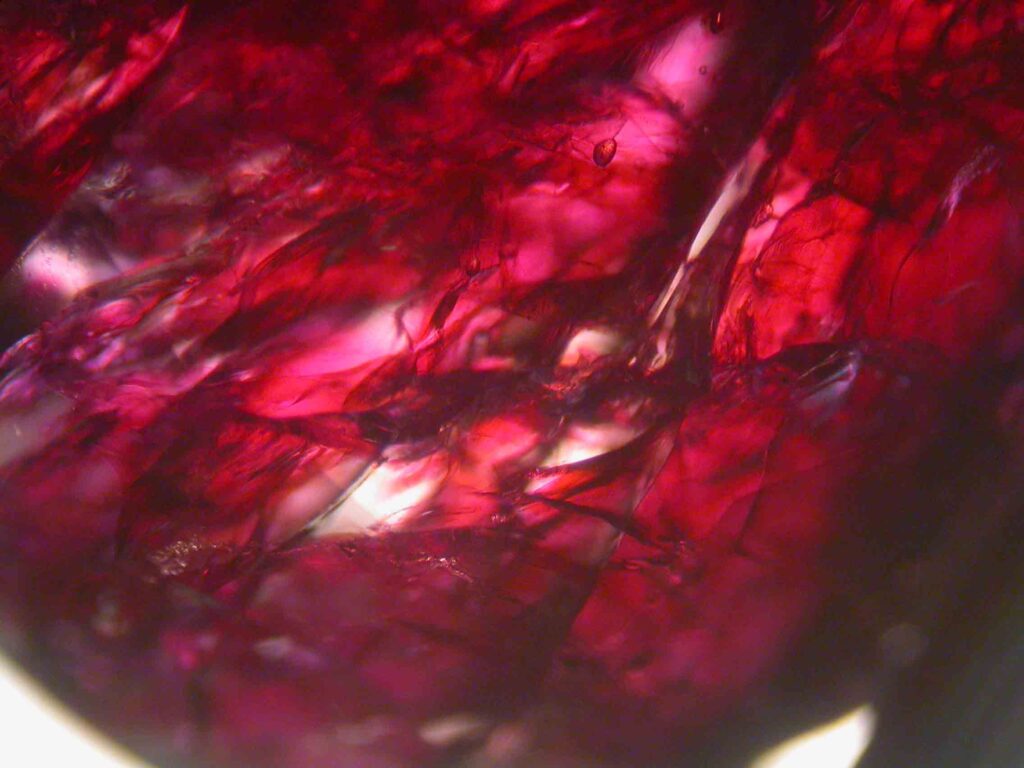
1. Colour Concentration in Pores and Fractures:
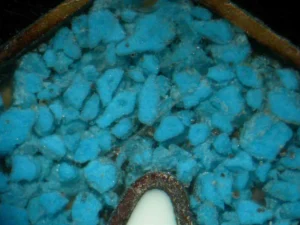
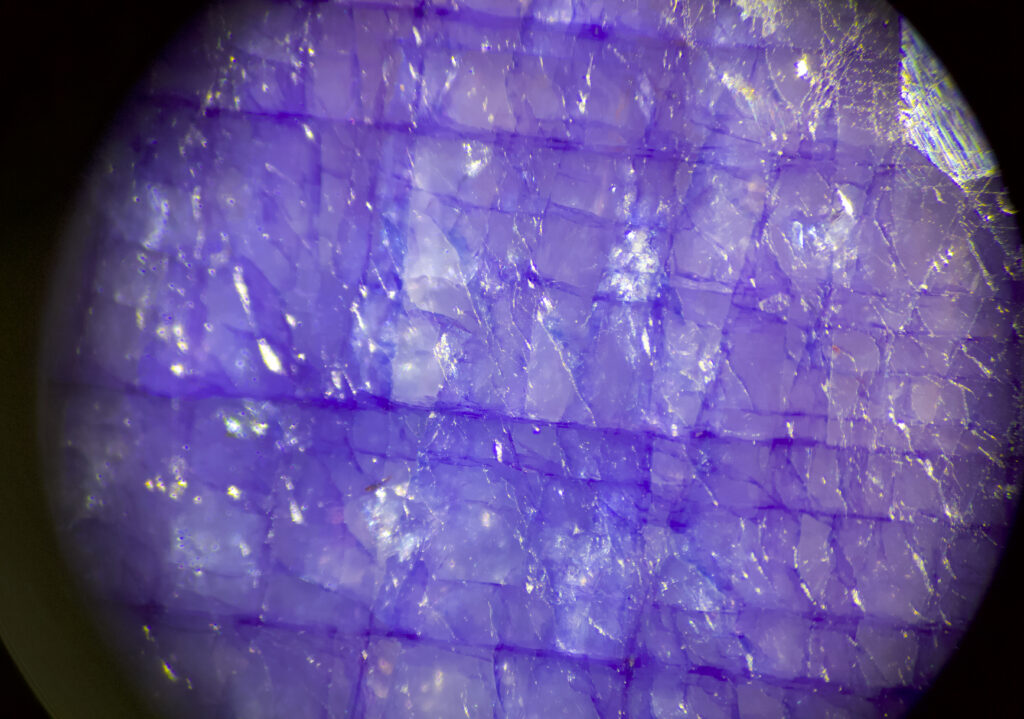
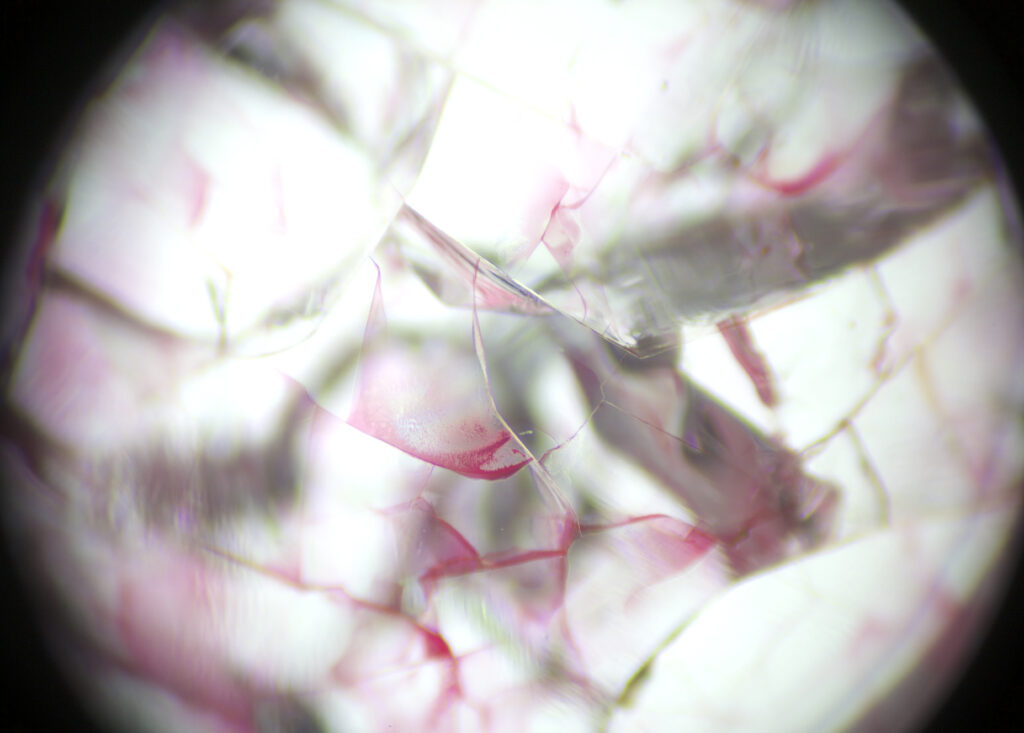
A fundamental characteristic of dyed stones is the uneven distribution of colour. Dyes tend to concentrate within the natural pore spaces and fractures of a gemstone. When examined closely with a loupe or microscope, this pooling of colour, often appearing as vivid lines or patches, can be a strong indicator of dyeing. However, gemmologists must exercise caution, as natural iron compounds can also create yellowish-brown to reddish-brown discolouration in fractures due to weathering, necessitating careful interpretation.
2. The Acetone Test:
A simple yet often effective test involves using acetone or a similar solvent. A small swab dipped in acetone, when rubbed against a dyed stone, may pick up trace amounts of the dye, revealing its colour. This test is not foolproof, as some dyes are insoluble in acetone, and others may be protected by a resin or wax coating, rendering them resistant to this method.
3. Absorption Spectra Anomalies:
Spectroscopy, a technique that analyzes how a material absorbs light, provides powerful insights into a gemstone’s internal structure and colouring agents. In dyed stones, the absorption spectrum often differs significantly from that of naturally coloured specimens. For instance, a pale corundum dyed red to resemble a ruby will not exhibit the characteristic spectral signature of a natural ruby, or if it does, it will be far too weak to account for the stone’s intense colour.
Similarly, the spectral analysis of dyed jadeite can reveal distinct differences. Naturally green jadeite typically displays a chrome spectrum with fine lines in the red region. Dyed green jadeite, conversely, may present broad bands in the red or three broad bands across the red to orange spectrum, lacking the characteristic fine red lines.
4. The Chelsea Colour Filter:
The Chelsea Colour Filter, a common tool in gemmology, can also provide clues. For example, chrysoprase, a naturally green variety of chalcedony, appears distinctly green when viewed through the filter. However, dyed green agate often shows a greyish to pinkish hue under the same filter, indicating a different origin for its colour.
5. Luminescence Under Ultraviolet Light:
The response of a gemstone to ultraviolet (UV) light can also be revealing. Some dyed stones exhibit unusual luminescence. For instance, dyed lavender jadeite may glow an intense orange under long-wave UV light, a phenomenon not typically observed in its naturally coloured counterpart. This differential luminescence can serve as a crucial identification marker.
6. Visual Examination of Specific Gemstones:
Certain gemstones have characteristic features when dyed. For example, dyed freshwater pearls may exhibit unnaturally uniform or intense colours. Dyed magnesite, often used as a substitute for turquoise, can show a less porous structure and a more artificial colouration. Dyed sapphire beads might display colour concentrations along their facet junctions or internal fractures.
The Double-Edged Sword: Advantages and Disadvantages of Dyeing
The widespread use of dyeing in the gemstone industry is not without its justifications, offering certain advantages for both manufacturers and consumers. The primary benefit lies in the expansion of the market’s offerings. Dyeing allows for a broader range of colours and increases the availability of aesthetically pleasing gemstones, often at a more accessible price point. This enables the creation of attractive and colourful jewellery pieces at lower costs, encouraging more adventurous and experimental designs by jewellers. Lower-quality materials can effectively substitute for more expensive gem varieties, democratizing access to beautiful adornments.
However, these advantages are juxtaposed against significant disadvantages, primarily centered around the potential for deception and fraud. The inherent difficulty in detecting dyed stones can lead to honest mistakes or deliberate misrepresentation. Consumers may unknowingly purchase treated gemstones, believing them to be naturally coloured and therefore more valuable. This erodes trust within the market and undermines the inherent beauty and value of genuine, untreated gemstones.
The Gemmologist’s Mandate: Ensuring Transparency and Integrity
In this landscape of enhanced gemstones, the role of the gemmologist becomes paramount. It is their responsibility to act as guardians of authenticity, ensuring that the integrity of the gem trade is upheld. This involves a continuous commitment to staying abreast of the latest treatment techniques, developing and refining identification methods, and possessing the expertise to accurately assess the nature and origin of a gemstone’s colour.
The ethical obligation extends beyond mere identification. Gemmologists must meticulously document their findings, labelling or describing treated stones with utmost clarity. This transparency empowers buyers and sellers, allowing them to make informed decisions based on accurate information. By diligently identifying and disclosing the presence of dyeing and other treatments, gemmologists play a vital role in preventing fraud, fostering consumer confidence, and preserving the true value of natural gemstones for generations to come. The art of deception in gemstones may be sophisticated, but with knowledge, vigilance, and ethical practice, its unveiling is always within reach.