Main Facts: The Emergence of a Global Artistic Powerhouse
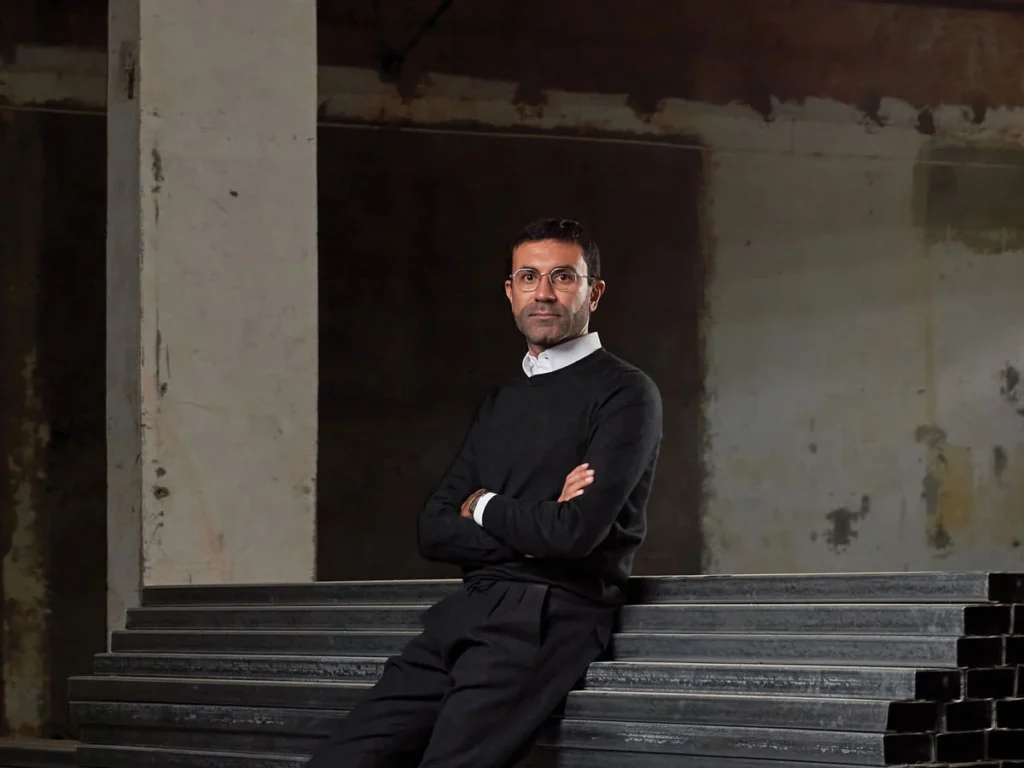
In the landscape of global contemporary art, few shifts have been as rapid or as intentional as the rise of Madagascar. Long overlooked by the traditional centers of the art world in London, Paris, and New York, the island nation has undergone a cultural metamorphosis over the last five years. At the heart of this transformation is Hasnaine Yavarhoussen, a Malagasy entrepreneur and collector whose strategic patronage has moved Madagascar from the periphery of the art world to its prestigious center stage.
Yavarhoussen, the CEO of the infrastructure giant Groupe Filatex, has transitioned from a private collector of international contemporary works to the primary architect of Madagascar’s national cultural brand. His journey reached a critical milestone in 2019 when Madagascar mounted its first-ever national pavilion at the Venice Biennale—an achievement largely made possible through his personal and corporate sponsorship. Since then, Yavarhoussen has established the Fonds Yavarhoussen and Hakanto Contemporary, a non-profit art space in the capital of Antananarivo, creating a sustainable ecosystem for Malagasy creators.
His mission is twofold: to provide a platform for local artists to thrive within their own borders and to ensure that Malagasy art is represented in the world’s most elite institutions. From donating significant works to the Metropolitan Museum of Art in New York to funding research scholarships at the Institut National d’Histoire de l’Art (INHA) in Paris, Yavarhoussen’s influence is redefining the relationship between African private wealth and national cultural heritage.
Chronology: From Private Collection to National Mission
2011–2017: The Formative Years
Hasnaine Yavarhoussen’s entry into the art world was not initially focused on his homeland. After studying economics and management in France and Spain, he returned to Madagascar in 2011 to join the family business, Groupe Filatex. His interest in collecting began in the late 2000s during a visit to a friend’s gallery in Paris. Encouraged by his father, he made his first significant purchase—a work by American artist David Ratcliff. For nearly a decade, his collection grew based on personal sensibility, focusing on global contemporary voices rather than a specific regional identity.
2018: The Pivotal Meeting
The trajectory of Malagasy art history changed in 2018 when Yavarhoussen met Joël Andrianomearisoa, an acclaimed artist who splits his time between Paris and Antananarivo. At the time, Yavarhoussen admitted to having limited knowledge of the artists in his own country; his collection did not yet feature Malagasy works. Andrianomearisoa challenged the businessman to look inward. The discussion focused on the potential impact of a Malagasy presence at the Venice Biennale. This meeting convinced Yavarhoussen to pivot his philanthropic focus toward the "relocalization" of Malagasy art.

2019: The Venice Breakthrough
In 2019, Madagascar became one of only four nations to make their debut at the 58th Venice Biennale. Sponsored by Yavarhoussen, the pavilion featured the work of Andrianomearisoa. The exhibition, titled I Have Forgotten the Night, received critical acclaim and signaled Madagascar’s arrival as a contemporary art force. This success led to the formal establishment of Fonds Yavarhoussen, a foundation dedicated to promoting Malagasy culture globally.
2020–2023: Institutionalizing the Movement
In February 2020, just as the global pandemic began to shift the art world’s dynamics, Yavarhoussen and Andrianomearisoa co-founded Hakanto Contemporary in Antananarivo. What began as a modest project evolved into a nearly 2,000-square-foot renovated warehouse space. This period saw the foundation expand its reach, supporting exhibitions at the Palais de Tokyo in Paris and commissioning works for the Zeitz MOCAA in Cape Town.
2024–2025: Global Integration
The most recent phase of Yavarhoussen’s strategy has focused on permanent institutional placement. In 2024, he donated Andrianomearisoa’s Les Herbes Folles du Vieux Logis (2022) to the Metropolitan Museum of Art. By 2025, the work was prominently displayed in the museum’s newly renovated Michael C. Rockefeller Wing, placing Malagasy contemporary art in direct dialogue with global masterpieces.
Supporting Data: The Scale of Impact
The impact of Yavarhoussen’s patronage can be measured through the growth of his collection, the reach of his foundation, and the economic footprint of his corporate ventures.
- The Collection: Yavarhoussen’s private collection now exceeds 500 works. While it began with international artists, it is now a premier repository for Malagasy and African modern and contemporary art. Key artists include Malala Andrialavidrazana, Christian Sanna, Ramily (Emile Rakotondrazaka), and the legendary South African artist Esther Mahlangu.
- Infrastructure and Power: As CEO of Groupe Filatex, Yavarhoussen oversees a company that provides approximately one-third of Madagascar’s total power needs. This industrial backbone provides the financial stability required for long-term cultural investment, a model often seen in the "Gilded Age" of the United States but rarer in the contemporary African context.
- Hakanto Contemporary: The physical space in Antananarivo serves as a hub for the local scene. It hosts a 400-work survey of Pierrot Men, Madagascar’s most celebrated photographer, and facilitates residencies and workshops that have bridged the gap between local talent and international curators.
- Academic Support: The Yavarhoussen Scholarship, in collaboration with the INHA in Paris, funds the research and publication of books on Malagasy art history. This ensures that the movement is not just a commercial success but an academic one, documented for future generations.
Official Responses: A Philosophy of Shared Visibility
Yavarhoussen’s approach to patronage is notably different from the "private museum" model favored by many billionaires. Rather than keeping his collection behind closed doors or in corporate lobbies, he emphasizes the necessity of public viewing.

"I don’t want to keep these pieces solely in storage, at home, or in my corporate offices," Yavarhoussen stated in a recent interview. "I want these pieces to be shared and seen."
He describes his work as a "relocalization mission," specifically referring to the acquisition of Malagasy modern art that left the country following its independence from France in 1960. By buying these works back from international auctions and private estates, he is effectively repatriating the nation’s visual history.
Joël Andrianomearisoa, serving as the artistic director of Hakanto Contemporary, has praised this synergy between private capital and artistic vision. He notes that the goal is not merely to "show" art but to "create a scene" that can sustain itself. This sentiment is echoed by international curators; the inclusion of Malagasy works in the Met and the Venice Dance Biennale (via project support for choreographer Soa Ratsifandrihana) suggests that the global art establishment now views Madagascar as a vital contributor to the contemporary canon.
Reflecting on the progress made since 2019, Yavarhoussen remains humble yet focused: "I think we’ve fulfilled our mission… [The donations and loans] are primarily intended to ensure greater visibility for Malagasy art and also breathe new life into the collection."
Implications: A New Blueprint for African Philanthropy
The success of Hasnaine Yavarhoussen’s initiatives carries profound implications for the future of the African art market and the role of private individuals in nation-building.

1. The Decolonization of the Narrative
By funding the research of Malagasy art history and repatriating works from the 1960s, Yavarhoussen is actively participating in the decolonization of Madagascar’s cultural narrative. He is ensuring that the story of Malagasy art is told by Malagasy voices, supported by Malagasy resources.
2. The Private-Sector Model for Cultural Diplomacy
Madagascar’s debut at the Venice Biennale was not a government-led initiative, but a private-sector one. This provides a blueprint for other African nations where state funding for the arts may be limited. It demonstrates that a single dedicated patron, working in tandem with a visionary artist, can achieve more in five years than decades of bureaucratic planning.
3. Economic Revitalization through Culture
The growth of Hakanto Contemporary and the international success of artists like Andrianomearisoa (who was recently nominated for the Prix Marcel Duchamp) creates a "halo effect" for Madagascar. It changes the international perception of the country from one defined by economic struggle to one defined by intellectual and creative sophistication. This, in turn, can foster tourism and international partnerships.
4. Institutional Sustainability
The focus on scholarships and museum donations ensures that the current "boom" in Malagasy art is not a temporary trend. By embedding Malagasy works into the permanent collections of the Met and the Ludwig Museum, and by funding the publication of art history books, Yavarhoussen is building an infrastructure that will outlast his own tenure as a collector.
In conclusion, Hasnaine Yavarhoussen has proven that the role of a modern art patron is not merely to buy and hold, but to build and share. Through his strategic interventions, Madagascar has claimed its rightful place in the global cultural dialogue, ensuring that the "Winds of Life"—much like the title of Pierrot Men’s retrospective—continue to blow favorably for the nation’s artists.