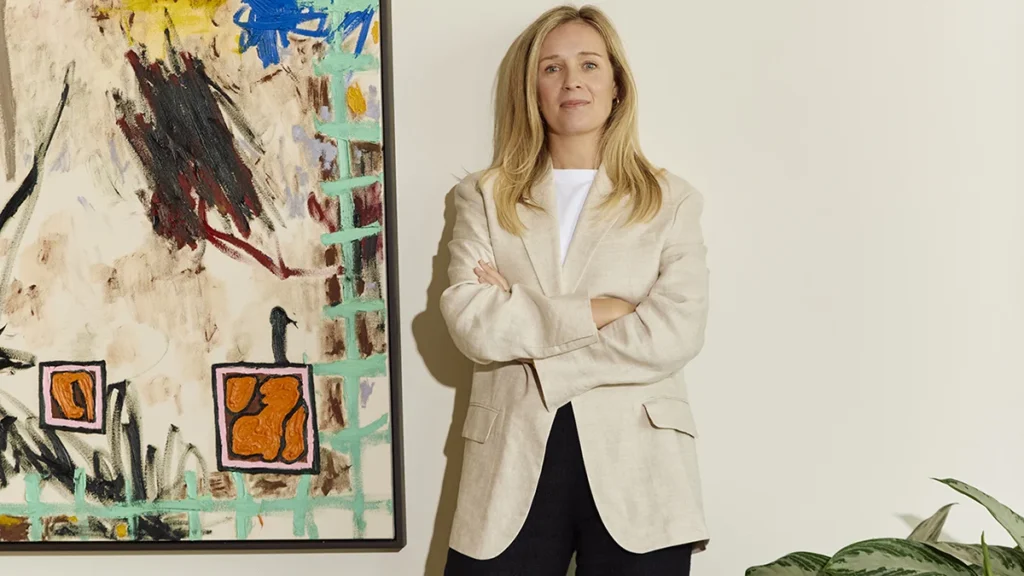
In the rarefied world of ultra-high-net-worth (UHNW) lifestyle management, the term "concierge" has long been a catch-all descriptor. It evokes images of hotel desk assistants or digital-first apps promising to secure a table at a Michelin-starred restaurant or a last-minute flight. However, for London-based firm Calder and Co, the term has become a vestigial relic—a label that fails to capture the complexity and depth of their operation.
Founded in 2021 by industry veteran Laura Fursdon, the firm is officially shedding the "concierge" title, repositioning itself as a "private office." While this linguistic pivot may seem subtle, it signals a seismic shift in how the ultra-wealthy are consuming bespoke services. In an era where access is no longer the primary currency, personalization, judgment, and holistic integration have become the new gold standard.
Main Facts: A Shift from Access to Expertise
At its core, Calder and Co has never operated as a traditional concierge service. Where standard models rely on a single, generalist assistant to fulfill requests, Calder and Co provides its members with a curated "personal board" of experts.
"If we’re thinking about the early 2000s, it was very much about access," says Fursdon, whose two-decade career in the UHNW sector informs the firm’s strategy. "But, as time has gone on, we feel that it’s less about access and more about what’s right for a particular person. Our whole ethos is being experts in our members, and having the judgment to be able to advise them properly."
The transition to a "private office" model reflects this shift. By moving away from the transactional nature of "concierge" work—which implies a service-provider relationship—toward a "private office" framework, the firm is emphasizing a collaborative, consultative partnership.

Chronology: Building the Blueprint for Modern Luxury
The trajectory of Calder and Co began with a clear identification of a gap in the luxury market. Before the firm’s inception in 2021, Fursdon recognized that many UHNW individuals were juggling multiple, siloed providers for their aviation, yachting, and lifestyle needs.
- 2021: Laura Fursdon establishes Calder and Co, aiming to move away from the "generalist" concierge model. The firm introduces a structure based on a global board of specialists.
- 2022–2023: The company refines its membership model, prioritizing deep-dive consultations over high-volume client acquisition.
- 2024: The firm solidifies its collaborative approach, integrating its specialist board more tightly to allow for cross-sector service requests (e.g., combining aviation with high-end cultural experiences).
- 2025/2026: The official repositioning to "Private Office" is announced. This period marks a focus on deeper alignment with family offices and high-level logistical management.
Supporting Data and The "Personal Board" Structure
The efficacy of Calder and Co lies in its decentralized, specialist-led structure. Rather than maintaining a call center of generalists, the firm employs a global board of experts, each ingrained in specific pillars of luxury: aviation, yachting, automotive, high-end dining, global culture, and well-being.
These advisors are not merely facilitators; they are industry insiders who monitor emerging trends, new asset launches, and shifting regulations. When a member submits a request, it is not passed to an administrative assistant, but to the specific expert—or team of experts—best suited to handle the nuance of that inquiry.
Case Study: The "Petrolhead" Entrepreneur
To understand the difference in approach, consider a recent request from a high-profile entrepreneur. The client was suffering from extreme burnout and requested a weekend of "recharge." A traditional concierge might have booked a top-tier luxury spa in the Alps.
Instead, the Calder and Co team analyzed the client’s personality—a self-professed "petrolhead"—and recognized that his version of rejuvenation required stimulation rather than sedation. They curated a trip to a private villa in Mallorca, but the centerpiece was not the villa itself; it was the inclusion of the client’s favorite motorcycle in the driveway. By mapping the client’s psychological needs to his specific passions, they provided a solution that a generalist would have likely overlooked.

Cross-Sector Collaboration
Another ongoing project highlights the "holistic" approach. The firm is currently coordinating a Deep South road trip for a client passionate about automotive history, blues music, and culinary arts. The team is integrating all these disparate interests into a single itinerary: private, behind-the-scenes access to recording studios, meet-and-greets with renowned musicians, and reservations at the most exclusive tables along the route. This requires the automotive expert, the music culture expert, and the dining specialist to collaborate seamlessly to ensure the logistics are flawless.
Official Responses and Strategic Vision
Laura Fursdon’s decision to rebrand as a "private office" is not a marketing gimmick; it is a response to the evolving demands of her clients. In recent interviews, Fursdon emphasized that the "concierge" label often led to misunderstandings about the depth of their work.
"We have experts who live and breathe those worlds and, therefore, are able to share their advice and expertise on every inquiry that comes in," Fursdon notes. By positioning the firm as a private office, she is setting an expectation that the team is there to act as a strategic partner.
The firm’s relationship with family offices is perhaps the most significant indicator of this evolution. While Calder and Co explicitly avoids managing investment portfolios, they provide the logistical infrastructure that supports the family office’s broader goals. This includes vetting management companies for yachts and jets, ensuring the physical assets of a UHNW family are managed with the same professional rigor as their financial assets.
Implications: The Future of High-End Service
The pivot of Calder and Co suggests several broader trends for the luxury industry:

- The Death of the Generalist: In an age where information is readily available via Google or AI, the "concierge" who simply finds information or makes a booking is becoming obsolete. The new demand is for curation and judgment.
- Hyper-Personalization: The future of luxury service lies in knowing the client better than they know themselves. The success of the "petrolhead" getaway demonstrates that anticipating a client’s emotional needs is far more valuable than fulfilling a rote request.
- The Rise of the "Private Office" for Lifestyle: Previously, family offices were strictly for financial and legal governance. We are now seeing a trend where lifestyle management is being folded into the private office structure, creating a single point of truth for both business and leisure.
Membership and Access
Calder and Co maintains a highly selective membership base. With annual fees starting at £25,000 (approximately $33,700), the firm is clearly positioned at the top tier of the market. There is no automated application process; instead, prospective members engage in a comprehensive "conversation" with the team.
"We chat through their passions, what’s on their wish list that they haven’t been able to realize, we discuss the family, we discuss the frustrations, pain points, and then we come up with a plan for them individually," Fursdon explains.
The high renewal rate among existing members confirms that this high-touch, consultative model is hitting the mark. By fostering deep, long-term relationships, Calder and Co has managed to insulate itself from the volatility of the broader "lifestyle services" market.
Conclusion
As the definition of luxury continues to drift away from mere exclusivity and toward the more elusive concepts of "time well spent" and "curated experience," firms like Calder and Co are finding themselves at the vanguard. By shedding the skin of a concierge and embracing the role of a private office, they are signaling to the market that they are not just providers of services, but architects of a lifestyle.
For the UHNW individual, the "private office" represents a sanctuary of competence. In a world of infinite choices, having a personal board of experts who can navigate the noise and curate the extraordinary is not just a luxury—it is the ultimate modern necessity. Whether it’s a weekend on a Mallorcan mountain road or a behind-the-scenes tour of a legendary recording studio, the new standard for service is defined by depth, judgment, and an unwavering commitment to knowing the client.