

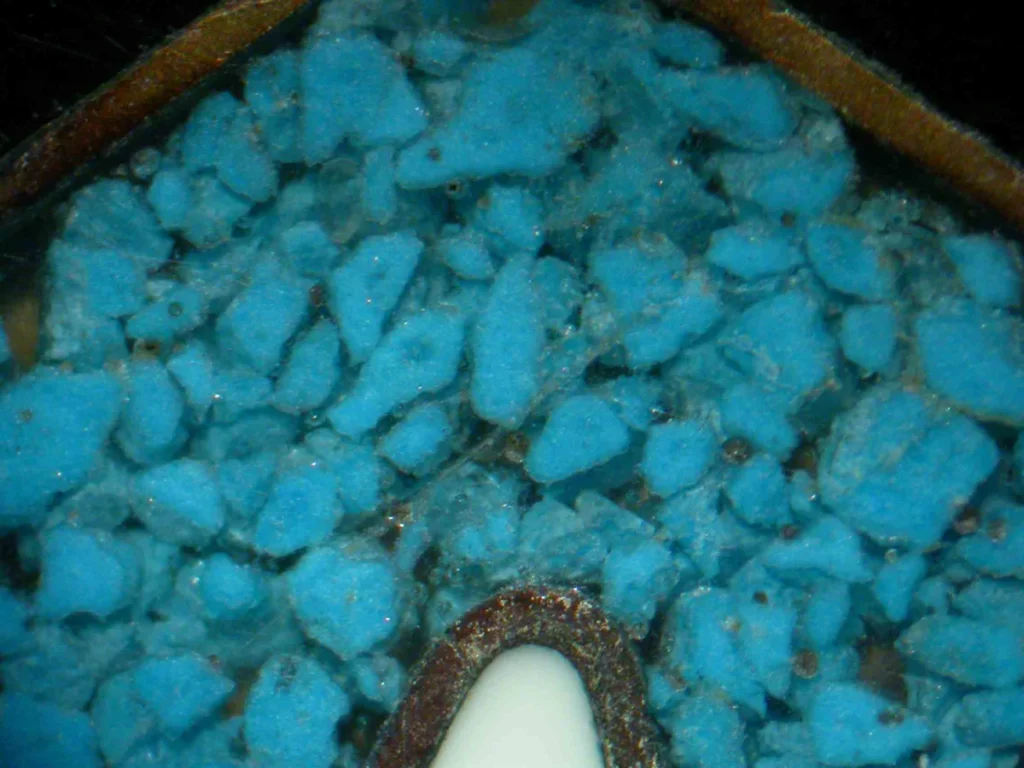
For centuries, the allure of gemstones has captivated humanity, their inherent beauty and rarity commanding immense value. Yet, nestled within the world of precious stones lies a fascinating and often underestimated domain: that of the simulant, particularly those crafted from glass. While gemologists routinely encounter artificial glass paste, its significance extends far beyond mere imitation. This intricate material, often dismissed as a cheap substitute, represents a rich tapestry of artistic innovation, technological advancement, and historical adaptation, transforming humble glass into an art form that has graced royal tombs and adorned the creations of master jewelers.
This exploration delves into the multifaceted world of glass paste, uncovering its historical roots, diverse manufacturing techniques, and the subtle yet definitive characteristics that distinguish it from its natural gemstone counterparts. From ancient Egypt’s quest for affordable adornment to the Art Nouveau masterpieces of René Lalique, the story of glass paste is a testament to human ingenuity and the enduring appeal of aesthetic expression.
The Enduring Appeal of Glass: A Historical Perspective
The notion that glass is merely a poor imitation of natural gemstones is a modern misconception that overlooks millennia of artistic and technological evolution. Throughout history, glass has been embraced not just for its ability to mimic, but for its own inherent qualities and the creative possibilities it offered.
Ancient Origins: From Protection to Ornamentation
In ancient Egypt, jewelry served a dual purpose: providing protection and enhancing personal adornment. The vibrant hues and intricate shapes of precious stones held deep symbolic meaning. However, obtaining prized materials like lapis lazuli from distant lands was often a costly and arduous undertaking. Glass emerged as a viable and economical alternative, capable of replicating the desired colors and aesthetics for even the most significant purposes. Its prevalence is vividly illustrated in the grave goods of Tutankhamun, where glass elements played a crucial role in the ornamentation of his iconic mask. This appreciation for glass as a gemstone simulant was not confined to Egypt; evidence of its use can be found in the archaeological records of Mesopotamia, China, Greece, and Rome, underscoring its widespread adoption across early civilizations.

The Renaissance and Beyond: Refinement and Innovation
As glassmaking techniques advanced, so too did the sophistication of its use in jewelry. During the Renaissance, glassmakers began to develop more refined methods for coloring and manipulating glass, leading to materials that could more convincingly emulate the brilliance and depth of natural gemstones. The development of lead crystal, for instance, enhanced the refractive properties of glass, allowing it to sparkle with a brilliance that rivaled diamonds.
The 18th and 19th Centuries: A Flourishing of Paste
The 18th and 19th centuries witnessed a golden age for glass paste in jewelry. In Europe, particularly, it became fashionable to wear exquisitely crafted paste-set pieces. The security offered by paste—its lower value making it less susceptible to theft—made it an ideal choice for elaborate adornment when ostentation was desired but risk was a concern. Well-made pieces from this era are now highly sought after by collectors, with some commanding prices in the hundreds to thousands of pounds today. This period also saw the emergence of specific glass types that mimicked precious stones with remarkable fidelity. The renowned Russian jeweler Fabergé, for instance, masterfully employed red devitrified glass, known as purpurine, in intricate carvings that are now considered highly collectible and valuable artifacts.
The Art and Science of Creating Glass for Adornment
The versatility of glass in jewelry lies in the diverse methods of its production, each offering unique aesthetic and imitative qualities. Gemologists recognize three primary ways in which glass has been utilized in adornment, all of which have roots stretching back to antiquity.
1. Paste: The Cornerstone of Simulants
Paste, in its purest sense, refers to a high-lead glass specifically formulated for its brilliance and refractive properties, designed to mimic precious gemstones. The process involves melting carefully selected ingredients, including silica (the primary component of glass), various coloring agents, and chemical additives that enhance its workability. Once molten, the glass can be molded into intricate shapes or cut and polished from solid blocks, much like natural gemstones.
The remarkable adaptability of paste allows it to achieve a wide spectrum of visual effects. It can be rendered transparent or opaque, imbued with any conceivable color, and engineered to replicate the textures and patterns found in virtually any gemstone. To further enhance its mimicry, particularly of stones like diamonds and corundum, paste is often foil-backed when set in jewelry. This thin metallic layer reflects light back through the glass, amplifying its brilliance and mimicking the high refractive index of these precious gems.
Beyond mere color and sparkle, advancements in paste production have enabled the creation of sophisticated optical phenomena. Techniques have been developed to produce effects such as:
- Cats-eyes: The characteristic band of light seen in certain gemstones, achieved through specific internal structures.
- Iridescence: Shimmering, rainbow-like effects that add depth and dynamism.
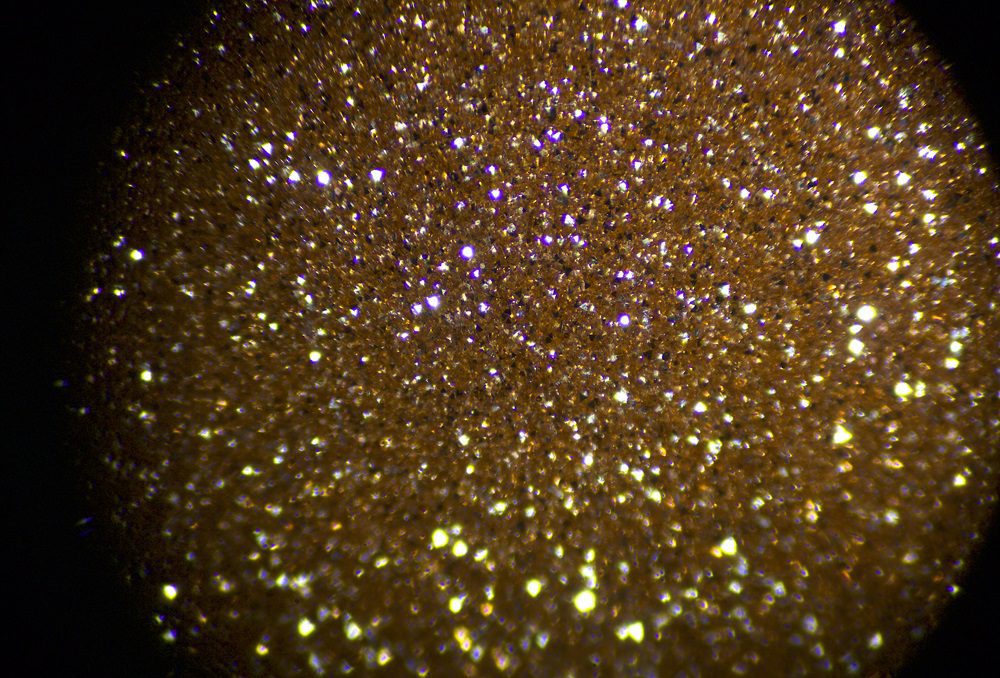
- Aventurescence: The glittering effect caused by tiny, reflective mineral inclusions, famously seen in goldstone.
- Asterism: The star-like effect seen in star sapphires and rubies, achieved through specific internal crystallographic arrangements.
A particularly fascinating variation is devitrified glass. This process involves adding specific ingredients that crystallize at a higher temperature than that at which the glass solidifies. This results in the formation of fine, needle-like to branching crystallites within the glass matrix, which can closely resemble the polycrystalline structure of certain natural stones. This technique was crucial in creating highly convincing simulants for a range of gemstones.
2. Enamel or Pâte de Verre: Painting with Glass
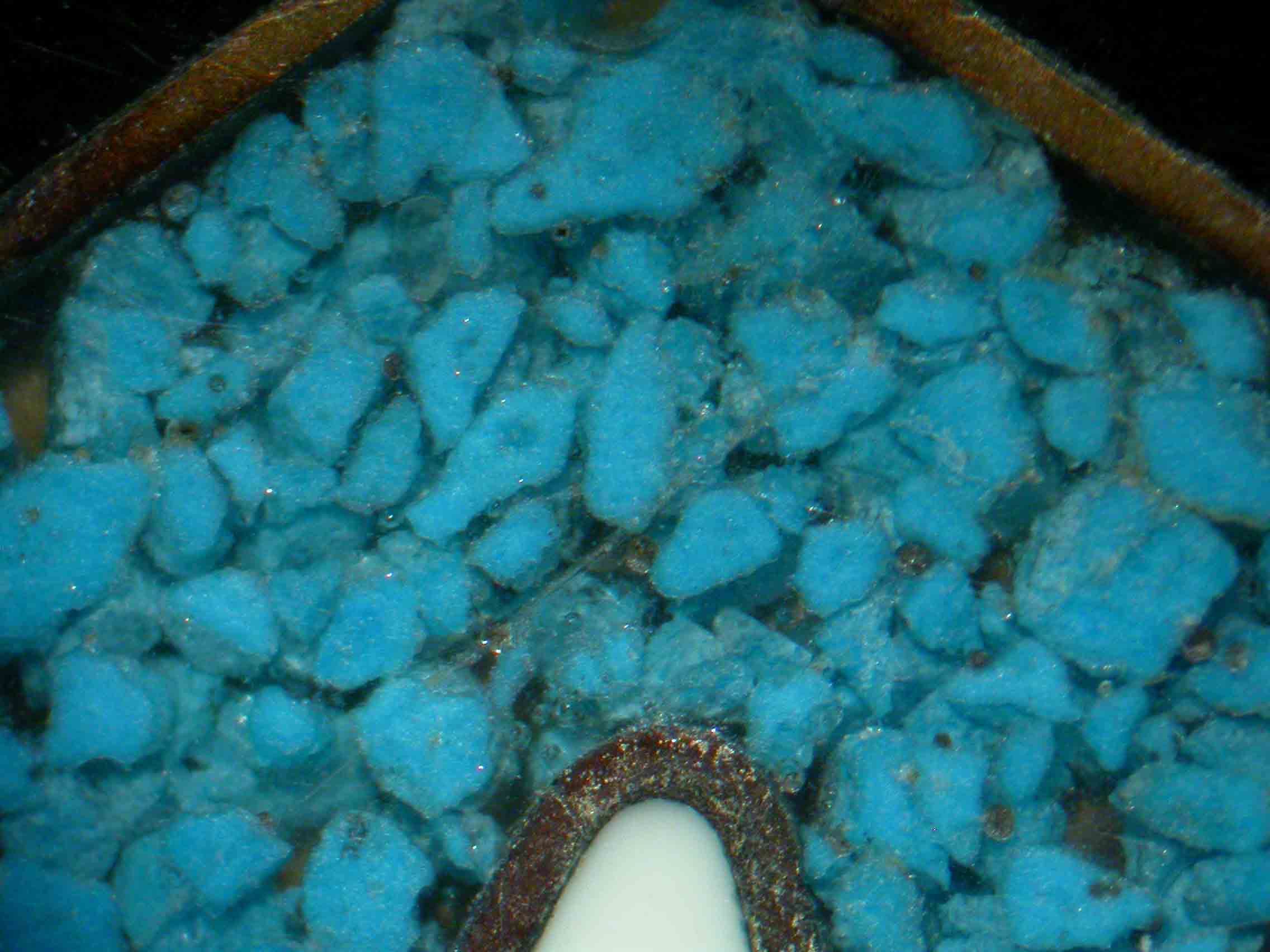
Enamel, or pâte de verre (French for "glass paste"), represents a distinct application of glass in jewelry, focusing on the art of surface decoration and sculpted form. This technique involves mixing powdered glass of any color with binding agents, such as oil. The resulting paste is then applied to surfaces or into molds and heated, causing it to melt and fuse.
Enamel can be used to impart color to jewelry in a variety of ways:
- Surface Decoration: Applied to flat or gently curved surfaces, it can create broad areas of color or intricate patterns.
- Sculptural Elements: In three-dimensional applications, enamel can form sculptural components of a piece.
- Cloisonné and Champlevé: Techniques where wires (cloisons) or engraved channels (champlevé) are used to delineate areas, into which different colored enamels are applied.
- Plique-à-jour: A breathtaking technique that produces a stained-glass effect. Here, the enamel is applied within a framework of wires on a temporary backing, which is removed after the enamel has solidified, leaving a translucent, jewel-like window.
The molding and heating of glass powder also allow for the creation of carved or sculpted effects. Fine details can be subsequently added through engraving. The process offers remarkable control over color, texture, and translucency, enabling the creation of striking visual effects. Pâte de verre experienced a surge in popularity during the late 19th and early 20th centuries, coinciding with the Art Nouveau movement. This period saw its extensive use in creating naturalistic designs, often in conjunction with precious metals and gemstones. The work of René Lalique, a master of this technique, exemplifies the artistic potential of pâte de verre, with his antique creations now fetching extraordinary prices.
3. Glass Mosaics: Tiny Fragments, Grand Designs
Mosaic art, the creation of images and patterns from small pieces of material, has a history spanning millennia. In the context of jewelry, glass has been a primary medium for this intricate art form. Particularly in late medieval times, religious motifs were rendered using small shards of colored glass. This technique was later adapted in Italy, especially during the 19th century, to create jewelry for the burgeoning tourist market.
Italian artisans became renowned for their micromosaics, a painstaking technique where hundreds of individual pieces of glass, known as tesserae, are meticulously arranged within a single square centimeter of a decorated surface. These miniature masterpieces often depict classical architectural scenes or naturalistic motifs, adorning jewelry, small boxes, and other decorative items. Well-preserved examples of these intricate mosaics remain highly cherished by collectors today.
Identifying the Artistry: Distinguishing Glass from Gemstone
While the aesthetic appeal of glass paste is undeniable, its identification as a simulant relies on understanding its unique physical properties, which often diverge from those of natural gemstones. Gemologists employ a combination of visual observation and instrumental analysis to make these distinctions.
Visual Clues: The Subtle Tells
The most immediate indicators of glass are often revealed through careful observation:
- Lustre: Transparent paste typically exhibits a poorer lustre compared to most natural gemstones. While it can be brilliant, it often lacks the depth and fire of a well-cut diamond or corundum.
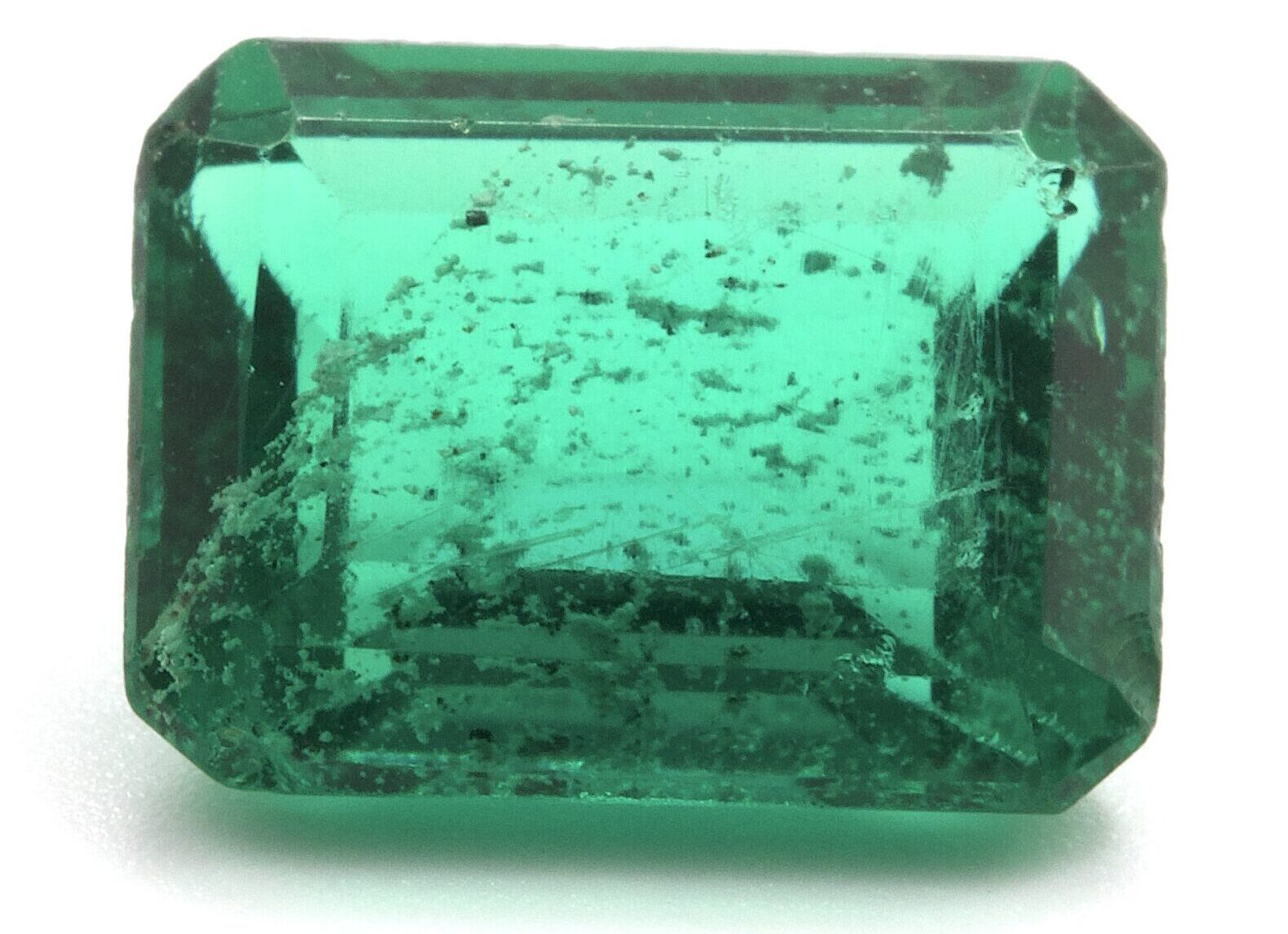
- Inclusions: The presence of bubbles and swirls (internal curving flow structures) are common telltale signs of glass. These are remnants of the manufacturing process, where trapped air or variations in the molten glass can create these imperfections. Moulding marks, resulting from the shaping process, can also be present.
- Surface Characteristics: Opaque paste, in particular, often displays small chips and scratches that exhibit a distinct glassy lustre. This is a significant differentiator, as fractures on polycrystalline gemstones do not typically present with this characteristic sheen.
Instrumental Analysis: The Gemologist’s Toolkit
For definitive identification, gemologists utilize specialized instruments:
- Polariscope: Transparent paste is optically isotropic, meaning light passes through it uniformly regardless of its direction. This property can be readily observed under a polariscope, where the glass will appear dark or grey and exhibit no change in light intensity as the stage is rotated. Natural gemstones, being crystalline, are typically anisotropic and will show varying degrees of light transmission.
- Dichroscope: This instrument reveals pleochroism, the property of some gemstones to exhibit different colors when viewed from different directions. Paste, being amorphous, does not exhibit pleochroism.
- Refractometer: This device measures the refractive index (RI) of a material, a key identifier for gemstones. Readings for paste typically fall within the range of 1.50 to 1.70. This range, combined with the absence of pleochroism and isotropic behavior, is generally not found in gem varieties commonly encountered in antique jewelry.
The Importance of Context and Expertise
It is crucial to note that the testing of antique jewelry should be approached with caution, particularly given the high value some pieces can command. Non-destructive testing methods, such as careful observation and the use of gemological instruments, are preferred. In cases of uncertainty, seeking advice from experienced gemologists or appraisers is always recommended.
Beyond Imitation: The Enduring Value of Glass Paste
While artificial glass is often employed in the creation of low-quality simulants for inexpensive jewelry, this is by no means its only role. The history of glass paste is a testament to the artistry and craftsmanship of individuals who transformed this humble material into objects of profound beauty and enduring value. From the ancient Egyptians to the Art Nouveau masters, glass paste has been a medium for creative expression, offering accessibility, versatility, and a unique aesthetic that has captivated collectors and adorned wearers for centuries. Respect for the skill and ingenuity involved in its creation is therefore not just warranted, but essential to a complete understanding of jewelry history and the decorative arts. The glint of glass paste, when understood in its historical and artistic context, reveals a story far richer than mere imitation.



