

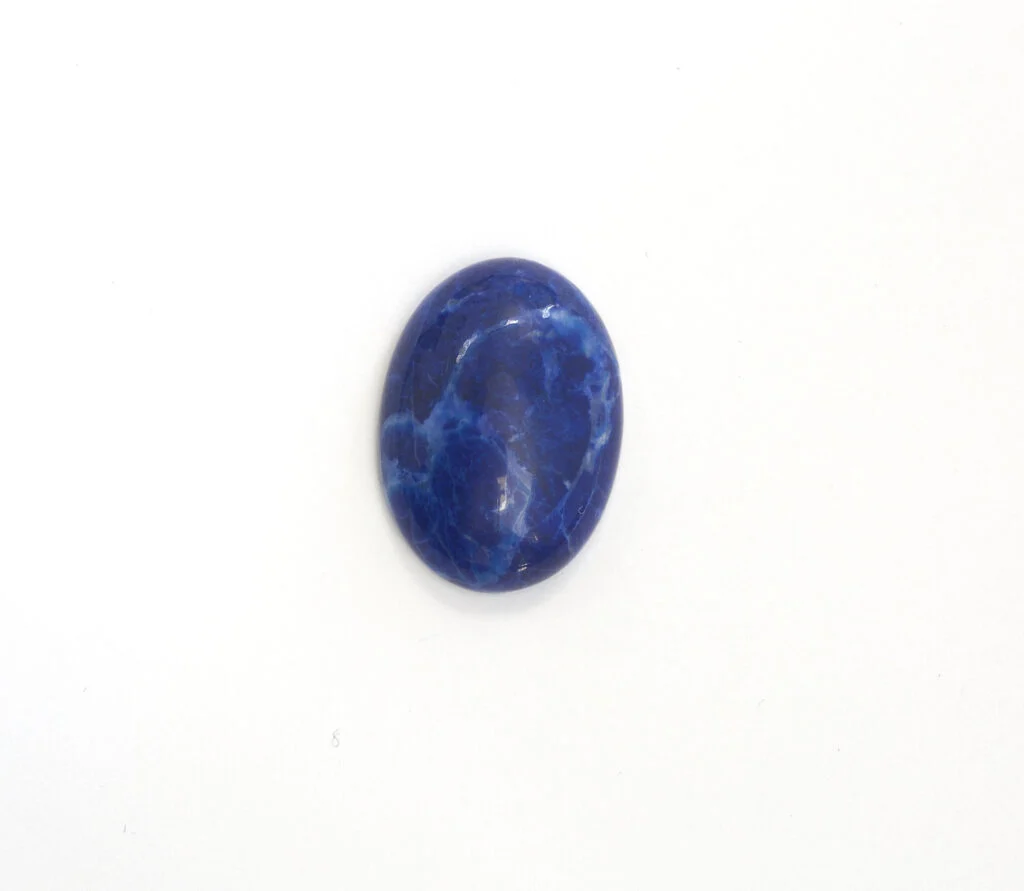
The allure of gemstones has captivated humanity for millennia, their inherent beauty and perceived rarity driving desire and value. However, beneath the dazzling surface, a pervasive and often undetected practice alters their appearance and perceived worth: dyeing. Gemstone dyeing, a sophisticated and cost-effective method, transforms pale or inferior stones into visually appealing imitations of precious gems, or even substitutes for rare natural materials. Gem-A Gemmology Tutor, Pat Daly, delves into the intricate world of dyed gemstones, illuminating the techniques employed and the tell-tale signs that experienced gemmologists use to identify this widespread enhancement.
The Alchemy of Colour: How Gemstones Are Dyed
At its core, gemstone dyeing involves the infusion of coloured substances into porous, pale-coloured stones. This process is most effective with translucent to opaque materials that possess natural pore spaces, allowing dyes to penetrate and saturate their structure. However, even transparent stones can be subjected to dyeing if they are heavily fractured, either naturally or through deliberate manipulation, to create pathways for the colourant.
The process typically begins with preparing the stone to maximize dye absorption. This often involves heating the material or treating it with chemicals to widen existing fractures and pore spaces. Once prepared, the stones are immersed in solutions containing dyes or pigments. The colour is then fixed within the stone through various methods, including chemical reactions, further heating, or the application of wax or resin to seal the pores and prevent the dye from escaping.
A Deeper Dive into Dyeing Techniques:
-
Temporary vs. Permanent Dyes: Some dyeing methods utilize dyes that remain within the stone by being transported by water or other fluids, lodging in the pores after the liquid evaporates. While cost-effective, these dyes can be prone to fading when exposed to light or washing out when the stone becomes wet, diminishing its aesthetic appeal over time.
-
The Art of Permanent Colouration: More sophisticated techniques create permanent colouration. A notable example is the inorganic chemical treatment practiced in Idar Oberstein, Germany, which has yielded agates in an astonishing array of colours, widely adopted by the jewellery industry.
-
The Sugar Treatment: A Historical Method: The sugar treatment, a classic chemical enhancement, is particularly interesting. This method is used to dye porous stones like opal and agate black. The process involves soaking the stones in a hot sugar solution, followed by immersion in hot sulfuric acid. The acid breaks down the sugar, leaving behind a carbon residue within the stone’s pore spaces. This carbon imparts a deep black colour, which can dramatically enhance the play-of-colour in opals or create a rare, uniform black appearance in agate, a hue seldom found naturally.
The Spectrum of Imitation: Common Gemstones Subject to Dyeing
The practice of dyeing extends to a wide range of gem materials, both to enhance their existing colour and to create convincing imitations of more valuable stones.
Enhancing Natural Beauty:
- Jadeite: This prized gemstone, particularly in its coveted green hues, is frequently dyed to achieve more vibrant or uniform colours. Pale or off-colour jadeite can be transformed into visually striking pieces, making them more desirable to consumers.
- Opal: The mesmerizing play-of-colour in opals is often amplified by dyeing, particularly with darker colours that create a starker contrast. This technique can elevate the visual impact of even lower-quality opals.
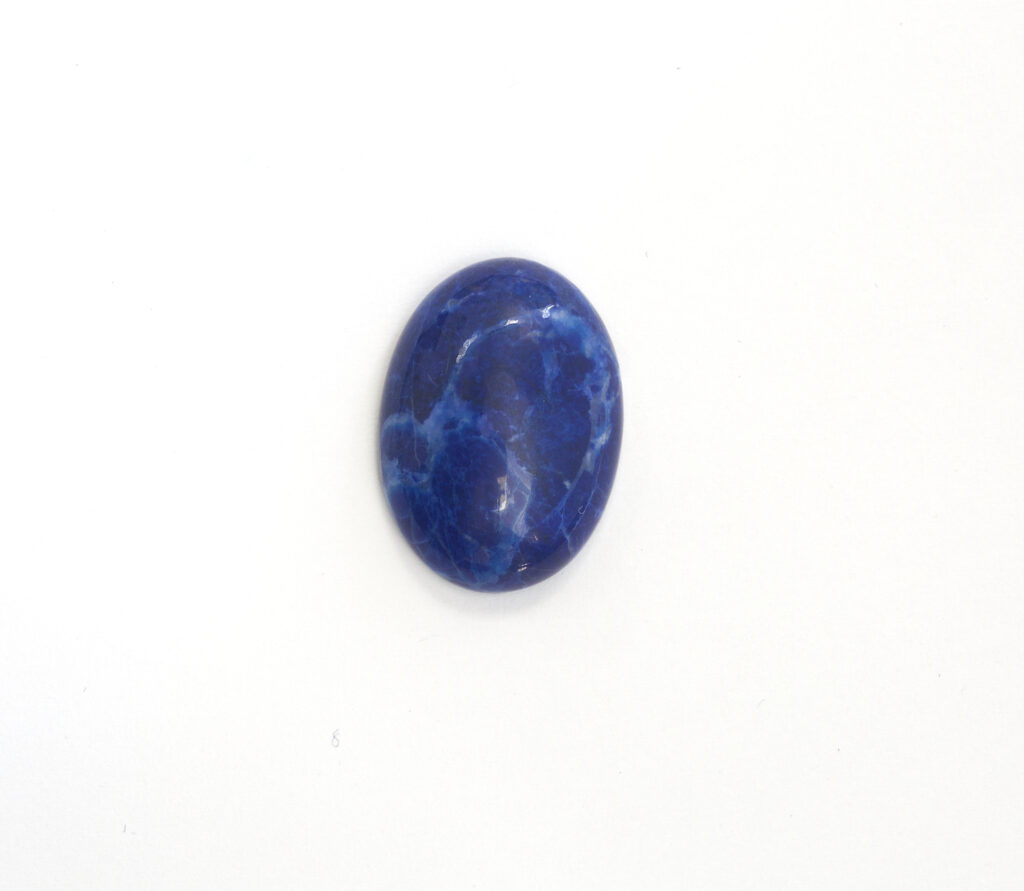
- Lapis Lazuli: Known for its intense blue colour, lapis lazuli can be dyed to achieve deeper, more uniform blues, masking any lighter streaks or inclusions.
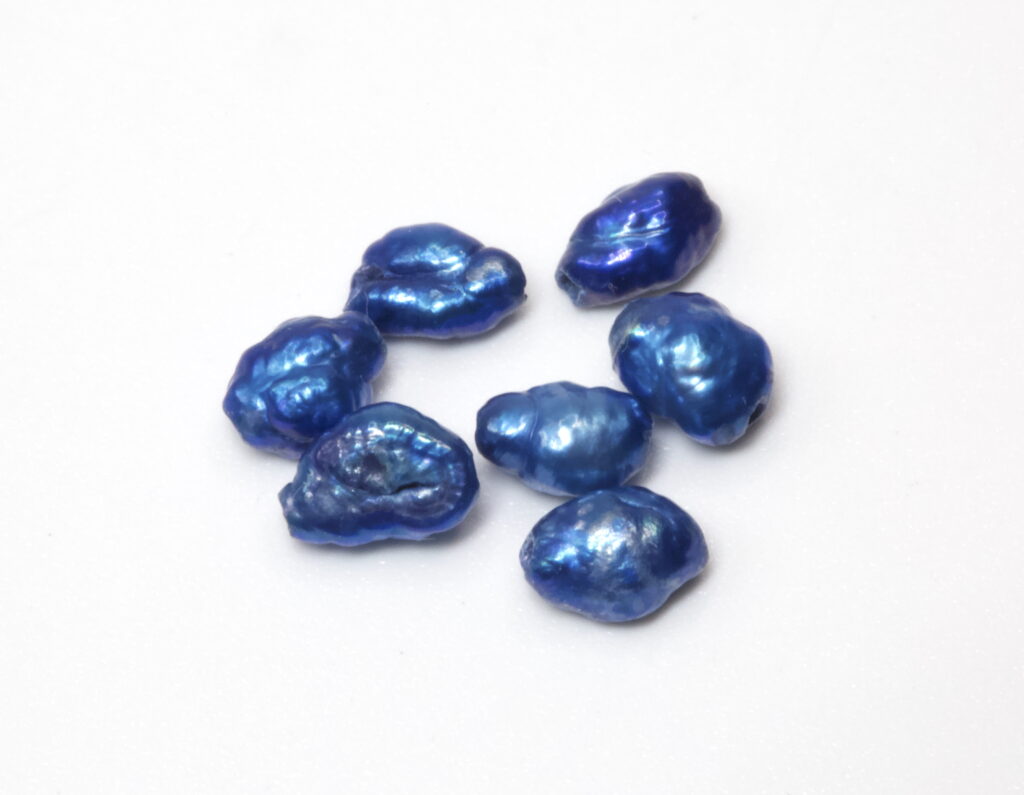
- Pearls: Freshwater pearls, often exhibiting subtle variations in colour and lustre, are commonly dyed to produce vibrant and consistent shades, from classic white and black to fashionable blues and pinks.
Creating Convincing Simulants:
- Quartz: Abundant and relatively inexpensive, quartz is a prime candidate for dyeing. It can be transformed into a kaleidoscope of colours, mimicking the appearance of more valuable gemstones like amethyst, citrine, or even emerald and sapphire.
- Magnesite and Marble: These softer minerals, often white or pale in their natural state, can be dyed to imitate gemstones like turquoise or jade, offering a significantly more affordable alternative.
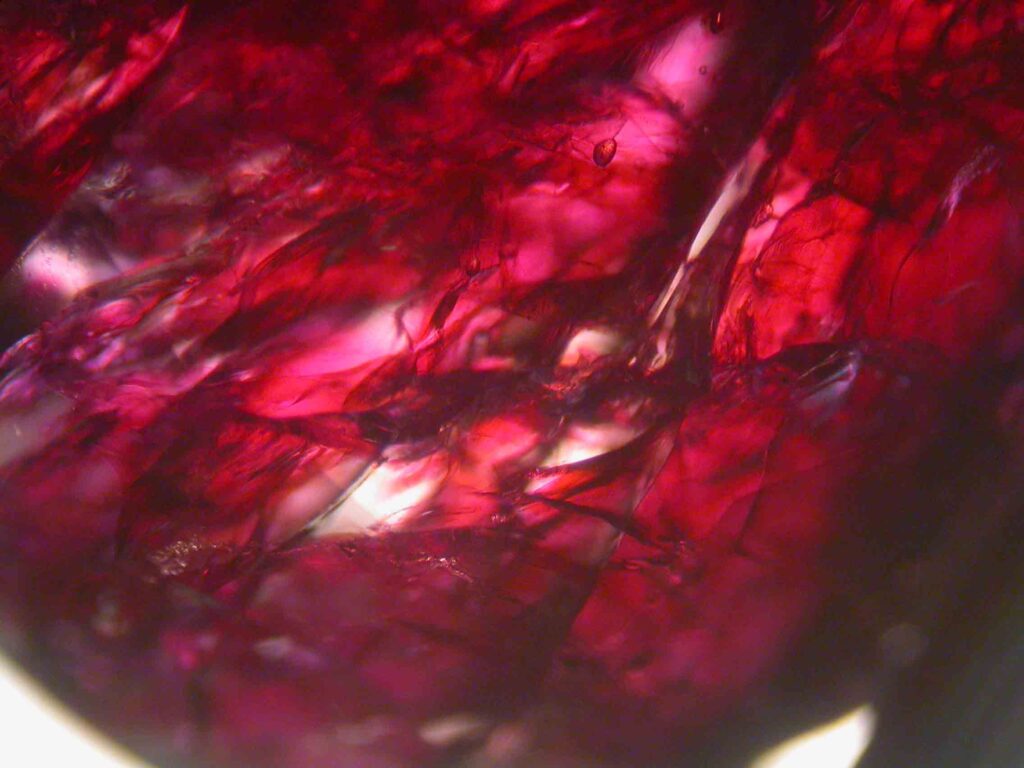
- Corundum (Sapphire and Ruby): While corundum itself can be treated, pale or colourless corundum can be dyed to simulate the vibrant reds of ruby or the deep blues of sapphire. This is a particularly deceptive practice, as corundum is inherently valuable.
- Quartzite: This metamorphic rock, a form of quartz, can be dyed to resemble various coloured gemstones, further blurring the lines between genuine and enhanced materials.
The Gemmologist’s Toolkit: Detecting Dyed Gemstones
The ability to identify dyed gemstones is a cornerstone of gemological expertise. While the practice can be sophisticated, experienced gemmologists employ a range of techniques and observations to uncover the truth.
Visual Clues Under Magnification:
-
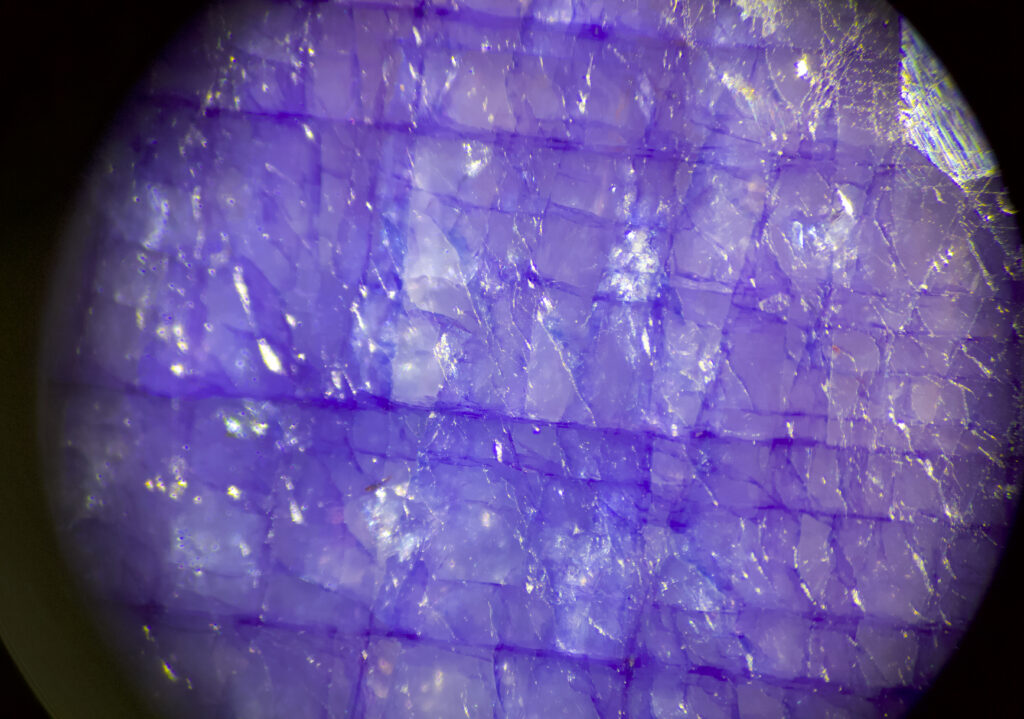
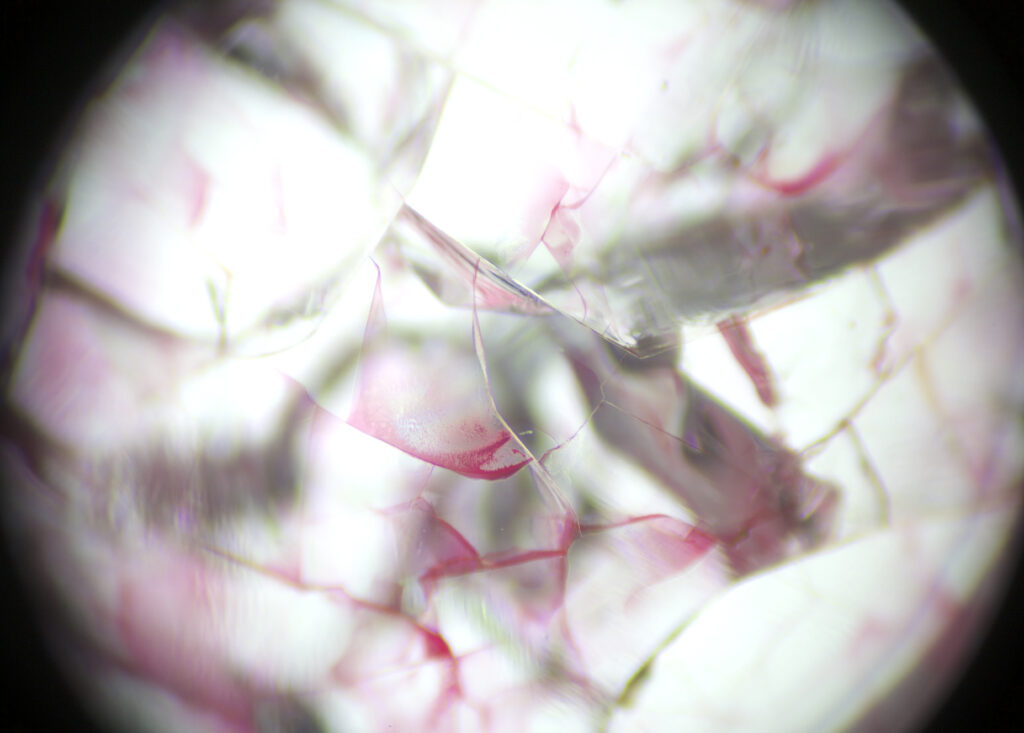
Concentration of Colour: One of the most significant indicators of dyeing is the unnatural concentration of colour within pore spaces and fractures. Unlike naturally coloured stones where colour is often distributed more evenly or follows internal growth patterns, dyes tend to pool in these openings. A careful examination under a loupe or microscope can often reveal this characteristic pooling, especially along grain lines or cleavage planes. However, caution is advised, as natural iron staining in some weathered stones can mimic this appearance.
-
Dye Bleed Test: Soluble dyes can often be detected using solvents like acetone. Rubbing a small swab dipped in acetone against a suspect stone may transfer the dye’s colour onto the swab. This test is not foolproof, as some dyes are insoluble or protected by sealing agents like resin or wax.
Advanced Analytical Techniques:
-
Absorption Spectra Analysis: The way a gemstone absorbs light, its absorption spectrum, is a unique fingerprint of its colour origin. Dyed stones often exhibit absorption spectra that differ significantly from those of naturally coloured gems. For instance, a corundum dyed red to resemble a ruby would likely not display the characteristic spectral lines of natural ruby, or if present, they would be too weak to account for the observed colour. Similarly, green jadeite typically shows fine lines in the red spectrum due to chromium. Dyed green jadeite, however, may exhibit broader bands in the red or red-orange regions without these fine lines.
-
Chelsea Colour Filter: This specialized filter can reveal differences in how dyed and undyed stones interact with light. For example, chrysoprase, a naturally green chalcedony, appears a vibrant green. In contrast, dyed green agate often presents with a greyish or pinkish hue when viewed through the Chelsea filter, indicating a different colour mechanism.
-
Luminescence Under Ultraviolet (UV) Light: The reaction of a gemstone to ultraviolet light can also be an indicator of dyeing. For instance, some dyed lavender jadeite fluoresces with an orange glow under long-wave UV light, a characteristic not typically seen in natural lavender jade or some other dyed stones.
The Double-Edged Sword: Advantages and Disadvantages of Dyeing
The widespread use of gemstone dyeing stems from its ability to offer both commercial and aesthetic advantages, though these are counterbalanced by significant ethical considerations.
The Upside for Jewelers and Consumers:
- Expanded Availability and Affordability: Dyeing significantly increases the range and availability of visually appealing gemstones. Lower-quality materials can be transformed into attractive alternatives, making colourful jewellery more accessible to a wider consumer base.
- Creative Freedom for Designers: Jewelers can experiment with a broader palette of colours and introduce more adventurous designs at a lower cost, fostering innovation and creativity in the industry.
- Enhanced Aesthetic Appeal: For consumers, dyeing offers access to vibrant colours and attractive stones that might otherwise be prohibitively expensive or unavailable.
The Dark Side: Deception and Undisclosed Treatments:
- Risk of Fraud and Misrepresentation: The primary disadvantage lies in the potential for deception. When dyed stones are not clearly disclosed as treated, consumers can be misled into believing they are purchasing natural, unenhanced gemstones of higher value. This erodes trust and can lead to financial loss for unsuspecting buyers.
- Diminished Intrinsic Value: Dyed stones, even when aesthetically pleasing, hold significantly less intrinsic value than the natural gemstones they mimic. The market value of a dyed stone is considerably lower than that of a naturally coloured equivalent.
- Ethical Imperative for Gemmologists: This underscores the critical responsibility of gemmologists. Their role extends beyond mere identification; they are tasked with uncovering the effects of dyeing and other treatments, accurately identifying treated stones, and ensuring proper labeling and disclosure. This transparency is crucial for maintaining the integrity of the gem and jewellery trade.
Conclusion: A Call for Transparency and Knowledge
Gemstone dyeing, while a testament to human ingenuity in manipulating natural materials, presents a complex ethical landscape. It offers a more accessible and varied world of colourful adornments but simultaneously harbors the potential for deception. As Pat Daly’s insights reveal, the key to navigating this world lies in knowledge and vigilance. By understanding the techniques of dyeing and the subtle yet significant clues that betray its presence, gemmologists play an indispensable role in safeguarding consumers and upholding the value and trust inherent in the world of gemstones. The pursuit of beauty should never come at the expense of honesty, and the gemmological community remains at the forefront of ensuring that the brilliance we admire is as authentic as it appears.
If you wish to delve deeper into the fascinating world of gemmology and uncover more about gemstone treatments and identification, consider exploring Gem-A’s educational offerings. Their introductory online course, GemIntro, and accredited programmes provide comprehensive knowledge for aspiring gemmologists and enthusiasts alike.



