In an era where consumers are increasingly looking behind the glitz and glamour of luxury goods, a new wave of brands is emerging that prioritizes ethics as much as aesthetics. At the forefront of this movement is fejn jewelry, a German-based label that has transformed from a founder’s childhood dream into a beacon of sustainable craftsmanship. By bridging the gap between minimalist design and rigorous international standards, fejn is proving that the future of the jewelry industry lies in "beautiful responsibility."
The Genesis of a Vision: From Fashion to Fine Craft
The story of fejn begins long before its 2019 founding. For its founder, Dagmar Kraemer, the fascination with the jeweler’s bench started in childhood. While her professional journey initially took a detour into the fast-paced world of the fashion industry, her passion for the tactile, enduring nature of jewelry never waned.
After years of navigating the complexities of fashion and jewelry sectors, Kraemer realized that the market was missing a bridge: a brand that offered high-quality, timeless pieces while maintaining an unwavering commitment to the planet. In 2019, she launched fejn, fueled by a clear vision—to create jewelry for the modern woman who refuses to compromise on style or conscience.
Chronology: A Path Toward Rigorous Accountability
To understand the trajectory of fejn, one must look at how the brand has institutionalized its values:
- 2019: The official launch of fejn jewelry. The brand establishes its "minimalist philosophy," focusing on durable materials and long-lasting designs.
- Early Growth Phase: fejn begins its journey of supply chain mapping, prioritizing recycled precious metals and ethical sourcing to ensure that every piece carries a transparent history.
- The Pursuit of Independent Validation: Recognizing that "responsibility" is often used as a marketing buzzword, Kraemer seeks an objective benchmark. The brand begins its engagement with the Responsible Jewellery Council (RJC).
- The Integration Period: Unlike many brands that treat certification as a "finish line," fejn utilizes the RJC framework as a foundational blueprint to refine its internal operations, from ethical sourcing to workplace standards.
- Present Day: fejn continues to evolve its design language through collaborations, including high-profile capsule collections, while maintaining its status as a fully committed member of the global responsible jewelry movement.
The RJC Commitment: Trust Through Transparency
For fejn, joining the Responsible Jewellery Council (RJC) was not a marketing tactic; it was a necessary step in evolving from a conscious startup into a mature, accountable player in the global market.
"At fejn, responsibility has never been a trend—it has always been part of who we are," says Kraemer. "Joining the RJC was a natural next step because we wanted an independent way to demonstrate that our actions truly reflect our values."
The certification process serves as a rigorous audit of the brand’s entire value chain. By adhering to internationally recognized standards, fejn ensures that its claims regarding sustainability are backed by verified, audited data. As Kraemer notes, "Trust is built through transparency, not promises." This sentiment reflects a broader shift in the luxury sector, where the "black box" of supply chains is being replaced by radical openness.
The Philosophy of "Timelessness" as Sustainability
Sustainability in the jewelry industry is often discussed in terms of mining and carbon footprints, but fejn adds another dimension: the sustainability of design.
"Every new collection starts with the same question: Will this still feel relevant years from now?" explains Kraemer. By eschewing the fast-jewelry cycle, the brand combats the "throwaway culture" that has plagued the fashion industry for decades.
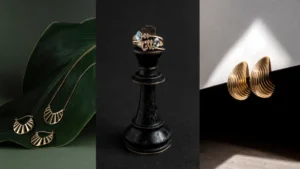
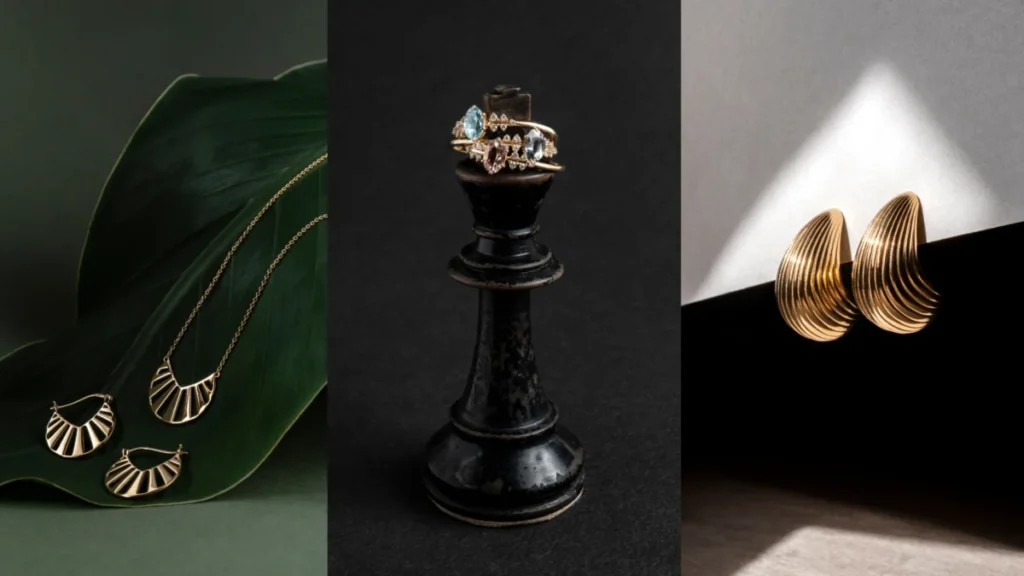
This philosophy is evidenced by their current project pipeline. Following successful collaborations, such as their recent capsule collection with a prominent German designer, the brand is currently working on secret projects that aim to marry modern, minimalist aesthetics with the durability required for a lifetime of wear. Their goal is clear: to create pieces that function as both a current fashion statement and an heirloom.
Supporting Data and Industry Implications
The jewelry industry is undergoing a seismic shift. Data suggests that the Gen Z and Millennial demographics—fejn’s primary audience—are significantly more likely to purchase from brands that can prove ethical provenance.

Key Pillars of the fejn/RJC Approach:
- Traceability: Identifying the origin of precious metals and stones to ensure they are free from conflict and exploitation.
- Accountability: Utilizing third-party audits to hold the business to global human rights and environmental standards.
- Process Evolution: Using the RJC guidelines to identify gaps in internal operations, ensuring that sustainability is integrated into the brand’s DNA rather than treated as an "add-on."
For smaller brands, the barrier to entry for such high-level certification can be daunting. However, Kraemer argues that it is an advantage. "The framework doesn’t just set standards; it gives you practical guidance and helps embed responsibility into your business in a way that creates long-term value," she explains.
The Emotional Value of Precious Materials
While the technical side of the business is driven by logic, audit, and standards, the emotional core of fejn remains the driving force of its success.
"Jewellery is incredibly emotional," says Kraemer. "People wear it to celebrate milestones, remember loved ones, or simply express who they are." This perspective informs how the brand approaches its material sourcing. When a company acknowledges that their products will become "part of someone’s personal story," the responsibility changes. It is no longer just a transaction; it is a guardianship of a physical object that carries deep emotional weight.
By working with durable, high-quality materials, fejn honors the significance of these milestones. This approach fosters a deep loyalty among customers who feel a connection to the ethical narrative behind the piece they wear daily.
The Future: A New Standard for the Industry
Looking toward the next decade, the outlook for the industry is changing. Kraemer believes that responsibility is shifting from a competitive advantage to a baseline expectation.
"I believe responsibility will become an essential part of every jewellery brand—not something that sets you apart, but something customers rightfully expect," she asserts.
As consumers become more sophisticated, they are asking harder questions: Where did this gold come from? Under what conditions was this stone polished? What is the environmental cost of this plating? Brands that cannot provide clear, audited answers will find themselves marginalized in a market that is increasingly valuing "beautiful responsibility."
Conclusion: The Path Forward
The journey of fejn jewelry illustrates that a brand can be both modern and principled. By utilizing the framework provided by the Responsible Jewellery Council, fejn has successfully navigated the complexities of the global jewelry supply chain, transforming from a personal project into an industry example of how to do business correctly.
As the industry continues to evolve, the lessons from fejn are clear: transparency, traceability, and a focus on long-lasting quality are not merely operational goals—they are the new aesthetic. In the words of its founder, the future of jewelry is not just about the sparkle of the metal, but the integrity of the process behind it. Through constant learning, ongoing improvement, and an unyielding commitment to their values, fejn jewelry is not just creating pieces to be worn; they are helping to rewrite the code of conduct for the entire jewelry industry.
The small, intricate details that define their collections are now mirrored in the details of their business practices. For the modern woman seeking jewelry that aligns with her values, the message from fejn is simple: style and conscience are not mutually exclusive—they are, in fact, the perfect match.