

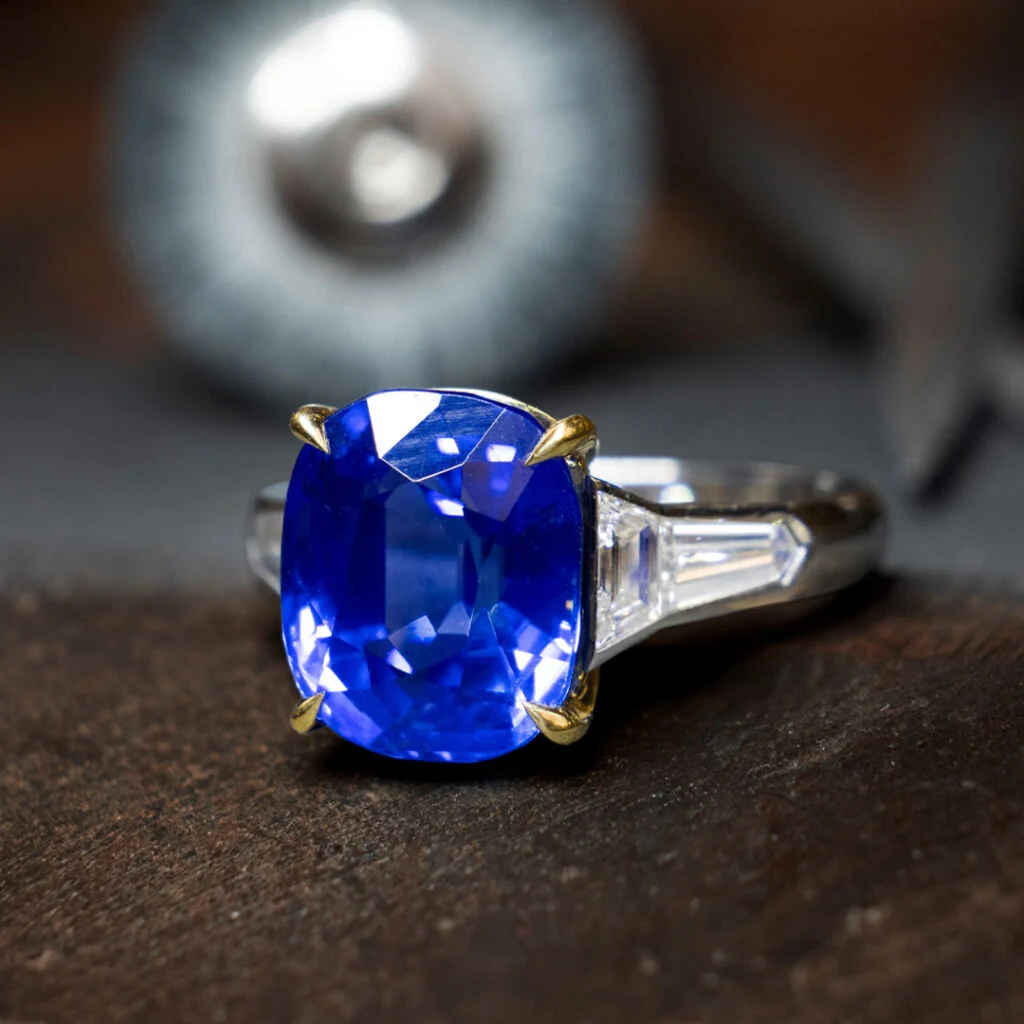
London, UK – For millennia, humanity has been captivated by the dazzling array of colours offered by the earth’s precious stones. From the fiery heart of a ruby to the tranquil depths of a sapphire, colour is not merely an aesthetic attribute but often the primary determinant of a gemstone’s value and desirability. Yet, the vibrant hues that adorn our jewellery boxes are the result of intricate scientific processes, a complex interplay of light, atomic structure, and trace elements. This exploration delves into the fascinating world of gemstone colour, dissecting the scientific underpinnings and highlighting the most coveted shades that continue to command awe and significant market value.
The Genesis of Gemstone Hue: A Symphony of Light and Matter
The perception of colour in gemstones is a sophisticated phenomenon that begins with white light, a composite of all colours in the visible spectrum. When light interacts with a gemstone, certain wavelengths are selectively absorbed by the electrons within the mineral’s atomic structure, while others are transmitted or reflected. The colours that are not absorbed are what our eyes perceive, creating the distinct hues we associate with precious stones. This selective absorption is the most common mechanism responsible for the "body colour" of gemstones, such as the rich red of a ruby or the verdant green of an emerald.
However, colour can also arise from more complex optical phenomena. Iridescence, for instance, seen in stones like labradorite or opal, is not due to selective absorption but rather the diffraction and interference of light waves as they interact with microscopic layers or regularly spaced nanostructures within the gem. This creates a dazzling play of colours that shifts with the angle of observation.
The human eye, a remarkable yet variable instrument, plays a crucial role in this perception. Individual colour perception can differ, leading to subjective preferences. Nevertheless, a general consensus has emerged within the gemological community regarding the most desirable colours, forming the bedrock of market valuation.
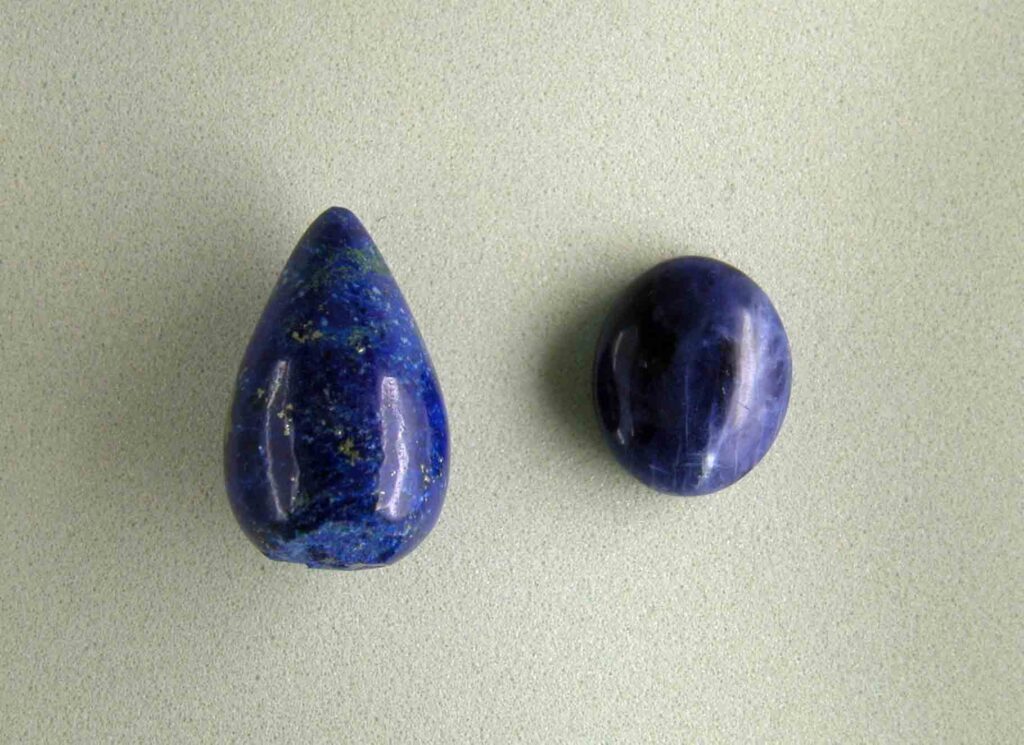
Some gemstones are prized solely for their colour. Think of the intense, uniform blue of high-quality lapis lazuli or the striking blue of turquoise. These stones rely on their pure, unadulterated colour for their inherent beauty. In contrast, many other gems benefit from transparency and translucency, which allow light to penetrate deeper, enhancing brilliance and adding a sense of dimension to their colour.
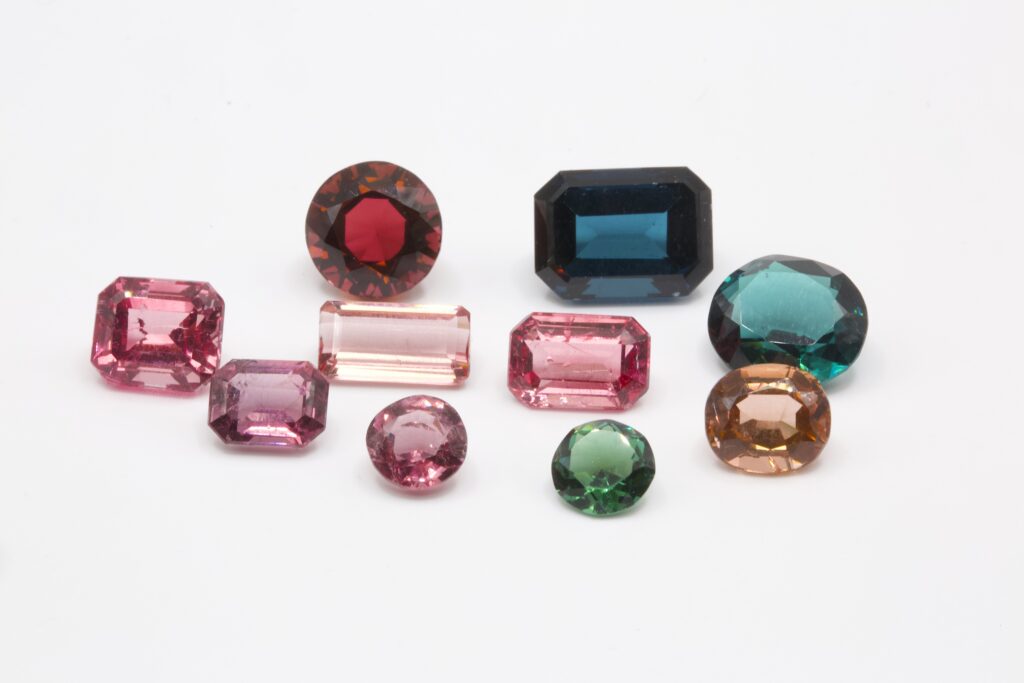
While some gem species are known for their diverse colour palettes – corundum (which includes ruby and sapphire), beryl (emerald, aquamarine), and tourmaline can display a spectrum of hues – others are defined by one or two specific colours. Examples include the vibrant orange of spessartine garnets, the unique green of peridot, and the deep blue of iolite. Even when a particular hue is found across multiple gem species, the most sought-after shades are often associated with specific mineral families, further refining their rarity and value.
The Pinnacle of Hue: The Most Prized Gemstone Colours
Certain colours, due to their rarity, intensity, and the scientific phenomena that create them, stand head and shoulders above the rest in terms of desirability and market value.
The Allure of Red: Ruby and the Fluorescent Sparkle
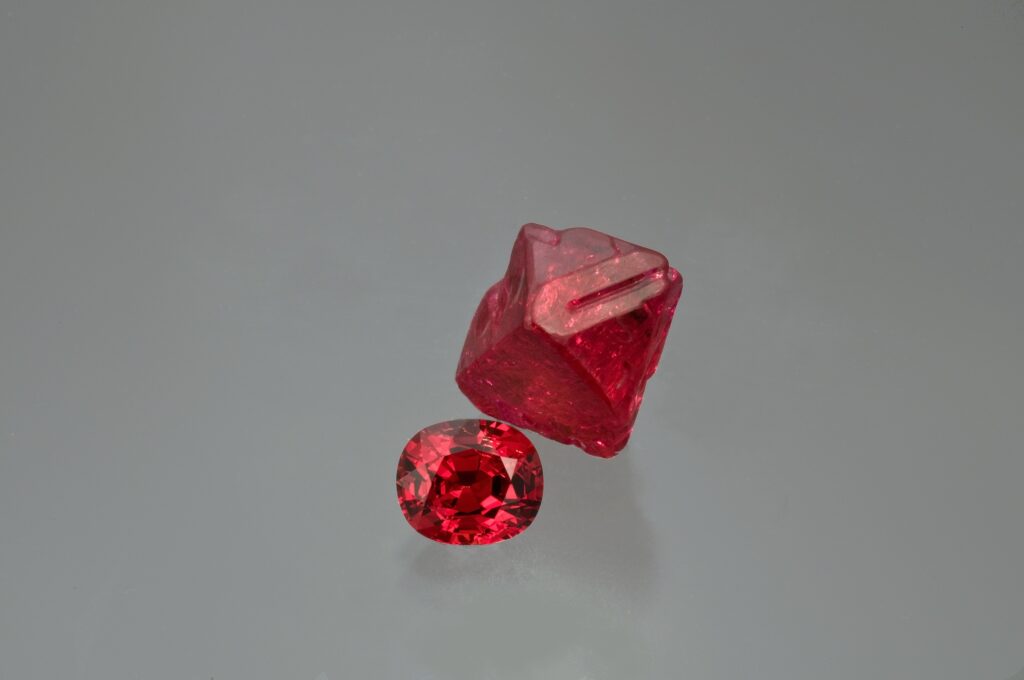
The most brilliant and coveted reds are found in exceptional rubies and red spinels. Their intense colour is not solely a product of selective light absorption. A key factor contributing to their exceptional vibrancy is fluorescence. This phenomenon occurs when certain electrons within the gemstone absorb ultraviolet (UV) and violet/blue light from daylight and re-emit it as red light. This "extra" contribution of red light, particularly in the finest specimens, creates an unparalleled, vivid, and almost luminous red that is deeply captivating.
Supporting Data: The price of high-quality Burmese rubies, particularly those exhibiting strong fluorescence and a pigeon-blood red hue, can rival or even surpass that of diamonds. A 15.99-carat "Sunrise Ruby," a Burmese ruby of exceptional quality, sold for $30.42 million in 2015, setting a world record for any ruby at auction. This underscores the immense value placed on this specific colour and quality.
The Enigmatic Blue: Kashmir Sapphires and Their "Sleepy" Charm
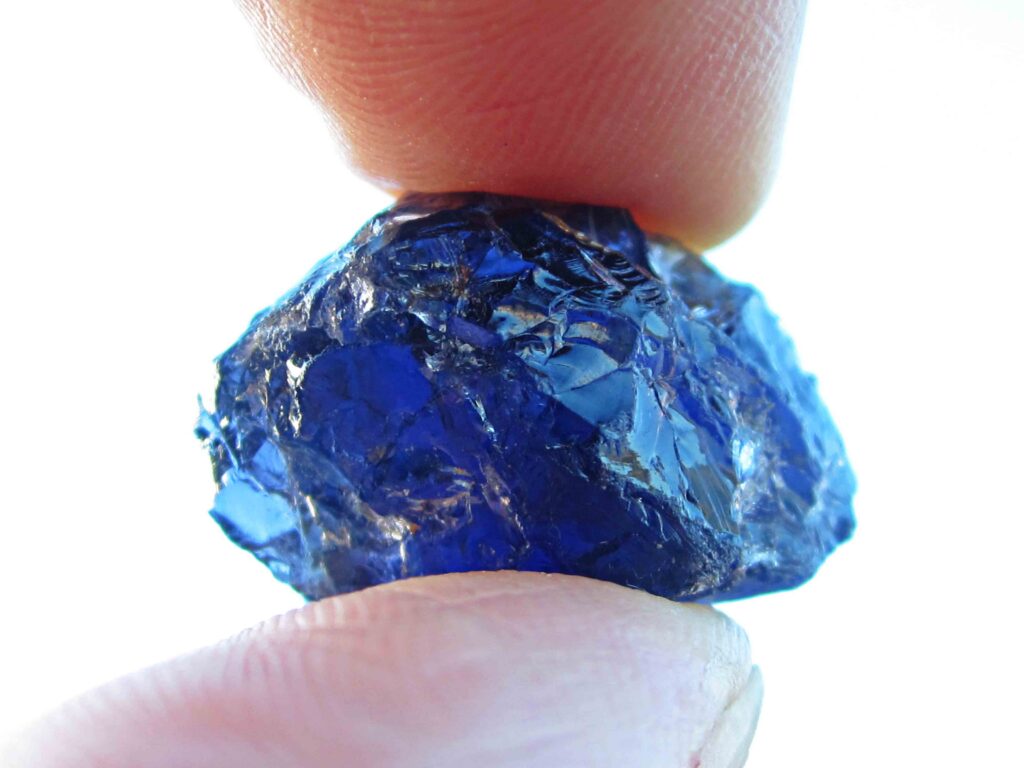
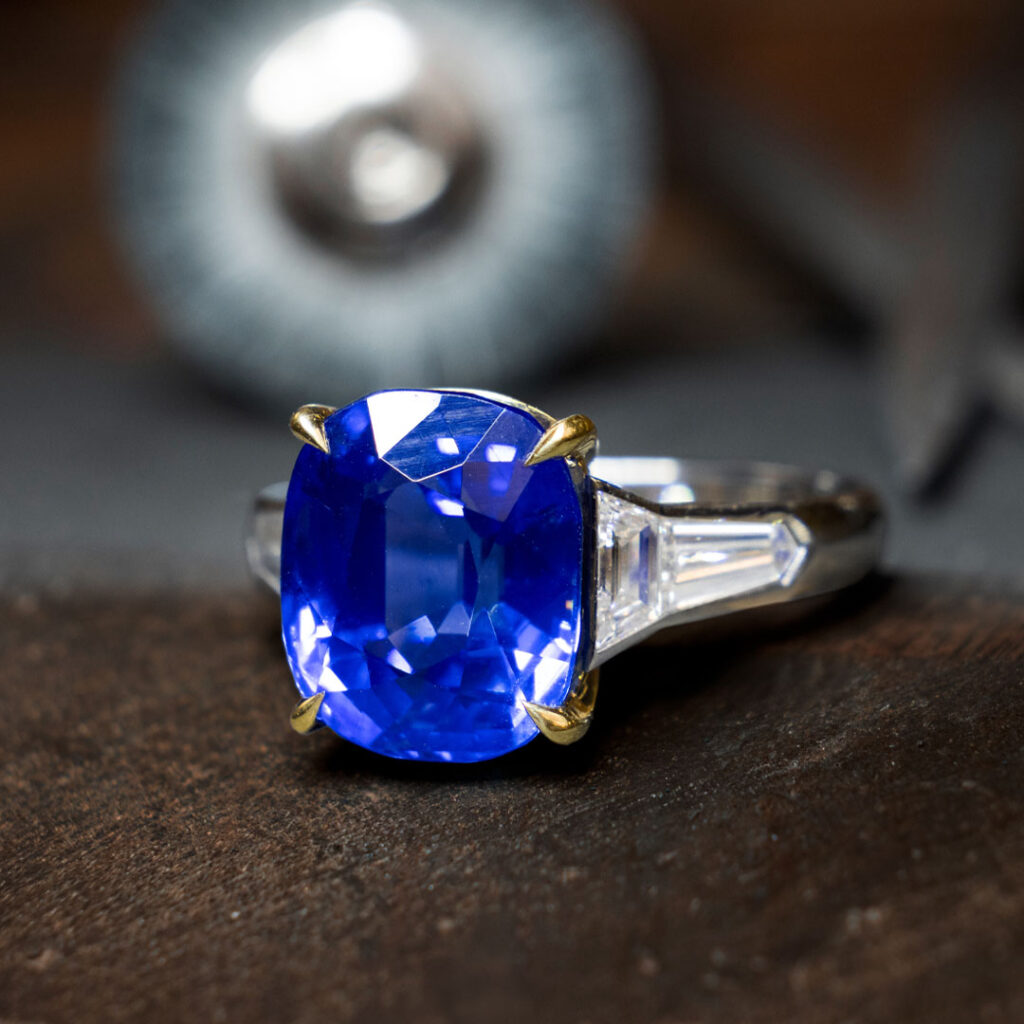
When it comes to blue gemstones, Kashmir sapphire reigns supreme in the eyes of many connoisseurs. Discovered in the late 19th century in the remote Himalayan region of Kashmir, these sapphires are renowned for their distinctive "sleepy" or velvety blue hue. This unique appearance is attributed to a combination of their rich blue colour, often with a subtle violet undertone, and a fine crystalline structure that diffuses light, creating a soft, luminous glow.
The mines, unfortunately, were largely depleted within a decade of their discovery. This scarcity, coupled with their enduring desirability, has cemented their status as among the most coveted coloured gemstones. While sapphires from other locales, particularly Madagascar, can rival their colour, the finest examples from Kashmir are considered the ultimate prize.
Supporting Data: The rarity of Kashmir sapphires means that even small stones can command astronomical prices. A 22.66-carat Kashmir sapphire, known as the "Blue Belle of Asia," sold for approximately $17.3 million in 2014, a testament to the enduring allure of this rare blue.
The Dominance of Chromium: From Verdant Greens to Colour-Changing Marvels
Chromium, a transition metal, plays a pivotal role in imparting vibrant colours to several key gemstones.
-
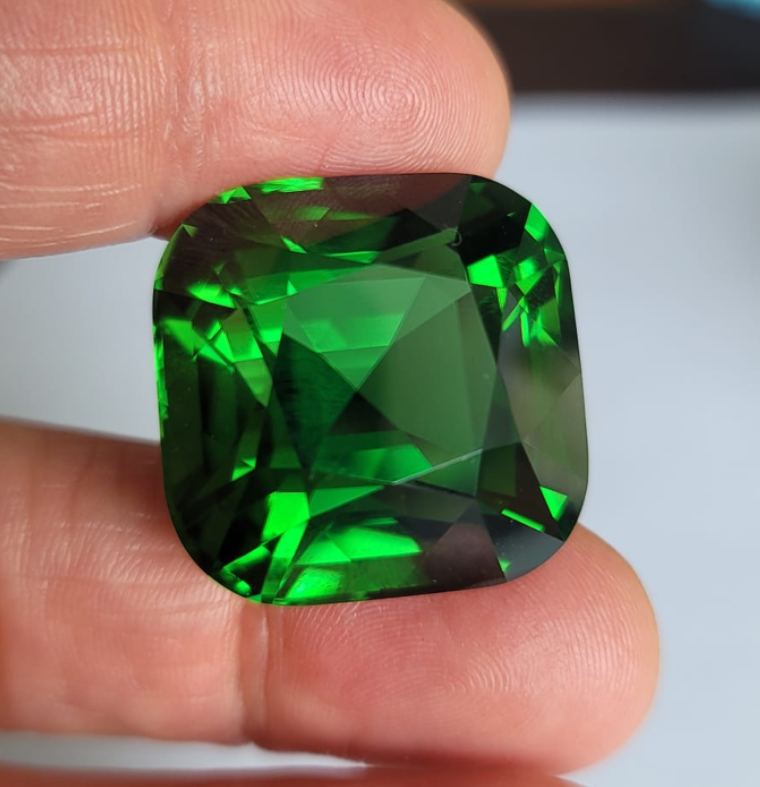
Brilliant Greens: Approximately one to two percent of chromium replacing aluminium atoms in the crystal lattice of ruby and spinel is responsible for their magnificent red colour. However, chromium is also a key element in producing a brilliant green. This is evident in emeralds, where trace amounts of chromium (or sometimes vanadium) contribute to their iconic green hue. Similarly, demantoid garnets, known for their exceptional brilliance and dispersion, derive their vibrant green colour from chromium. Tourmaline also exhibits striking green varieties, often referred to as "chrome tourmaline" when coloured by chromium.
Supporting Data: Fine quality emeralds, especially those from Colombia, with their rich, saturated green and good transparency, can fetch prices comparable to high-quality diamonds. A 23.77-carat Colombian emerald, known as the "Muzo Queen," sold for over $5.5 million, showcasing the immense value of this chromium-infused green.
-
The Intrigue of Alexandrite: Chromium is also responsible for the fascinating colour-changing phenomenon in alexandrite, a variety of chrysoberyl. This remarkable gemstone exhibits a dramatic shift in colour depending on the light source. In daylight or fluorescent light, it appears green, while under incandescent light, it transforms into a vibrant red or purplish-red. This duality, driven by the specific way chromium absorbs and reflects light under different illumination conditions, has captivated collectors and jewellers since its discovery.
Supporting Data: While neither the green nor the red of alexandrite may reach the intensity of ruby or emerald, the colour-change phenomenon itself is highly prized. Large, fine-quality alexandrites with a distinct and pronounced colour change are exceptionally rare and command premium prices. A 10.14-carat alexandrite, for instance, could easily fetch hundreds of thousands of dollars.
Beyond the Familiar: Exploring Rarer Colour Phenomena
The world of gemstone colour extends beyond the most commonly appreciated hues and phenomena.
Tenebrescence: The Shadowy Transformation
A rarer optical effect observed in some gemstones is tenebrescence, the ability of a stone to change or intensify its colour upon exposure to ultraviolet (UV) radiation. The most dramatic example of this phenomenon is found in hackmanite, a variety of sodalite. Hackmanite can shift from a pale pinkish hue to a deep purple when exposed to UV light. While light causes the colour to fade, UV radiation darkens it. The most exceptional hackmanite specimens can be observed to darken noticeably when held in direct sunlight.
Supporting Data: While not as commercially significant as ruby or sapphire, tenebrescent gemstones like hackmanite offer a unique and intriguing visual experience. Their rarity and the novelty of the colour change contribute to their appeal among collectors seeking the extraordinary.
The Spectrum of Diamonds: Beyond Colourless Brilliance
Diamonds are typically celebrated for their absence of colour, with perfectly colourless stones being the most desirable. However, the presence of trace elements can imbue diamonds with a spectacular array of colours. Fancy coloured diamonds, particularly those with vivid saturation, are exceedingly rare and command significantly higher prices than their colourless counterparts.
-
Vibrant Hues: Bright yellow, green, blue, and pink diamonds are scarce, but the rarest and most sought-after colours are red and purple. These colours are exceptionally uncommon in the jewellery trade, with only a handful of significant specimens ever coming to market.
Official Response/Market Data: The auction market provides strong evidence for the extreme value of rare coloured diamonds. In 2022, the "Argyle Pink Jubilee," a 2.11-carat purplish-pink diamond, sold for over $10.9 million. Even more recently, the 1.52-carat "Argyle Phoenix" red diamond achieved $4.2 million at auction, highlighting the phenomenal demand for these ultra-rare hues.
Tourmaline: A Canvas of Colour
Tourmaline stands out for its remarkable ability to occur in virtually every colour of the rainbow. This gem species offers a diverse palette, from deep blues and greens to fiery reds, pinks, and yellows. Beautiful specimens of most colours are readily available, often exhibiting striking combinations within a single stone.
-
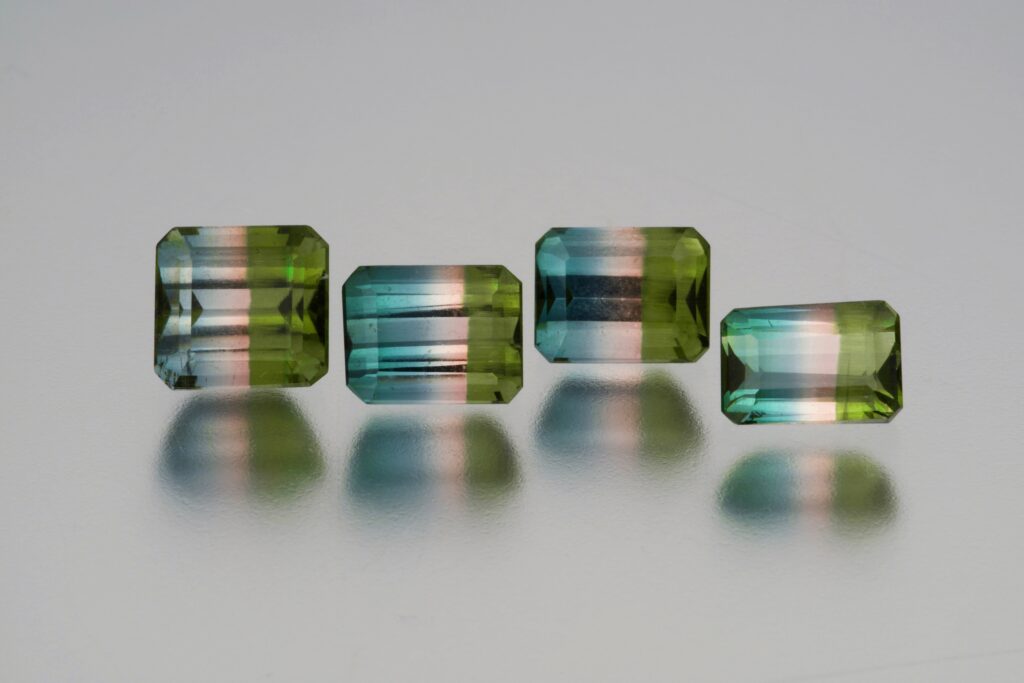
Parti-Coloured Wonders: Particularly fascinating are parti-coloured tourmalines, where two or more distinct colours are present within the same gem. Emerald-cut stones that showcase a division between green and pink, for instance, are highly prized for their unique natural artistry.
-
The Electric Hue of Paraiba Tourmalines: A groundbreaking discovery in the late 1980s introduced a new dimension to tourmaline’s colour range. Tourmalines coloured by copper, unearthed in the Brazilian state of Paraíba, exhibited an electrifying neon blue and green hue. These "Paraiba tourmalines" captured the imagination of the gem trade and quickly rose in value. While similar copper-bearing tourmalines have since been found in neighbouring regions and other countries like Nigeria and Mozambique, the original Paraíba material and those exhibiting the most intense colours remain exceptionally rare and highly sought after.
Supporting Data: Top-quality Paraiba tourmalines, especially those with an intense neon blue or blue-green colour and good clarity, can achieve prices comparable to fine sapphires and even some coloured diamonds.
The Science of Spectacle: Understanding Colour Mechanisms
The captivating colours we admire in gemstones are the result of precise interactions between light and matter, governed by fundamental principles of physics and chemistry.
-
Selective Absorption: As discussed, this is the most prevalent mechanism. Impurities or defects within the crystal lattice absorb specific wavelengths of light, allowing the remaining wavelengths to pass through, defining the gem’s colour. For example, iron in peridot absorbs blue and violet light, resulting in its characteristic green hue.
-
Fluorescence: The emission of light by a substance that has absorbed light or other electromagnetic radiation. This phenomenon, particularly evident in rubies and red spinels, enhances their brilliance and saturation.
-
Structural Colouration: This encompasses phenomena like iridescence and asterism. In opals, for instance, the play of colour arises from the diffraction of light by microscopic spheres of silica arranged in a regular pattern. In star sapphires and rubies, the star effect (asterism) is caused by needle-like inclusions that reflect light in a star-like pattern.
-
Dispersion (Fire): While not a colour itself, dispersion is the phenomenon where white light is split into its spectral colours as it passes through a gemstone. This effect, particularly pronounced in diamonds, is responsible for the flashes of rainbow colours, or "fire," that contribute to a gem’s brilliance and sparkle.
Beyond the Hype: Other Notable Gemstones and Colours
While certain gemstones and colours dominate the headlines, a vast array of other gems offer remarkable colour and beauty, often at more accessible price points.
-
Amethyst: The rich purple of amethyst, a variety of quartz, has been prized for centuries. While widely available, exceptionally fine, deeply coloured specimens can still be quite valuable.
-
Kyanite: This mineral can display a beautiful sapphire-like blue, though it is generally softer and less durable than sapphire, making it more suitable for less exposed jewellery settings.
-
Apatite: Known for its vibrant blue to green hues, apatite can sometimes rival the coveted colours of Paraiba tourmaline, offering a more affordable alternative.
-
Tsavorite Garnet: This brilliant green garnet, coloured by vanadium and chromium, is highly valued for its intense colour, durability, and sparkle.
-
Padparadscha Sapphire: A rare and highly prized variety of sapphire, padparadscha exhibits a delicate blend of pink and orange, reminiscent of a lotus blossom.
Conclusion: The Enduring Allure of Colour
The study of gemstone colour is a testament to the intricate beauty and scientific marvels of the natural world. From the fundamental principles of light absorption to the complex interplay of trace elements and crystal structures, each hue tells a story of geological processes and optical phenomena. While market value is often driven by rarity, intensity, and historical significance, the true allure of coloured gemstones lies in their ability to evoke emotion, symbolize status, and connect us to the earth’s breathtaking artistry. Whether it’s the fiery passion of a ruby, the regal calm of a sapphire, or the ethereal glow of an opal, the spectrum of gemstone colours continues to captivate and inspire, promising an endless exploration of beauty and wonder.



