In the sprawling landscape of luxury horology, few brands possess the cultural gravity of Louis Vuitton. While the Parisian maison is primarily recognized for its iconic monogrammed trunks and leather goods, its foray into high-end watchmaking has transitioned from a supplementary endeavor to a serious, vertically integrated pursuit. The latest iteration of this ambition is the Louis Vuitton Monterey Ceramic, a timepiece that occupies a fascinating, paradoxical space in the current market: it is simultaneously an exclusive statement of wealth and an exercise in accessible, versatile design.
Main Facts: The Intersection of Heritage and Materiality
The Monterey Ceramic is a direct revival of a seminal moment in Louis Vuitton’s history. Originally launched in 1988, the Monterey collection marked the brand’s maiden voyage into the world of wristwatches. Designed in collaboration with the legendary Italian architect and designer Gae Aulenti, the original models—the LV I and LV II—were celebrated for their distinct, almost "naïve" round geometry.

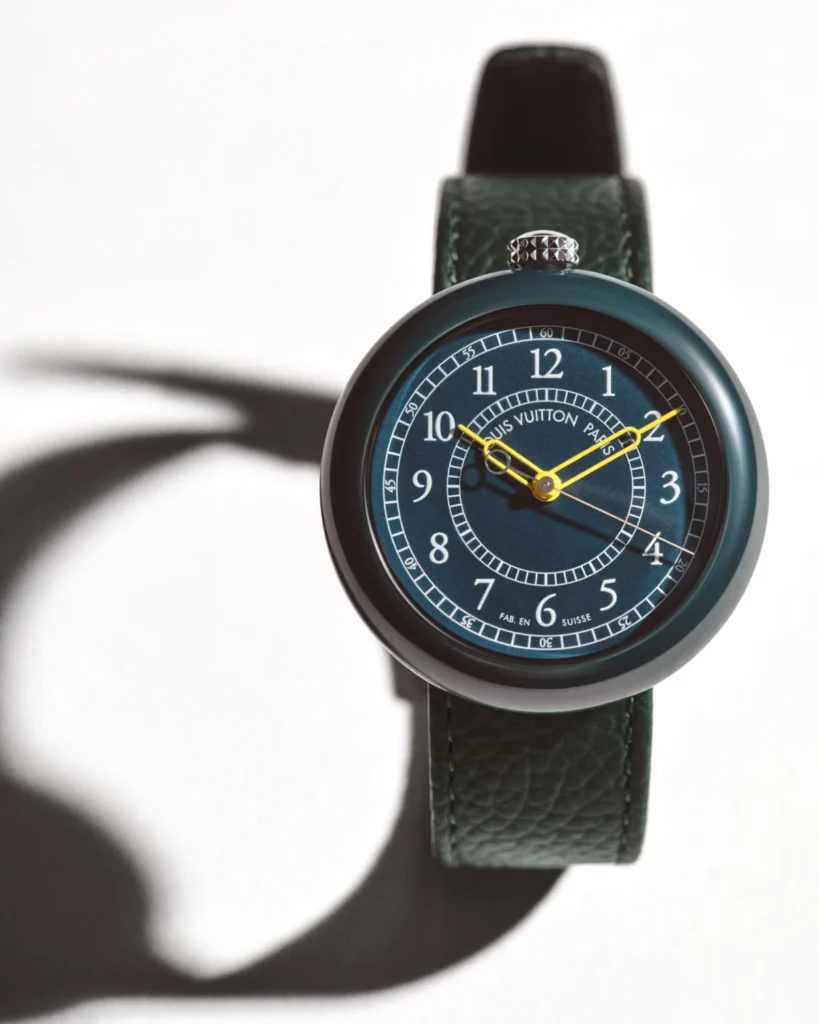
Today, the collection returns, not as a mere nostalgic recreation, but as a technical evolution. The new Monterey maintains the original 37mm case diameter—a dimension that remains incredibly relevant in an era where collectors are pivoting away from oversized cases toward more refined, wearable proportions. However, the brand has elevated the construction, moving from the quartz movements of the late 80s to a proprietary, self-winding mechanical caliber. Available in both black and deep green ceramic, the watch offers a tactile, scratch-resistant experience that defines modern luxury.
Chronology: From 1988 to the Present
To understand the weight of the Monterey, one must look at the timeline of Louis Vuitton’s horological journey.

- 1988: The debut of the LV I and LV II, designed by Gae Aulenti. The "Monterey" moniker was famously applied by American retailers who struggled with the French pronunciation of "montre," resulting in a phonetic misinterpretation that eventually became the collection’s official identity.
- October 2025: Louis Vuitton makes a bold statement by reviving the Monterey line, signaling a deeper commitment to the brand’s archive and architectural heritage.
- September 2026: The launch of the Ceramic collection. This release marks the transition of the Monterey from a niche heritage piece to a contemporary, performance-oriented staple in the brand’s catalog.
The transition from the 1980s quartz era to the current era of "La Fabrique du Temps" (LFT) represents the brand’s maturation. By investing in its own Geneva-based manufacturing facility, Louis Vuitton has moved beyond the "fashion watch" label and into the ranks of serious Swiss watchmaking.
Supporting Data: The Technical Specs
While the aesthetic remains a homage to the original, the mechanical heart of the Monterey Ceramic is entirely contemporary.

- Case Dimensions: 37mm in diameter with an 11mm thickness. The 2mm increase in depth compared to the original quartz model is a direct result of the inclusion of the new mechanical movement.
- Movement: The LFT MA01.02 automatic caliber, produced in-house at La Fabrique du Temps.
- Finishing: The movement features an 18k rose gold rotor with signature V-notching, circular-grained mainplates, and sandblasted bridges with micro-sandblasted edges.
- Frequency and Reserve: The caliber operates at 4Hz (28,800 vibrations per hour) with a 45-hour power reserve.
- Components: The movement is comprised of 174 individual components.
The choice of ceramic as a case material is significant. Unlike steel or precious metals, ceramic offers a hypoallergenic, lightweight, and virtually scratch-proof exterior. For the jet-set demographic Louis Vuitton caters to, this material choice ensures the watch remains in pristine condition, regardless of the rigors of global travel.
Official Perspectives: The Philosophy of "La Fabrique du Temps"
Louis Vuitton’s narrative surrounding this release emphasizes the balance between architecture and function. The brand describes the movement as "expertly finished," pointing to the replacement of traditional synthetic rubies with colorless sapphires—a stylistic flourish that aligns with the brand’s obsession with visual cohesion.

However, the industry response has been nuanced. While the craftsmanship of the LFT facility is undisputed, critics have noted that the 45-hour power reserve is relatively modest compared to the current industry standard of 65-72 hours found in many contemporary movements.
Louis Vuitton’s stance remains one of "lifestyle-first" design. The brand argues that the Monterey is not meant to compete solely on the metric of power reserve, but rather on the merit of its design language and the prestige of the maison. The watch is a tool for the individual who values the architecture of the case and the heritage of the collaboration with Gae Aulenti as much as the internal mechanics.

Implications: The Gateway to Horology
The most significant implication of the Monterey Ceramic is its role as a cultural bridge. Louis Vuitton holds a unique position in the global economy; it is a household name that transcends the traditional "watch enthusiast" bubble.
Expanding the Demographic
By releasing a watch that is inherently desirable to the non-watch-collecting fashion elite, Louis Vuitton serves a vital function in the industry: it acts as a gateway. When a consumer walks into a Louis Vuitton boutique to purchase a piece of luxury, they are exposed to the world of fine horology. Many of these individuals may start with the Monterey but, in doing so, begin to understand the nuances of mechanical movements, finishing techniques, and the history of Swiss manufacturing.

The Price of Prestige
At $22,900 USD, the Monterey Ceramic is priced at a level that commands serious attention. This price tag is not merely for the materials—ceramic and an 18k gold rotor—but for the "total package." This includes the brand’s proprietary design, the cachet of the La Fabrique du Temps facility in Geneva, and the seamless integration into the Louis Vuitton lifestyle ecosystem.
A New Standard of Stealth Wealth
In an age of branding fatigue, the Monterey Ceramic offers a form of "stealth wealth." It is instantly recognizable to those who know the history of the 1988 original, yet it maintains an understated profile that fits under a shirt cuff. The solid caseback preserves the mystery of the gold rotor inside, rewarding the wearer with the knowledge of what lies beneath without the need for outward display.

Conclusion
The Louis Vuitton Monterey Ceramic is a testament to the brand’s evolution. It manages to honor the architectural spirit of the 1980s while integrating the modern, high-tech manufacturing standards of the 21st century. While purists may argue about power reserves or movement benchmarks, the watch succeeds in its primary mission: to be a beautiful, wearable, and highly exclusive accessory that defines the pinnacle of luxury.
As Louis Vuitton continues to expand its footprint in Geneva, the Monterey stands as a clear indicator of the company’s trajectory. It is not just making watches; it is crafting a legacy that invites a wider, more diverse audience to appreciate the art of the timepiece. For the collector and the casual enthusiast alike, the Monterey is a compelling, if expensive, reminder that in the world of luxury, history is the most valuable material of all.