

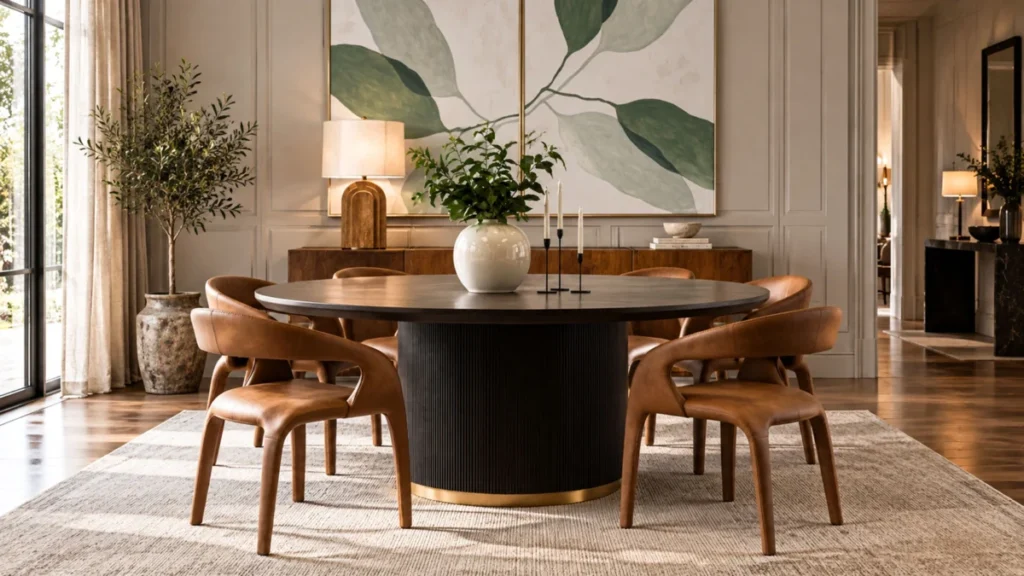
True luxury is rarely a product of excess. In the contemporary design landscape, the most revered interiors are not defined by the sheer volume of high-end acquisitions, but rather by the sophisticated interplay of restraint, architectural proportion, and a deep, deliberate connection between space, material, and light. As we move away from the "maximalist" trends of the past decade, a more curated, architectural approach to interior design has emerged as the hallmark of the modern elite.
This article explores the fundamental principles that elevate a space from merely expensive to truly refined, drawing on insights from industry experts and the evolution of interior architecture.
The Architectural Foundation: Scale and Proportion
At the core of any masterful interior lies the discipline of scale and proportion. While often underestimated by the amateur decorator, these elements serve as the structural "bones" of a room. A common pitfall in residential design is the mismatch between architectural volume and furniture footprint. A sprawling living room furnished with undersized pieces often feels fragmented and cold, while an intimate space suffocated by oversized, bulky furniture loses its fluidity and sense of purpose.
The Science of Space
The objective is not merely to select furniture that "fits," but to choose pieces that communicate with the architecture. Designers must account for ceiling heights, the rhythm of window dimensions, and the natural flow of circulation routes. In expansive, high-ceilinged interiors, substantial, gravity-anchored pieces—such as an oversized sculptural sofa or a monolithic dining table—are essential to grounding the space and establishing a clear visual hierarchy. Conversely, in smaller, more compact environments, the strategy shifts: one should favor fewer, stronger pieces that command attention, providing enough "negative space" to allow the furniture to breathe.
Materiality: The Language of Character
Materiality acts as the tactile soul of an interior. The most sophisticated spaces rely on a restrained, curated palette that prioritizes longevity and sensory depth. Rather than chasing fleeting trends, architects and designers are increasingly focusing on the inherent beauty of natural materials: raw timber, honed marble, cold stone, artisanal glass, and brushed metals.
Curating a Palette
The secret to a layered, high-end interior is the repetition of select, high-quality materials. By weaving a singular material—such as a specific grade of warm oak or a particular veined marble—throughout different zones of a home, designers create a sense of cohesion that feels intentional.
- Tactile Contrast: Balancing the hardness of stone with the softness of linen or the warm glow of brushed brass creates a dynamic tension that keeps a room from feeling one-dimensional.
- Longevity: When furniture is chosen for the integrity of its materials rather than its adherence to seasonal fads, it develops a patina over time. This evolution of surface quality is a key indicator of luxury, as the piece begins to tell a story of use and endurance.
The Focal Point: Orchestrating the Room
A common mistake in interior styling is the "all-voice" room, where every piece of furniture, accessory, and art installation vies for attention. In contrast, the most successful designs employ a clear focal point. This allows the eye to rest and creates a sense of visual calm.
Whether it is a sculptural coffee table that anchors a living room or a statement console table that sets the tone for an entryway, the principle remains constant: one element must lead, while others support. When a console with an expressive, architectural base is paired with a single, carefully chosen object rather than a cluttered arrangement of trinkets, it signals a level of confidence and sophistication that is unmistakable.
The Dining Room as an Architectural Statement
Perhaps no room better illustrates the shift toward architectural design than the modern dining room. The dining table has evolved from a functional utility to an architectural installation. Contemporary designer dining tables, often crafted from a fusion of materials like dark wood, glass, and sculptural metal, serve as the heart of the home.
Circulation and Geometry
The choice between a rectangular and round table is rarely just about seating capacity; it is about geometry. A long, rectangular table can reinforce the linear proportions of a formal dining room, while a round, pedestal-based table introduces a softer, more fluid geometry that enhances circulation in tighter spaces. By treating the dining table as a piece of sculpture, the designer can eliminate the need for excessive wall decor, allowing the table itself to define the room’s character.
Lighting: The Invisible Architect
Lighting should never be an afterthought. In professional design circles, lighting is treated as a foundational element that shapes atmosphere and defines the spatial composition. A chandelier is not merely a light source; it is a visual anchor that connects the floor to the ceiling.
The Art of Layering
A common error is the reliance on a single, centralized light source. Instead, luxury lighting design requires a multi-layered approach:
- Task Lighting: Practical, functional light for dining or reading.
- Ambient Lighting: Softer, diffused light that creates warmth.
- Accent Lighting: Precision lighting used to highlight textures, architectural details, or artwork.
By aligning lighting fixtures with the scale of the furniture—such as ensuring a chandelier is proportional to the table beneath it—designers create a sense of balance that feels intuitive rather than forced.
The Confidence of Empty Space
Perhaps the most challenging aspect of interior design is knowing when to stop. "Negative space" is not an absence of design; it is a vital component of it. Exceptional furniture requires breathing room to be fully appreciated. When a room is allowed to "breathe," the viewer is given the time to understand the form, the grain of the wood, and the quality of the finish.
This "editing" process is what separates a merely furnished room from a curated environment. Luxury is defined by the courage to omit the superfluous. It is a philosophy of subtraction, where every element—from the largest sofa to the smallest accessory—is held to a rigorous standard: Does this contribute to the whole?
Implications for Modern Living
The shift toward this "restrained luxury" has significant implications for how we perceive our homes. As the world becomes increasingly fast-paced and digitally saturated, the home is becoming a sanctuary for clarity and calm. By focusing on proportion, materiality, and the strategic use of space, individuals can create interiors that are not only aesthetically superior but also mentally restorative.
The future of interior design lies in the rejection of "disposable" style in favor of "purposeful" living. As we look ahead, the most memorable homes will be those that feel coherent and deliberate—spaces where every element, no matter how small, serves as a testament to the idea that true quality is timeless. Whether designing a modern apartment or restoring a period residence, the principles of restraint and architectural integrity remain the ultimate benchmarks of a refined lifestyle.



