

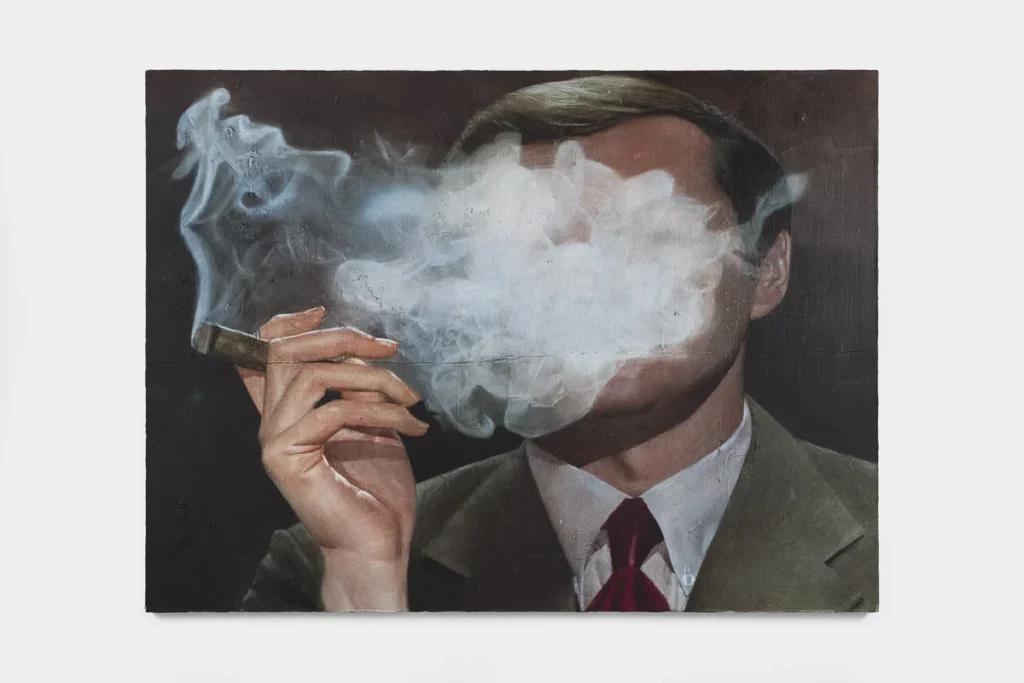
September 25, 2026 — It is a fundamental tension that has haunted the art world since the birth of the commercial gallery system: the often-yawning chasm between market value and artistic merit. In an era defined by rapid-fire digital exposure and speculative fervor, this disconnect has transformed from a subtle nuisance into a defining characteristic of the contemporary art landscape. As we navigate the latter half of the 2020s, the paradox of the "ultra-contemporary" sector—where artists under 40 command prices once reserved for blue-chip masters—has become impossible to ignore.
Recent gallery cycles in New York, featuring solo exhibitions by artists under 45 who have already seen their works hammer for nearly $200,000 or more at auction, offer a sobering case study. When we strip away the noise of the order books and the social media hype, what remains? Increasingly, the answer is a profound emptiness.
The Rise of the "Ultra-Contemporary" Category
To understand the current crisis of value, one must first understand the machinery that created it. Over the last five years, the art market has seen the formalization of the "ultra-contemporary" category—a nebulous, market-driven classification encompassing artists who have barely reached the mid-points of their careers.

This phenomenon was fueled by a "gold rush" mentality, where investors—many of whom are new to the art world—sought rapid returns on emerging talent. The narrative was seductive: buy now, wait for the secondary market to inflate, and exit with a significant profit. Mega-galleries, sensing a shift in the cultural wind, began aggressively signing artists in their 20s, effectively fast-tracking them onto the global stage. This bypassed the traditional "slow-burn" path of institutional validation, academic critique, and thematic maturation, replacing it with the high-velocity churn of the auction house.
A Chronology of the Speculative Surge
The trajectory of this market shift can be mapped across the early 2020s:
- 2021–2022: The Pandemic Digital Pivot. As physical galleries shuttered, online viewing rooms and Instagram-led curation created a homogenized "aesthetic of the moment." Artists with highly recognizable, brandable styles saw their auction prices skyrocket as digital-first collectors flocked to familiar visual tropes.
- 2023: Institutional FOMO. Museums and public institutions, wary of appearing out of touch with contemporary discourse, began acquiring works by these young artists at an unprecedented rate, providing a veneer of historical significance that further emboldened speculators.
- 2024–2025: Peak Euphoria. The "ultra-contemporary" category became a standalone asset class. Auctions were saturated with works by artists who had not yet had a comprehensive mid-career survey, with hammer prices frequently doubling or tripling low estimates.
- 2026: The Correction. As noted by recent industry reports, the bloom is rapidly falling off the rose. Auction clearance rates for younger artists have begun to stutter, signaling that the speculative bubble is not merely cooling—it is beginning to burst.
Supporting Data: When Price Outpaces Substance
The metrics of the last several years paint a stark picture. In a recent analysis of six major solo exhibitions in New York, researchers found a troubling lack of critical depth. These exhibitions featured artists whose market records—often set during the frenzy of 2024—hovered between $150,000 and $250,000.

When curators and critics were invited to evaluate the actual output—the canvases themselves—the findings were largely underwhelming. Beyond one standout exhibition that demonstrated technical rigor and conceptual ambition, the remaining five shows were described by insiders as "derivative," "stylistically shallow," and "designed for the interior design market rather than the history books."
The data suggests that the price tags attached to these works are decoupled from the labor, technique, or intellectual inquiry of the artists. Instead, they are tied to a "liquidity premium"—the ease with which these works can be flipped in an auction environment. When the market stops buying, the "merit" of these artists is revealed to be a phantom.
Official Responses and Industry Skepticism
The consensus among seasoned dealers and art historians is shifting toward a "return to fundamentals."

"We are witnessing the end of the ‘Instagram Artist’ era," says one prominent New York gallerist who spoke on condition of anonymity. "For too long, the industry incentivized rapid production over meaningful development. When you force a 27-year-old artist to produce ten works for a solo show every year, you are not fostering their career; you are mining them for content."
Conversely, some market defenders argue that the volatility is merely a byproduct of a globalized art economy. "The definition of ‘merit’ has changed," argues a spokesperson for a major auction house. "We are seeing a democratization of taste where younger collectors prioritize emotional resonance and contemporary relevance over traditional markers of ‘mastery.’ The market is simply responding to what this generation finds valuable."
However, even this defense rings hollow when faced with the cold reality of falling auction prices. Many artists who were the darlings of the 2024 season are now struggling to find buyers at their previously inflated price points, leading to a "price freeze" that has left many collectors holding depreciating assets.

The Broader Implications for the Art World
The fallout from this speculative bubble has significant implications for the future of the art industry:
1. The Death of the "Slow" Career
The industry is likely to move away from the "fast-track" model. Galleries that have built their reputations on grooming young artists for quick flips are finding their credibility damaged. Expect a return to more traditional mentorship roles, where galleries focus on cultivating an artist’s practice over a decade rather than a single quarter.
2. A Shift in Collector Behavior
Collectors are becoming more discerning. The era of buying based on "market heat" is receding, replaced by a renewed interest in provenance, technical expertise, and long-term historical context. We are seeing a "flight to quality," where capital is moving back toward established artists who have proven their staying power through market cycles.

3. Institutional Reckoning
Museums will likely be more cautious in their acquisitions of "ultra-contemporary" works. The embarrassment of having recently acquired pieces that have lost 60% of their market value is a powerful deterrent against future speculative purchasing. We will likely see a return to stricter curatorial standards that prioritize work with a proven historical trajectory.
4. The Artist’s Burden
Perhaps the most significant victim of this cycle is the artist. Many young painters, caught in the web of mega-gallery expectations, have been forced to lock themselves into a singular, recognizable style to satisfy market demand. Breaking out of that stylistic prison—to evolve and grow—now carries a high financial risk. The "market-tested" artist is often the artist who has stopped taking risks.
Conclusion: The Long Road Back
As we look toward the remainder of 2026 and into 2027, the art world is entering a period of necessary recalibration. The "cruelties of the market" mentioned in current discourse are, in reality, the market’s way of correcting its own excesses.

The lesson is as old as the history of art: money is a fickle barometer of quality. While a price tag can confer status and temporary validation, it cannot grant an artwork the endurance of genuine artistic merit. For those who care about the future of creative expression, the bursting of this bubble is not a tragedy—it is a cleansing. It offers a chance to look past the dollar signs, ignore the auction records, and return to the primary task: looking at the art, and asking, with genuine curiosity, if it has something to say that will still matter when the market’s obsession moves on to the next trend.



